

Can You Hug Your Cat Too Hard? Exploring Feline Affection and Safe Handling
Can you hug your cat too hard? Yes, absolutely. While expressing affection through a hug may seem natural, cats are sensitive creatures and excessive pressure can cause discomfort, fear, or even injury.
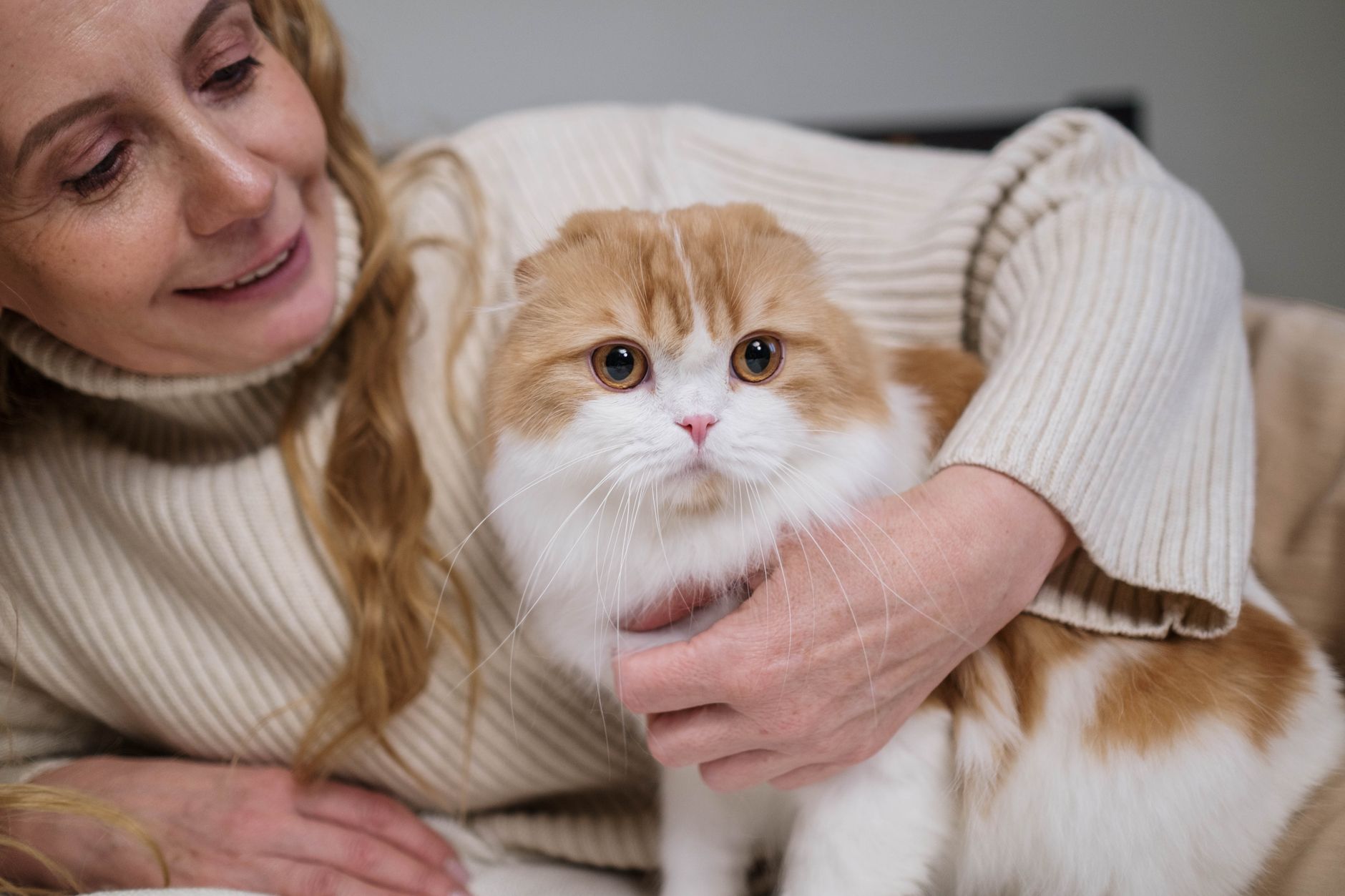
Understanding Feline Affection: It’s Not Always About Hugs
We humans often equate affection with physical touch, particularly hugs. But for cats, displays of affection are often much more subtle and nuanced. Before delving into the question of “Can I hug my cat too hard?”, it’s crucial to understand how cats perceive and express love. They might rub against your legs, purr contentedly on your lap, or even blink slowly at you – all signs of affection in the feline world.
Why Cats Dislike Certain Types of Physical Contact

Cats evolved as solitary hunters, and while domestication has changed their behaviors, certain instincts remain. Being restrained or held tightly can trigger a fight-or-flight response. This is because:
- Loss of Control: Hugs restrict a cat’s movement and ability to escape if they feel threatened.
- Physical Discomfort: Cats have delicate bones and internal organs. Excessive pressure from a hug can cause pain or discomfort.
- Misinterpretation of Intent: Your loving hug might be perceived as an aggressive act, leading to fear and anxiety.
Recognizing Your Cat’s Body Language: Signs of Distress
Before considering “Can I hug my cat too hard?”, learn to read your cat’s body language. It’s essential to recognize signs that your cat is uncomfortable or distressed during physical contact:
- Flattened Ears: Indicates fear or anxiety.
- Dilated Pupils: Often a sign of fear or excitement, not necessarily affection.
- Tail Flicking or Thumping: A sign of irritation.
- Vocalization (Hissing, Growling): Clear indicators of discomfort or fear.
- Stiff Body Posture: Suggests tension and unease.
- Attempting to Escape: The most obvious sign that your cat wants to be released.
If your cat exhibits any of these signs, it’s crucial to immediately release them and avoid forcing physical affection.
The Art of the Gentle Embrace: Safe Hugging Techniques
While forceful hugs are a no-go, gentle embraces can be acceptable, depending on the cat’s personality and comfort level. Here’s how to approach hugging your cat safely:
- Observe Their Mood: Only attempt a hug when your cat is relaxed and receptive.
- Start Slowly: Approach them calmly and speak in a soothing voice.
- Offer a Gentle Scratch: Before attempting a full hug, offer a scratch under the chin or behind the ears.
- The Supportive Hold: Instead of squeezing, gently wrap your arms around their body, providing support rather than restraint.
- Monitor Their Body Language: Continuously observe their body language for any signs of discomfort.
- Keep it Brief: A short, gentle hold is better than a prolonged, forceful one.
Alternative Ways to Show Affection: Beyond Hugs
Consider alternatives to hugging to show your cat affection:
- Playtime: Engage in interactive play using toys like wand teasers or laser pointers.
- Grooming: Gently brush your cat’s fur to strengthen your bond and remove loose hair.
- Verbal Praise: Talk to your cat in a soothing and affectionate tone.
- Treats and Rewards: Offer their favorite treats as a sign of your love.
- Slow Blinks: Exchange slow blinks with your cat to convey affection.
The Personality Factor: Knowing Your Cat’s Preferences
Every cat is an individual with unique personality and preferences. Some cats may tolerate or even enjoy brief, gentle hugs, while others will vehemently resist any form of restraint. Understanding your cat’s individual temperament is essential to building a strong and loving bond. The question of “Can I hug my cat too hard?” really depends on your cat’s personality.
When to Avoid Hugging Altogether
Certain situations warrant avoiding hugs altogether:
- When your cat is sick or injured: Avoid any physical contact that could cause further pain or discomfort.
- When your cat is stressed or anxious: During vet visits, loud noises, or other stressful situations, avoid hugs as they may exacerbate their anxiety.
- With unfamiliar cats: Approach unfamiliar cats with caution and avoid attempting to hug them.
Common Mistakes to Avoid
Many cat owners inadvertently make mistakes when attempting to hug their cats. Here are some common pitfalls to avoid:
- Squeezing too tightly: Applying excessive pressure can cause discomfort or even injury.
- Forcing a hug when the cat resists: This can damage your relationship and create negative associations with physical contact.
- Ignoring warning signs: Failing to recognize signs of discomfort can lead to fear, anxiety, and potential aggression.

Frequently Asked Questions About Hugging Your Cat
Can a cat’s ribs break from a hug?
Yes, while it’s unlikely from a casual hug, applying excessive force could potentially fracture a cat’s ribs. Cats have delicate bone structures, and forceful squeezing can be dangerous.
Is it okay to pick up my cat and hold them like a baby?
Generally, no. Many cats dislike being held on their backs like a baby because it makes them feel vulnerable and limits their ability to escape. However, some exceptionally tolerant cats may permit it, but always monitor their body language.
My cat purrs when I hug them. Does that mean they like it?
Purring doesn’t always indicate happiness. Cats also purr when they’re stressed or in pain as a self-soothing mechanism. Pay close attention to other body language cues to determine if your cat is truly enjoying the hug. A relaxed posture and slow blinks alongside purring are more reliable indicators of contentment.
What if my cat initiates physical contact but then gets annoyed when I reciprocate?
Cats are complex creatures! They may initiate contact on their terms but become overwhelmed or uncomfortable if the interaction lasts too long or becomes too intense. Respect their boundaries and end the interaction before they become annoyed.
Are there any specific breeds that are more tolerant of hugs than others?
While individual personalities vary, some breeds, like Ragdolls and Persians, are known for being more tolerant and affectionate. However, this isn’t a guarantee, and each cat should be approached as an individual. It’s more about the individual temperament and socialization than breed.
My cat hates being picked up. Is there any way to train them to tolerate it?
Start slowly by simply touching and petting your cat while they’re on the ground. Gradually introduce brief, gentle lifts, rewarding them with treats and praise. Never force them and always respect their boundaries. Success depends on the individual cat’s personality and patience. If they truly hate it, it’s best to respect that preference.
What are some signs that my cat trusts me?
Signs of trust include slow blinks, rubbing against your legs, exposing their belly, sleeping near you, and kneading you with their paws. These behaviors indicate that your cat feels safe and comfortable in your presence. Trust is essential before you even consider “Can I hug my cat too hard?“.
Can I accidentally hurt my cat while carrying them?
Yes, improper handling can cause injury. Always support your cat’s body weight and avoid lifting them by their scruff (unless it’s a mother cat moving her kittens). Support their hind legs and chest for optimal comfort and safety.
How should children be taught to interact with cats safely?
Teach children to be gentle and respectful of cats’ boundaries. Supervise all interactions and explain that cats are not toys. Emphasize the importance of recognizing signs of discomfort and avoiding forceful hugs or handling. Education is key to fostering positive relationships.
My cat used to enjoy hugs, but now they don’t. Why might that be?
Several factors could contribute to this change, including age, pain, stress, or a change in environment. If you notice a sudden shift in your cat’s behavior, consult with a veterinarian to rule out any underlying medical issues. Something subtle could answer “Can I hug my cat too hard?“.
What’s the best way to approach an unfamiliar cat for the first time?
Approach slowly and calmly, offering your hand for them to sniff. Avoid direct eye contact, which can be perceived as threatening. Let the cat come to you and initiate contact. If they seem relaxed and receptive, you can offer a gentle scratch under the chin or behind the ears. Patience and respect are paramount. Trying to quickly determine “Can I hug my cat too hard?” with a new cat is a mistake.
Are there any tools or resources to better understand cat body language?
Yes, many excellent books, websites, and videos can help you decode feline body language. Look for resources from reputable organizations like the ASPCA or the Humane Society. Observe your own cat’s behavior and learn to recognize their individual signals. This can help you determine “Can I hug my cat too hard?” long before you attempt it.