
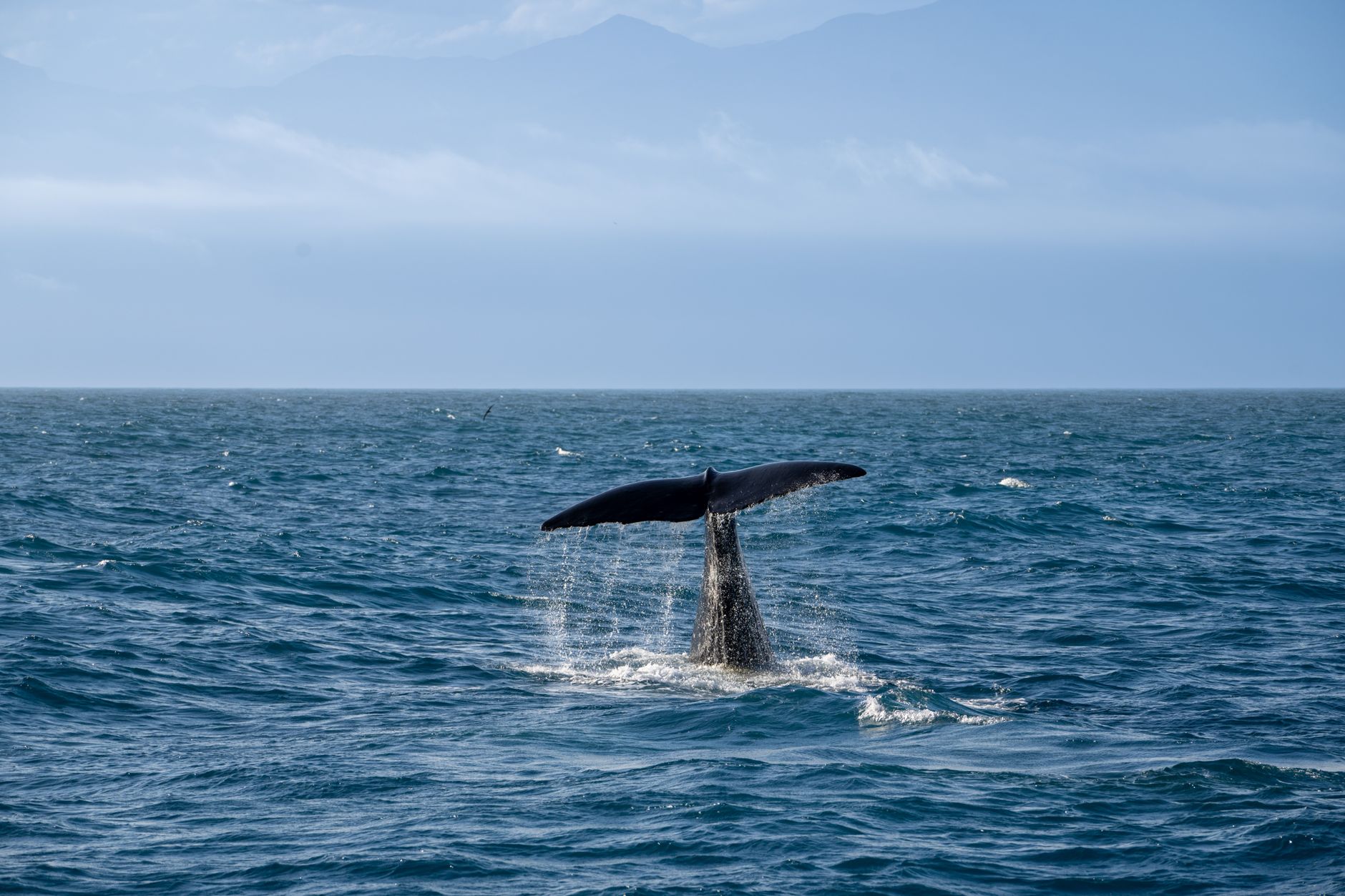
Why Are All the Whales Dying?
The alarming increase in whale deaths worldwide stems from a complex web of factors, including climate change, ocean pollution, ship strikes, entanglement in fishing gear, and noise pollution, all significantly impacting whale populations. These interconnected threats are collectively driving a concerning trend of whale mortality.
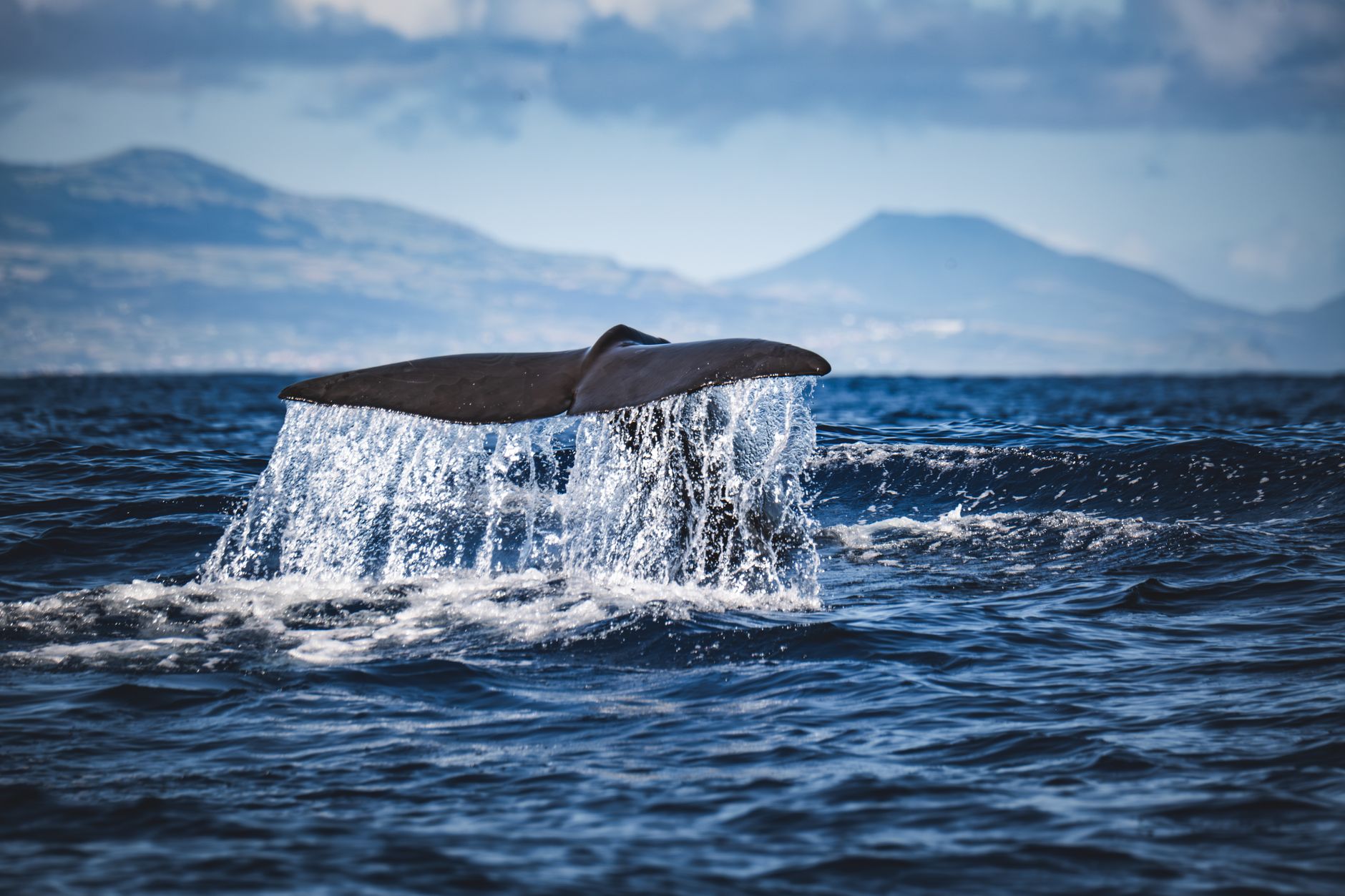
Introduction: A Symphony of Silence?
For millennia, the ocean’s depths have resonated with the songs of whales, majestic creatures integral to marine ecosystems. However, this symphony is fading, replaced by a growing unease as whale populations face unprecedented threats. The question, “Why are all the whales dying?,” isn’t a simple one; it requires understanding the complex interplay of human activities and environmental changes impacting these magnificent marine mammals. We are witnessing a crisis that demands immediate attention and comprehensive solutions.

Are all shrimps born female?
What is the GREY African clawed frog?
Is distilled water good for goldfish?
What colours are fish most attracted to?
Climate Change and Its Impact

Climate change, driven by greenhouse gas emissions, is altering the very foundation of whale habitats.
- Ocean Acidification: Increased carbon dioxide absorption leads to ocean acidification, impacting the base of the food web. Plankton, crucial for many baleen whales, are particularly vulnerable.
- Warming Waters: Rising ocean temperatures are forcing prey species to relocate, disrupting whale feeding patterns and migration routes. This can lead to malnutrition and increased stress.
- Melting Ice: Arctic and Antarctic whale populations depend on ice habitats for feeding and breeding. The rapid loss of sea ice due to global warming is shrinking their habitable range.
Ocean Pollution: A Toxic Tide
Our oceans are drowning in pollution, from plastic waste to chemical runoff, creating a toxic environment for whales.
- Plastic Ingestion: Whales often mistake plastic debris for food, leading to blockages in their digestive systems and starvation. Microplastics also accumulate in their tissues, potentially causing long-term health problems.
- Chemical Contamination: Industrial and agricultural runoff introduces pollutants like pesticides and heavy metals into the ocean. These contaminants accumulate in whale blubber, suppressing their immune systems and impacting reproduction.
- Oil Spills: Catastrophic oil spills can directly poison whales and contaminate their food sources, leading to widespread death and long-term ecological damage.
The Threat of Ship Strikes
The increasing volume of maritime traffic poses a significant risk to whales.
- Direct Collisions: Large vessels can inflict fatal injuries on whales, especially in areas with high whale densities or near shipping lanes.
- Habitat Fragmentation: Increased ship traffic can disrupt whale migration patterns and communication, leading to habitat fragmentation.
- Noise Pollution: Ship engines and sonar create underwater noise that can interfere with whale communication, navigation, and feeding.
Entanglement in Fishing Gear: A Silent Killer
Abandoned or lost fishing gear, known as ghost gear, poses a persistent threat to whales.
- Entanglement: Whales can become entangled in fishing nets, ropes, and traps, leading to exhaustion, injury, and eventually drowning.
- Migration Disruption: Entanglement can restrict movement and interfere with migration routes, preventing whales from reaching feeding or breeding grounds.
- Starvation: Entanglement can prevent whales from feeding effectively, leading to starvation and death.
Noise Pollution: Disrupting Communication
The ocean’s natural soundscape is increasingly disrupted by human-generated noise.
- Sonar: Military and industrial sonar can cause temporary or permanent hearing damage in whales, disrupting their communication and navigation abilities.
- Seismic Surveys: Oil and gas exploration involves seismic surveys that use loud blasts of sound to map the ocean floor. These blasts can injure or kill whales and disrupt their behavior.
- Shipping Noise: The constant hum of shipping traffic creates a persistent background noise that can mask whale calls and interfere with their ability to find mates and food.
Conservation Efforts: A Ray of Hope?
Despite the challenges, numerous conservation efforts are underway to protect whale populations.
- Marine Protected Areas: Establishing marine protected areas can safeguard critical whale habitats and limit human activities that pose a threat.
- Fishing Gear Modifications: Developing and implementing whale-safe fishing gear can reduce the risk of entanglement.
- Vessel Speed Restrictions: Implementing vessel speed restrictions in areas with high whale densities can reduce the risk of ship strikes.
- Noise Reduction Technologies: Developing and implementing technologies to reduce underwater noise from ships and other sources can protect whale communication and navigation.
Frequently Asked Questions (FAQs)
What types of whales are most at risk?
Several whale species are facing critical threats, including the North Atlantic right whale, which is critically endangered, and various populations of blue whales, humpback whales, and gray whales, each facing unique challenges in their specific habitats.
How does ocean acidification affect whales indirectly?
Ocean acidification primarily impacts whales indirectly by affecting the food web. It reduces the availability of calcium carbonate, which is essential for the shells and skeletons of many marine organisms, including plankton, a primary food source for many whale species. A decline in plankton populations leads to reduced food availability for whales.
What are some examples of whale-safe fishing gear?
Whale-safe fishing gear includes ropeless fishing systems, which eliminate the vertical lines that whales can become entangled in. Other modifications include using weaker ropes that break more easily if a whale becomes entangled, and implementing acoustic deterrents to discourage whales from approaching fishing gear.
How effective are vessel speed restrictions in protecting whales?
Vessel speed restrictions have proven effective in reducing the risk of fatal ship strikes. Slower speeds allow whales more time to react and avoid collisions, and they also reduce the severity of injuries if a collision does occur. Implementing these restrictions in key whale habitats is a crucial conservation measure.
What role do whale conservation organizations play in protecting whales?
Whale conservation organizations play a vital role in researching whale populations, advocating for protective policies, rescuing entangled whales, and educating the public about the threats facing these magnificent creatures. Their work is essential for ensuring the survival of whale species.
What can individuals do to help protect whales?
Individuals can make a difference by reducing their carbon footprint, supporting sustainable seafood choices, reducing plastic consumption, and donating to whale conservation organizations. Educating others about the threats facing whales is also crucial.
Why is whale poop important for the ocean ecosystem?
Whale poop is rich in nutrients like iron and nitrogen, which fertilize the ocean and promote the growth of phytoplankton. Phytoplankton forms the base of the marine food web and also absorbs carbon dioxide, playing a vital role in regulating the climate.
How does seismic blasting for oil and gas affect whales?
Seismic blasting uses loud blasts of sound to map the ocean floor, which can cause hearing damage, stress, and behavioral changes in whales. It can also disrupt their communication, navigation, and feeding, and in some cases, even lead to mass strandings.
Are certain whale populations recovering or continuing to decline?
While some whale populations, such as certain populations of humpback whales, have shown signs of recovery after decades of protection, many others are still declining, particularly those facing climate change-related threats, ship strikes, and entanglement.
What international agreements are in place to protect whales?
Several international agreements, such as the International Whaling Commission (IWC) and the Convention on International Trade in Endangered Species (CITES), aim to protect whale populations. However, enforcement and compliance remain challenges.
How does noise pollution affect whale calves?
Noise pollution can be particularly harmful to whale calves, as it can interfere with their ability to communicate with their mothers, locate food, and learn essential survival skills. This can increase their vulnerability to predators and other threats.
Why are all the whales dying at an accelerated rate compared to historical averages, even without direct human interference (e.g., whaling)?
While whaling was a devastating historical threat, the current accelerated death rate, addressing “Why are all the whales dying?” more broadly, stems from a complex interplay of cumulative stressors. Even without direct hunting, climate change disrupts their food sources and habitats, pollution weakens their immune systems, and increased shipping/fishing adds deadly risks. The compounding effects are pushing many populations to the brink.