

Are Collard Greens Good for Tortoises? A Nutritional Guide
Collard greens can be a beneficial addition to a tortoise’s diet in moderation, offering essential vitamins and minerals; however, they shouldn’t be the sole food source due to their nutrient profile. Are collard greens good for tortoises? Yes, but variety is key for optimal health.

Understanding Tortoise Nutrition
Tortoises, being herbivores, require a diet rich in fiber, vitamins, and minerals to thrive. A balanced diet is crucial for shell development, overall health, and longevity. Understanding their specific nutritional needs helps ensure they receive the right balance of nutrients from their food sources. Providing a varied diet mimics their natural foraging behavior in the wild, which is essential for their well-being.

What colours are fish most attracted to?
Can you put your finger in a trout's mouth?
Is methylene blue anti bacterial?
Does aquarium salt raise pH in aquarium?
Nutritional Benefits of Collard Greens
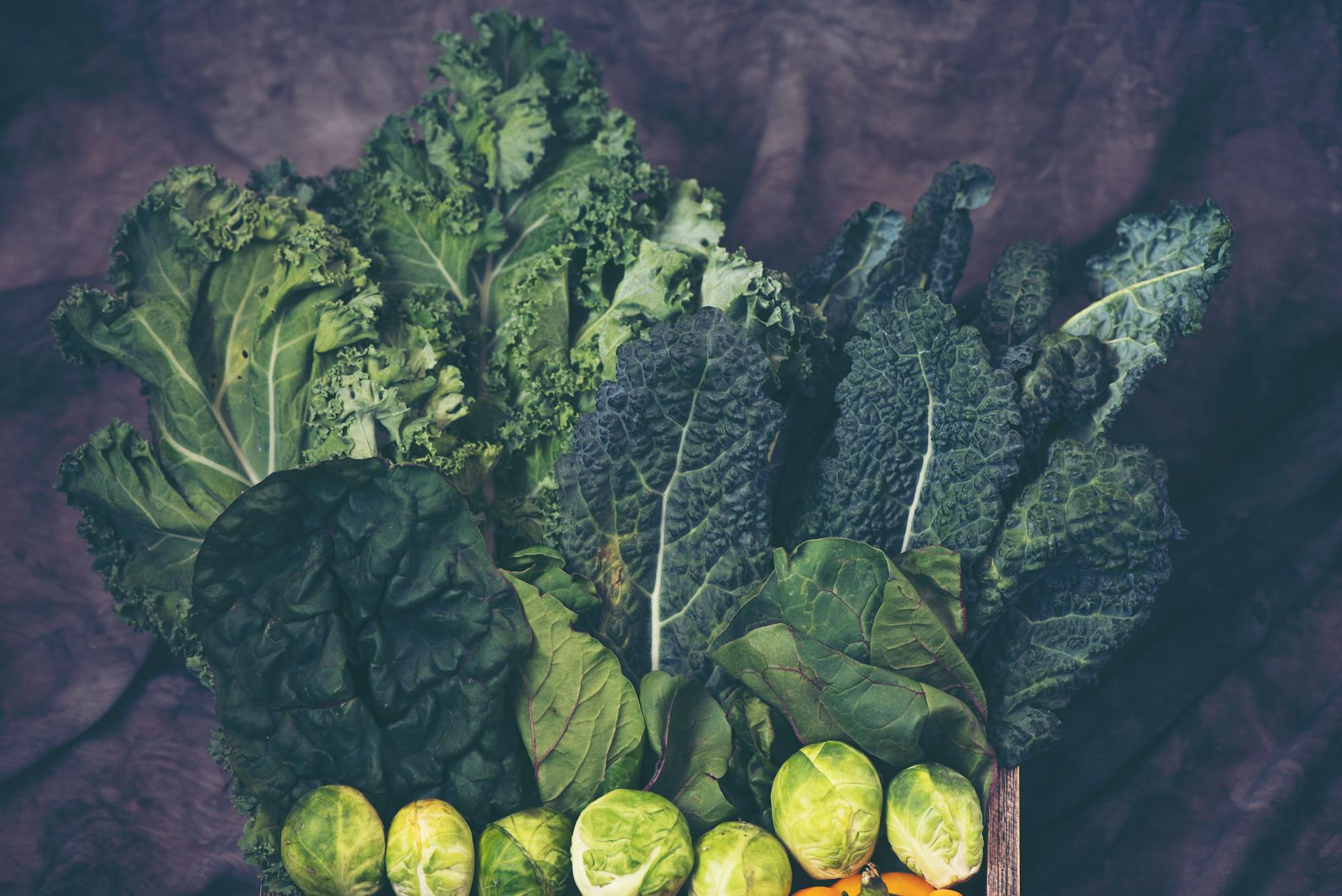
Collard greens offer several nutritional advantages for tortoises when included as part of a balanced diet.
- Vitamin K: Essential for blood clotting and bone health.
- Vitamin C: Acts as an antioxidant and supports the immune system.
- Vitamin A: Crucial for vision, skin health, and immune function.
- Calcium: Vital for shell development and bone strength.
- Fiber: Aids in digestion and prevents constipation.
These nutrients contribute to the overall health and vitality of tortoises, making collard greens a potentially valuable addition to their diet when fed appropriately.
Potential Downsides and Considerations
While collard greens offer several benefits, it’s crucial to be aware of potential drawbacks.
- Goitrogens: Collard greens contain goitrogens, which can interfere with thyroid function if consumed in excessive amounts. This is less of a concern when the diet is varied.
- Oxalates: These compounds can bind to calcium and reduce its absorption. Again, moderation and variety are important to mitigate this effect.
- Pesticides: Always choose organic collard greens or wash them thoroughly to remove any potential pesticide residue.
- Nutrient Imbalance: Relying solely on collard greens can lead to a nutrient imbalance, as they don’t provide all the necessary nutrients tortoises need.
Integrating Collard Greens into a Tortoise Diet
Integrating collard greens into a tortoise’s diet requires careful planning and consideration. Here’s how to do it effectively:
- Variety is key: Offer collard greens as one part of a diverse diet that includes other leafy greens, vegetables, and weeds.
- Moderation: Limit the amount of collard greens offered to approximately 10-20% of the overall diet.
- Preparation: Wash collard greens thoroughly before feeding them to your tortoise.
- Observation: Monitor your tortoise’s health and adjust the diet accordingly. Look for signs of digestive issues or any changes in behavior.
Creating a Balanced Tortoise Diet
A truly healthy tortoise diet goes beyond just collard greens. It should encompass a wide array of plant-based foods to ensure comprehensive nutritional intake.
- Leafy Greens: Romaine lettuce, dandelion greens, endive, escarole
- Vegetables: Squash, carrots (in moderation), sweet potatoes (in moderation)
- Weeds: Plantain, clover, sow thistle
- Commercial Tortoise Food: Can be used as a supplement to ensure adequate vitamin and mineral intake.
| Food Group | Examples | Percentage of Diet |
|---|---|---|
| Leafy Greens | Romaine, dandelion, endive, escarole, collard (10-20%) | 70-80% |
| Vegetables | Squash, carrots, sweet potatoes | 10-20% |
| Weeds | Plantain, clover, sow thistle | 10-20% |
| Commercial Food | High-fiber, low-protein tortoise pellets | Up to 10% |
Common Mistakes to Avoid
Several common mistakes can compromise the health of your tortoise.
- Overfeeding: Providing too much food can lead to obesity and other health problems.
- Feeding Only One Type of Food: Lack of variety can result in nutrient deficiencies.
- Providing Animal Protein: Tortoises are herbivores and cannot digest animal protein properly.
- Ignoring Dietary Needs: Not researching the specific dietary requirements of your tortoise species.
Conclusion
Are collard greens good for tortoises? The answer is nuanced. They can be a healthy part of a varied and balanced diet, offering valuable vitamins and minerals. However, moderation is key. Overfeeding collard greens or relying on them as the sole food source can lead to health problems. Always prioritize a diverse diet that mimics their natural foraging behavior to ensure optimal health and longevity for your tortoise. Remember to consult with a veterinarian or reptile specialist for specific dietary recommendations tailored to your tortoise’s species and individual needs.
Frequently Asked Questions (FAQs)
Are collard greens toxic to tortoises?
No, collard greens are not toxic to tortoises. However, they contain goitrogens and oxalates, which can be problematic if consumed in excessive amounts. Moderation and a varied diet are essential to mitigate these risks.
How often can I feed my tortoise collard greens?
Collard greens should be offered no more than 2-3 times per week as part of a varied diet. They should constitute approximately 10-20% of the total food intake.
What other leafy greens are good for tortoises?
Excellent leafy green options include romaine lettuce, dandelion greens, endive, and escarole. Rotating these greens helps provide a wider range of nutrients.
Can I feed my tortoise frozen collard greens?
Yes, you can feed your tortoise frozen collard greens, but fresh is preferable. If using frozen greens, thaw them completely and drain any excess water before feeding.
Do I need to cook collard greens for my tortoise?
No, collard greens should be fed raw. Cooking can reduce the nutritional value of the greens.
My tortoise doesn’t seem to like collard greens. What should I do?
Introduce collard greens gradually by mixing them with other foods your tortoise enjoys. It may take some time for them to develop a taste for them. You can also try different varieties of collard greens.
Are collard greens a good source of calcium for tortoises?
Yes, collard greens contain calcium, which is essential for shell development. However, it’s important to ensure a balanced calcium-to-phosphorus ratio in the overall diet.
Can baby tortoises eat collard greens?
Yes, baby tortoises can eat collard greens, but the same principles of moderation and variety apply. Chop the greens into small pieces to make them easier to consume.
What is the best way to wash collard greens for my tortoise?
Rinse the collard greens thoroughly under cool running water to remove any dirt or pesticide residue.
What should I do if my tortoise eats too many collard greens?
Monitor your tortoise for any signs of digestive upset. If you notice any issues, such as diarrhea or lethargy, reduce the amount of collard greens in their diet and consult with a veterinarian.
Can all tortoise species eat collard greens?
While most tortoise species can eat collard greens, it’s essential to research the specific dietary needs of your particular species. Some species may have different requirements or sensitivities.
Where can I learn more about tortoise nutrition?
Consult with a reptile veterinarian or a tortoise specialist. Numerous online resources and books also provide valuable information on tortoise care and nutrition.