
Are Raccoons Related to Cats or Dogs? Unveiling the Family Tree
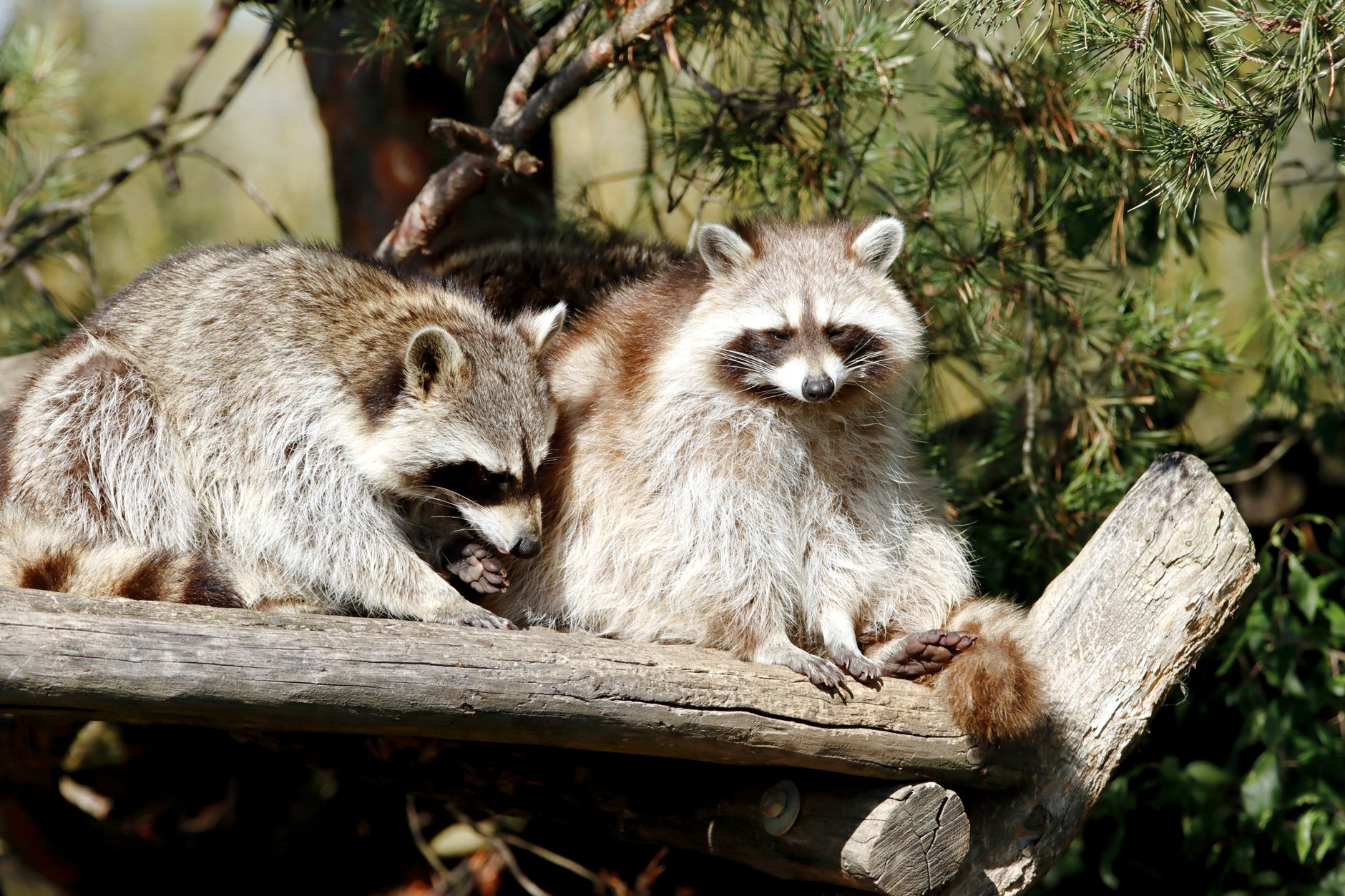
Are raccoons related to cats or dogs? Raccoons belong to their own unique family, Procyonidae, making them neither closely related to cats nor dogs; they share a more distant common ancestor with both within the broader order Carnivora, making them distant cousins.
A Journey Through the Carnivore Family Tree
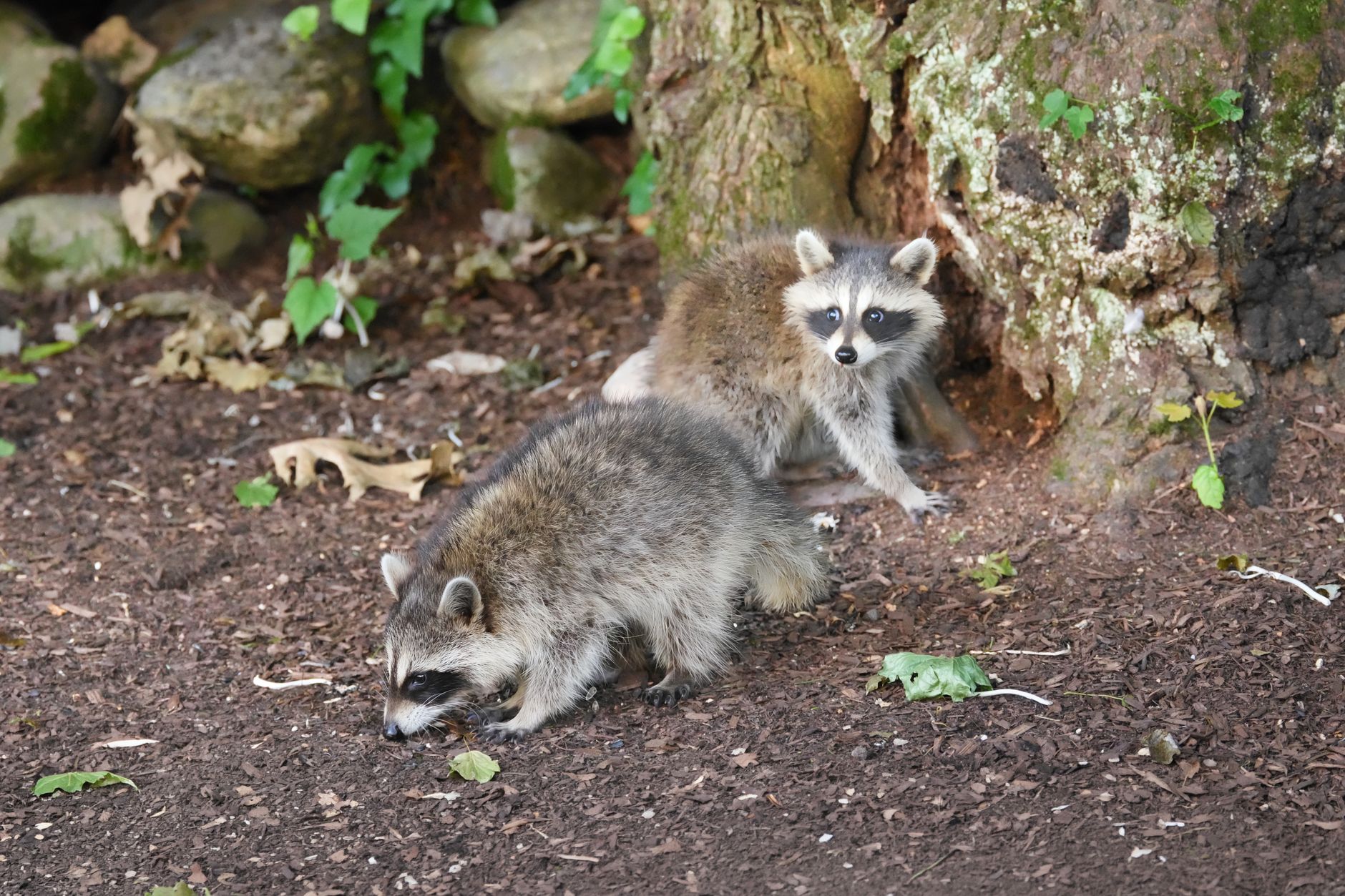
The question of Are raccoons related to cats or dogs? is a fascinating one that delves into the complex world of evolutionary biology and animal classification. To understand the relationship, or lack thereof, it’s crucial to explore the larger context of the Carnivora order. Both cats (Felidae family) and dogs (Canidae family) reside within this order, known for their meat-eating adaptations. However, membership in Carnivora doesn’t necessarily imply close kinship.

What colours are fish most attracted to?
Can you put your finger in a trout's mouth?
Is methylene blue anti bacterial?
Does aquarium salt raise pH in aquarium?
Unveiling the Procyonid Identity
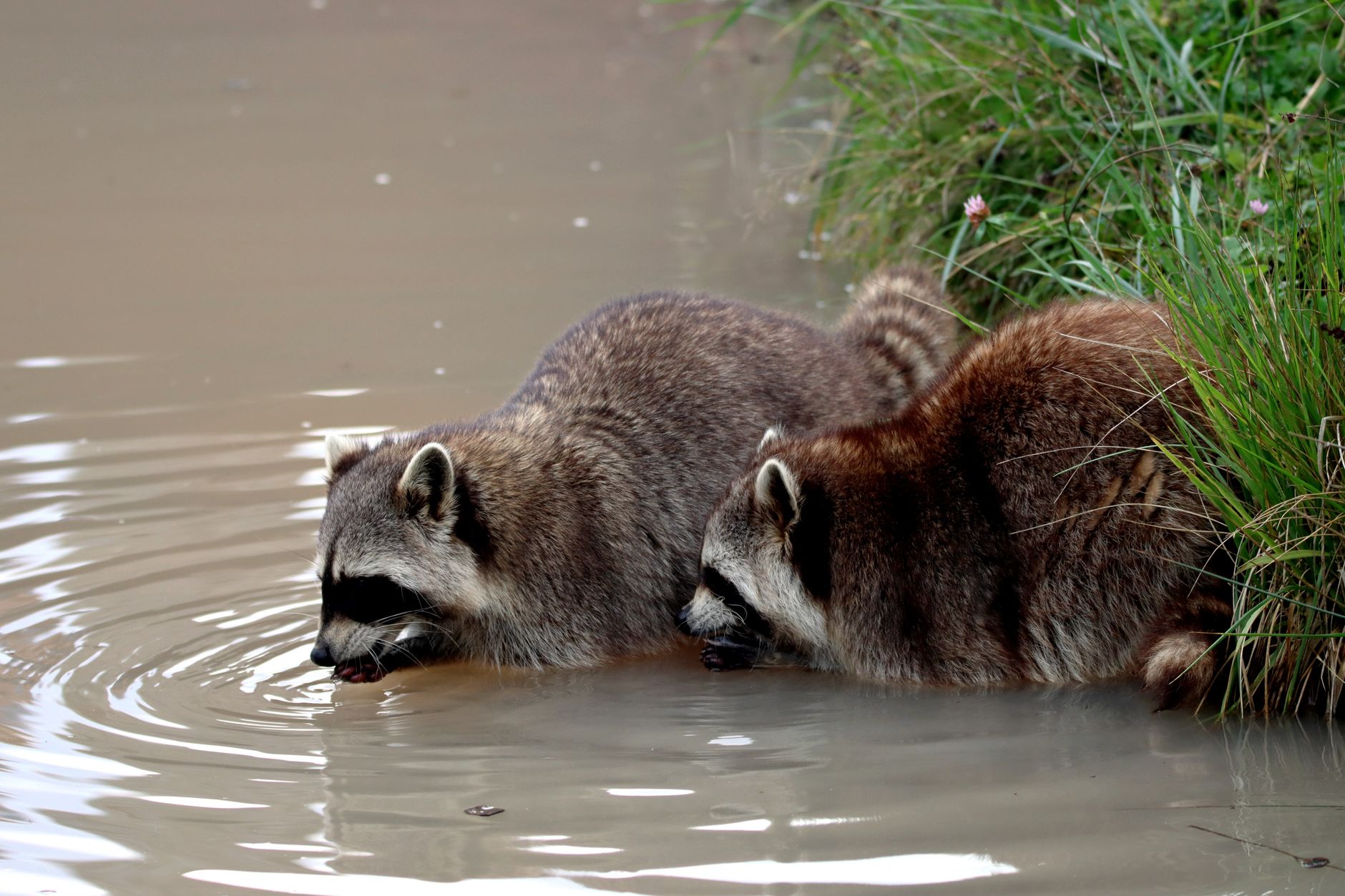
Raccoons belong to the Procyonidae family, which also includes animals like coatis, kinkajous, and ringtails. This family diverged from other carnivores millions of years ago, establishing its own distinct evolutionary path. Procyonidae are characterized by their distinctive facial masks, dexterous paws, and often omnivorous diets. Therefore, the answer to Are raccoons related to cats or dogs? is definitively neither; they are in their own branch.
The Shared Ancestry: A Deep Dive
While raccoons aren’t closely related to cats or dogs, they do share a common ancestor within the Carnivora order. This ancestral carnivore existed tens of millions of years ago. Over time, different lineages evolved, giving rise to the diverse array of carnivores we see today. This shared ancestry means that raccoons, cats, and dogs are distantly related, much like how humans and monkeys share a common primate ancestor.
Comparing Anatomical Features
A comparison of anatomical features further highlights the differences between raccoons, cats, and dogs.
| Feature | Raccoon (Procyonidae) | Cat (Felidae) | Dog (Canidae) |
|---|---|---|---|
| Claws | Non-retractable | Retractable | Non-retractable |
| Snout Shape | Moderately long | Short | Variable |
| Dentition | Adapted for omnivory | Adapted for carnivory | Adapted for carnivory |
| Tail | Ringed | Variable | Variable |
| Digit Dexterity | High | Moderate | Low |
This table showcases the unique characteristics of each family, reinforcing the distinction between them. It becomes even clearer that Are raccoons related to cats or dogs? is a question that has a very clear answer once you look at the science.
Behavioral Differences: A Tale of Three Families
Behaviorally, raccoons, cats, and dogs also exhibit distinct patterns. Raccoons are known for their intelligence, problem-solving abilities, and adaptability to urban environments. Cats are typically solitary hunters with strong instincts for stealth and agility. Dogs, in contrast, are social animals with a pack mentality and a strong inclination for companionship. These differences further solidify the unique evolutionary trajectories of these families.
Genetic Evidence: The Final Verdict
Genetic analysis provides the most compelling evidence for understanding evolutionary relationships. Studies have confirmed that raccoons are more closely related to other procyonids than to either cats or dogs. These genetic markers act like fingerprints, tracing the lineage of each species back to its origins. So, asking Are raccoons related to cats or dogs? can be directly answered by the genome sequence.
Conclusion: Embracing the Diversity of Carnivores
In conclusion, while raccoons, cats, and dogs all belong to the Carnivora order, they represent distinct families with their own unique evolutionary histories. Raccoons are procyonids, cats are felids, and dogs are canids. Their shared ancestry is distant, and their anatomical, behavioral, and genetic characteristics reflect their independent paths. Understanding these relationships helps us appreciate the incredible diversity within the animal kingdom.
Frequently Asked Questions (FAQs)
Are raccoons dangerous to humans?
While typically not aggressive, raccoons can be dangerous if they feel threatened or are protecting their young. It’s best to avoid direct contact and to keep a safe distance. Furthermore, raccoons can carry diseases, such as rabies, that are transmissible to humans. Caution and respect for their wild nature are crucial.
What do raccoons eat?
Raccoons are omnivores, meaning they eat a wide variety of foods. Their diet includes fruits, nuts, insects, small animals, and even garbage. Their adaptability allows them to thrive in diverse environments, from forests to urban areas.
Are raccoons nocturnal?
Yes, raccoons are primarily nocturnal, meaning they are most active at night. During the day, they typically sleep in dens, tree hollows, or other sheltered locations. This nocturnal behavior helps them avoid predators and compete for resources.
Do raccoons hibernate?
Raccoons do not hibernate in the true sense of the word. Instead, they enter a state of torpor during the coldest parts of winter, reducing their activity and relying on stored fat reserves. They may remain inactive for extended periods, but they don’t experience the same deep sleep as true hibernators.
Are raccoons intelligent animals?
Yes, raccoons are known for their intelligence and problem-solving abilities. They have been observed performing complex tasks in captivity and adapting quickly to new environments. Their dexterity and curiosity contribute to their ability to learn and thrive.
Can raccoons be domesticated?
While it may be tempting to keep a raccoon as a pet, it’s generally not recommended. Raccoons are wild animals with complex needs that are difficult to meet in a domestic setting. Furthermore, owning a raccoon may be illegal in some areas. Respect for their wild nature is essential.
What is a raccoon’s lifespan?
In the wild, raccoons typically live for 2 to 5 years. In captivity, they can live much longer, sometimes reaching 10 to 15 years. This difference is due to factors such as predation, disease, and access to food.
How do raccoons use their paws?
Raccoons are renowned for their dexterous paws, which they use to manipulate objects, find food, and climb. They have sensitive nerve endings in their paws that allow them to “see” with their touch. Their ability to manipulate has made them highly adaptable.
What diseases can raccoons carry?
Raccoons can carry several diseases that are transmissible to humans and pets, including rabies, raccoon roundworm, and leptospirosis. It’s important to avoid contact with raccoons and to take precautions to prevent the spread of these diseases.
How can I keep raccoons away from my property?
To deter raccoons from your property, secure garbage cans, remove food sources, and seal off potential entry points to your home. You can also use motion-activated lights or sprinklers to scare them away. Preventative measures are crucial for coexistence.
What is the role of raccoons in the ecosystem?
Raccoons play an important role in the ecosystem as seed dispersers and predators of insects and small animals. They help to maintain ecological balance by controlling populations of other species. Their presence can affect the biodiversity of their habitat.
What should I do if I find an injured raccoon?
If you find an injured raccoon, do not approach it yourself. Contact your local animal control or wildlife rehabilitation center for assistance. Trained professionals can safely capture and care for the animal.