
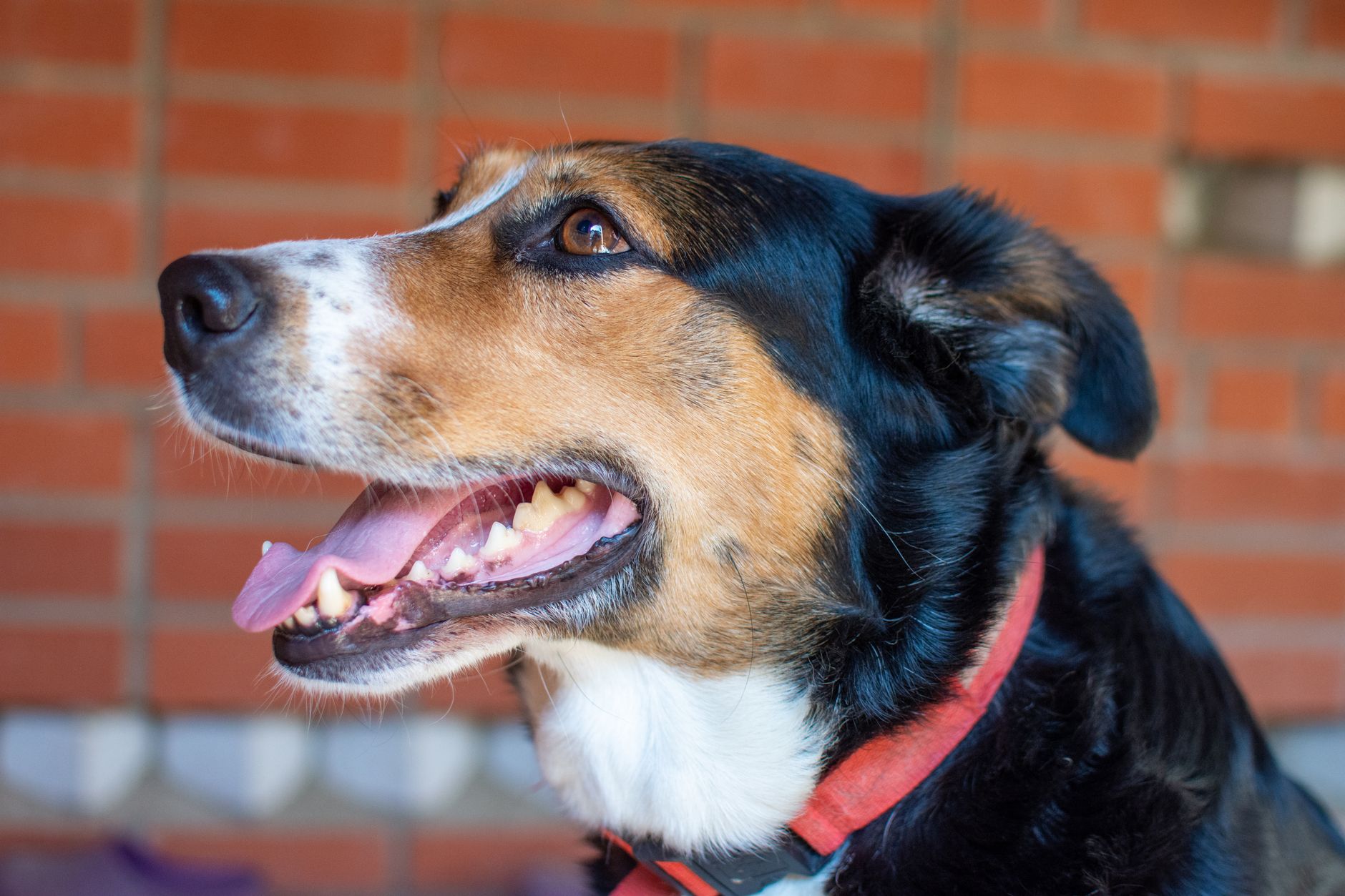
How Long Will My Dog Be Sick After Teeth Cleaning?
The recovery period after a professional dental cleaning for your dog is typically short. Most dogs bounce back within 24-48 hours, but this can vary depending on factors like anesthesia sensitivity and the extent of dental work performed.

Understanding Canine Dental Health and Hygiene
Maintaining good oral hygiene is crucial for your dog’s overall health and well-being. Neglecting dental care can lead to periodontal disease, a painful condition that can affect your dog’s heart, liver, and kidneys. Regular dental cleanings, performed by a veterinarian, are a key component of preventative care. These cleanings, often called prophylactic dental cleanings or prophys, remove plaque and tartar buildup, preventing infection and protecting your dog’s health.
The Benefits of Professional Teeth Cleaning
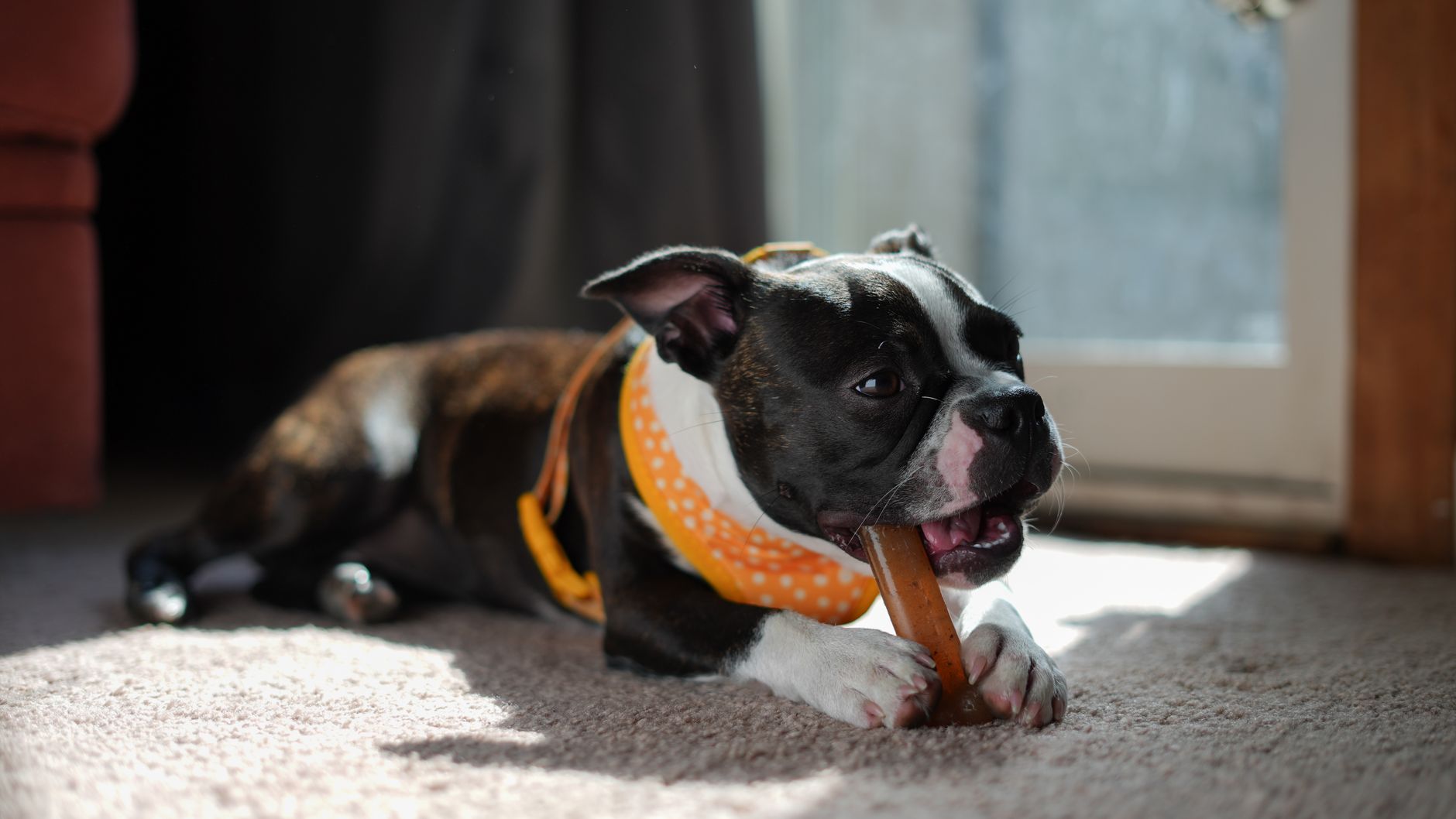
Professional teeth cleanings offer numerous benefits for your canine companion:
- Removal of Plaque and Tartar: Prevents the progression of periodontal disease.
- Fresher Breath: Eliminates the bacteria that cause bad breath.
- Improved Appetite: Painful dental conditions can make it difficult for your dog to eat. Cleaning allows for comfortable chewing.
- Prevention of Systemic Disease: Reduces the risk of bacteria entering the bloodstream and affecting vital organs.
- Early Detection of Dental Issues: Allows your veterinarian to identify and address potential problems before they become severe.
The Teeth Cleaning Process: What to Expect
A professional teeth cleaning for your dog involves several steps:
- Pre-Anesthetic Examination and Bloodwork: Your veterinarian will perform a physical examination and bloodwork to ensure your dog is healthy enough to undergo anesthesia.
- Anesthesia: Anesthesia is essential for a thorough and safe cleaning. It allows the veterinarian to perform a complete oral examination and clean below the gumline without causing your dog any discomfort.
- Scaling and Polishing: The veterinarian or a trained veterinary technician will use specialized instruments to remove plaque and tartar from your dog’s teeth, both above and below the gum line.
- Oral Examination: A thorough examination of your dog’s mouth, including the teeth, gums, and tongue, is performed to identify any abnormalities such as cavities, tumors, or infections.
- Possible Extractions or Further Treatment: If any dental problems are identified, such as severely damaged teeth, extractions or other necessary treatments may be performed while your dog is still under anesthesia.
- Fluoride Treatment (Optional): A fluoride treatment may be applied to strengthen enamel and prevent future tartar buildup.
- Recovery: Your dog will be closely monitored during recovery from anesthesia.
Factors Affecting Recovery Time
Several factors can influence how long will my dog be sick after teeth cleaning?:
- Type of Anesthesia Used: Different anesthetics have varying durations and side effects.
- Age and Overall Health: Older dogs or those with underlying health conditions may take longer to recover.
- Extent of the Dental Work: If extractions or other extensive procedures were performed, the recovery period may be longer.
- Pain Management: Adequate pain relief is crucial for a comfortable recovery. Your veterinarian may prescribe pain medication to manage any discomfort.
- Individual Dog: Every dog responds differently to anesthesia and dental procedures.
Common Signs of Post-Cleaning Discomfort
While most dogs recover quickly, it’s important to be aware of potential signs of discomfort:
- Lethargy or Sleepiness: This is a common side effect of anesthesia.
- Reduced Appetite: Your dog may be less interested in food for the first 24 hours.
- Drooling: Excessive drooling can occur due to anesthesia or mouth sensitivity.
- Pawing at the Mouth: This may indicate discomfort or irritation.
- Mild Bleeding from the Gums: This is normal, especially if extractions were performed.
- Difficulty Chewing: Soft food is recommended for the first few days.
What to Do After Your Dog’s Teeth Cleaning
Follow these guidelines to ensure a smooth recovery for your dog:
- Provide a Quiet and Comfortable Resting Place: Allow your dog to rest in a calm and comfortable environment.
- Offer Soft Food: Feed your dog soft food for a few days to avoid irritating their gums.
- Monitor for Complications: Watch for any signs of excessive bleeding, swelling, or pain.
- Administer Pain Medication as Prescribed: Follow your veterinarian’s instructions carefully.
- Follow Up with Your Veterinarian: Schedule a follow-up appointment to ensure proper healing.
- Begin or Continue Home Dental Care: Brush your dog’s teeth regularly and provide dental chews to maintain good oral hygiene.
Common Mistakes to Avoid
- Giving Hard Treats or Toys Too Soon: Avoid giving your dog hard treats or toys until their gums have fully healed.
- Neglecting Pain Management: Don’t hesitate to administer pain medication as prescribed by your veterinarian.
- Ignoring Signs of Complications: Contact your veterinarian immediately if you notice any concerning symptoms.
- Delaying Home Dental Care: Begin or continue home dental care as soon as your dog is comfortable.
Maintaining Long-Term Dental Health
Professional teeth cleanings are essential, but regular home dental care is equally important. Brushing your dog’s teeth daily, using dental chews, and providing a balanced diet can help prevent plaque and tartar buildup and maintain good oral hygiene.

Frequently Asked Questions (FAQs)
How long will my dog be sleepy after teeth cleaning?
Most dogs will experience some drowsiness for up to 24 hours after undergoing anesthesia for a dental cleaning. This is a normal side effect of the anesthetic drugs used. Ensure your dog has a quiet, comfortable place to rest, and monitor them closely. If lethargy persists beyond 24 hours, contact your veterinarian.
When can my dog eat regular food after teeth cleaning?
Your veterinarian will likely recommend feeding your dog a soft diet for the first few days after the cleaning. This minimizes irritation to the gums. After that, you can gradually reintroduce their regular kibble if they are comfortable and chewing normally. Watch for signs of discomfort, such as hesitation to eat or pawing at the mouth.
Can my dog drink water after teeth cleaning?
Yes, your dog can drink water after teeth cleaning. Offer small amounts of water frequently to prevent nausea. Monitor their intake, and contact your vet if they are excessively thirsty or unable to keep water down. Always ensure fresh water is available.
What if my dog won’t eat after teeth cleaning?
A reduced appetite is common after anesthesia and dental work. Offer soft, palatable food, such as canned dog food or boiled chicken and rice. If your dog hasn’t eaten anything after 24 hours, contact your veterinarian.
Is some bleeding normal after teeth cleaning?
Mild bleeding from the gums is normal, especially if extractions were performed. However, excessive bleeding is not normal. If you notice continuous bleeding or large amounts of blood, contact your veterinarian immediately.
How can I tell if my dog is in pain after teeth cleaning?
Signs of pain can include lethargy, reduced appetite, drooling, pawing at the mouth, whining, or restlessness. If your dog exhibits these signs, administer pain medication as prescribed by your veterinarian. If the pain persists despite medication, contact your vet.
Can I brush my dog’s teeth immediately after cleaning?
It’s best to wait a few days before resuming brushing to allow the gums to heal. Once the gums are less sensitive, you can gently reintroduce brushing. Use a soft-bristled toothbrush and dog-specific toothpaste.
What are the risks of not getting my dog’s teeth cleaned?
Neglecting dental care can lead to periodontal disease, which can cause pain, tooth loss, and systemic infections affecting the heart, liver, and kidneys. Regular cleanings are vital for preventing these serious health problems. Untreated dental issues can significantly shorten your dog’s lifespan.
How often should my dog get their teeth cleaned?
The frequency of professional teeth cleanings depends on several factors, including your dog’s breed, age, diet, and home dental care routine. Most dogs benefit from annual cleanings, but some may require more frequent care. Consult with your veterinarian to determine the best schedule for your dog.
Are there alternatives to anesthesia for teeth cleaning?
Anesthesia-free teeth cleaning is sometimes offered, but it is generally not recommended by veterinary dentists. These procedures only remove plaque and tartar above the gumline, leaving the more harmful bacteria below the gumline untouched. Anesthesia is necessary for a thorough and safe cleaning.
How much does a dog’s teeth cleaning cost?
The cost of a professional teeth cleaning varies depending on the location, the extent of the dental work required, and the anesthesia used. Expect to pay anywhere from $300 to $800 or more.
How long will my dog be sick after teeth cleaning if they had extractions?
If your dog had teeth extracted during the cleaning, the recovery period may be slightly longer. The discomfort may last for 3-5 days, and a soft diet is particularly important during this time. Be sure to administer pain medication as prescribed and monitor for any signs of complications.