
Will Robins Use Nest Boxes? Expanding Their Housing Options
No, American Robins generally will not use traditional, enclosed nest boxes. Their preference for open-cup nests and specific nesting locations means that specialized platforms are far more likely to attract them to your garden.

Understanding Robin Nesting Preferences
The American Robin (Turdus migratorius) is a familiar sight across North America, known for its cheerful song and its role in suburban and rural ecosystems. However, attracting them to nest in your yard requires an understanding of their specific nesting preferences. Unlike many other bird species, robins rarely use enclosed nest boxes.

Is distilled water good for goldfish?
What colours are fish most attracted to?
Can you put your finger in a trout's mouth?
Is methylene blue anti bacterial?
Why Traditional Nest Boxes Fail for Robins
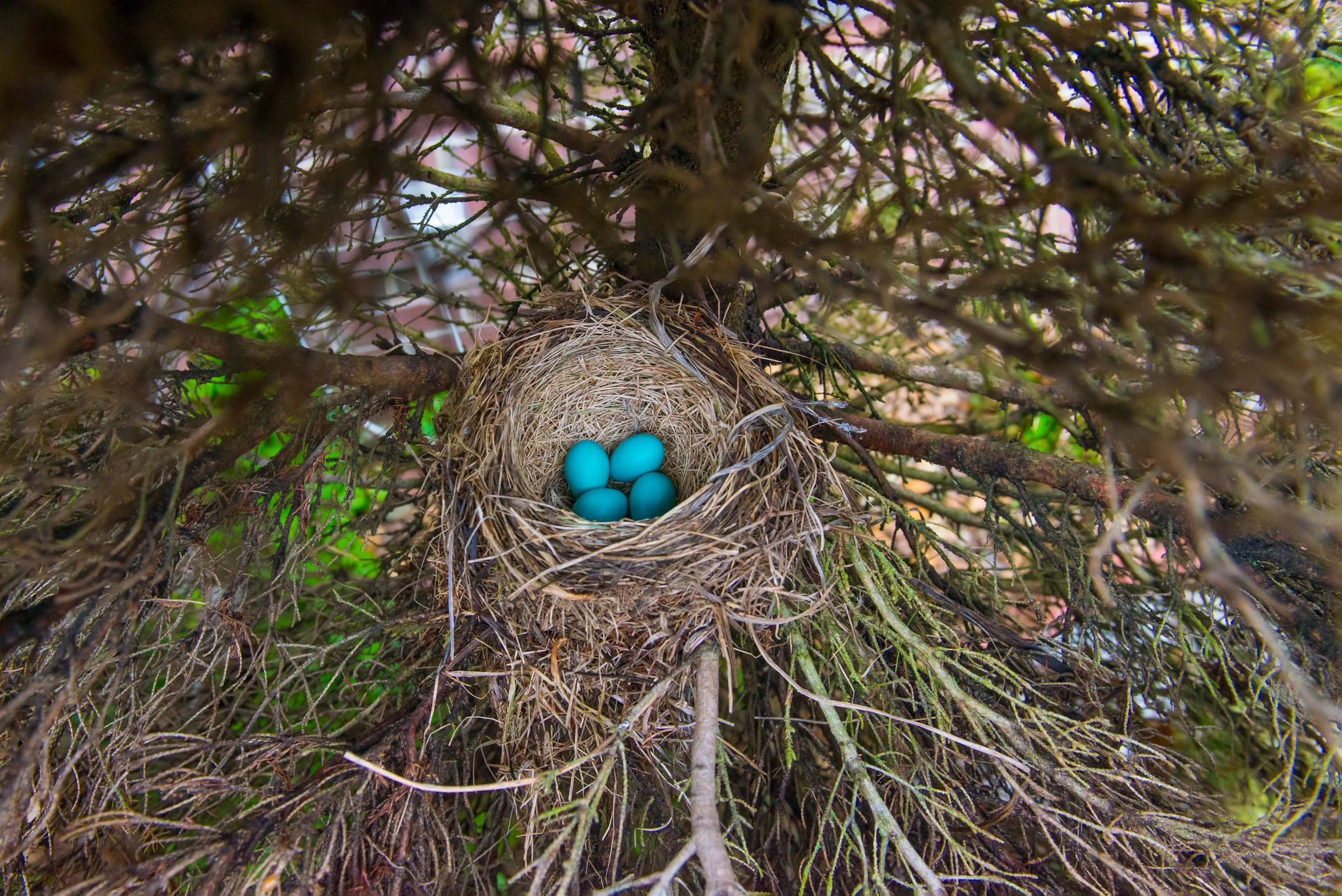
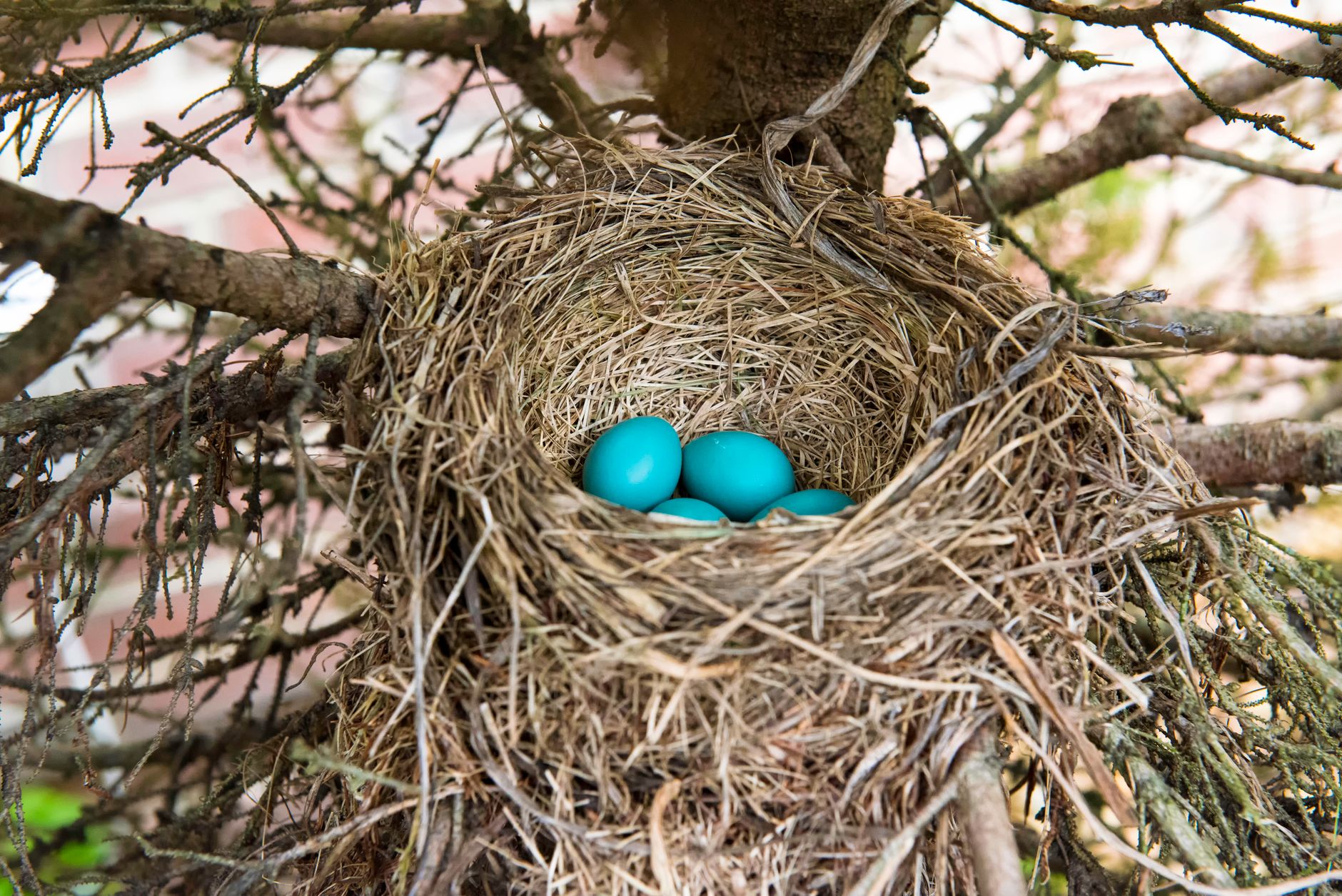
Robins are open-cup nesters. This means they prefer to build their nests in structures that offer a solid base but are open to the sky. Traditional nest boxes, designed for cavity-nesting birds like bluebirds or wrens, are completely enclosed, making them unsuitable for robins. These boxes are generally too small, too dark, and lack the open access that robins instinctively seek.
The Robin Nesting Platform: A Better Solution
Instead of enclosed nest boxes, robins are much more likely to use nesting platforms. These platforms provide a flat, sturdy surface where they can build their nests. These platforms are usually open on all sides, replicating the natural settings where robins typically nest.
Benefits of Providing Robin Nesting Platforms
Offering nesting platforms can be beneficial for both you and the robins. Here are some key advantages:
- Increased Nesting Success: Providing a safe and stable platform can improve the chances of a successful nesting season for robins.
- Enjoyable Observation: Nesting platforms placed in suitable locations allow you to observe the fascinating nesting behavior of robins up close.
- Control of Nesting Location: By providing a dedicated platform, you can encourage robins to nest in a location that is convenient for you and safe from predators.
- Promote Local Biodiversity: Supporting robin populations contributes to the overall health and biodiversity of your local ecosystem.
Constructing or Purchasing a Robin Nesting Platform
Building or purchasing a robin nesting platform is a straightforward process.
- Materials: Use untreated wood, such as cedar or pine, that will withstand the elements. Avoid pressure-treated lumber, as it can be harmful to birds.
- Size: The platform should be approximately 6-8 inches square.
- Drainage: Drill drainage holes in the bottom to prevent water from accumulating.
- Attachment: Attach the platform securely to a tree, wall, or post, using screws or nails.
Choosing the Right Location
The location of the nesting platform is crucial for attracting robins. Consider the following factors:
- Height: Place the platform 6-15 feet above the ground.
- Shelter: Choose a location that offers some shelter from the sun and rain.
- Protection: Select a spot that is protected from predators such as cats and raccoons.
- Open Flight Path: Ensure that robins have a clear flight path to and from the platform.
Common Mistakes to Avoid
- Using Enclosed Nest Boxes: As mentioned earlier, robins rarely use enclosed nest boxes.
- Placing the Platform in Direct Sunlight: This can overheat the nest and harm the chicks.
- Neglecting Predator Protection: Failing to protect the platform from predators can lead to nest failure.
- Disturbing the Nest: Avoid disturbing the nest after it has been built.
Attracting Robins to Your Yard
Beyond providing a suitable nesting platform, there are other things you can do to attract robins to your yard:
- Provide a Water Source: Robins need water for drinking and bathing. A birdbath or shallow dish of water can be a welcome addition.
- Plant Native Trees and Shrubs: Native plants provide food and shelter for robins and other wildlife.
- Avoid Using Pesticides: Pesticides can harm robins and other birds.
- Leave Mud Puddles: Robins use mud to build their nests. Leaving a mud puddle in your yard can encourage them to nest nearby.
Monitoring and Maintenance
- Observe from a Distance: Monitor the nesting platform from a distance to avoid disturbing the birds.
- Clean the Platform Annually: After the nesting season, clean the platform to remove old nests and debris.
- Repair as Needed: Check the platform regularly for damage and make any necessary repairs.
By understanding the specific nesting preferences of robins and providing a suitable nesting platform, you can increase the chances of attracting these beautiful birds to your yard and enjoy the rewards of watching them raise their young. The question “Will robins use nest boxes?” can thus be answered with the important caveat of knowing what sort of nest box is being discussed. A platform-style nest is a significantly better choice than a standard enclosed box.
Frequently Asked Questions
Will Robins Use Nest Boxes?
As highlighted previously, American Robins typically will not use standard enclosed nest boxes. They prefer the open structure of nesting platforms, which mimic their natural nesting habitats. A platform that offers support without enclosure is far more likely to attract a robin.
What Size Should a Robin Nesting Platform Be?
A robin nesting platform should be approximately 6-8 inches square. This size provides ample space for robins to build their large, cup-shaped nests. Smaller platforms might not offer enough stability, while larger ones are unnecessary.
Where is the Best Place to Put a Robin Nesting Platform?
The best location for a robin nesting platform is 6-15 feet above the ground in a sheltered spot. Choose a location that offers some protection from the sun and rain and is protected from predators. An open flight path is also important.
What Materials Should I Use to Build a Robin Nesting Platform?
Use untreated wood, such as cedar or pine, to build a robin nesting platform. Avoid pressure-treated lumber, as it can be harmful to birds. Ensure the wood is durable enough to withstand the elements.
How Do I Protect a Robin Nesting Platform from Predators?
Protecting a robin nesting platform from predators is crucial for nesting success. Consider using a predator guard, such as a baffle, to prevent cats, raccoons, and other animals from reaching the nest. Regular monitoring is also important.
When is the Best Time to Put Up a Robin Nesting Platform?
The best time to put up a robin nesting platform is in early spring, before the nesting season begins. This gives robins time to discover the platform and consider it as a nesting site. Aim for late winter or early spring.
Do Robins Build Their Own Nests on Nesting Platforms?
Yes, robins will build their own nests on nesting platforms. They typically use mud, grass, twigs, and other materials to construct a sturdy, cup-shaped nest. You don’t need to provide nesting material, but leaving some nearby can be helpful.
How Can I Encourage Robins to Use My Nesting Platform?
Encourage robins to use your nesting platform by providing a water source, planting native trees and shrubs, and avoiding the use of pesticides. These measures create a welcoming habitat for robins and increase the chances that they will nest in your yard. Maintaining a natural environment is key.
How Long Does it Take for Robins to Build a Nest?
It typically takes robins several days to a week to build a nest. The exact time can vary depending on the availability of materials and the weather conditions. Weather plays a significant role.
How Many Broods Do Robins Have in a Year?
Robins typically have two to three broods per year. They may reuse the same nest for multiple broods or build a new nest each time. Climate and food availability affect brooding cycles.
What Do Robins Eat?
Robins eat a variety of foods, including insects, earthworms, berries, and fruits. They often forage on lawns and in gardens for food. Providing a variety of food sources will attract robins to your yard.
Will American Robins Abandon a Nest If I Get Too Close?
While robins are relatively tolerant of human presence, it is best to observe nests from a distance to avoid disturbing the birds. Excessive disturbance can cause robins to abandon their nest. Respect their space for successful nesting.