
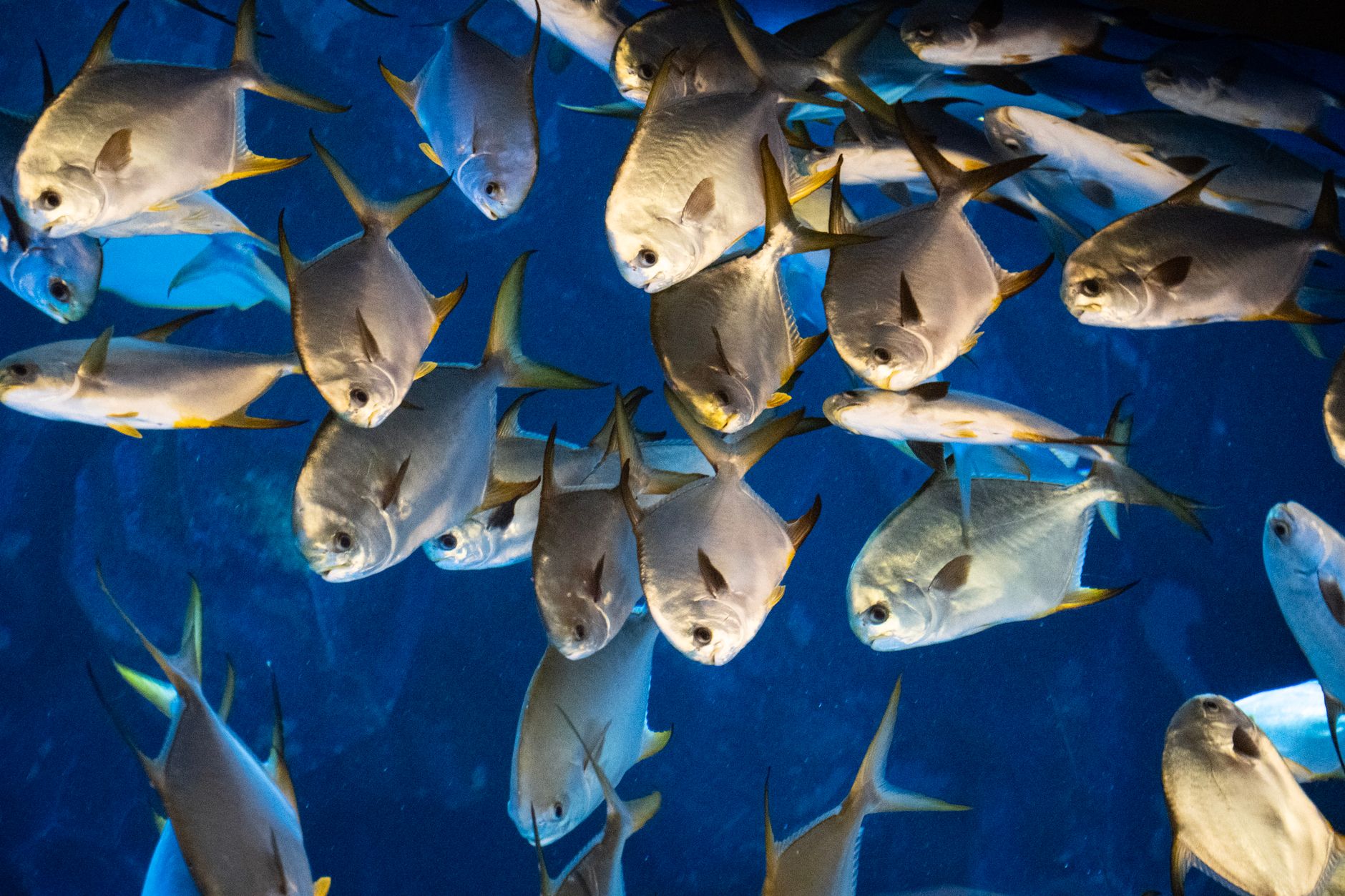
Is the Bonefish the Fastest Fish? Unpacking the Speed Myth
The bonefish, while incredibly quick and agile, is not generally considered the fastest fish in the ocean, though its bursts of speed are impressive in its natural habitat.

Introduction to Bonefish Speed
The allure of the bonefish, Albula vulpes, extends beyond its culinary appeal. It’s a prize for fly fishermen, largely due to its elusiveness and remarkable bursts of speed. These silvery phantoms haunt shallow flats, particularly in tropical and subtropical waters. But are they truly the fastest fish in the ocean, or is this a myth perpetuated by anglers challenged by their quick escapes? Understanding the nuances of fish locomotion and habitat provides a clearer picture.

Are fish heads good for the garden?
Can fish hear water?
What is cotton rot in fish?
What colours are fish most attracted to?
Bonefish Biology and Habitat

Bonefish thrive in shallow, warm waters, often less than a few feet deep. Their habitat includes:
- Tropical and subtropical coastal regions
- Shallow flats
- Mangrove estuaries
- Sandy or muddy bottoms
Their bodies are streamlined and torpedo-shaped, perfectly adapted for navigating these shallow environments. This morphology, coupled with a powerful tail, enables them to achieve impressive acceleration.
Measuring Fish Speed: Challenges
Determining the absolute fastest fish is fraught with challenges. Fish speed varies significantly based on:
- Species
- Size
- Age
- Water temperature
- Method of measurement (burst speed vs. sustained speed)
Furthermore, data collection in the wild is notoriously difficult. While laboratory studies provide controlled environments, they often fail to replicate the complexities of natural habitats.
Contenders for the Title of “Fastest Fish”
Several fish species are known for their exceptional speed, often exceeding that of the bonefish. These contenders for the title of the fastest fish include:
- Sailfish (Istiophorus platypterus): Often cited as the fastest fish, with speeds exceeding 68 mph.
- Swordfish (Xiphias gladius): Capable of reaching speeds around 60 mph.
- Marlin (Makaira spp. and Kajikia spp.): Similar to sailfish and swordfish, reaching impressive speeds.
- Wahoo (Acanthocybium solandri): Another contender known for its speed.
These pelagic predators are built for high-speed pursuits in open water, a stark contrast to the bonefish’s shallow-water existence.
Bonefish Speed in Context
While not the absolute fastest, the bonefish is exceptionally quick and agile in its specific environment. Its burst speed is estimated to be around 40 mph, sufficient to evade predators like barracuda and sharks in the shallow flats. The bonefish’s speed is not about sustained high velocity, but about rapid acceleration and maneuverability.
The Angler’s Perspective: Why Bonefish Seem So Fast
For anglers, the bonefish feels incredibly fast for several reasons:
- Shallow Water: In shallow water, even moderate speed feels amplified.
- Sudden Bursts: Bonefish accelerate rapidly, creating a feeling of extreme speed.
- Elusiveness: Their ability to quickly change direction and disappear makes them challenging to catch.
- High Stakes: The excitement of sight fishing and the pressure of landing a prized fish can heighten the perception of speed.
Bonefish Conservation
While not directly related to its speed, the bonefish faces several conservation challenges:
- Habitat Loss: Coastal development and habitat degradation threaten their shallow-water environments.
- Pollution: Runoff from land-based sources can negatively impact water quality.
- Overfishing: Although primarily a catch-and-release species, overfishing can still occur in some areas.
Conserving bonefish populations is crucial for maintaining healthy coastal ecosystems and preserving this iconic sport fish.
Frequently Asked Questions (FAQs)
What is the average size of a bonefish?
Bonefish typically weigh between 3 and 8 pounds and measure 18 to 30 inches in length. Larger specimens, exceeding 10 pounds, are occasionally caught.
Where are bonefish commonly found?
Bonefish are abundant in the tropical and subtropical waters of the Atlantic, Pacific, and Indian Oceans. Popular destinations for bonefish fishing include the Bahamas, Florida Keys, and Belize.
What do bonefish eat?
Bonefish are bottom feeders, primarily consuming small crustaceans, mollusks, and worms that they find in the sediment.
How do bonefish detect their prey?
Bonefish use their sensitive snouts to probe the bottom and detect prey. They also have excellent eyesight for spotting movement in the water.
Is bonefish fishing challenging?
Yes, bonefish fishing is considered highly challenging due to their skittish nature, keen eyesight, and the difficulty of presenting a fly effectively in shallow water.
What type of gear is used for bonefish fishing?
Fly fishing is the most popular method for catching bonefish. Anglers typically use 7- to 9-weight fly rods with saltwater-resistant reels and specialized bonefish flies.
Are bonefish good to eat?
While bonefish are edible, they are not highly regarded for their flavor. They are bony (hence the name) and have a relatively tough texture. Most anglers practice catch-and-release fishing to conserve the species.
What is the lifespan of a bonefish?
Bonefish can live for over 20 years in the wild. Their lifespan depends on factors such as predation, habitat quality, and fishing pressure.
How fast is the bonefish, exactly?
The bonefish’s top speed is estimated to be around 40 mph (64 km/h). This speed is achieved in short bursts, rather than sustained swimming.
What predators do bonefish have?
Bonefish are preyed upon by a variety of predators, including barracuda, sharks, and birds of prey, such as ospreys and eagles.
Are bonefish populations declining?
In some areas, bonefish populations are facing decline due to habitat loss, pollution, and overfishing. Conservation efforts are crucial for protecting this valuable species.
What can I do to help conserve bonefish?
Supporting responsible fishing practices, advocating for habitat protection, and reducing pollution are all important steps in conserving bonefish populations. Participating in citizen science projects and donating to bonefish conservation organizations are also helpful.