
Cleopatra’s Enchanting Gaze: Unveiling the Secrets of Her Eye Makeup
What did Cleopatra use for her eyes? Cleopatra’s iconic eye makeup primarily consisted of kohl, a dark powder made from ingredients like galena (lead sulfide), malachite (copper carbonate), and other minerals, which provided a striking aesthetic and, surprisingly, had potential health benefits.
The Allure of Cleopatra: More Than Just Beauty
Cleopatra VII Philopator, the last active ruler of the Ptolemaic Kingdom of Egypt, remains a figure of enduring fascination. Her intelligence, political acumen, and legendary beauty have captivated imaginations for millennia. Integral to her image was her distinctive eye makeup, a bold and dramatic statement that was both a symbol of royalty and a practical element of daily life. Understanding what did Cleopatra use for her eyes? requires delving into the ancient Egyptian culture, available resources, and beliefs surrounding beauty and health.
What is the GREY African clawed frog?
Is distilled water good for goldfish?
What colours are fish most attracted to?
Can you put your finger in a trout's mouth?
The Main Ingredient: Kohl
The cornerstone of Cleopatra’s eye makeup was kohl. This dark powder was not a singular substance but rather a blend of various minerals and other components, the precise recipe varying depending on location, availability, and purpose. Common ingredients included:
- Galena (Lead Sulfide): Provided a deep black color.
- Malachite (Copper Carbonate): Created a green hue and may have possessed antibacterial properties.
- Limonite (Iron Oxide): Added a reddish-brown tone.
- Antimony Sulfide: Contributed to the overall darkness and texture.
- Charred Almonds: Used as a binder and for a smoky effect.
- Ochre: Offered a variety of earthy tones.
These ingredients were ground into a fine powder and mixed with a binding agent, such as animal fat or vegetable oil, to create a paste or solid cake that could be easily applied.
Applying the Magic: Tools and Techniques
Applying kohl was a ritual, performed with care and precision. Ancient Egyptians used a variety of tools to achieve their desired look:
- Applicator Sticks: Made from wood, ivory, or metal, these were used to apply the kohl along the lash line and around the eyes.
- Palettes: Stone or ceramic palettes were used to grind and mix the kohl ingredients.
- Jars and Pots: These containers held the prepared kohl.
- Mirrors: Highly polished metal mirrors were essential for precise application.
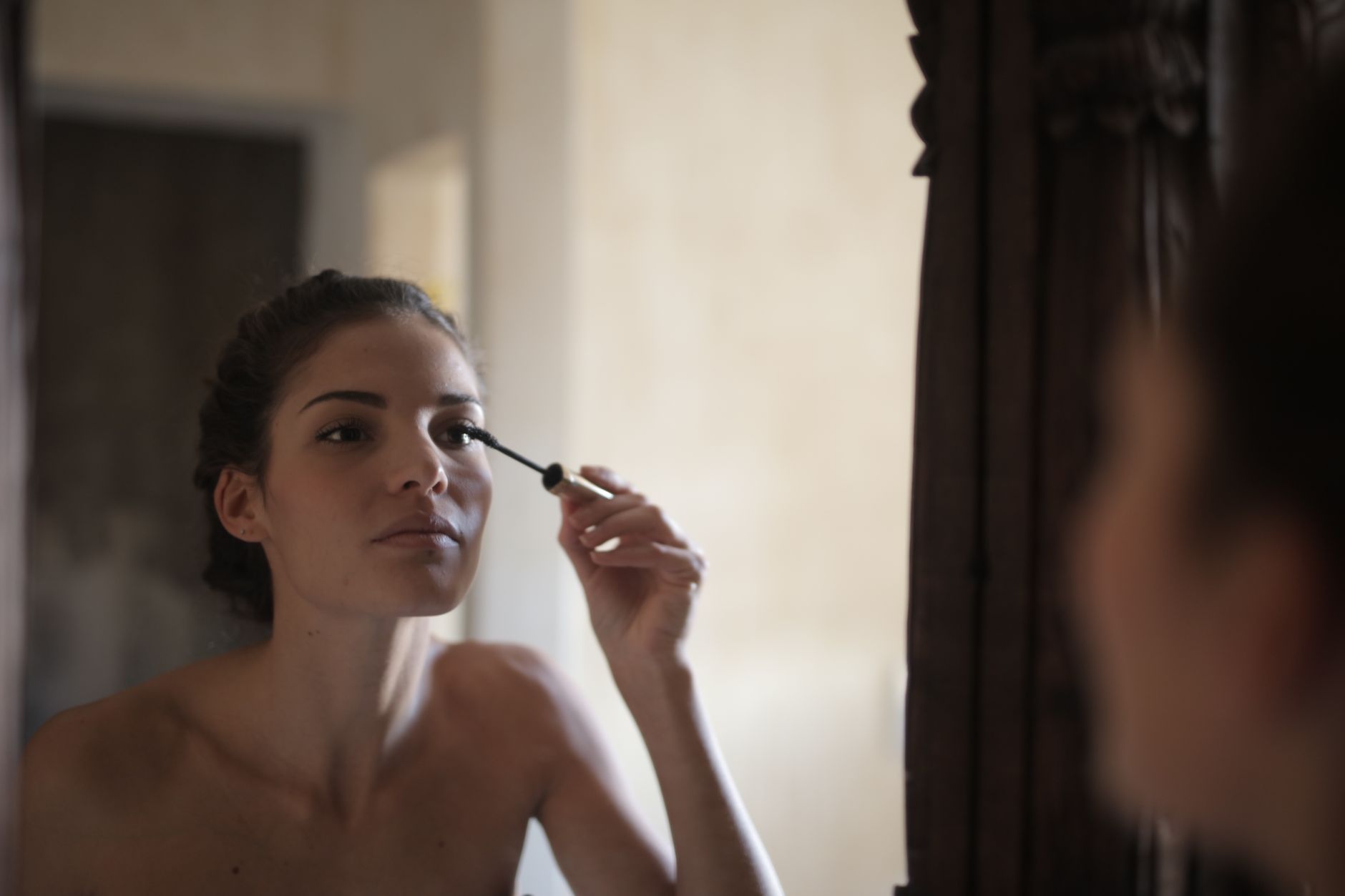
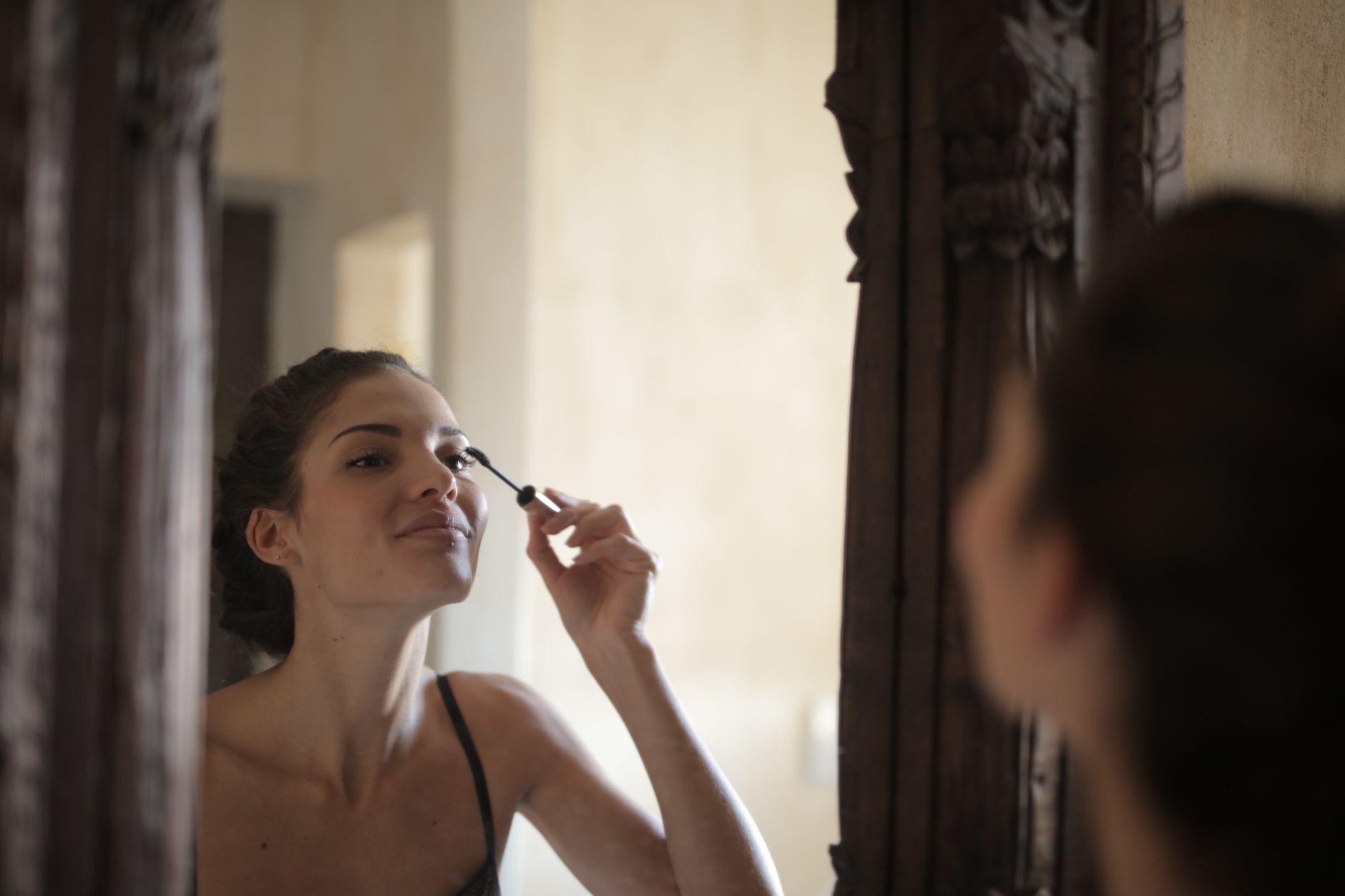
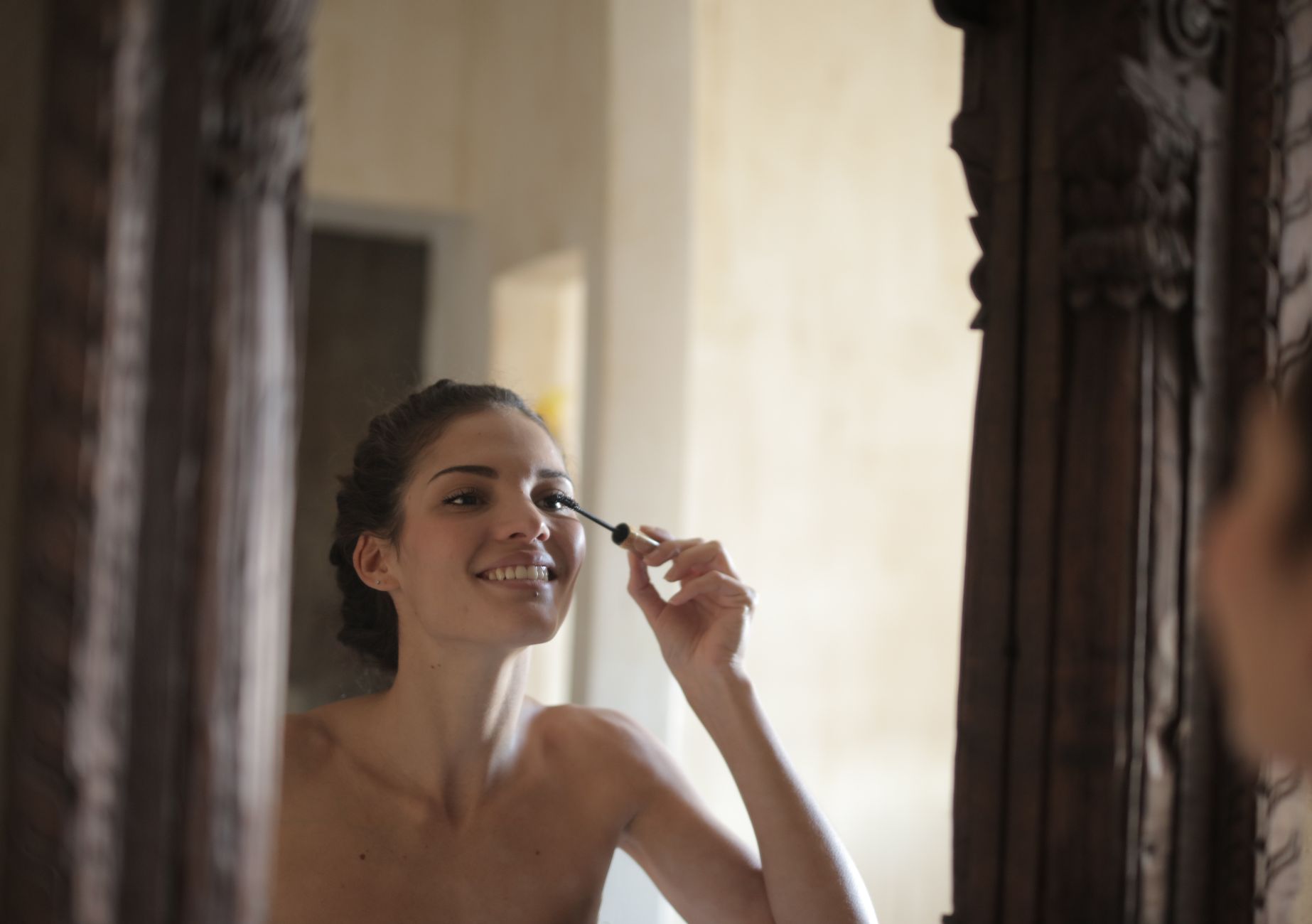
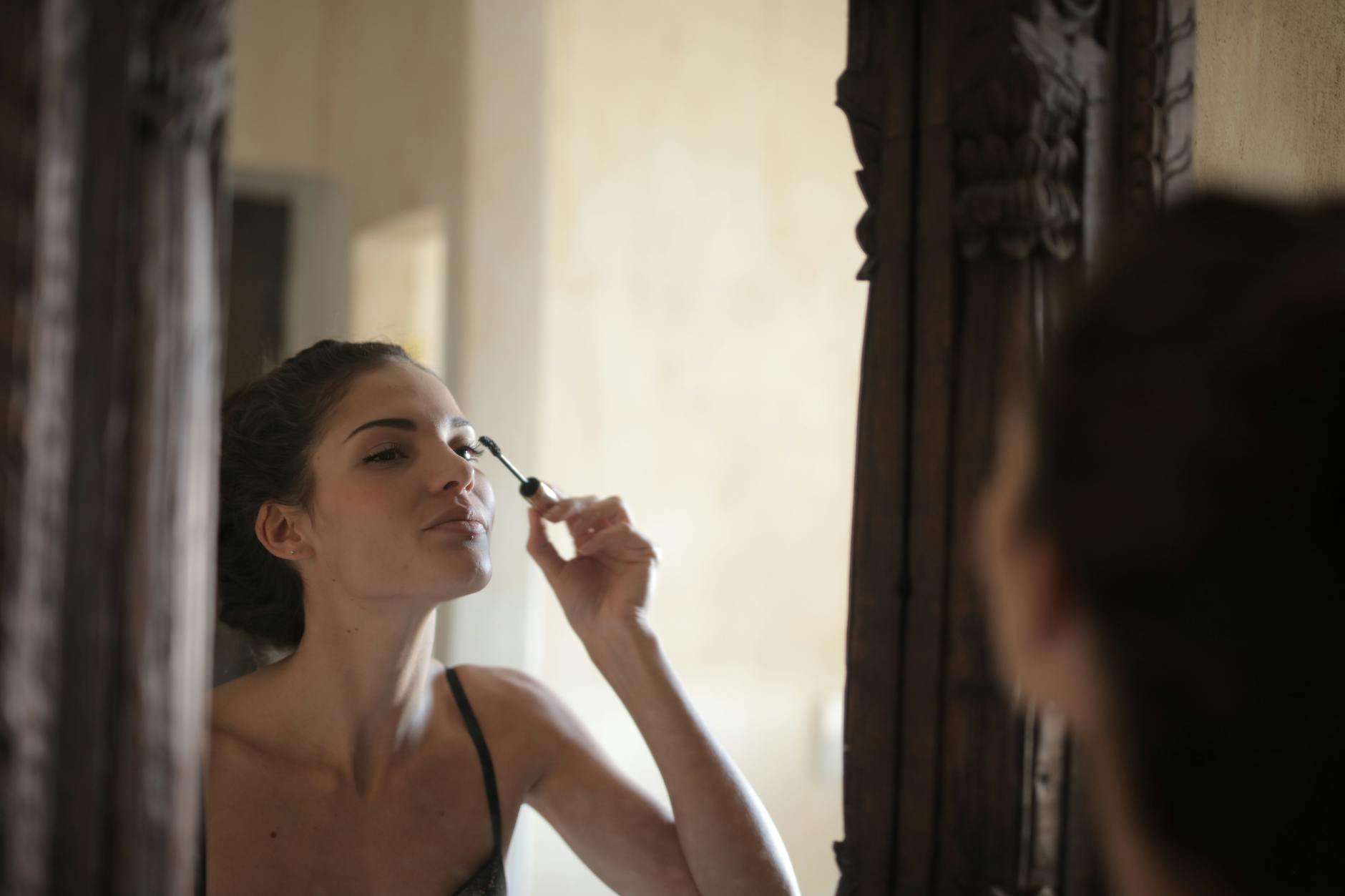
The application technique involved dipping the applicator stick into the kohl and carefully tracing the upper and lower lash lines, extending the lines outwards towards the temples. This created the characteristic elongated eye shape that is so closely associated with Cleopatra.
Benefits Beyond Beauty: Health and Protection
While the aesthetic appeal of kohl is undeniable, it also served practical purposes.
- Protection from the Sun: The dark pigment absorbed sunlight, reducing glare and protecting the eyes from harmful UV rays.
- Insect Repellent: The ingredients in kohl, particularly lead sulfide, acted as a mild insect repellent, helping to keep flies and other pests away from the eyes.
- Antimicrobial Properties: Some components, such as malachite, may have possessed antibacterial properties, helping to prevent eye infections in the hot, dusty environment.
- Symbolic and Ritual Significance: Eye makeup held symbolic and religious significance in ancient Egyptian culture, representing protection and warding off evil spirits.
The Lead Question: Risks and Realities
The presence of lead in kohl has raised concerns about potential health risks. While lead is undeniably toxic, the amount absorbed through the skin from kohl application was likely minimal. Studies on ancient Egyptian remains have found elevated lead levels, but it is difficult to determine the exact contribution of kohl compared to other sources of lead exposure, such as lead-lined pottery and pipes. Additionally, some research suggests that certain forms of lead sulfide, like galena, are poorly absorbed through the skin. However, modern-day kohl products that contain lead are still discouraged.
Beyond Kohl: Other Cosmetic Elements
While kohl was the primary component of Cleopatra’s eye makeup, she likely used other cosmetic elements to enhance her appearance.
- Eye Shadow: Green eyeshadow, derived from malachite, was a popular choice for adding depth and dimension to the eyes.
- Eyelash Enhancements: There is evidence that ancient Egyptians used oils and other substances to darken and lengthen their eyelashes.
Understanding what did Cleopatra use for her eyes? provides valuable insight into not just her beauty regime but also the culture of the time.
Modern Recreations and Inspiration
Cleopatra’s iconic eye makeup continues to inspire artists and makeup enthusiasts today. Modern recreations often utilize safe and non-toxic alternatives to traditional kohl ingredients, such as charcoal powder and natural pigments. Her bold and dramatic style remains a timeless symbol of beauty and power.
The Lasting Legacy of Cleopatra’s Eyes
Cleopatra’s eye makeup was more than just a cosmetic enhancement; it was a statement of power, beauty, and cultural identity. What did Cleopatra use for her eyes? – kohl, and its application, was a complex art form with roots in practicality, symbolism, and the ancient Egyptian way of life. Her iconic look continues to fascinate and inspire, solidifying her place as a legendary figure in history.
Frequently Asked Questions (FAQs) about Cleopatra’s Eye Makeup
What was the primary ingredient in Cleopatra’s kohl?
The primary ingredient in Cleopatra’s kohl was galena (lead sulfide), which provided the deep black color that defined her signature look. Other common ingredients included malachite, limonite, and antimony sulfide.
Did Cleopatra’s eye makeup have any health benefits?
Yes, Cleopatra’s eye makeup likely provided several health benefits. The dark pigment helped protect her eyes from the sun’s glare, and some ingredients, like malachite, may have possessed antimicrobial properties that helped prevent eye infections. It also served as an insect repellent.
How did Cleopatra apply her kohl?
Cleopatra applied her kohl using applicator sticks made from wood, ivory, or metal. She would dip the applicator into the kohl and carefully trace the upper and lower lash lines, extending the lines outwards towards the temples to create her characteristic elongated eye shape.
What colors did Cleopatra use for her eye makeup?
While black (from kohl) was the dominant color, Cleopatra likely also used green eyeshadow made from malachite. Other earthy tones derived from limonite and ochre were also probable additions.
Was lead in Cleopatra’s kohl harmful?
The presence of lead in kohl is a concern, but the extent of harm in Cleopatra’s time is debated. While lead is toxic, the amount absorbed through the skin was likely minimal compared to other sources of lead exposure. Modern kohl products containing lead are, however, strongly discouraged.
Did ancient Egyptian men also wear eye makeup?
Yes, eye makeup was worn by both men and women in ancient Egypt. It served the same purposes for both genders: protection from the sun, insect repellent, and symbolic significance.
What other cosmetics did Cleopatra use besides kohl?
Besides kohl, Cleopatra likely used eyeshadow, derived from malachite for green hues, and possibly oils or other substances to darken and lengthen her eyelashes.
How important was eye makeup in ancient Egyptian culture?
Eye makeup was very important in ancient Egyptian culture. It was a symbol of status, beauty, and religious belief, offering protection and warding off evil spirits.
How did Cleopatra store her kohl?
Cleopatra stored her kohl in jars and pots made from stone, ceramic, or other materials. These containers helped keep the kohl dry and protected from contamination.
Where did Cleopatra source the ingredients for her kohl?
The ingredients for Cleopatra’s kohl were sourced from various locations throughout Egypt and surrounding regions. Minerals like galena and malachite were mined, while other ingredients were gathered from local plants and animals.
Is it safe to recreate Cleopatra’s eye makeup today?
It is safe to recreate Cleopatra’s eye makeup today, but it is essential to use safe and non-toxic alternatives to traditional ingredients like lead sulfide. Modern recreations often use charcoal powder and natural pigments.
What made Cleopatra’s eye makeup so iconic?
Cleopatra’s eye makeup became iconic due to its bold and dramatic style, its association with a powerful and influential queen, and its enduring representation of ancient Egyptian beauty and culture. Her use of kohl was central to this enduring symbol.