

Will 2 Male Cats Use the Same Litter Box?
Generally, yes, two male cats can use the same litter box, but it’s highly recommended to provide multiple litter boxes to minimize stress and territorial issues, ensuring a harmonious multi-cat household.

Understanding Feline Litter Box Dynamics
Many cat owners grapple with the question of how many litter boxes are adequate for their feline family. While the general rule is one litter box per cat plus one extra, the dynamics between male cats can significantly influence whether they will comfortably share a single litter box or require individual spaces. This article will delve into the factors affecting litter box sharing among male cats, providing guidance to ensure a happy and healthy environment for all your feline companions.

Is distilled water good for goldfish?
What colours are fish most attracted to?
Can you put your finger in a trout's mouth?
Is methylene blue anti bacterial?
The Importance of Multiple Litter Boxes
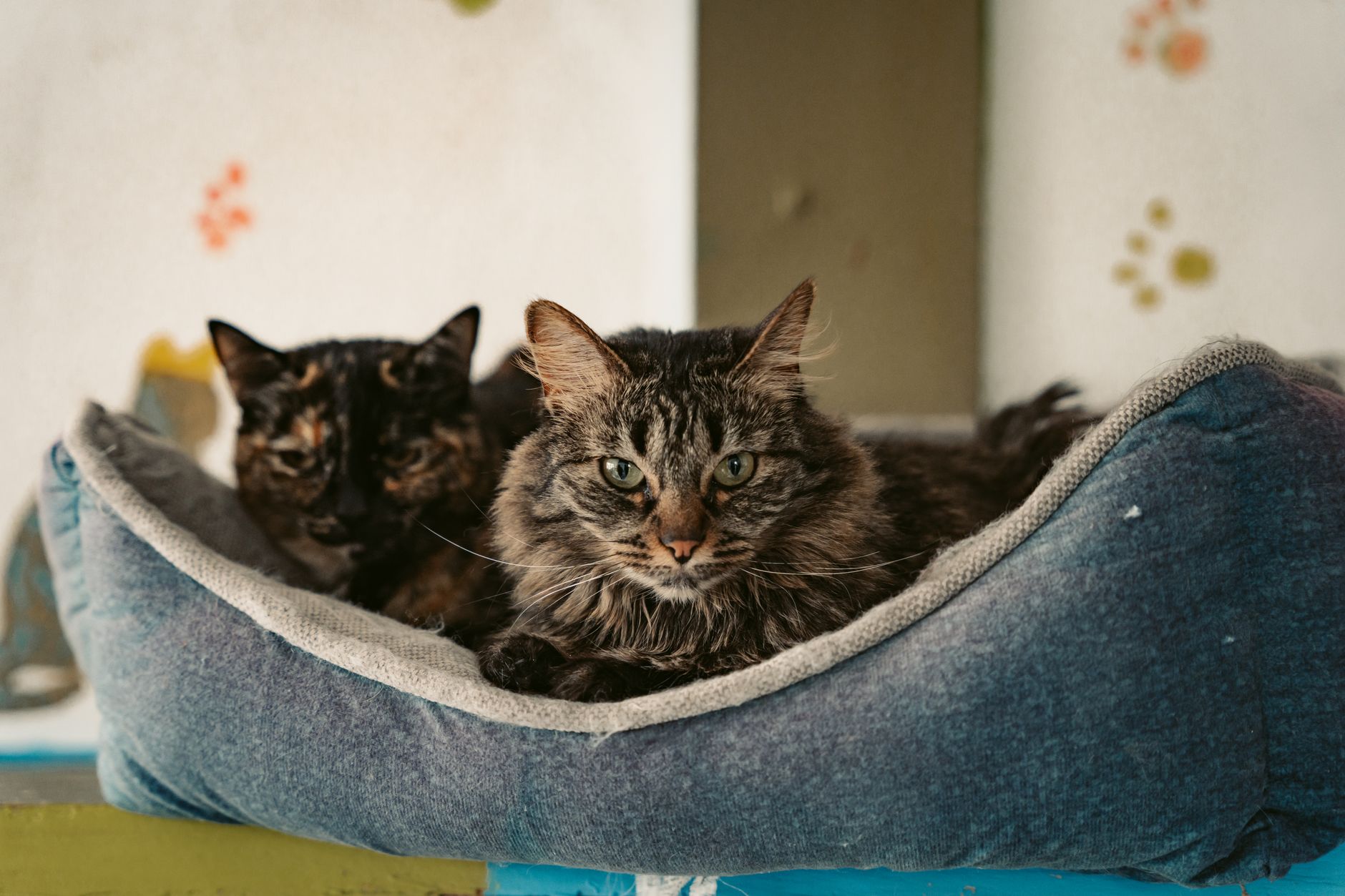
Providing multiple litter boxes isn’t simply a matter of convenience; it’s crucial for minimizing stress and promoting good feline hygiene. Cats are naturally territorial, and sharing a litter box can create anxiety, especially among male cats.
- Reduces Competition: Multiple litter boxes diminish competition for resources.
- Decreases Stress: The availability of multiple options reduces stress related to access.
- Prevents Litter Box Aversion: If one box is soiled, cats have alternative options, reducing the likelihood of them avoiding the litter box altogether.
- Facilitates Territory Marking: Having multiple boxes can allow cats to mark their territory separately.
Factors Influencing Litter Box Sharing Between Male Cats
Several factors influence whether will 2 male cats use the same litter box? successfully. Understanding these elements is essential for creating a stress-free environment.
- Age and Socialization: Cats raised together from kittenhood are more likely to share resources comfortably.
- Personality: Dominant cats might guard the litter box, while submissive cats may avoid it.
- Health: Medical conditions can cause a cat to monopolize the litter box or have accidents outside of it.
- Litter Box Type and Location: The type of litter box (covered vs. uncovered, automatic vs. manual) and its location within the home can significantly impact usage.
Choosing the Right Litter Boxes and Litter
Selecting the appropriate litter box and litter is critical for ensuring your cats use the boxes comfortably and consistently.
- Size Matters: The litter box should be large enough for the cat to turn around and dig comfortably.
- Open vs. Covered: Some cats prefer open litter boxes, while others prefer the privacy of a covered box. Experiment to see what your cats prefer. Open litterboxes are generally recommended as they can help with ventilation and prevent a dominant cat from trapping a submissive one.
- Litter Type: Offer a variety of litter types (clay, clumping, crystal, etc.) to determine your cats’ preferences. Unscented litter is generally preferred, as scented litter can be irritating to some cats.
- Location, Location, Location: Place litter boxes in quiet, easily accessible locations, away from food and water. Avoid high-traffic areas where cats might feel vulnerable.
Managing Territorial Issues Around the Litter Box
Territorial disputes are a common challenge when housing multiple male cats. Here are some strategies to mitigate these issues:
- Separate Resources: Ensure food, water, scratching posts, and beds are placed in separate areas to minimize competition.
- Provide Vertical Space: Cat trees and shelves allow cats to claim their own territory and reduce conflict.
- Pheromone Therapy: Feliway diffusers can help reduce stress and create a more harmonious environment.
- Observe and Intervene: Monitor your cats’ behavior around the litter box and intervene if you notice any signs of aggression or avoidance.
Table: Comparing Litter Box Types
| Litter Box Type | Pros | Cons |
|---|---|---|
| :————— | :———————————————————————————————————————————– | :—————————————————————————————————————————————————— |
| Open | Good ventilation, easy to clean, preferred by many cats. | Less privacy, potential for litter scatter, odor can be more noticeable. |
| Covered | Provides privacy, reduces litter scatter, contains odors. | Can trap odors and moisture, may be intimidating for some cats, requires more frequent cleaning. |
| Automatic | Self-cleaning, convenient, minimizes odor. | Can be noisy, expensive, may frighten some cats, requires regular maintenance. |
| Disposable | Convenient for travel, easy to clean. | Less environmentally friendly, can be expensive in the long run, might not be suitable for larger cats. |
Recognizing Signs of Litter Box Problems
Early detection of litter box problems is crucial for addressing the underlying issue and preventing it from escalating.
- Urinating or defecating outside the litter box: This is a common sign of stress, medical issues, or litter box aversion.
- Straining to urinate or defecate: This could indicate a urinary tract infection or constipation.
- Changes in litter box habits: A sudden increase or decrease in frequency can be a sign of illness or stress.
- Avoiding the litter box: If a cat consistently avoids the litter box, it’s essential to determine the reason and address it promptly.
Frequently Asked Questions
Why is my cat suddenly refusing to use the litter box?
Sudden litter box refusal can be caused by several factors, including medical issues such as urinary tract infections, changes in the litter box environment (new litter, different location), or stress resulting from changes in the household (new pet, moving). Consult with your veterinarian to rule out any medical causes.
How many litter boxes should I have for two male cats?
The general rule of thumb is one litter box per cat plus one extra. Therefore, for two male cats, you should ideally have three litter boxes. This ensures that each cat has access to a clean and private space, reducing the likelihood of territorial disputes.
What type of litter box is best for male cats?
There’s no single “best” type of litter box for male cats, as their preferences can vary. However, open litter boxes are generally recommended because they provide better ventilation and prevent a dominant cat from trapping a submissive cat. Experiment with different types to see what your cats prefer.
Will 2 male cats use the same litter box if they are bonded?
Even if two male cats are bonded, it’s still advisable to provide multiple litter boxes. While bonded cats may be more tolerant of sharing resources, having separate options reduces the risk of stress and territorial issues.
What if my cats start fighting over the litter box?
If your cats are fighting over the litter box, it’s essential to intervene immediately. Separate them, add another litter box, and consider using pheromone therapy (Feliway) to reduce stress. Consult with a veterinarian or a certified feline behaviorist for further guidance.
How often should I clean the litter box when will 2 male cats use the same litter box?“?
Litter boxes should be scooped at least once a day, and completely emptied and cleaned once a week. Regular cleaning minimizes odors and prevents the buildup of bacteria, ensuring a more pleasant and hygienic environment for your cats.
Can I use the same litter box for a male cat and a female cat?
The same principles apply. Providing more than one litter box is always better. The ideal is one per cat, plus one extra. Consider the size and preferences of all your cats when choosing litter box types and locations.
What are the signs that my cat is stressed about the litter box situation?
Signs of stress include urinating or defecating outside the litter box, changes in appetite, hiding, increased vocalization, and aggression towards other cats. If you observe any of these signs, evaluate the litter box environment and consult with a veterinarian.
Does the location of the litter box matter?
Yes, the location of the litter box is crucial. Place it in a quiet, easily accessible location away from food and water bowls. Avoid high-traffic areas where cats might feel vulnerable.
How do I introduce a new litter box to my cats?
Introduce a new litter box gradually. Place it near the existing litter box and allow your cats to explore it at their own pace. You can also sprinkle some of their urine or feces in the new box to encourage them to use it.
What if my cat prefers one litter box over the others?
If your cat consistently prefers one litter box, try to understand why. It might be the location, the type of litter, or the size of the box. Duplicate the preferred litter box setup in the other locations to encourage usage.
Will 2 male cats use the same litter box if one is neutered and the other isn’t?
Neutering can reduce territorial behavior, but it doesn’t eliminate it entirely. Even with one neutered cat, it’s still recommended to provide multiple litter boxes to minimize stress and potential conflicts. Will 2 male cats use the same litter box? is easier answered when both cats are neutered.