

Why is My Cat Foaming at the Mouth After Flea Treatment? Unveiling the Mystery
Seeing your cat foam at the mouth after flea treatment can be alarming. This article provides an expert explanation of why your cat might be foaming at the mouth after flea treatment, covering potential causes, necessary actions, and preventative measures to ensure your feline friend’s safety.

Understanding the Issue: Flea Treatments and Your Cat
Flea treatments are essential for maintaining your cat’s health and comfort. However, the ingredients in these treatments can sometimes cause adverse reactions, including foaming at the mouth. Understanding the potential causes and recognizing the symptoms is crucial for ensuring your cat’s well-being.
Common Causes of Foaming After Flea Treatment
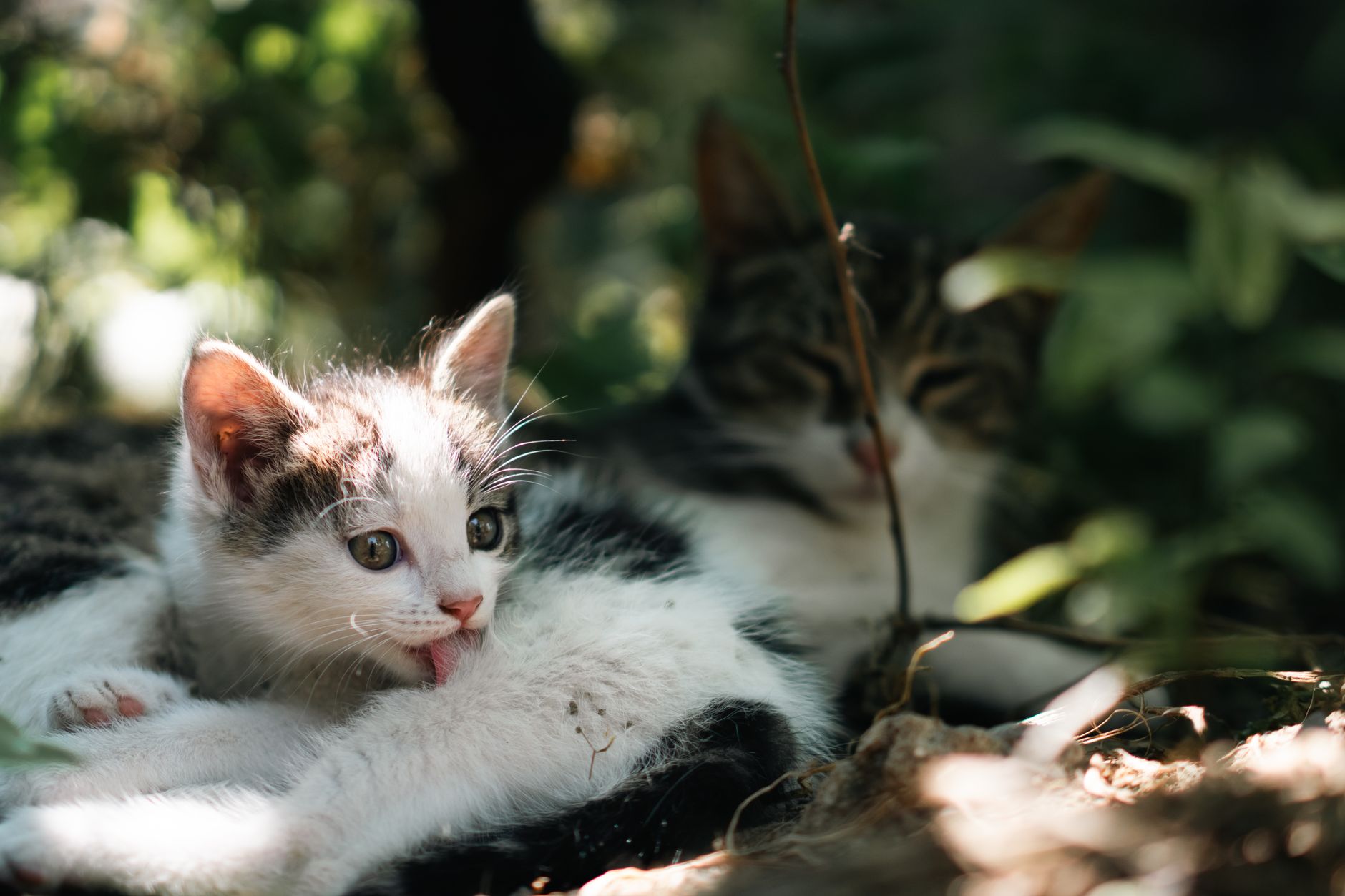
Several factors can contribute to a cat foaming at the mouth after receiving flea treatment. It is important to identify the cause to provide appropriate care.
- Taste: Some flea treatments have a very bitter taste. When a cat grooms itself and ingests the treatment, the bitter taste can stimulate excessive salivation, leading to foaming. This is usually harmless.
- Overdose: Administering too much flea treatment, especially topical treatments, can lead to toxicity and neurological symptoms, including foaming. Always follow the dosage instructions carefully.
- Sensitivity/Allergic Reaction: Some cats are sensitive or allergic to certain ingredients in flea treatments. This can trigger a range of symptoms, including foaming, skin irritation, and even more severe reactions.
- Accidental Ingestion: Even if the correct dosage is used, if your cat has access to the treated area and ingests the treatment, foaming can occur. Separation after application is crucial.
- Underlying Medical Conditions: Rarely, an underlying medical condition could be exacerbated by the flea treatment, leading to unusual reactions like foaming.
Distinguishing Between Mild and Severe Reactions
It’s important to be able to distinguish a mild reaction from a severe one to determine the appropriate course of action.
| Symptom | Mild Reaction (Likely Taste-Related) | Severe Reaction (Requires Vet Attention) |
|---|---|---|
| Foaming | Brief, self-limiting | Persistent, excessive |
| Behavior | Normal, no other symptoms | Lethargy, tremors, seizures |
| Skin | No irritation | Redness, itching, swelling |
| Breathing | Normal | Difficulty breathing, wheezing |
| General Appearance | Alert and responsive | Disoriented, unresponsive |
Steps to Take When Your Cat Foams After Treatment
If your cat starts foaming at the mouth after flea treatment, follow these steps:
- Observe: Carefully observe your cat’s behavior and note any other symptoms. Use the table above to gauge the severity of the reaction.
- Wipe the Mouth: Gently wipe your cat’s mouth with a clean, damp cloth to remove any residual flea treatment.
- Consult Your Veterinarian: Even if the foaming seems mild, contacting your veterinarian is always recommended. If your cat is showing signs of a severe reaction, seek immediate veterinary care.
- Provide Water: Offer your cat fresh water to help rinse out its mouth.
- Keep Calm: Your cat will sense your anxiety. Try to remain calm and reassuring.
Choosing the Right Flea Treatment
Selecting the right flea treatment for your cat is crucial in minimizing the risk of adverse reactions. Consider the following:
- Consult Your Veterinarian: Your veterinarian can recommend the safest and most effective flea treatment based on your cat’s age, weight, health status, and lifestyle.
- Read the Label Carefully: Always read the label instructions carefully and follow the dosage recommendations precisely.
- Consider Alternatives: Explore different types of flea treatments, such as topical solutions, oral medications, and flea collars. Discuss the pros and cons of each option with your veterinarian.
- Test on a Small Area: Before applying the full dose, test a small amount of the treatment on a small area of your cat’s skin to check for any adverse reactions.
- Avoid Products for Dogs: Never use flea treatments designed for dogs on cats. These products often contain permethrin, which is highly toxic to cats.
Prevention is Key
Taking preventative measures can significantly reduce the likelihood of your cat experiencing adverse reactions to flea treatment.
- Strictly Follow Dosage Instructions: Always adhere to the recommended dosage based on your cat’s weight.
- Separate Treated Cats: Keep treated cats separate from other pets, especially other cats, until the treatment has dried completely. This will prevent accidental ingestion through grooming.
- Monitor Your Cat Closely: Monitor your cat closely for any signs of adverse reactions after applying flea treatment.
- Discuss Concerns with Your Vet: If you have any concerns about flea treatments or your cat’s health, consult your veterinarian.
The Importance of Veterinary Consultation
Consulting your veterinarian is essential for ensuring your cat receives the best possible care and treatment.
- Accurate Diagnosis: Your veterinarian can accurately diagnose the cause of the foaming and recommend the appropriate treatment.
- Personalized Recommendations: Your veterinarian can provide personalized recommendations for flea prevention and treatment based on your cat’s individual needs.
- Early Intervention: Early intervention can prevent minor reactions from escalating into more severe problems.

Frequently Asked Questions (FAQs)
Why is my cat foaming at the mouth after flea treatment, but seems otherwise okay?
Sometimes, why your cat is foaming at the mouth after flea treatment and seemingly normal is because of the bitter taste of the product. Cats are fastidious groomers, and when they ingest the treated fur, the taste can cause them to salivate excessively, leading to foaming. Observe your cat closely for any other signs of distress. If they’re eating, drinking, and behaving normally, it’s likely just a temporary reaction to the taste.
How long does the foaming last after flea treatment?
The duration of foaming can vary depending on the cause. If it’s due to the taste, it usually subsides within 15-30 minutes. If it’s due to a more serious reaction, it could last longer and be accompanied by other symptoms. If foaming persists beyond 30 minutes or is accompanied by other symptoms, contact your veterinarian immediately.
What should I do if I accidentally gave my cat too much flea treatment?
If you suspect you’ve overdosed your cat with flea treatment, contact your veterinarian or an animal poison control center immediately. Provide them with the product name, dosage you administered, and your cat’s weight. Overdosing can lead to serious health complications, and prompt veterinary intervention is crucial.
Is it safe to bathe my cat after flea treatment to stop the foaming?
Bathing your cat after applying a topical flea treatment can actually decrease its effectiveness and potentially increase absorption of the product. It’s generally not recommended to bathe your cat immediately after applying the flea treatment unless instructed by your vet. Contact your veterinarian before bathing your cat.
Can flea collars cause foaming at the mouth?
Yes, flea collars can potentially cause foaming at the mouth, particularly if the cat is sensitive to the active ingredients or if the collar is too tight and irritating the skin. Remove the collar immediately and monitor your cat closely. Contact your vet if the foaming persists or worsens.
Why is my cat foaming at the mouth after flea treatment, even though I’ve used this product before with no problems?
Sometimes, even with previously tolerated products, cats can develop sensitivities over time. Other factors, such as changes in health status or concurrent medications, can also influence their reaction. It’s best to consult with your veterinarian to determine the cause and explore alternative flea treatment options.
Are oral flea medications safer than topical ones when it comes to preventing foaming?
The risk of foaming isn’t necessarily tied to the route of administration (oral vs. topical). Oral medications eliminate the risk of external contact and ingestion through grooming, but some cats may experience gastrointestinal upset or other side effects. Topical treatments can cause skin irritation or foaming if ingested. Discuss the pros and cons of each option with your veterinarian.
What are the signs of a serious allergic reaction to flea treatment in cats?
Signs of a serious allergic reaction can include severe foaming, difficulty breathing, swelling of the face or throat, hives, vomiting, diarrhea, seizures, and collapse. These symptoms require immediate veterinary attention.
How can I prevent my cat from licking the flea treatment off?
To prevent your cat from licking the flea treatment off, consider using an Elizabethan collar (cone) or distracting them with toys or treats until the product has fully dried. Keeping them separate from other pets can also prevent them from grooming each other and ingesting the treatment.
What natural alternatives to traditional flea treatments are available, and do they cause foaming?
While some natural alternatives like diatomaceous earth and essential oils are sometimes used for flea control, their effectiveness and safety are not always guaranteed. Some essential oils can be toxic to cats and cause various adverse reactions, though they are not usually known to directly cause foaming. Always consult your veterinarian before using any natural remedies.
Why is my cat foaming at the mouth after flea treatment and acting lethargic?
Lethargy combined with foaming is a serious concern and could indicate a toxic reaction to the flea treatment. It warrants an immediate vet visit. This could be due to an overdose, an allergic reaction, or the cat’s sensitivity to the product.
Can the type of flea my cat has (e.g., cat flea vs. other species) affect the reaction to the flea treatment?
The species of flea infesting your cat doesn’t directly influence the reaction to the flea treatment. The reaction is primarily determined by the ingredients in the flea treatment and your cat’s individual sensitivity to those ingredients. The most common flea affecting cats is the cat flea (Ctenocephalides felis).