

Why Would a Fox Be Calling Out? Understanding the Vocal Repertoire of Vulpes vulpes
Fox calls are a fascinating and often misunderstood part of the natural soundscape. Foxes vocalize for a variety of reasons, most commonly to communicate with other foxes, particularly during the breeding season or to defend territory.
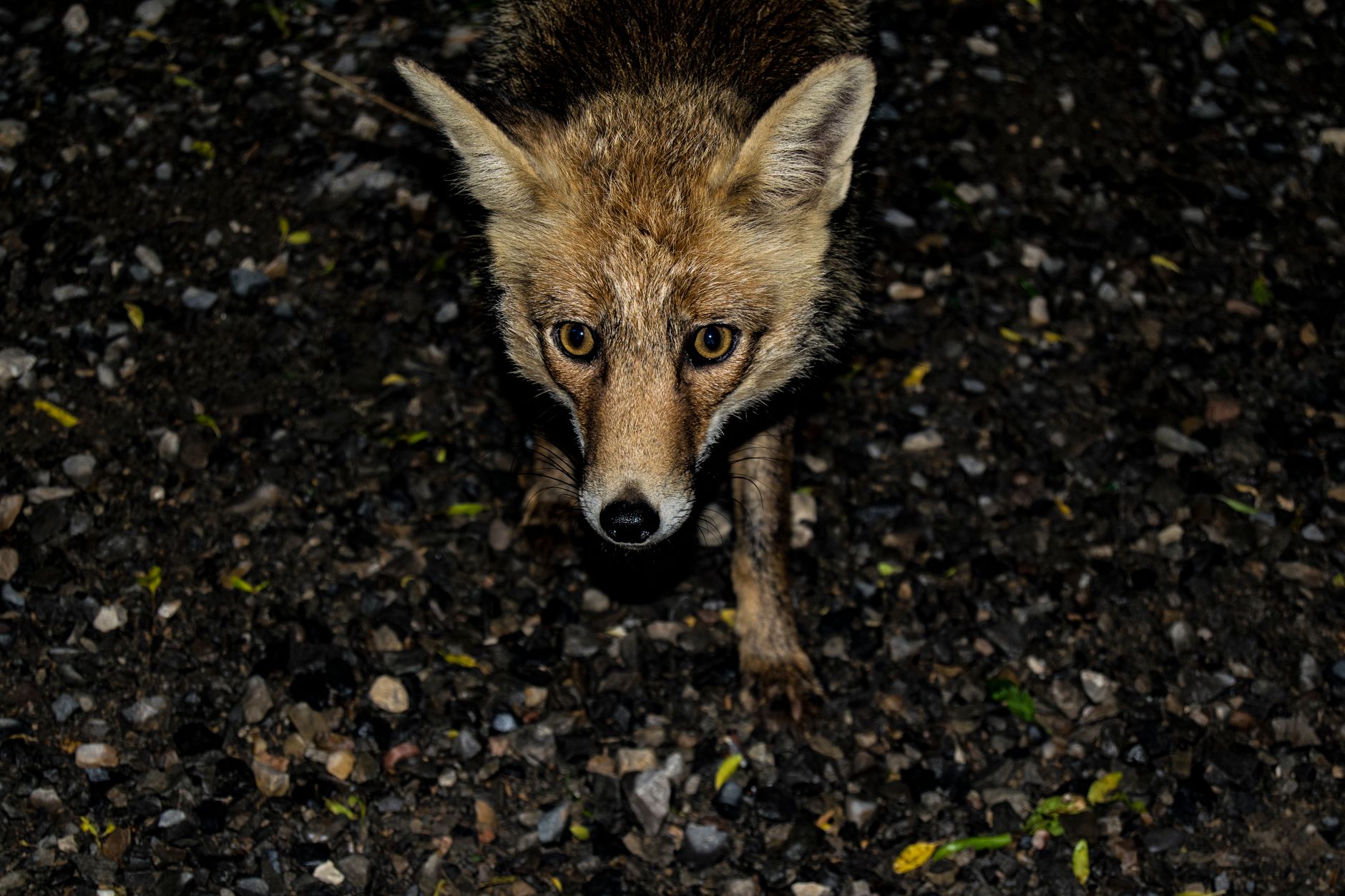
Introduction: The Secret Language of Foxes
The haunting calls of foxes often pierce the quiet of the night, leading many to wonder why would a fox be calling out? Unlike the more familiar barks of dogs, fox vocalizations are diverse and complex, serving a range of purposes within their social structure and survival strategies. Understanding these calls provides valuable insight into the lives of these elusive creatures, shedding light on their behavior, communication methods, and ecological roles. This article delves into the various reasons behind fox vocalizations, exploring the different types of calls, their meanings, and the contexts in which they are used. We will explore the fox’s acoustic repertoire and examine the specific situations that prompt these captivating sounds.

What colours are fish most attracted to?
Can you put your finger in a trout's mouth?
Is methylene blue anti bacterial?
Does aquarium salt raise pH in aquarium?
Vocal Repertoire: A Symphony of Sounds

The fox isn’t limited to a single type of vocalization. Their calls are as diverse as their behavior, and understanding these sounds allows us to decipher their intentions. Key calls include:
- The Bark: Short, sharp barks often serve as warnings or alerts.
- The Scream (or Vixen’s Wail): A high-pitched, eerie scream predominantly used by females during the breeding season to attract mates or assert dominance.
- The Gecker: A chattering, often playful sound used between cubs and sometimes between adults.
- The Wowl: A softer, longer call used for long-distance communication or locating other foxes.
This vocal diversity highlights the fox’s sophisticated communication system. Each call conveys a specific message and understanding these nuances allows us to better understand why would a fox be calling out?
Territory Defense: Protecting Their Domain
Foxes are territorial animals, and vocalizations play a crucial role in defending their territories. Barks, growls, and even screams can be used to ward off intruders and maintain boundaries. Here are the key aspects of territory defense through vocalizations:
- Signaling Presence: Calls advertise the fox’s presence to deter other foxes from entering the territory.
- Warning Intruders: Vocalizations escalate if an intruder is detected, signaling a potential threat.
- Claiming Resources: Territory marking also helps secure resources like food and shelter.
Mating and Courtship: The Language of Love
The breeding season is a particularly vocal time for foxes. Vixens (female foxes) use screams and wails to attract potential mates, while males may bark or wowel to compete for attention.
- Attracting Mates: Vixens use their calls to advertise their availability and location.
- Establishing Dominance: Males may use vocalizations to establish dominance over rivals.
- Pair Bonding: Once a pair is formed, they may use softer vocalizations to strengthen their bond.
The specific calls used during mating season are crucial in understanding why would a fox be calling out? at this specific time of year.
Communication Between Cubs and Parents: A Family Affair
Fox cubs rely heavily on vocalizations to communicate with their parents. They use a variety of whimpers, chirps, and yelps to signal their needs, such as hunger, cold, or fear. Adult foxes, in turn, use softer calls to reassure and guide their cubs.
- Signaling Needs: Cubs vocalize to let their parents know when they are hungry, cold, or in danger.
- Learning and Development: Vocalizations play a role in the cubs’ learning and social development.
- Maintaining Contact: Calls help keep the family group together, especially when hunting or exploring.
Understanding Environmental Factors: The Context Matters
The type and frequency of fox calls can also be influenced by environmental factors, such as weather conditions, prey availability, and the presence of predators.
| Factor | Effect on Vocalization |
|---|---|
| Weather | Strong winds or heavy rain may reduce the effectiveness of calls, leading to increased volume. |
| Prey Availability | Scarcity of food may increase competition and territorial disputes, leading to more calls. |
| Predators | The presence of predators can trigger alarm calls to warn other foxes of danger. |
Frequently Asked Questions
Why do foxes scream at night?
The high-pitched scream often heard at night is typically a vixen’s mating call or a territorial dispute. It’s a powerful signal designed to attract mates or ward off rivals.
Is it dangerous if a fox calls out near my home?
Generally, a fox calling near your home isn’t dangerous. It usually indicates territorial behavior or hunting activity. However, it’s always wise to keep pets indoors at night.
How can I tell the difference between a fox bark and a dog bark?
Fox barks are typically higher pitched and more varied than dog barks. They also tend to be shorter and sharper, almost like a yelp.
Do foxes only call out during the breeding season?
While vocalizations are more frequent during the breeding season, foxes communicate year-round for various reasons, including territory defense, hunting coordination, and family communication. Therefore, the answer to “why would a fox be calling out?” isn’t confined to a particular time of year.
What does it mean if a fox is growling?
A growl is typically a sign of aggression or warning. It indicates that the fox feels threatened and is prepared to defend itself or its territory.
Do foxes have different accents or dialects?
While there’s limited research on regional variations in fox vocalizations, it’s plausible that slight differences exist based on location and social group. Further study is needed to confirm this.
How far can a fox’s call be heard?
The distance a fox’s call can travel depends on factors like terrain, weather conditions, and the type of call. A loud scream or bark can potentially be heard up to a mile away under favorable conditions.
What is the purpose of the “gecker” sound?
The gecker is a soft, chattering sound often used between fox cubs or between adults during playful interactions. It signifies a relaxed and friendly atmosphere.
Are all foxes vocal, or are some quieter than others?
Individual foxes may have different vocal tendencies. Some might be more vocal than others depending on their personality, social status, and individual experiences.
Should I be concerned if I hear fox cubs calling frequently?
Frequent calls from cubs could indicate that they are hungry, cold, or separated from their parents. If you’re concerned, observe from a distance without interfering, and contact a local wildlife rescue if the situation seems dire.
How can I discourage foxes from calling out near my property?
Discourage foxes from approaching by removing potential food sources, such as unsecured garbage or pet food left outdoors. Avoid directly confronting or feeding them, as this can encourage them to become bolder. This won’t silence them entirely, but reduces the reasons why would a fox be calling out?.
What other ways do foxes communicate besides vocalizations?
Foxes also communicate through scent marking, body language, and facial expressions. These non-vocal cues are crucial for understanding their behavior and intentions.