

Should You Scare a Grizzly Bear? A Question of Survival
The definitive answer is complex and depends on the situation, but generally, scaring a grizzly bear is a last resort; avoidance is always the best strategy. Effective deterrents employed skillfully can save your life, but doing it wrong can escalate a dangerous encounter.

Understanding Grizzly Bear Behavior
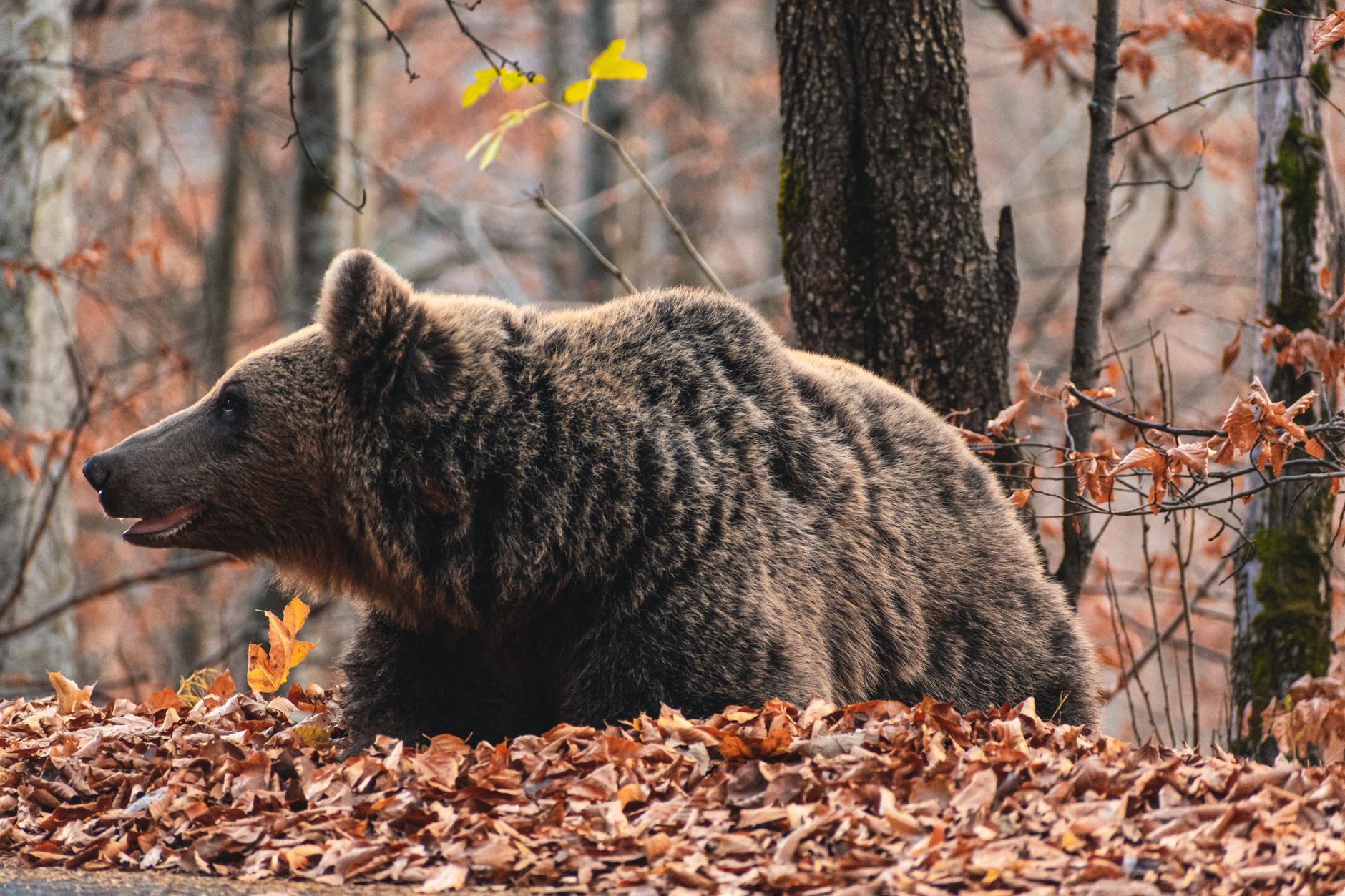
Grizzly bears are apex predators, intelligent and powerful. Their behavior is influenced by a variety of factors, including food availability, time of year, and whether they have cubs. A clear understanding of grizzly behavior is paramount to know when, and if, you should scare a grizzly bear.
- Defensive Encounters: These occur when a bear feels threatened. This is often when you startle a bear at close range, especially if she has cubs or is protecting a food source. Signs of a defensive bear include flattened ears, jaw popping, woofing, and bluff charging.
- Offensive Encounters: This is rarer, but more dangerous. An offensive bear is looking to dominate or even prey on you. Signs of an offensive bear include direct, focused gaze, stalking behavior, and a slow, deliberate approach.
- Curiosity and Food Conditioning: Sometimes, bears approach humans out of curiosity or because they’ve learned to associate humans with food. While these encounters aren’t necessarily aggressive, they can still be dangerous.
What colours are fish most attracted to?
Can you put your finger in a trout's mouth?
Is methylene blue anti bacterial?
Does aquarium salt raise pH in aquarium?
When Should You Scare a Grizzly Bear?

The decision of whether should you scare a grizzly bear isn’t black and white. Consider the bear’s behavior, your surroundings, and the tools at your disposal.
- Defensive Encounters: If the bear is clearly acting defensively, you should attempt to de-escalate the situation by speaking calmly, slowly backing away, and avoiding direct eye contact. Deploy bear spray if the bear continues to approach.
- Offensive Encounters: In an offensive encounter, you must fight back using whatever means necessary. This might include bear spray, rocks, sticks, or even your bare hands.
- Curiosity and Food Conditioning: If the bear is approaching out of curiosity, try to make yourself appear large and intimidating. Yell loudly, wave your arms, and throw objects towards the bear.
Tools for Scaring Grizzly Bears
Several tools can be effective for scaring grizzly bears, but none are foolproof.
- Bear Spray: This is arguably the most effective non-lethal deterrent. It releases a cloud of highly irritating pepper spray that can temporarily incapacitate a bear. Always carry bear spray and know how to use it properly.
- Air Horns: The loud, sudden noise can startle a bear and discourage it from approaching.
- Firearms: While firearms can be effective in skilled hands, they are often less practical and more dangerous than bear spray. Using a firearm can escalate a situation if not used precisely
- Noisemakers: Whistles, bear bells, and other noisemakers can help you avoid surprising a bear in the first place.
Common Mistakes When Encountering Grizzly Bears
Many people make mistakes that can worsen a grizzly bear encounter.
- Running: Running can trigger a bear’s predatory instincts.
- Playing Dead Incorrectly: Playing dead is only appropriate in a defensive encounter where the bear is actively attacking you. Cover your neck and protect your vital organs.
- Making Direct Eye Contact: Direct eye contact can be interpreted as a challenge.
- Approaching Bears: Never approach a bear, regardless of how docile it may appear.
- Feeding Bears: Feeding bears habituates them to humans and can lead to dangerous encounters.
- Ignoring Signs: Ignoring bear warnings, fresh scat, or tracks in the area significantly increases the risk of an unexpected encounter.
Frequently Asked Questions about Scaring Grizzly Bears
Is bear spray always effective?
No, bear spray is not always effective. Its effectiveness depends on several factors, including wind direction, distance to the bear, and the bear’s temperament. Bear spray is more effective than firearms in most situations, but it is crucial to deploy it correctly.
What should I do if a grizzly bear charges me?
Assess the situation. If it’s a defensive charge, stand your ground, ready bear spray, and deploy when the bear is within 20-30 feet. If it’s an offensive charge, fight back with everything you have.
Should I carry a firearm for bear protection?
Carrying a firearm for bear protection is a personal decision. While it can be effective in skilled hands, it also carries significant risks. Bear spray is generally considered more effective and easier to use under pressure.
What is the best way to avoid a grizzly bear encounter?
The best way to avoid an encounter is to be aware of your surroundings, make noise while hiking, hike in groups, and avoid areas with known bear activity. Store food properly and never approach a bear.
If a grizzly bear is eating another animal, should I try to scare it away?
No. Never approach a bear that is feeding. This is a highly dangerous situation, and the bear is likely to be extremely defensive. Back away slowly and give it plenty of space.
What kind of noise should I make to scare a grizzly bear?
Make loud, assertive noises, such as yelling, shouting, or using an air horn. Avoid making high-pitched or whimpering sounds, which could attract the bear’s attention.
Is it better to play dead on my stomach or my side?
Play dead on your stomach, protecting your vital organs. Clasp your hands behind your neck to protect it. Spread your legs slightly to make it harder for the bear to roll you over.
How far away should I deploy bear spray?
Deploy bear spray when the bear is approximately 20-30 feet away. This allows you to create a cloud of spray that the bear will run through.
What should I do after using bear spray?
Back away slowly and watch the bear’s reaction. Continue to monitor the bear and be prepared to deploy more spray if necessary.
Are grizzly bears more aggressive at certain times of the year?
Grizzly bears are generally more active and potentially aggressive in the fall, when they are trying to fatten up for winter hibernation. Mothers with cubs are also more protective.
Is it safe to hike alone in grizzly bear country?
Hiking alone in grizzly bear country increases your risk of an encounter. It’s safer to hike in groups and make plenty of noise.
What should I do if I see a grizzly bear cub?
Never approach a grizzly bear cub. The mother is likely nearby and will be extremely protective. Back away slowly and carefully.