

Why Put Snails in a Fish Tank?
Adding snails to a fish tank provides significant benefits, including algae control, waste decomposition, and improved overall ecosystem health; essentially, they are natural janitors. Therefore, why put snails in a fish tank? They are an essential and often overlooked part of a thriving aquarium.
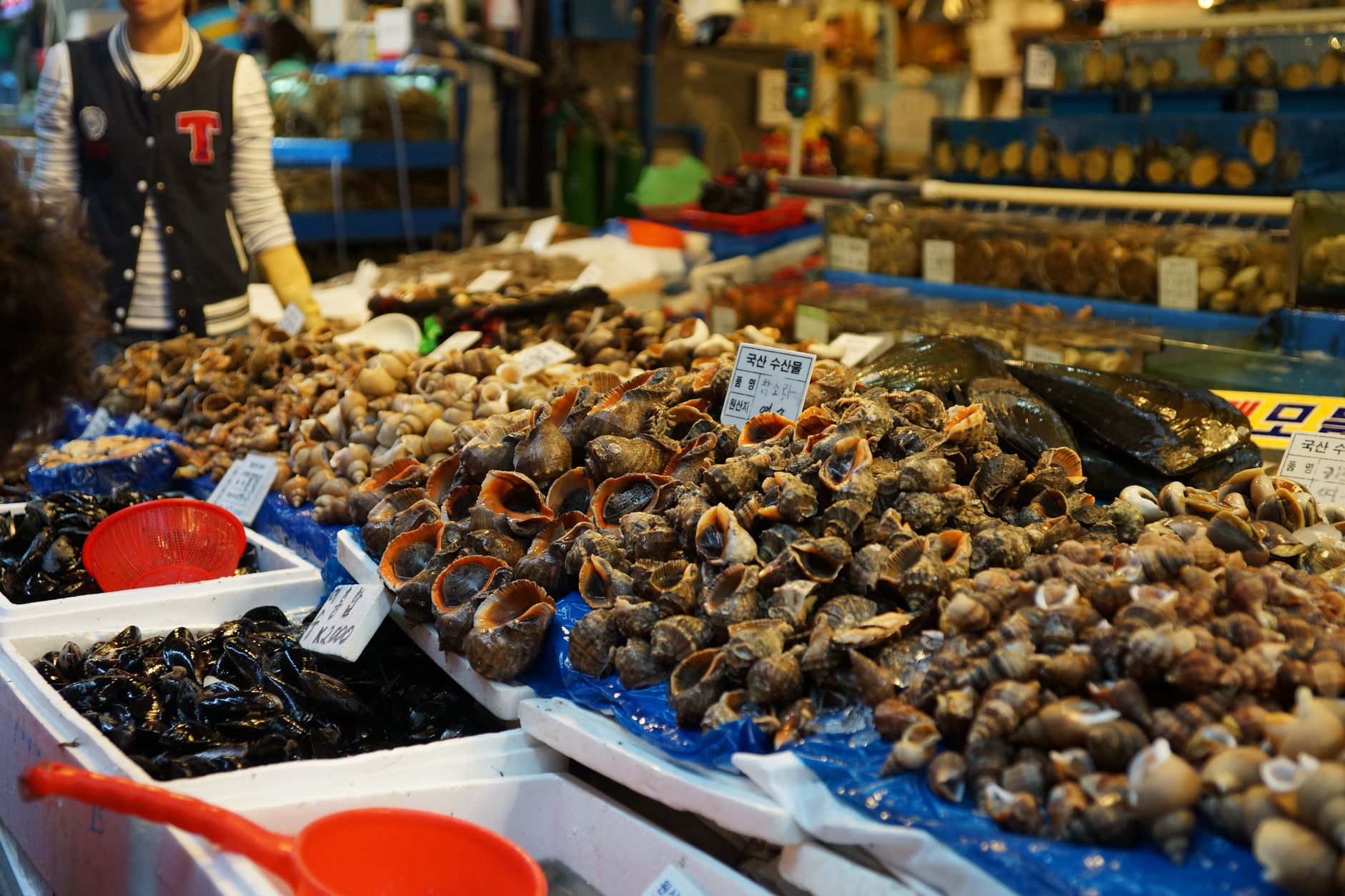
The Unsung Heroes of the Aquarium: An Introduction
The question “Why put snails in a fish tank?” might initially seem perplexing to novice aquarists. However, these often-underestimated invertebrates play a vital role in maintaining a healthy and balanced aquatic environment. Far from being mere pests, certain snail species contribute significantly to algae control, detritus removal, and the overall well-being of the tank’s inhabitants. This article will explore the numerous benefits snails bring to an aquarium, offering insights into selecting appropriate species, managing snail populations, and avoiding potential pitfalls. Understanding the role of snails is crucial for creating a thriving ecosystem within your glass walls.

Is 75 degrees good for a fish tank?
What fish do not need a filtered tank?
What fish is Flo?
How intelligent are fish?
The Multitude of Benefits Snails Provide
Snails offer several key advantages for maintaining a pristine and healthy aquarium. These benefits contribute to a cleaner tank and a more balanced ecosystem for your fish and plants.
- Algae Control: This is perhaps the most well-known benefit. Many snail species, such as Nerite snails, are voracious algae eaters. They tirelessly graze on algae growing on the glass, decorations, and plants, preventing unsightly blooms and improving water clarity.
- Detritus Removal: Snails also consume uneaten food, decaying plant matter, and other organic debris (detritus) that accumulates at the bottom of the tank. This helps prevent the build-up of harmful toxins like ammonia and nitrates.
- Aeration of the Substrate: Certain snail species, like Malaysian Trumpet Snails (MTS), burrow into the substrate. Their digging action helps aerate the substrate, preventing the formation of anaerobic zones where harmful bacteria can thrive.
- Aesthetic Enhancement: Some snails, like Ramshorn snails and Mystery snails, come in a variety of colors and patterns, adding visual interest to the aquarium.
- Natural Balance: By consuming algae and detritus, snails contribute to a more balanced ecosystem. They reduce the competition for resources and create a healthier environment for fish and plants.
Choosing the Right Snail for Your Aquarium
Not all snails are created equal. Some species are more suitable for aquariums than others. Factors to consider when selecting snails include:
- Size: Choose snails appropriate for the size of your tank. Overly large snails can produce excessive waste, while tiny snails may be ineffective at controlling algae.
- Diet: Different snails have different dietary preferences. Research the dietary needs of the snail species you are considering to ensure they will thrive in your tank.
- Reproduction Rate: Some snail species, like Ramshorn snails and Pond snails, can reproduce rapidly under favorable conditions. If you are concerned about overpopulation, choose species that are less prolific or can only reproduce in brackish water.
- Compatibility with Tank Mates: Ensure that the snails you choose are compatible with the other inhabitants of your tank. Some fish, like certain species of pufferfish and loaches, are known to eat snails.
- Purpose: Are you primarily seeking algae control, detritus removal, or substrate aeration? Different snails excel at different tasks.
Here’s a table comparing some popular aquarium snail species:
| Snail Species | Size | Algae Control | Detritus Removal | Reproduction Rate | Special Notes |
|---|---|---|---|---|---|
| Nerite Snail | 0.5-1 inch | Excellent | Good | Low (Needs brackish water) | Excellent algae eaters, won’t reproduce in freshwater tanks. |
| Mystery Snail | 1-2.5 inches | Moderate | Good | Moderate | Various colors and patterns; can be prone to nibbling on soft plants. |
| Ramshorn Snail | 0.5-1 inch | Good | Excellent | High | Reproduces quickly; can become a pest if overfed. |
| Malaysian Trumpet Snail (MTS) | 0.5-1 inch | Poor | Excellent | Moderate | Burrows into the substrate, aerating it; primarily nocturnal. |
| Assassin Snail | 0.75-1 inch | Poor | Poor | Low | Eats other snails; used to control snail populations. |
Introducing Snails to Your Aquarium: A Step-by-Step Guide
Introducing snails to your aquarium should be done carefully to ensure their survival and prevent the introduction of diseases.
- Acclimation: Float the bag containing the snails in your aquarium for 15-30 minutes to allow the water temperature to equalize.
- Drip Acclimation: Slowly drip water from your aquarium into the bag over a period of 1-2 hours to gradually acclimate the snails to your tank’s water chemistry.
- Release: Gently release the snails into your aquarium. Avoid dumping the water from the bag into the tank, as it may contain unwanted contaminants.
- Observation: Observe the snails closely for the first few days to ensure they are adjusting well to their new environment. Look for signs of stress, such as inactivity or shell damage.
Common Mistakes to Avoid
While snails can be beneficial additions to an aquarium, certain mistakes can lead to problems.
- Overfeeding: Overfeeding your fish can lead to an overabundance of algae and detritus, which can cause a population explosion of snails. Feed your fish only what they can consume in a few minutes.
- Using Copper-Based Medications: Copper is toxic to snails and other invertebrates. Avoid using medications containing copper in your aquarium.
- Ignoring Water Quality: Poor water quality can stress snails and make them more susceptible to disease. Regularly test your water parameters and perform water changes as needed.
- Introducing Too Many Snails at Once: Introducing too many snails at once can overwhelm the biological filter in your aquarium and lead to a spike in ammonia and nitrates. Start with a small number of snails and gradually add more as needed.
- Not Quarantining New Snails: Always quarantine new snails in a separate tank for a few weeks before introducing them to your main aquarium to prevent the introduction of diseases or parasites.
Managing Snail Populations: Preventing Overpopulation
One of the biggest concerns about keeping snails in an aquarium is the potential for overpopulation. Here are some tips for managing snail populations:
- Control Food Sources: Reduce the amount of food available to the snails by feeding your fish less and removing uneaten food promptly.
- Manually Remove Snails: Regularly remove snails from your aquarium by hand. You can use a snail trap or simply pick them off the glass and decorations.
- Introduce Snail Predators: Introduce snail predators, such as Assassin snails, to control snail populations. However, be aware that Assassin snails will also prey on other snails, so use them with caution.
- Maintain Proper Water Parameters: Healthy water conditions help prevent algae blooms and other factors that contribute to snail overpopulation.
Recognizing and Treating Snail Diseases
While generally hardy, snails can be susceptible to certain diseases.
- Shell Erosion: Shell erosion can be caused by acidic water conditions or a lack of calcium. Increase the water hardness and provide a calcium supplement to help prevent shell erosion.
- Parasites: Snails can be hosts to various parasites. Quarantine new snails and observe them closely for signs of parasitic infection.
- Bacterial Infections: Bacterial infections can cause snails to become lethargic and develop lesions on their bodies. Treat bacterial infections with appropriate medications.
The Ecological Significance of Snails: Beyond the Aquarium
Snails play a significant role in aquatic ecosystems, both natural and artificial. Understanding their ecological importance can further illuminate why put snails in a fish tank? They are not just decorations or convenient cleaning crews, but active participants in nutrient cycling and ecosystem stability.
Conclusion
Ultimately, why put snails in a fish tank? Because they are invaluable contributors to a healthy and thriving aquatic environment. By understanding their benefits, selecting appropriate species, and managing their populations effectively, aquarists can harness the power of snails to create a more balanced and aesthetically pleasing aquarium. Incorporating snails into your aquarium is a responsible step towards creating a mini-ecosystem that promotes the well-being of all its inhabitants.
Frequently Asked Questions (FAQs)
Why are my snails not moving?
- If your snails are not moving, it could be due to several factors. Check the water parameters, including temperature, pH, ammonia, nitrite, and nitrate levels. Inadequate water quality, extreme temperatures, or toxins in the water can stress snails and cause them to become inactive. Alternatively, it’s possible that the snail has passed away; a foul odor emanating from the shell is a strong indicator.
Are snails harmful to fish?
- Generally, snails are not harmful to fish and, in fact, are quite beneficial, consuming algae and detritus. However, it’s essential to choose snail species compatible with your fish. Some fish, like pufferfish and loaches, are natural snail predators. Also, a rapid population explosion of snails, caused by overfeeding, can lead to poor water quality that negatively affects the fish.
How often should I feed my snails?
- You generally do not need to directly feed snails in a well-established aquarium, as they will primarily graze on algae and detritus. However, if your tank is relatively clean or you have a large snail population, you can supplement their diet with algae wafers or blanched vegetables. Always monitor the tank to avoid overfeeding, which can lead to algae blooms and snail overpopulation.
What do I do if my snails are laying too many eggs?
- Controlling snail populations is often a concern. Reduce the amount of food available by feeding your fish less. Remove eggs manually when you see them. Certain snail species, like Nerite snails, only lay eggs in brackish water, so they won’t hatch in a freshwater aquarium. Assassin snails can also be introduced to prey on other snails, although this should be done cautiously.
Can snails escape from the tank?
- Some snail species, like Mystery snails, are known to occasionally leave the water to explore. Ensure your tank has a tight-fitting lid to prevent snails from escaping and drying out. Keep water parameters optimal to reduce the likelihood of escape attempts.
What is the best snail for algae control?
- Nerite snails are widely regarded as the best snails for algae control. They are voracious algae eaters and relatively small, making them suitable for most aquariums. They also won’t reproduce in freshwater tanks, preventing overpopulation.
How long do aquarium snails live?
- The lifespan of aquarium snails varies depending on the species. Nerite snails typically live for about 1-2 years, while Mystery snails can live for about 1 year. Malaysian Trumpet Snails can live even longer, potentially several years, in optimal conditions.
Why are my snails dying?
- The death of snails can be due to various reasons. Check the water parameters for issues like ammonia spikes or extreme pH levels. Avoid using copper-based medications, as copper is highly toxic to snails. Also, ensure the snails are receiving adequate nutrition.
Can I keep snails with shrimp?
- Yes, snails and shrimp generally coexist peacefully in aquariums. Both benefit from a clean environment and can contribute to a balanced ecosystem. Ensure there are no fish in the tank that might prey on either the snails or the shrimp.
What pH level is best for snails?
- Snails generally prefer a slightly alkaline pH, ideally between 7.0 and 8.0. Acidic water can erode their shells. If your water is too acidic, you can increase the pH by adding crushed coral or limestone to the tank.
Do snails need light?
- Snails don’t directly need light for survival, but they benefit from the overall ecosystem balance that light provides for plant growth and algae production (their food source).
How do I tell if my snail is dead or just inactive?
- The easiest way to tell if a snail is dead is to smell it. A dead snail will have a very strong and unpleasant odor. You can also gently poke the snail with a blunt object; if it doesn’t retract into its shell, it’s likely dead. Finally, check if the snail is hanging partially out of its shell and not moving for an extended period, which may also indicate death.