

Why Not to Get an Alpaca? A Comprehensive Guide
Thinking of adding an alpaca to your family? Think again. Why not to get an alpaca? Owning these adorable creatures is far more complex and costly than many prospective owners realize.
Introduction: The Allure of Alpacas
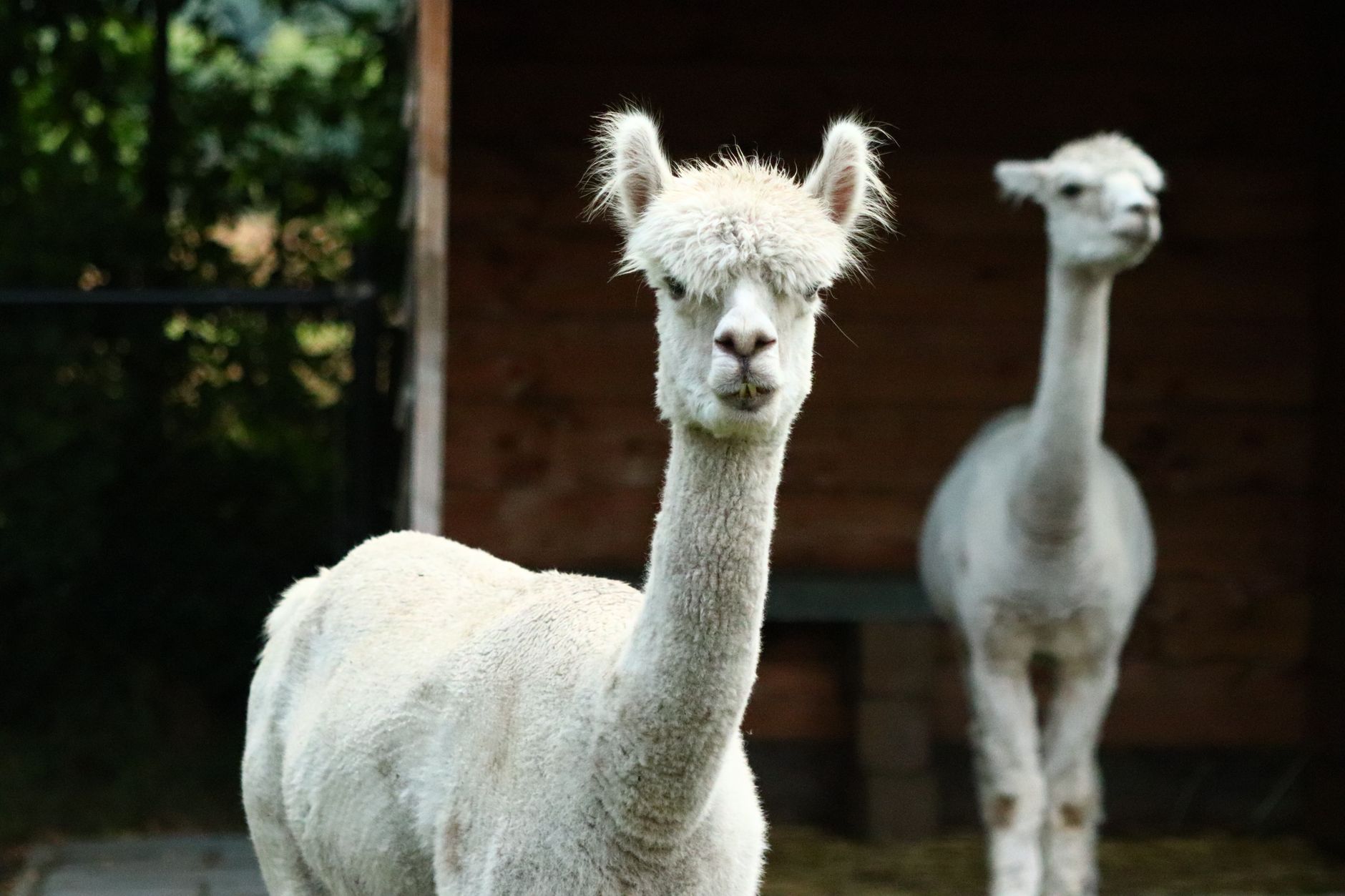
Alpacas, with their fluffy fleece and gentle demeanor, have become increasingly popular as alternative livestock. Images of them grazing peacefully on lush pastures often paint a romantic picture. This has led many to consider keeping alpacas as pets, for fiber production, or even as a small-scale business venture. However, the reality of alpaca ownership is often far removed from this idyllic vision. This article delves into the less-publicized aspects of alpaca husbandry, exploring the numerous challenges and responsibilities that prospective owners must carefully consider before taking the plunge. Why not to get an alpaca? This exploration will reveal potential pitfalls and ensure informed decision-making.

What is the GREY African clawed frog?
Is distilled water good for goldfish?
What colours are fish most attracted to?
Can you put your finger in a trout's mouth?
Hype vs. Reality: Beyond the Fleece

The popularity of alpacas has led to a degree of romanticization that often overshadows the practical realities of their care. It’s easy to be drawn in by their soft fleece and cute faces, but responsible ownership requires a deep understanding of their specific needs and potential challenges. This section contrasts the idealized image of alpaca ownership with the actual day-to-day requirements.
Social Needs: They’re Not Llamas!
Alpacas are herd animals. They are not happy, healthy, or well-adjusted living alone. You will need to keep at least two alpacas, preferably more. A solitary alpaca will suffer from stress, loneliness, and potentially develop behavioral problems.
- Minimum of Two: Always keep at least two alpacas together.
- Established Herds: Introduce new alpacas carefully to avoid disrupting the existing social dynamic.
Specialized Care and Costs: More Than Just Grass
Alpaca care extends far beyond simply providing pasture. They require specific diets, regular vaccinations, parasite control, and specialized veterinary care. These costs can quickly add up, making alpaca ownership a significant financial commitment. Consider that why not to get an alpaca might be due to costs.
- Diet: Alpacas require high-quality forage, supplemental minerals, and potentially grain depending on their nutritional needs.
- Veterinary Care: Routine vaccinations, deworming, and hoof trimming are essential. Emergency veterinary care can be expensive.
- Shearing: Alpacas need to be sheared annually, requiring either specialized equipment or hiring a professional shearer.
- Infrastructure: Proper fencing, shelter, and handling facilities are necessary to keep alpacas safe and healthy.
Here’s a simple cost comparison table:
| Item | Approximate Annual Cost (per alpaca) |
|---|---|
| Feed | $300 – $500 |
| Veterinary Care | $100 – $300 |
| Shearing | $50 – $100 |
| Hoof Trimming | $50 – $100 |
| Total | $500 – $1000+ |
Land Requirements: Space to Roam
While alpacas don’t require vast acreage like cattle, they do need sufficient space to graze and roam. Overgrazing can lead to soil erosion and parasite infestations. Carefully consider your land’s carrying capacity before acquiring alpacas. The answer to “Why not to get an alpaca?” may be simply because you don’t have enough land.
- Acres per Alpaca: As a general rule, you need at least 1 acre for every 2-5 alpacas, depending on pasture quality.
- Pasture Management: Implementing rotational grazing and other sustainable practices can help maximize pasture utilization and minimize parasite risk.
The Poop Problem: It’s a Lot!
Alpacas are efficient grazers, but they still produce a significant amount of manure. Managing this manure is essential for maintaining hygiene and preventing parasite transmission. Composting alpaca manure can create valuable fertilizer for your garden, but requires proper handling and storage.
Fencing Considerations: Keeping Them Safe
Alpacas are relatively easy to contain with adequate fencing. However, weak or poorly maintained fencing can lead to escapes and potential danger from predators or traffic. Invest in sturdy fencing materials and regularly inspect for damage.
- Fence Height: A minimum fence height of 4-5 feet is recommended.
- Fence Type: Woven wire or tightly spaced electric fencing are effective options.
- Predator Control: Consider additional predator control measures, such as guard dogs or fencing modifications, if predators are a concern in your area.
Health Issues: They’re Vulnerable
Alpacas are susceptible to a variety of health problems, including parasites, heat stress, and specific nutrient deficiencies. Regular monitoring and proactive preventative care are crucial for maintaining their health.
Finding Reliable Veterinary Care: Specialist Knowledge
Not all veterinarians are experienced in treating alpacas. It’s essential to find a veterinarian with specific knowledge of alpaca health and diseases. This may require traveling to a specialized clinic or finding a veterinarian who is willing to learn about alpaca care.
Shearing Challenges: Getting the Fleece Right
Alpacas need to be shorn annually to prevent overheating and promote fleece health. Shearing requires specialized skills and equipment. Hiring a professional shearer is often the best option, but can be costly.
Behavioral Considerations: Understanding the Animals
Alpacas have distinct personalities and social hierarchies. Understanding their behavior is essential for managing them effectively and preventing stress or injury. Observing their interactions and learning their individual quirks can help you provide better care. They’re not dogs; expect to be observing them, not playing with them.
The Commitment: They’re For Life
Alpacas can live for 15-20 years. Acquiring an alpaca is a long-term commitment. Before getting an alpaca, consider your long-term plans and ensure that you are prepared to provide for their care for the duration of their lives.
Frequently Asked Questions About Alpaca Ownership
What are the main benefits of owning alpacas?
Alpacas produce valuable fleece that can be sold for profit. They also can be used for guard animals, protecting poultry from foxes or similar threats. Some people also enjoy them as pets, although they are not typically as interactive as dogs or cats. Finally, alpaca manure makes great fertilizer.
How much does it cost to buy an alpaca?
The cost of an alpaca varies depending on its age, gender, breeding potential, and fleece quality. Prices can range from a few thousand dollars to tens of thousands of dollars for exceptional breeding animals.
What do alpacas eat?
Alpacas primarily eat grass and hay. They may also require supplemental minerals and vitamins, especially during certain times of the year. Avoid letting them eat poisonous plants.
How often do alpacas need to be sheared?
Alpacas need to be sheared annually, typically in the spring before the weather gets too hot.
What are some common health problems in alpacas?
Common health problems in alpacas include parasite infestations, heat stress, and choke. Regular monitoring and preventative care are essential.
How do I find a veterinarian who specializes in alpacas?
Contact your local veterinary association or search online for veterinarians with experience in camelid (alpaca and llama) medicine.
Are alpacas good with children?
Alpacas are generally gentle animals, but they should always be supervised around children. They may not tolerate being petted or handled roughly.
Do alpacas spit?
Yes, alpacas can spit. They usually spit at each other to establish dominance or to ward off unwanted advances. They rarely spit at humans, but it can happen if they feel threatened.
Can alpacas be kept as pets in urban areas?
In most cases, no. Local zoning regulations often prohibit livestock animals from being kept in urban areas.
How much space do alpacas need?
Alpacas need at least 1 acre of pasture for every 2-5 animals.
What is the lifespan of an alpaca?
Alpacas typically live for 15-20 years.
Why not to get an alpaca for fleece production?
Fleece production requires ongoing investment in high-quality alpacas, excellent animal husbandry, and effective marketing of the fiber. If you’re not prepared to dedicate significant time and resources to these aspects, alpaca fleece production is not a viable business venture. Even with careful management, profitability is not guaranteed.