

Why Does Mexico Have the Eagle? Unraveling a National Symbol
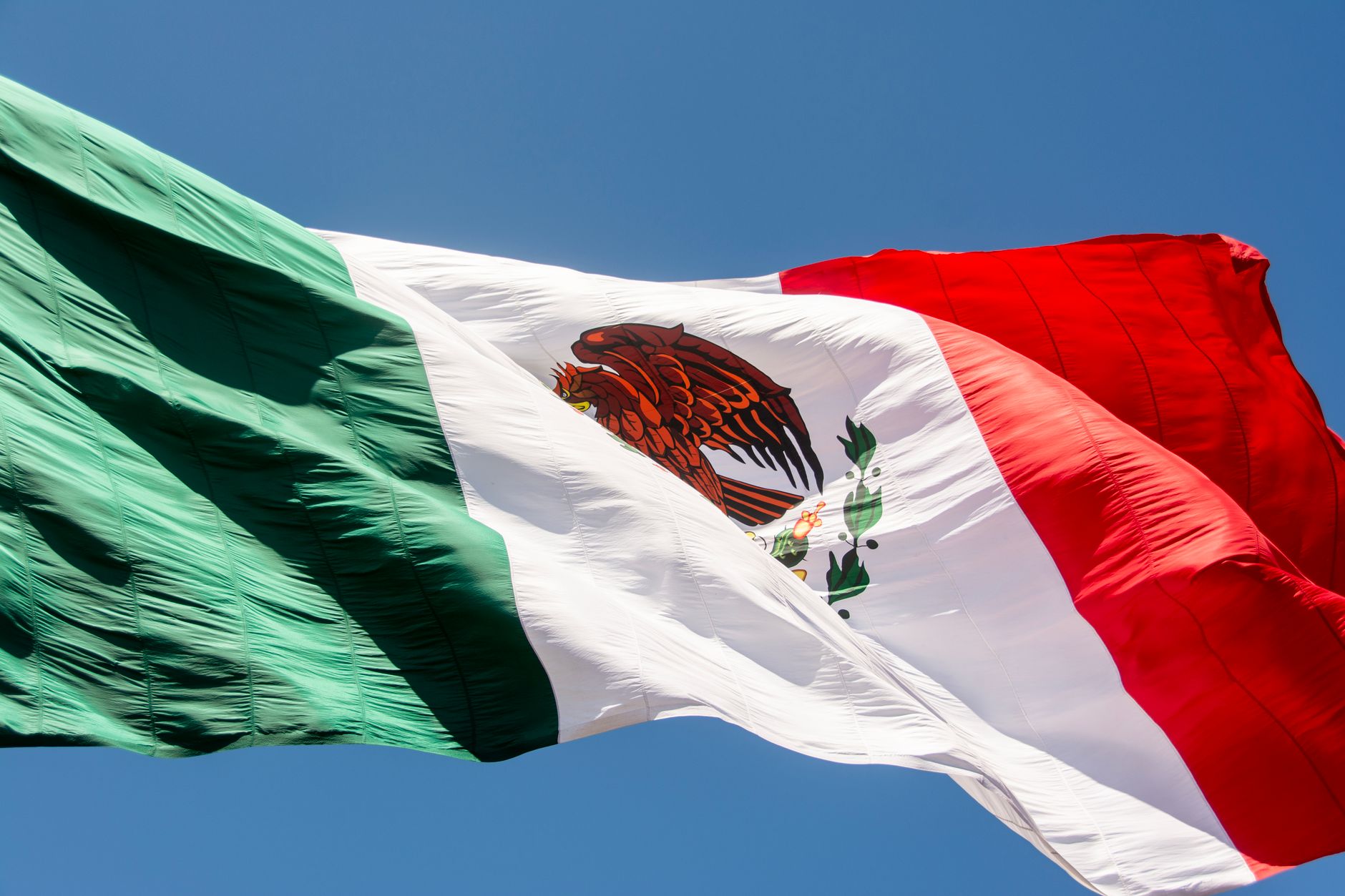
The eagle, a powerful and enduring emblem, is central to Mexico’s national identity because it embodies the nation’s founding myth; it’s a visual representation of the Why does Mexico have the eagle?, harking back to the legendary prophecy that guided the Aztecs to their capital, Tenochtitlan.
A Deep Dive into Mexico’s Eagle Symbol
The eagle, perched atop a prickly pear cactus devouring a serpent, is arguably the most recognizable symbol of Mexico. But why does Mexico have the eagle? Understanding its significance requires delving into the rich history and mythology of the Aztec civilization.

Do all amphibians have eyelids?
Why do cuttlefish have W-shaped eyes?
Do all snakes have poison in them?
What is the GREY African clawed frog?
The Aztec Prophecy: The Foundation of a Nation
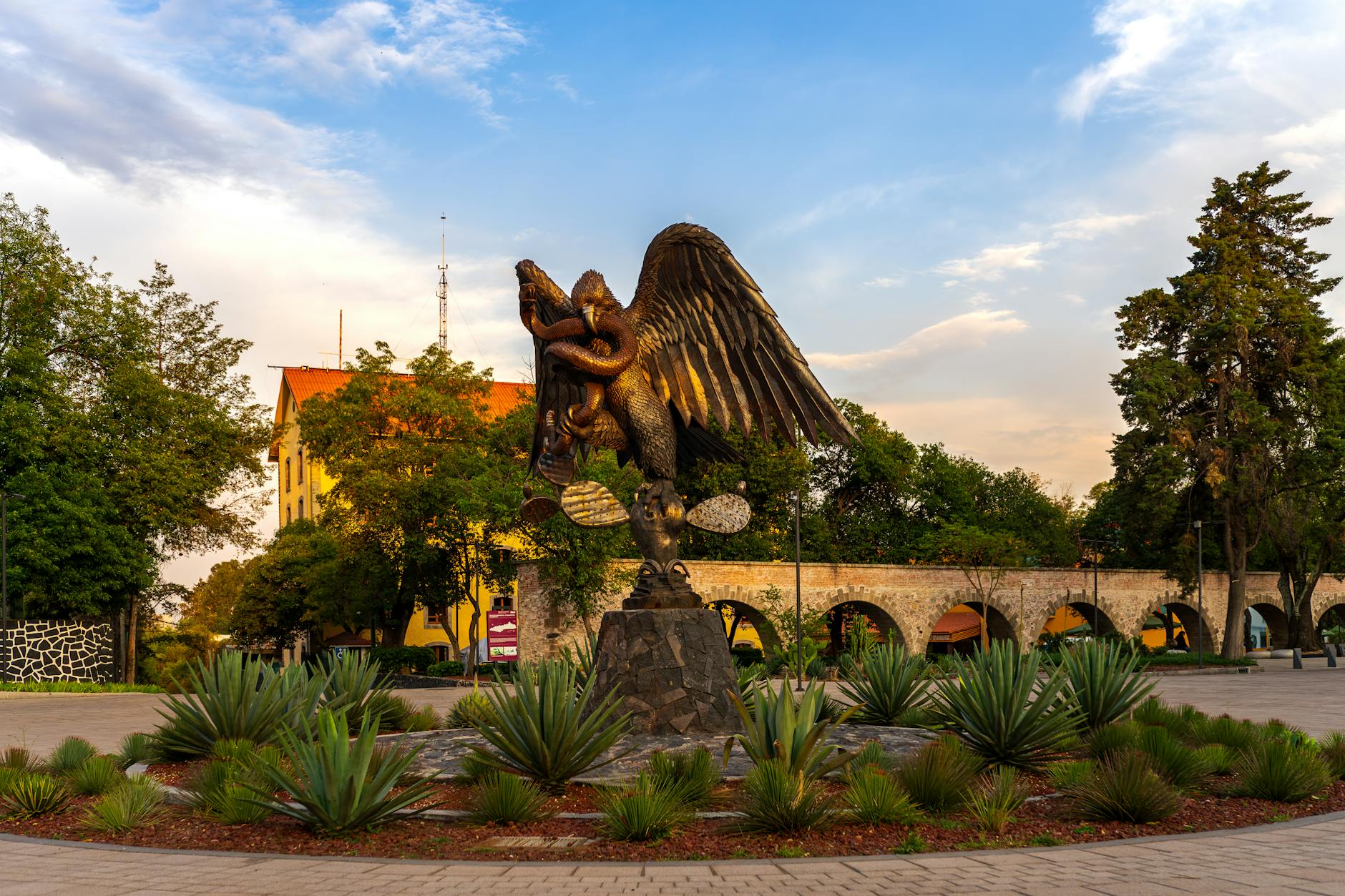
The Aztecs, also known as the Mexica, were a nomadic tribe who migrated from their ancestral homeland, Aztlán, in search of a new home. According to their prophecy, their god Huitzilopochtli instructed them to seek out an eagle perched on a prickly pear cactus (nopal) devouring a serpent. This vision would mark the location where they were to build their magnificent capital city.
- The prophecy originated with their patron god, Huitzilopochtli.
- The eagle, cactus, and serpent were the key components of the divine message.
- The vision would signify the end of their arduous journey and the beginning of their imperial destiny.
Finding Tenochtitlan: The Fulfillment of the Prophecy
After years of wandering, the Aztecs finally encountered the prophesied scene on a small island in Lake Texcoco in 1325. They interpreted this as a sign from the gods and immediately began constructing their city, Tenochtitlan, which would eventually become one of the largest and most sophisticated cities in the world.
The Eagle in Mexican National Symbolism
Following Mexico’s independence from Spain in 1821, the eagle symbol, already deeply ingrained in the nation’s collective consciousness, was adopted as the central element of the national coat of arms and flag. This was not merely a symbolic borrowing from the Aztecs, but a conscious effort to connect the newly independent nation to its pre-Columbian past, emphasizing its unique identity and heritage.
- It links modern Mexico to its rich pre-Columbian heritage.
- It symbolizes strength, courage, and freedom.
- It represents the nation’s enduring spirit and resilience.
The Evolution of the Eagle Design
Over the centuries, the depiction of the eagle has undergone several modifications, reflecting different political and artistic trends. However, the core elements – the eagle, the cactus, and the serpent – have remained constant, underscoring the enduring importance of the founding myth.
| Era | Key Characteristics of the Eagle Design |
|---|---|
| Pre-Independence | Variations existed in indigenous depictions, reflecting regional styles. |
| Early Independence | Early designs often showed the eagle crowned, reflecting monarchist leanings. |
| Republican Era | The crown was removed, emphasizing republican ideals. |
| Modern Era | The current design is more stylized and refined, emphasizing its symbolic power. |
The Eagle Beyond the Flag
The eagle symbol extends far beyond the national flag and coat of arms. It is ubiquitous in Mexican society, appearing on coins, currency, government buildings, and countless other contexts. It serves as a constant reminder of the nation’s history, culture, and identity. The prevalence of the eagle demonstrates why does Mexico have the eagle? – it’s a visual testament to their history and national identity.
FAQs: Deeper Insights into the Mexican Eagle
Why is the eagle specifically devouring a serpent?
The serpent in the Aztec myth often represents earthly power and fertility. The eagle, representing celestial power and the sun, devouring the serpent symbolizes the triumph of good over evil, the ascendancy of the Aztec people, and the foundation of a new civilization. Some scholars also believe the serpent represents Quetzalcoatl, a prominent deity in Mesoamerican cultures.
What type of eagle is depicted on the Mexican flag?
While not explicitly stated in law, the eagle depicted on the Mexican flag is generally recognized as a Golden Eagle (Aquila chrysaetos), a majestic bird of prey native to North America, including Mexico. The golden color of its feathers further emphasizes its regal and powerful symbolism.
How does the eagle symbol connect with contemporary Mexican identity?
The eagle connects modern Mexicans to a proud pre-Columbian heritage, fostering a sense of national unity and identity. It transcends political divides and serves as a powerful reminder of shared history and cultural values. It symbolizes resilience, independence, and the enduring spirit of the Mexican people.
Is the Aztec myth the only explanation for why Mexico has the eagle?
While the Aztec myth is the primary and most significant explanation, the eagle is also a common symbol of power and strength in many cultures around the world. Its association with freedom, nobility, and vision resonates deeply with the Mexican people, regardless of its historical context.
Has the symbolism of the eagle ever been challenged or questioned in Mexico?
While there have been debates about the specific design and interpretation of the eagle, the fundamental symbolism has remained largely unchallenged. The eagle is deeply embedded in Mexican national identity and is widely respected and revered.
Why is the eagle depicted on a nopal cactus?
The nopal cactus, or prickly pear cactus, is native to Mexico and represents the arid and challenging landscape that the Aztecs faced during their migration. It also symbolizes resilience and the ability to thrive in harsh conditions. The combination of the eagle and the cactus reinforces the image of strength and adaptability.
Does the eagle symbol appear in other aspects of Mexican culture besides the flag and coat of arms?
Yes, the eagle symbol is ubiquitous in Mexican culture. It appears on currency, government buildings, monuments, and various forms of art and design. It is a constant reminder of the nation’s history and heritage and serves as a powerful symbol of Mexican identity.
How did the Spanish colonization affect the eagle’s symbolism?
During the Spanish colonial period, the indigenous interpretations of the eagle were partially suppressed. However, the symbol never disappeared entirely and was revived with even greater force following Mexico’s independence, becoming a central element of the nation’s new identity.
Is there any religious significance to the eagle symbol beyond the Aztec myth?
In some indigenous belief systems, the eagle is associated with the sun god and spiritual power. While the Aztec myth is the primary source of its symbolism, these broader associations contribute to its overall significance in Mexican culture.
Why is the eagle facing left on the flag?
The direction the eagle faces on the Mexican flag has been the subject of debate and change over time. Generally, the eagle has faced forward or to the viewer’s left (symbolically towards the future). This orientation has varied based on political and artistic preferences.
What other animals are important in Mexican symbolism?
Besides the eagle and the serpent, the jaguar is another important animal in Mexican symbolism, representing power, strength, and connection to the earth. Monkeys are also featured in ancient indigenous art representing life force and connection to the natural world.
How does the average Mexican citizen feel about the Eagle on the flag?
For most Mexicans, the eagle on the flag represents national pride, a connection to their ancestors, and the enduring spirit of their nation. It is a symbol of respect, strength, and the aspiration for a better future, embodying the answer to Why does Mexico have the eagle?