
How Long Does It Take for 50 mg of Benadryl to Wear Off?
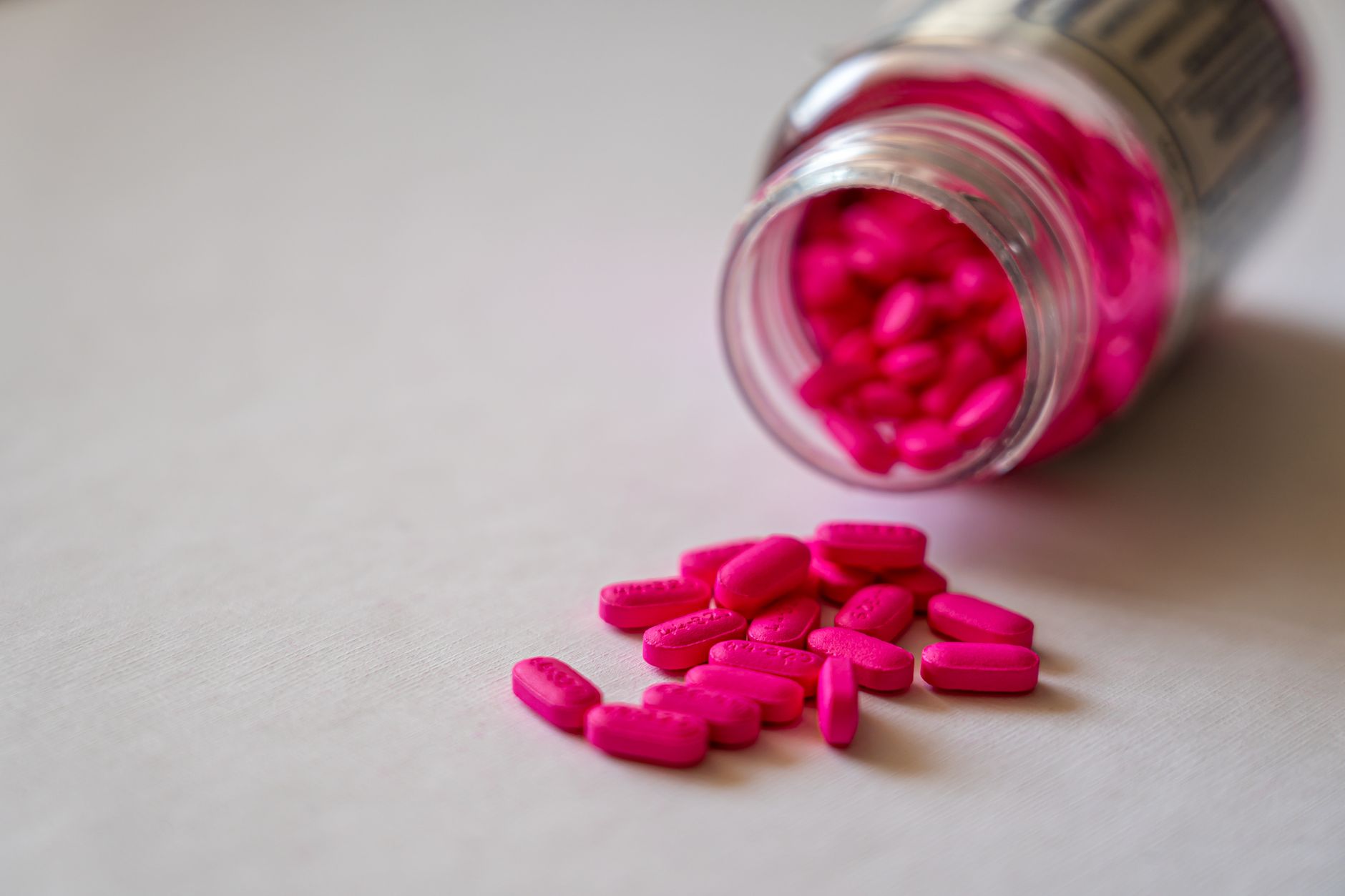
The effects of 50 mg of Benadryl typically wear off within approximately 4-6 hours for most adults, but individual experiences can vary significantly based on factors like age, metabolism, and liver function. This article will delve into the specifics of how long does it take for 50 mg of Benadryl to wear off and the factors influencing its duration.
Understanding Benadryl (Diphenhydramine)
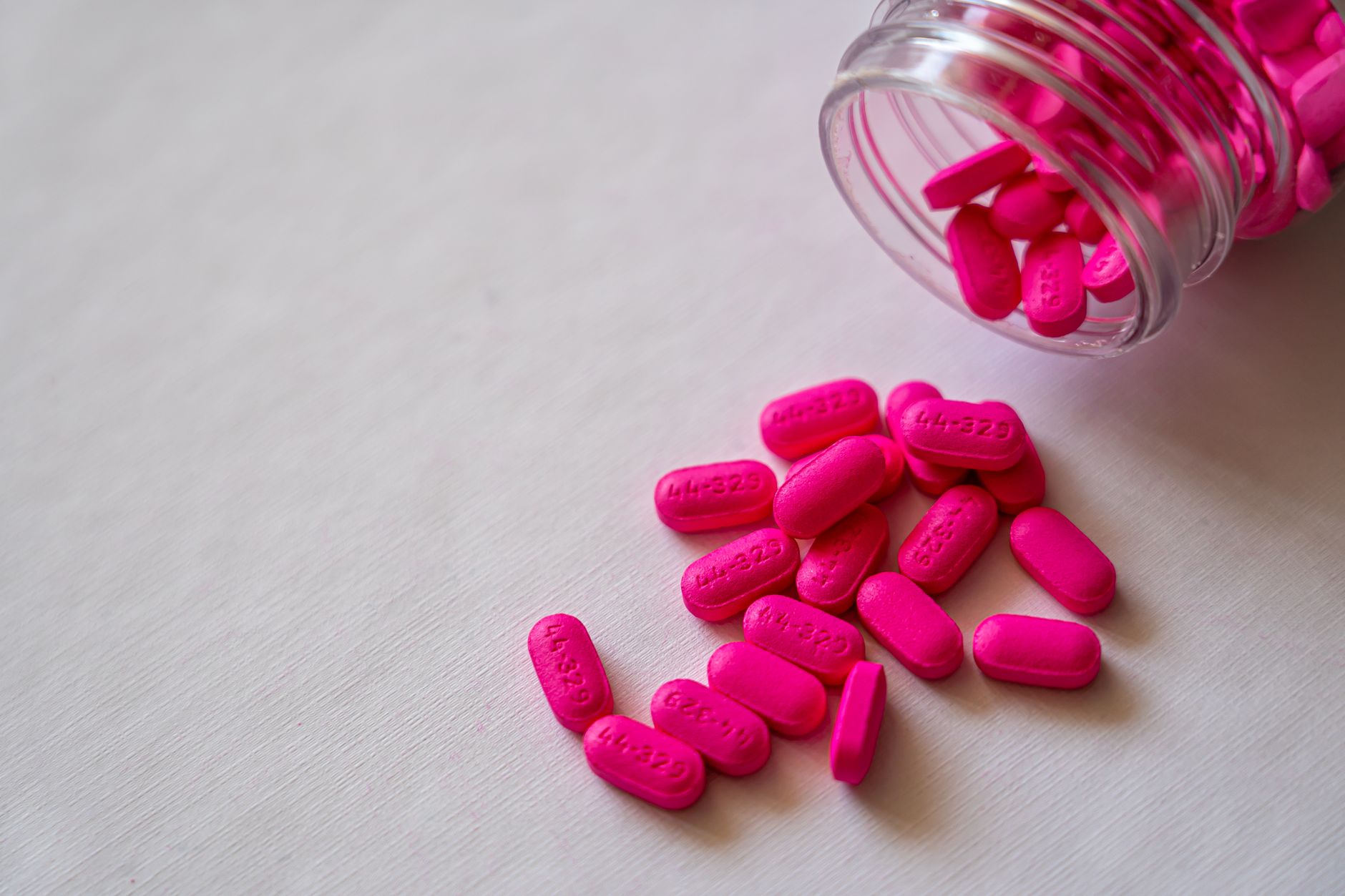
Benadryl, the brand name for diphenhydramine, is a common over-the-counter antihistamine used to relieve symptoms of allergies, hay fever, and the common cold. It works by blocking histamine, a chemical released by the body during an allergic reaction. Histamine causes itching, sneezing, runny nose, and watery eyes. While effective, Benadryl is known for its sedative effects, which is why it’s often used as a sleep aid.

Is distilled water good for goldfish?
What colours are fish most attracted to?
Can you put your finger in a trout's mouth?
Is methylene blue anti bacterial?
The Half-Life of Benadryl
The half-life of a drug is the time it takes for half of the drug’s concentration to be eliminated from the body. The half-life of Benadryl is generally between 4 and 8 hours in adults. This means that after 4 to 8 hours, half of the 50 mg dose will have been metabolized. It typically takes about 4 to 5 half-lives for a drug to be almost completely eliminated from the system. Therefore, how long does it take for 50 mg of Benadryl to wear off depends on the rate it’s eliminated.
Factors Affecting Benadryl’s Duration
Several factors can influence how long does it take for 50 mg of Benadryl to wear off:
- Age: Older adults generally have slower metabolism and reduced liver and kidney function, which can prolong the effects of Benadryl.
- Weight: Body weight can affect the concentration of the drug in the bloodstream.
- Metabolism: Individuals with faster metabolisms may process the drug more quickly.
- Liver and Kidney Function: These organs are responsible for metabolizing and eliminating drugs from the body. Impaired function can slow down the process.
- Other Medications: Certain medications can interact with Benadryl, affecting its metabolism and duration of action.
- Dosage: Higher doses, obviously, will take longer to clear the system.
- Individual Sensitivity: Some people are simply more sensitive to the effects of Benadryl than others.
- Food Intake: Taking Benadryl with food can delay its absorption, potentially affecting the onset and duration of effects.
Expected Timeline for 50 mg of Benadryl
While the half-life provides a theoretical framework, the actual felt effects can vary. Here’s a general timeline to consider for how long does it take for 50 mg of Benadryl to wear off:
- Initial Effects (30-60 minutes): You’ll start to feel the effects, including drowsiness and reduced allergy symptoms.
- Peak Effects (1-3 hours): The sedative and antihistamine effects are typically at their strongest.
- Diminishing Effects (4-6 hours): The primary effects begin to wear off, but some residual drowsiness might linger.
- Almost Complete Elimination (20-40 hours): It takes about 4-5 half-lives for the drug to be almost entirely eliminated from your system, although the noticeable effects should be gone much sooner.
Potential Side Effects After the Main Effects Subside
Even after the main sedative effects have worn off, some mild side effects may persist. These can include:
- Dry mouth
- Slight dizziness
- Mild drowsiness
- Blurred vision (less common, but possible)
Important Considerations
- Driving and Operating Machinery: Avoid driving or operating heavy machinery until you are certain that the effects of Benadryl have completely worn off. Even if you feel awake, your reaction time may be impaired.
- Alcohol: Do not consume alcohol while taking Benadryl, as it can significantly increase the sedative effects and lead to dangerous interactions.
- Consult a Doctor: If you have any underlying health conditions, are taking other medications, or experience unusual side effects, consult with your doctor before taking Benadryl.
Frequently Asked Questions (FAQs)
What happens if I take 50 mg of Benadryl and don’t feel anything?
Some individuals are less sensitive to the effects of Benadryl than others. It’s possible that your metabolism is faster, or your body simply doesn’t react as strongly to the medication. However, if you consistently don’t feel any effects, consult your doctor to rule out any underlying medical conditions or potential drug interactions. It’s crucial to understand why Benadryl isn’t working as expected for you.
Is it safe to take another 50 mg of Benadryl if I don’t feel anything after an hour?
Taking more Benadryl than recommended can lead to dangerous side effects, including excessive drowsiness, confusion, blurred vision, and even more serious complications. It is extremely important to adhere to the dosage instructions on the package or as prescribed by your healthcare provider. Never double the dose without professional guidance.
Can I take Benadryl with other medications?
Benadryl can interact with a wide range of medications, including antidepressants, sedatives, and other antihistamines. These interactions can increase the risk of side effects or reduce the effectiveness of the medications. Always consult with your doctor or pharmacist before taking Benadryl with any other medications, including over-the-counter drugs and herbal supplements.
Does Benadryl affect everyone the same way?
No, individual responses to Benadryl can vary significantly. Factors like age, weight, metabolism, liver and kidney function, and individual sensitivity all play a role in how the drug affects you. Some people may experience strong sedative effects, while others may feel very little.
Will drinking coffee counteract the drowsiness caused by Benadryl?
While caffeine might temporarily mask the drowsiness, it doesn’t actually counteract the effects of Benadryl. Caffeine can make you feel more alert, but the Benadryl is still affecting your system. Mixing caffeine and Benadryl can also lead to increased anxiety and heart palpitations in some individuals.
How long should I wait before driving after taking 50 mg of Benadryl?
It is generally recommended to wait at least 4-6 hours after taking 50 mg of Benadryl before driving, or until you are certain that the effects have completely worn off. Impaired reaction time and drowsiness can significantly increase the risk of accidents. Your safety, and the safety of others, is paramount.
Can I take Benadryl if I have a pre-existing medical condition?
Individuals with certain pre-existing medical conditions, such as glaucoma, asthma, prostate problems, or heart disease, should consult with their doctor before taking Benadryl. Benadryl can exacerbate these conditions or interact with medications used to treat them.
Is it okay to use Benadryl as a sleep aid regularly?
While Benadryl can induce sleepiness, it’s not recommended for long-term use as a sleep aid. Regular use can lead to tolerance, meaning you’ll need higher doses to achieve the same effect. It can also disrupt your natural sleep cycle and lead to dependence. Consult with your doctor about safer and more effective long-term solutions for insomnia.
What are the common side effects of taking 50 mg of Benadryl?
Common side effects of Benadryl include drowsiness, dry mouth, blurred vision, dizziness, and constipation. These side effects are usually mild and temporary, but if they persist or worsen, consult with your doctor.
Can Benadryl cause any serious side effects?
While rare, Benadryl can cause serious side effects, especially at higher doses. These include confusion, hallucinations, rapid heartbeat, seizures, and difficulty breathing. If you experience any of these symptoms, seek immediate medical attention.
Does the brand of Benadryl affect how long it lasts?
Generally, the brand (generic vs. brand name) does not significantly affect how long does it take for 50 mg of Benadryl to wear off, as long as the active ingredient (diphenhydramine) is the same and the dosage is consistent. However, different formulations (e.g., liquid, tablet, chewable) might have slightly different absorption rates, which could subtly influence the onset and intensity of effects.
What should I do if I accidentally overdosed on Benadryl?
If you suspect an overdose on Benadryl, seek immediate medical attention. Symptoms of an overdose can include severe drowsiness, confusion, hallucinations, seizures, difficulty breathing, and coma. Call emergency services or go to the nearest emergency room.