

What Can I Mix With Soybeans for Deer?
Soybeans, while a nutritional powerhouse for deer, can be enhanced and utilized more effectively by mixing them with various other attractants and supplemental foods. What can I mix with soybeans for deer? The answer includes grains, seeds, and mineral supplements to create a highly palatable and nutritionally complete food source designed to maximize deer health and attract them consistently.

The Allure of Soybeans for Deer: A Background
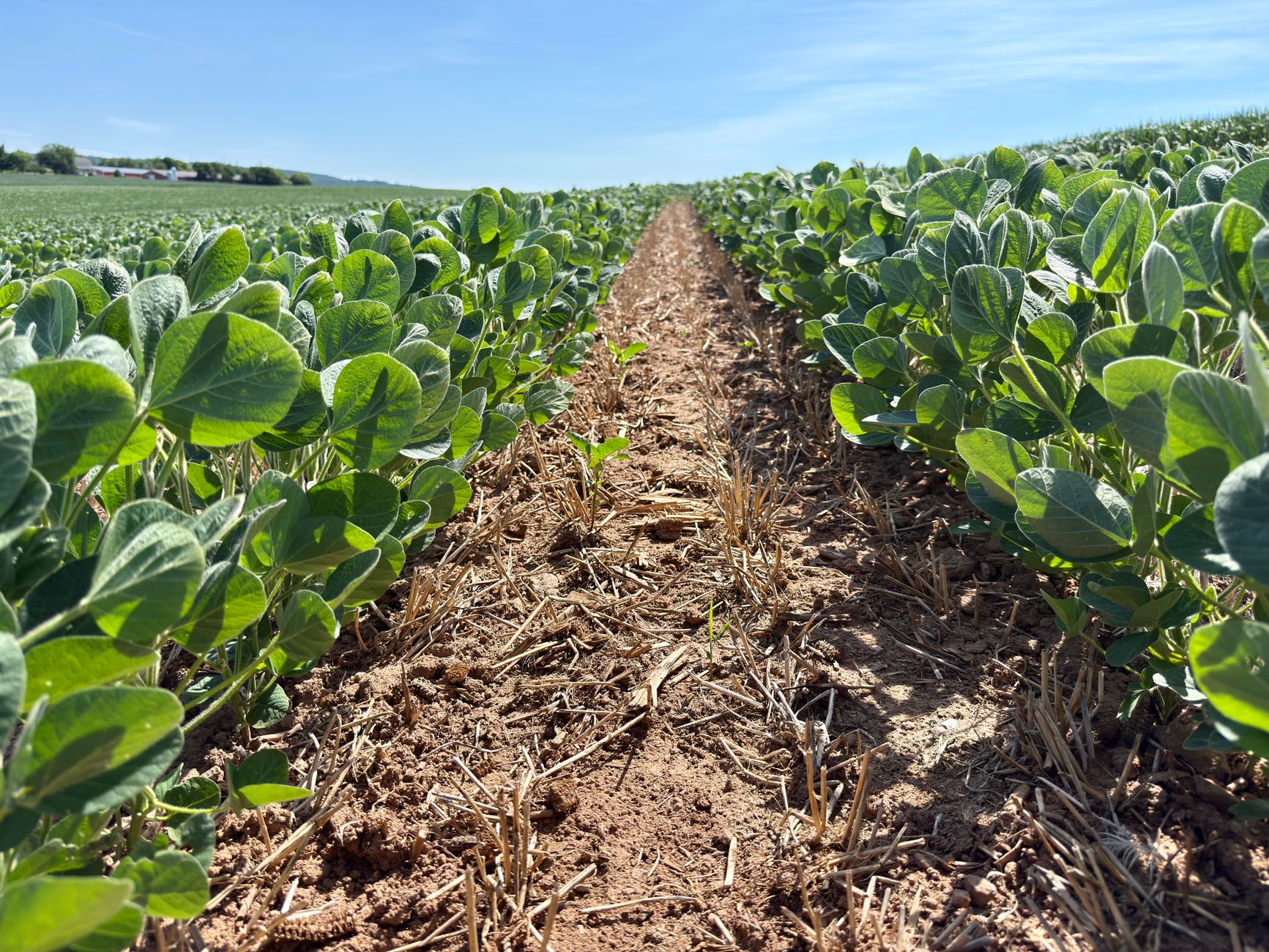
Soybeans are incredibly attractive to deer, particularly during the late summer and fall when their antlers are developing and they need protein to prepare for the rut and winter. They offer a high concentration of protein and digestible energy. However, relying solely on soybeans can present challenges. Monoculture crops can be susceptible to overgrazing, and deer may benefit from a more diverse nutritional profile than soybeans alone provide. That’s where mixing comes in.
What colours are fish most attracted to?
Can you put your finger in a trout's mouth?
Is methylene blue anti bacterial?
Does aquarium salt raise pH in aquarium?
Enhancing Attraction: The Benefits of Mixing

Mixing other components with soybeans creates a more diverse and attractive food plot or feeding station. Here’s why it’s beneficial:
- Improved Palatability: Different deer have different preferences. Offering a variety of flavors and textures increases the chances that more deer will be drawn in.
- Enhanced Nutritional Profile: While soybeans are rich in protein, they may lack certain essential nutrients. Combining them with other grains and minerals can create a more balanced diet.
- Extended Availability: Mixing fast-maturing crops with soybeans extends the period during which food is available, ensuring a consistent food source for a longer duration.
- Reduced Overgrazing: By offering alternative food sources, you can reduce the pressure on soybean crops, allowing them to establish and mature more effectively.
- Adaptability to Soil Conditions: Some plants thrive in conditions where soybeans may struggle. Mixing allows you to adapt to varying soil types.
Ideal Ingredients: What to Mix With Soybeans
What can I mix with soybeans for deer? Several excellent options exist, each offering unique benefits:
- Corn: Provides carbohydrates for energy and helps attract deer during colder months.
- Oats: Highly palatable and digestible, offering both energy and fiber.
- Wheat: Another excellent grain option that’s attractive to deer.
- Clover: A legume that fixes nitrogen in the soil, benefiting the soybean crop. Clover also provides a high-protein food source.
- Brassicas (Turnips, Radishes, Kale): Cold-tolerant plants that provide food into the winter months, when other options may be scarce.
- Peas: Another legume that offers high protein and palatability.
- Mineral Supplements: Adding a deer-specific mineral supplement ensures deer receive essential minerals and trace elements crucial for antler development, reproduction, and overall health.
Choosing the Right Mix: Considerations and Planning
Selecting the right mix of ingredients involves careful consideration of several factors:
- Local Climate: Choose plants that thrive in your area’s climate and growing season.
- Soil Type: Ensure the selected plants are suitable for your soil’s pH and nutrient levels. A soil test is highly recommended.
- Deer Density: Adjust the size and composition of the food plot or feeding station based on the deer population in your area.
- Budget: Consider the cost of seed, fertilizer, and other inputs when planning your mix.
- Desired Outcomes: Are you primarily focused on antler growth, overall health, or attracting deer during specific hunting seasons?
Effective Mixing Strategies: Planting and Feeding
Two primary approaches to mixing ingredients with soybeans exist: planting mixed food plots and supplementing feed stations.
Planting Mixed Food Plots:
- Soil Preparation: Conduct a soil test and amend the soil as needed based on the results.
- Seed Selection: Choose a mix of soybean varieties and companion crops that are well-suited to your local conditions.
- Planting: Plant seeds at the recommended depth and spacing. Consider using a no-till drill to minimize soil disturbance.
- Fertilization: Apply fertilizer according to soil test recommendations.
- Weed Control: Implement a weed control strategy to prevent weeds from outcompeting the desired plants.
Supplementing Feed Stations:
- Choose a Location: Select a location that is easily accessible to deer and provides adequate cover.
- Select a Feeder: Use a deer feeder that is designed to dispense the mixed ingredients efficiently.
- Mix Ingredients: Blend soybeans with grains, minerals, and other attractants in appropriate ratios.
- Monitor Consumption: Observe deer activity and adjust the mix as needed to optimize consumption and attraction.
Avoiding Common Mistakes
Several common mistakes can hinder the success of soybean and feed mixes for deer:
- Poor Soil Preparation: Neglecting soil testing and amendment can lead to poor plant growth and reduced yields.
- Overgrazing: Failing to protect young plants from overgrazing can prevent them from establishing properly. Consider fencing or using deer repellents.
- Improper Planting: Planting seeds too deep or too shallow can reduce germination rates.
- Inadequate Weed Control: Allowing weeds to thrive can outcompete the desired plants for resources.
- Using Inferior Seed: Opt for high-quality seed from reputable suppliers.
- Ignoring Local Regulations: Be aware of any regulations regarding feeding or planting food plots in your area.
Table: Comparing Common Soybean Mix Ingredients
| Ingredient | Benefits | Considerations |
|---|---|---|
| Corn | High energy, cold-weather attraction | Can attract other animals like raccoons and turkeys; potential for aflatoxin contamination if stored improperly. |
| Oats | Palatable, digestible, good source of fiber | Less tolerant of cold weather than corn. |
| Wheat | Good source of energy and protein | Similar to oats in terms of palatability and digestibility. |
| Clover | Nitrogen fixation, high protein | Requires well-drained soil. |
| Brassicas | Cold-tolerant, provides food during winter months | Can have a strong odor that some deer may initially avoid; requires good soil drainage. |
| Peas | High protein, highly palatable | Can be susceptible to disease; may require inoculation with nitrogen-fixing bacteria. |
| Mineral Supplements | Essential minerals for antler growth, reproduction, and overall health | Choose a deer-specific mineral supplement and follow recommended application rates. Ensure it contains calcium, phosphorus, and salt. |
The Long-Term Perspective: Sustaining Deer Health
Successfully attracting deer is only part of the equation. It’s crucial to focus on providing a sustainable food source that promotes long-term health and well-being. By carefully selecting and mixing ingredients, you can create a nutritionally complete and attractive food plot or feeding station that benefits deer year after year. Remember what can I mix with soybeans for deer? is a continuous question that depends on the season and your goals.
Frequently Asked Questions (FAQs)
What is the best time to plant soybeans and companion crops for deer?
The optimal planting time depends on your local climate and the specific crops you choose. Generally, soybeans should be planted in the late spring or early summer, after the risk of frost has passed. Companion crops, such as clover or oats, can be planted at the same time or slightly earlier, depending on their specific requirements. Always consult local agricultural extension resources for precise planting recommendations in your region.
How much area should I dedicate to a soybean food plot for deer?
The size of the food plot depends on the deer population in your area and your overall goals. As a general guideline, aim for at least one acre of food plot per 20-30 deer. Smaller plots can be effective, but they may be more susceptible to overgrazing. Consider establishing multiple smaller plots rather than one large plot to distribute grazing pressure.
Can I mix soybeans with commercial deer feed?
Yes, mixing soybeans with commercial deer feed can be an effective way to enhance its nutritional value and palatability. Look for commercial deer feeds that are specifically formulated to complement soybeans. Be sure to follow the manufacturer’s recommendations for mixing ratios.
What types of soybeans are best for deer food plots?
Several soybean varieties are specifically bred for deer food plots. Look for varieties that are high in protein, shatter-resistant (meaning they hold their pods well), and resistant to common soybean diseases. Forage soybeans, such as Roundup Ready varieties, are popular choices.
How do I protect soybean food plots from overgrazing by deer?
Overgrazing can be a significant problem, especially during the early stages of plant growth. Consider using fencing, deer repellents, or planting larger areas to reduce grazing pressure. Electric fencing is particularly effective in deterring deer.
Are there any potential drawbacks to feeding deer soybeans?
While soybeans are highly nutritious, overconsumption can sometimes lead to digestive problems. Additionally, relying solely on soybeans can create a nutritional imbalance. Always provide a variety of food sources to ensure a balanced diet.
What are the best mineral supplements to mix with soybeans for deer?
Choose a deer-specific mineral supplement that contains calcium, phosphorus, sodium, and trace minerals like zinc, manganese, and copper. These minerals are essential for antler development, reproduction, and overall health. Look for supplements that are designed to be palatable and readily consumed by deer.
How often should I replenish the mineral supplement in my soybean mix?
The frequency of replenishment depends on deer activity and consumption rates. Monitor the mineral lick regularly and replenish it as needed. A good rule of thumb is to replenish it every 2-4 weeks.
Can I use cracked corn instead of whole corn in my soybean mix?
Cracked corn can be more easily digestible for deer, especially young deer. However, it also tends to spoil more quickly than whole corn. If you choose to use cracked corn, store it properly to prevent spoilage and mold growth.
What other animals might be attracted to my soybean and corn mix?
In addition to deer, your soybean and corn mix may also attract other animals, such as raccoons, turkeys, squirrels, and birds. While these animals may not be undesirable, it’s important to be aware of their presence and adjust your feeding strategy accordingly. Using feeders designed to prevent access by smaller animals can help minimize competition.
How do I prevent mold growth in my soybean and corn mix?
Proper storage is crucial to prevent mold growth. Store the mix in a dry, well-ventilated area. Avoid storing the mix directly on the ground or in damp containers.
Is it legal to feed deer soybeans in my area?
Regulations regarding feeding deer vary from state to state and even county to county. Before establishing a feeding program, be sure to check with your local wildlife agency to ensure that it is legal and permissible.