
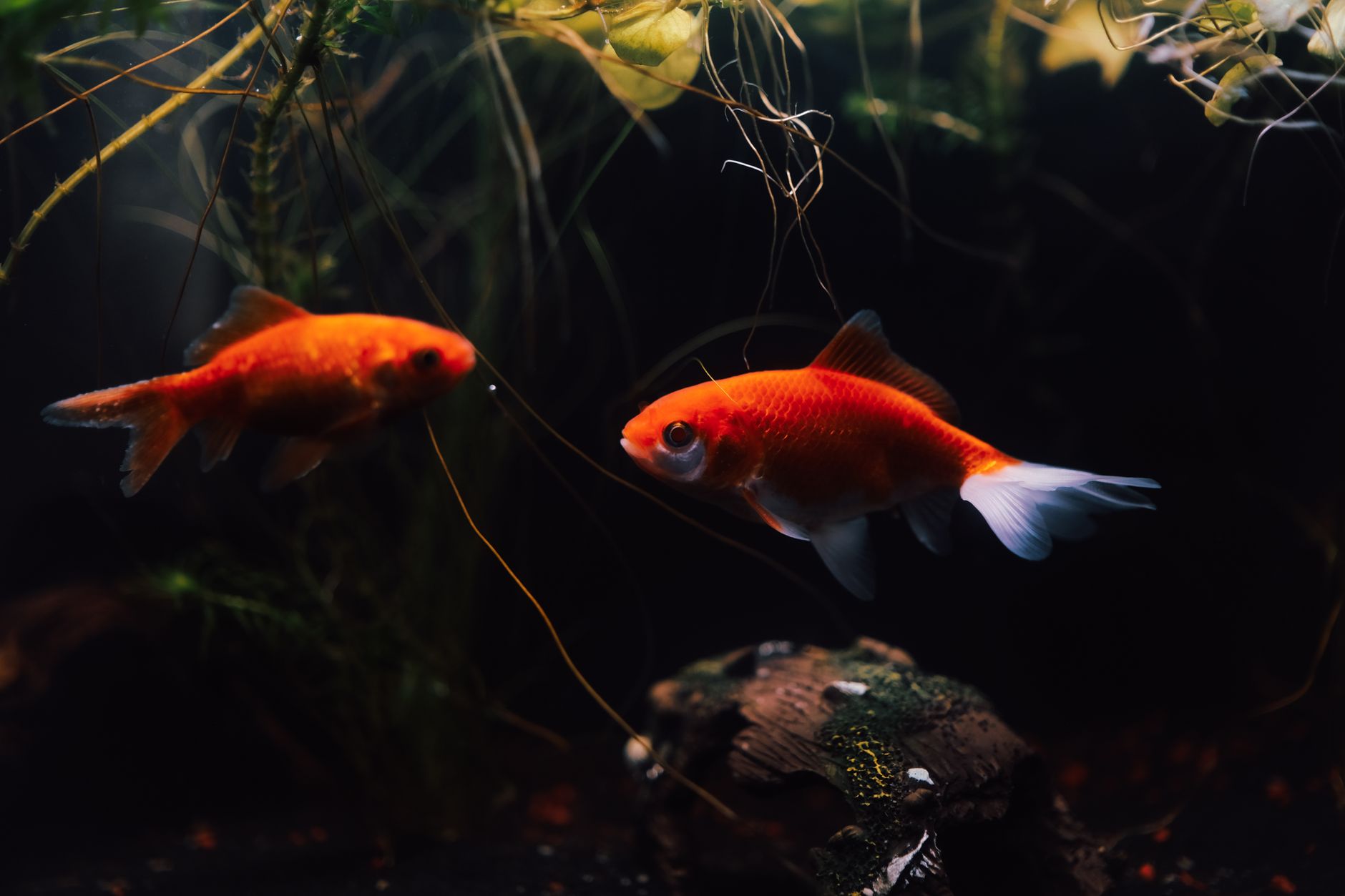
Why Is My Orange Goldfish Getting Black Spots?
The appearance of black spots on your orange goldfish is likely due to increased ammonia levels in the water leading to ammonia burn, a common ailment in these popular pets. Understanding the causes and treatment is crucial for your goldfish’s health.
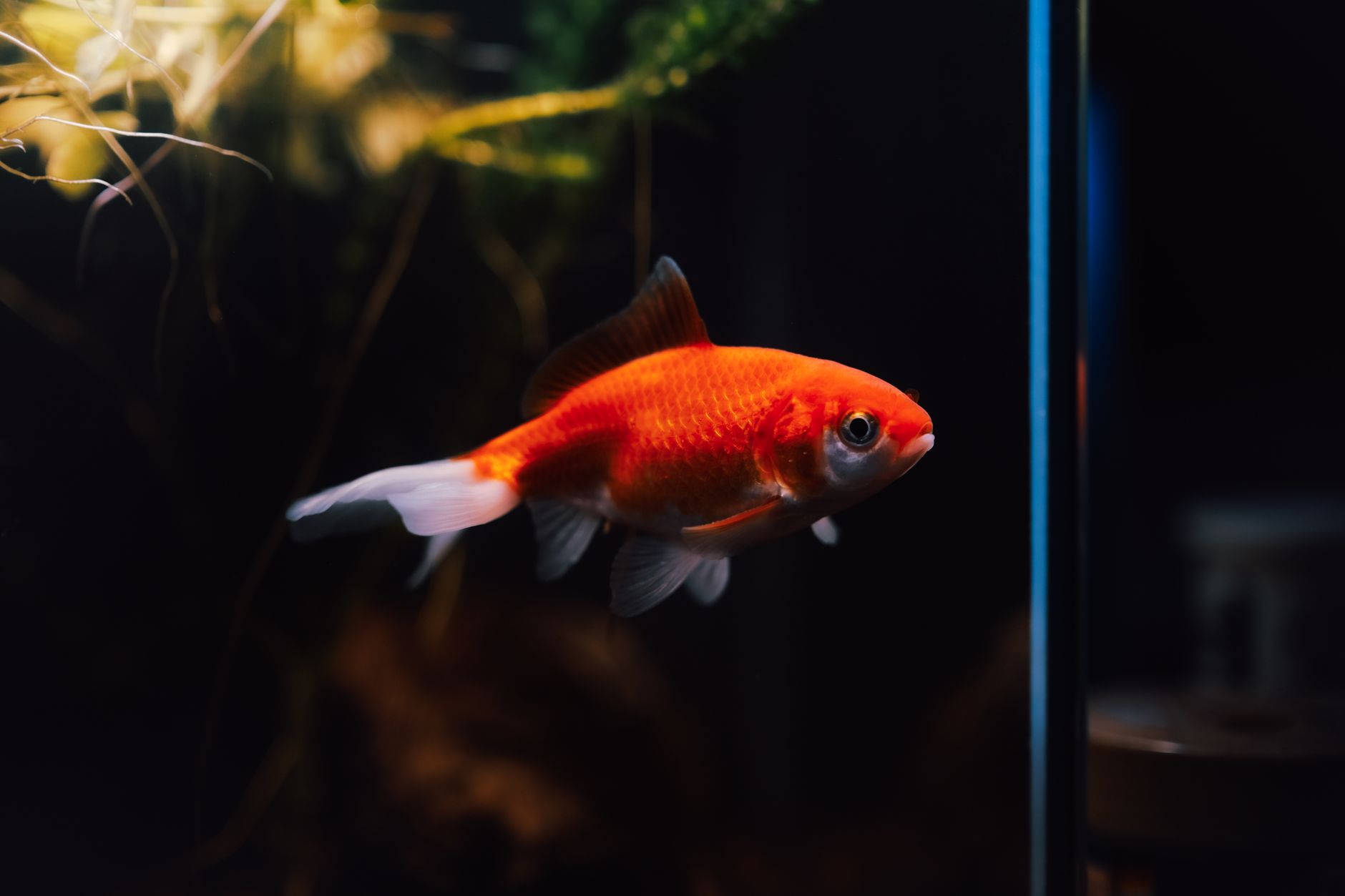
Introduction to Black Spots on Goldfish
The sudden appearance of black spots on a previously vibrant orange goldfish can be alarming for any owner. While it might seem like a mysterious disease, the most frequent culprit is usually a direct result of water quality issues. These spots aren’t a disease themselves but rather a reaction to elevated ammonia and nitrite levels in the tank – a condition known as ammonia burn. Addressing the underlying water problems is the key to resolving this issue.

What is the GREY African clawed frog?
What colours are fish most attracted to?
Can you put your finger in a trout's mouth?
Is methylene blue anti bacterial?
Understanding Ammonia Burn in Goldfish

Ammonia burn occurs when goldfish are exposed to high levels of ammonia and nitrites, typically due to poor water quality or inadequate filtration. Goldfish produce a significant amount of waste, and if the tank isn’t properly maintained, this waste breaks down into harmful ammonia.
- Ammonia is highly toxic to fish.
- It irritates their skin and gills.
- Prolonged exposure leads to tissue damage.
The black spots you see are the fish’s attempt to heal the damage. The skin is producing extra melanin, resulting in hyperpigmentation. This is similar to how human skin darkens after sun exposure.
Causes of High Ammonia Levels
Several factors can contribute to high ammonia levels in a goldfish tank:
- Overcrowding: Too many fish in a small tank produce too much waste.
- Overfeeding: Uneaten food decomposes and releases ammonia.
- Inadequate Filtration: Filters remove ammonia and other toxins. If the filter is undersized or poorly maintained, it can’t do its job effectively.
- Infrequent Water Changes: Regular water changes dilute ammonia and nitrates. Skipping them allows toxins to accumulate.
- New Tank Syndrome: In a newly set up aquarium, the beneficial bacteria needed to break down ammonia haven’t yet established themselves.
Identifying Ammonia Burn
Besides black spots, other symptoms of ammonia burn include:
- Lethargy or inactivity
- Loss of appetite
- Red or inflamed gills
- Clamped fins
- Erratic swimming
If you observe any of these symptoms, immediately test your water for ammonia, nitrite, and nitrate levels. Test kits are readily available at pet stores.
Treatment for Goldfish with Black Spots
Treating ammonia burn requires a multi-pronged approach:
-
Immediate Water Change: Perform a large water change (50-75%) to reduce ammonia levels quickly. Always use a water conditioner to remove chlorine and chloramine.
-
Water Testing and Monitoring: Test your water daily and continue performing water changes until ammonia and nitrite levels are consistently at zero. Monitor for nitrate levels as well. High levels of nitrates require regular water changes too.
-
Address the Underlying Cause: Identify why ammonia levels were high in the first place and correct the problem. This might involve:
- Reducing the number of fish in the tank
- Feeding less food
- Upgrading the filter
- Increasing the frequency of water changes
-
Adding Aquarium Salt: Aquarium salt can help your goldfish cope with stress and promote healing. Use it sparingly and follow the instructions carefully.
-
Medication (If Necessary): In severe cases, antibiotic medications might be necessary to prevent secondary bacterial infections. Consult with a veterinarian specializing in aquatic animals for advice.
Preventing Black Spots on Goldfish
Prevention is always better than cure. Follow these guidelines to maintain a healthy aquarium environment and prevent ammonia burn:
- Choose the Right Tank Size: Goldfish need plenty of space. A general rule is 20 gallons for the first goldfish and 10 gallons for each additional goldfish.
- Use a High-Quality Filter: Invest in a filter that is rated for a tank larger than your actual tank size.
- Perform Regular Water Changes: Change 25-50% of the water weekly.
- Avoid Overfeeding: Feed your goldfish only what they can consume in 2-3 minutes, once or twice a day.
- Gravel Vac: Use a gravel vacuum to remove debris from the substrate during water changes.
- Regularly Test Your Water: Monitor ammonia, nitrite, and nitrate levels regularly.
Common Mistakes When Treating Black Spots
- Ignoring the Underlying Cause: Treating the symptoms without addressing the root cause (high ammonia) will only lead to recurring problems.
- Changing Too Much Water at Once: Large, sudden water changes can shock your fish. Change water in stages, no more than 75% at a time.
- Using Tap Water Without a Conditioner: Tap water contains chlorine and chloramine, which are toxic to fish. Always use a water conditioner to neutralize them.
- Overusing Medications: Medications can stress your fish and disrupt the beneficial bacteria in your filter. Use them only when necessary and under the guidance of a vet.
Table: Comparing Water Quality Parameters
| Parameter | Ideal Level | Action if High |
|---|---|---|
| :———– | :—————– | :—————————————– |
| Ammonia | 0 ppm | Water change, improve filtration |
| Nitrite | 0 ppm | Water change, improve filtration |
| Nitrate | < 40 ppm | Water change |
| pH | 6.5 – 7.5 | Adjust with pH adjusting chemicals cautiously |
Frequently Asked Questions (FAQs)
Can black spots on my goldfish be caused by something other than ammonia burn?
While ammonia burn is the most common cause, occasionally, black spots can be a sign of parasitic infections or even a natural genetic variation. However, ruling out ammonia burn first is always the best approach, as it’s the most likely and dangerous scenario.
How long does it take for black spots to disappear after treating ammonia burn?
The black spots will fade over time as your goldfish heals. It can take several weeks or even months for them to disappear completely. As long as water parameters are good, new spots should not appear.
Is aquarium salt safe for all types of goldfish?
Aquarium salt is generally safe for most types of goldfish, but it’s crucial to use it in moderation and follow the instructions carefully. Some plants and invertebrates might be sensitive to salt. Always research the specific needs of your tank inhabitants.
What type of filter is best for a goldfish tank?
Canister filters and hang-on-back (HOB) filters are both excellent choices for goldfish tanks. Choose one that is rated for a tank larger than your actual tank size to ensure adequate filtration capacity.
How often should I clean my goldfish tank filter?
Clean your filter media only when it becomes clogged and flow is reduced. Over-cleaning can remove beneficial bacteria. Rinse the media gently in used tank water, not tap water.
Can I use tap water for water changes?
Yes, you can use tap water for water changes, but always use a water conditioner to remove chlorine and chloramine, which are toxic to fish.
How much should I feed my goldfish?
Feed your goldfish a small amount of food that they can consume in 2-3 minutes, once or twice a day. Overfeeding is a common mistake that contributes to poor water quality.
What types of food are best for goldfish?
High-quality goldfish flakes or pellets are the best options. Supplement their diet with occasional treats like blanched vegetables (peas, zucchini) or live/frozen foods (bloodworms, daphnia).
Is it okay to keep a single goldfish?
Goldfish are social animals and generally thrive in the company of other goldfish. However, it’s perfectly fine to keep a single goldfish if you provide it with a spacious tank and plenty of enrichment.
Why is my orange goldfish getting black spots, even after I changed the water?
If you are still wondering Why is my orange goldfish getting black spots? even after a water change, you must thoroughly check water parameters daily and test water directly before water changes to see if ammonia/nitrites are building back up before you are conducting the changes. A spike in these could indicate underlying causes previously missed, as discussed above.
Can I add beneficial bacteria to my tank to help prevent ammonia spikes?
Yes, adding beneficial bacteria can help establish the nitrogen cycle more quickly and prevent ammonia spikes. Use a reputable brand of beneficial bacteria supplement.
Are black spots contagious to other fish in the tank?
The black spots themselves are not contagious. However, if the underlying cause is poor water quality, other fish in the tank are also at risk of developing ammonia burn or other health problems. Address the water quality issues promptly to protect all your fish.