
What Happens When a Whale Dies Naturally?
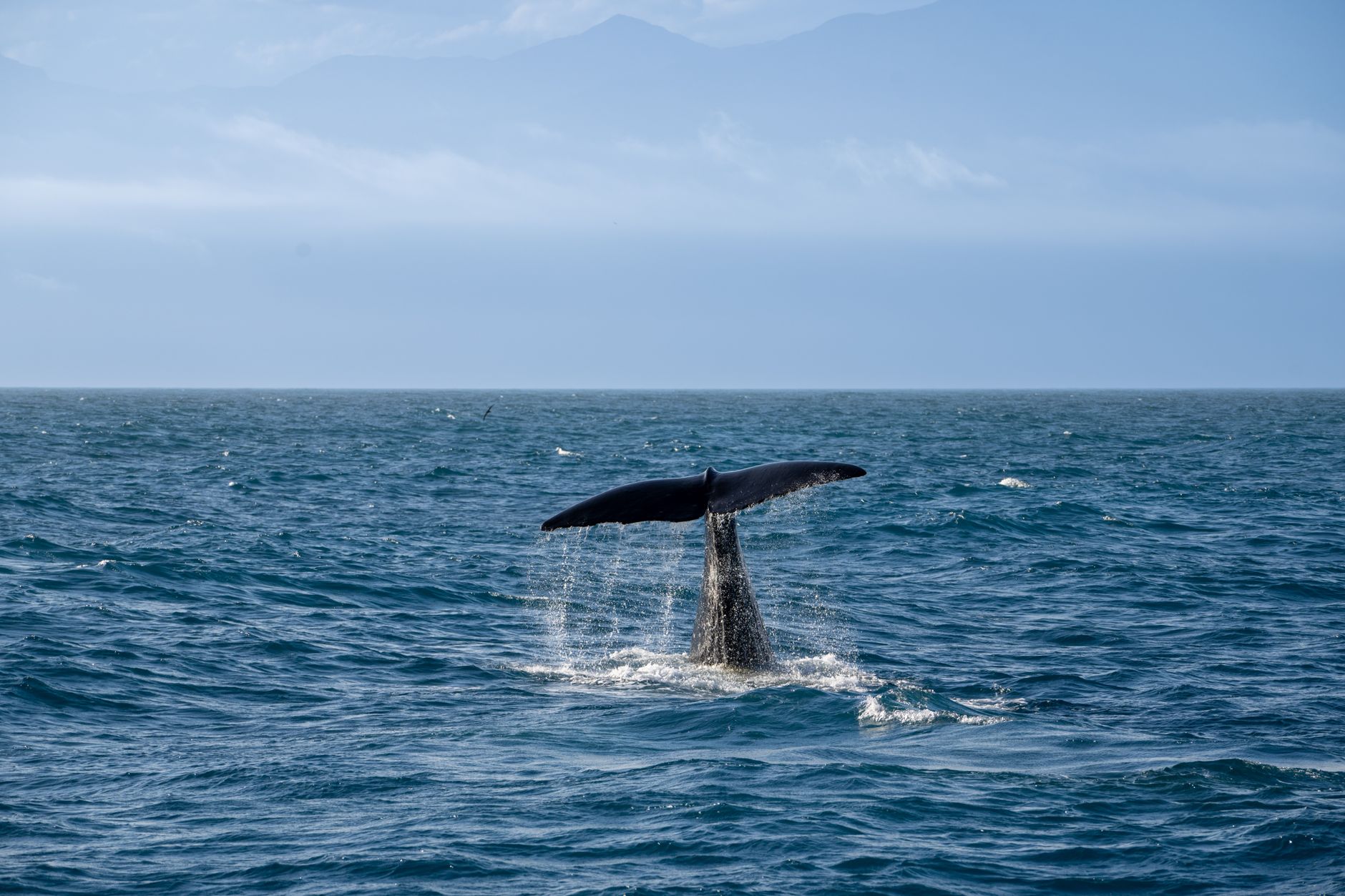
The natural death of a whale initiates a complex and crucial ecological process, with the whale’s body providing sustenance and habitat for a diverse array of deep-sea organisms in a phenomenon known as a whale fall – a remarkable recycling of nutrients.
Introduction: The Ecological Significance of Whale Falls
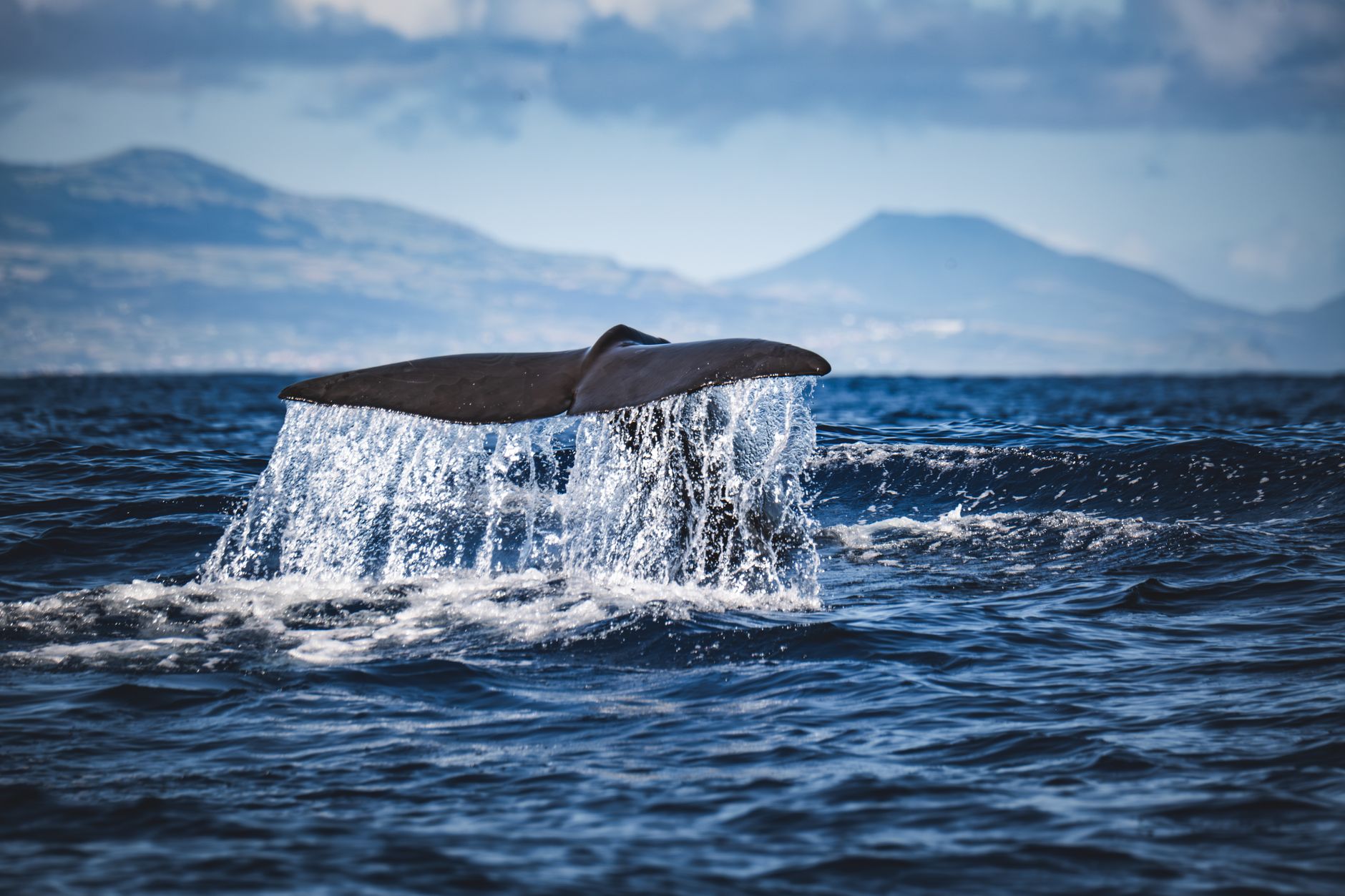
The ocean’s vastness often obscures the intricate connections that tie its inhabitants together. One of the most fascinating and important of these connections is the whale fall. What happens when a whale dies naturally? The answer is far more than just decomposition; it’s a cascade of biological activity that supports unique ecosystems in the deep sea, some of the least understood environments on our planet. Understanding this process is crucial for marine conservation and appreciating the delicate balance of ocean life.

What colours are fish most attracted to?
Can you put your finger in a trout's mouth?
Is methylene blue anti bacterial?
Does aquarium salt raise pH in aquarium?
The Phases of Decomposition
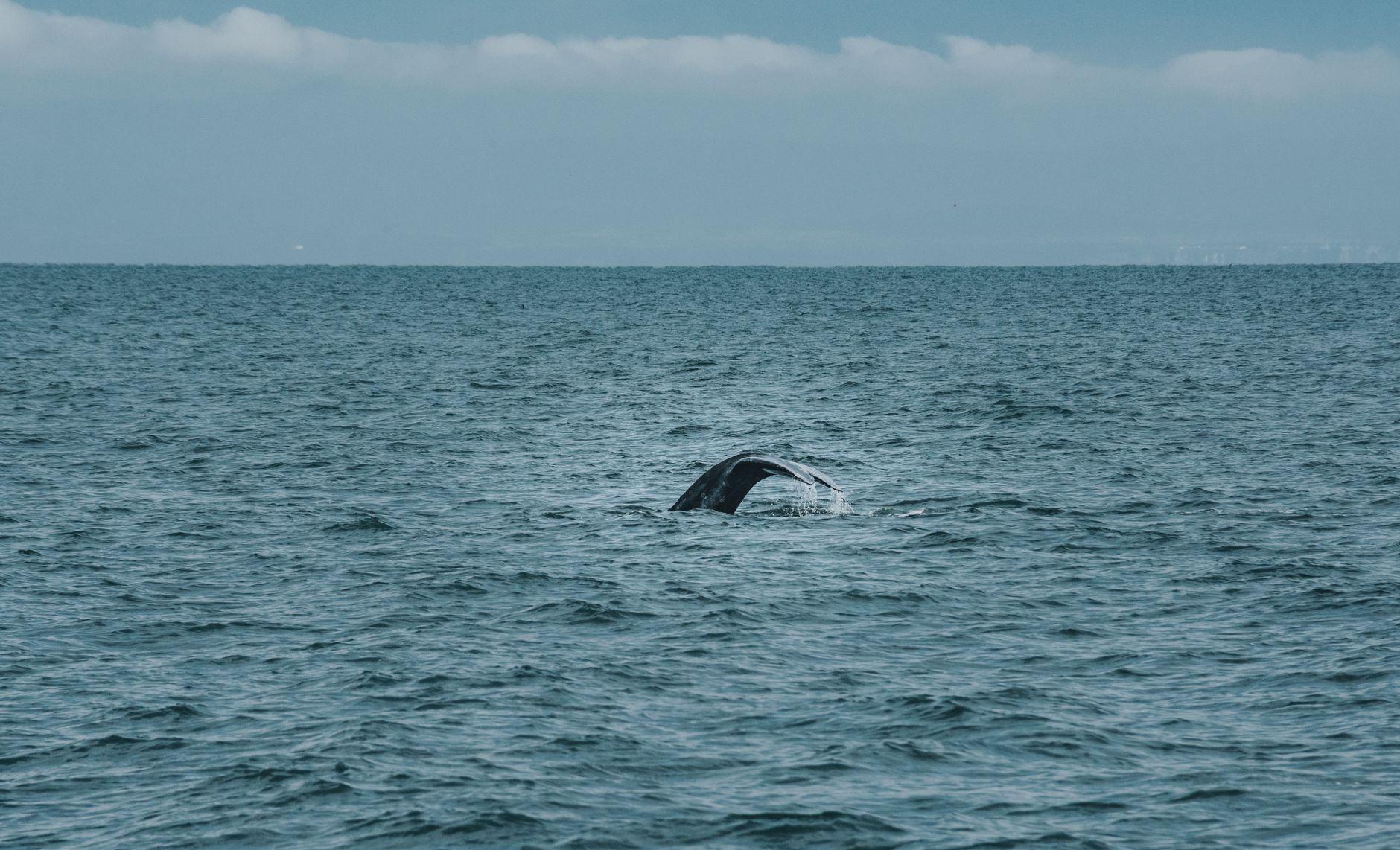
The decomposition of a whale carcass is a multi-stage process, each stage supporting a distinct community of organisms. These phases are often overlapping and can vary depending on factors like water depth, temperature, and the size of the whale.
-
Scavenger Phase: This is the initial stage, lasting months to several years. Large scavengers like sharks, hagfish, and crabs feast on the soft tissues of the whale, rapidly consuming the blubber and muscle.
-
Enrichment Opportunist Phase: As the scavengers reduce the carcass, smaller organisms like polychaete worms and crustaceans colonize the bones and surrounding sediment, feeding on the remaining tissues and organic matter. This phase can last for several years.
-
Sulphophilic Phase: Bacteria break down lipids in the bones, producing hydrogen sulfide. Chemosynthetic bacteria utilize this sulfide for energy, supporting communities of clams, mussels, and tube worms. This phase can last for decades.
-
Reef Phase: After the organic matter is largely consumed, the whale skeleton provides a hard substrate for filter-feeding organisms like corals and sponges. This phase can last for centuries, creating a long-lasting artificial reef.
Factors Influencing Whale Fall Decomposition
Several factors influence the rate and manner in which a whale decomposes.
-
Size of the Whale: Larger whales provide more resources and can sustain ecosystems for longer periods.
-
Water Depth: Deeper water tends to have lower temperatures and oxygen levels, slowing down decomposition rates.
-
Water Temperature: Warmer waters accelerate decomposition, while colder waters slow it down.
-
Ocean Currents: Currents can disperse the carcass, affecting the distribution of nutrients and the colonization of organisms.
-
Species of Whale: Different whale species have different body compositions, affecting the availability of resources and the decomposition process.
The Unique Ecosystems of Whale Falls
Whale falls are hotspots of biodiversity in the deep sea. They create oasis-like environments in the otherwise barren ocean floor, supporting a high density and diversity of life. Some species are entirely dependent on whale falls for their survival and are not found anywhere else. These specialized communities highlight the ecological importance of these events. What happens when a whale dies naturally directly affects biodiversity in the oceans.
Whale Fall Research and Conservation
Scientists are actively studying whale falls to understand their role in deep-sea ecosystems. This research is crucial for understanding the impact of human activities, such as deep-sea mining and fishing, on these fragile environments. Protecting whale populations and their habitats is also essential for maintaining the health of these unique ecosystems.
Common Misconceptions About Whale Falls
There are several misconceptions about what happens when a whale dies naturally and sinks to the bottom of the ocean. One common misconception is that all whales that die decompose completely before reaching the seabed. In reality, many whales reach the ocean floor largely intact, especially in deeper waters. Another misconception is that whale falls are simply decaying carcasses that contribute to pollution. While decomposition does release nutrients, it is a controlled and beneficial process that supports specialized ecosystems.
Table: Comparison of Whale Fall Decomposition Phases
| Phase | Duration | Dominant Organisms | Key Processes |
|---|---|---|---|
| Scavenger | Months to Years | Sharks, hagfish, crabs, amphipods | Rapid consumption of soft tissues |
| Enrichment Opportunist | Years | Polychaete worms, crustaceans, snails | Colonization and feeding on remaining tissues and organic matter |
| Sulphophilic | Decades | Chemosynthetic bacteria, clams, mussels, tube worms | Bacterial breakdown of lipids, sulfide production, chemosynthesis |
| Reef | Centuries | Corals, sponges, filter feeders | Hard substrate colonization, reef formation |
Frequently Asked Questions (FAQs)
What is a “whale fall” and why is it important?
A whale fall refers to the carcass of a whale that sinks to the ocean floor. These carcasses provide a substantial source of nutrients and energy for deep-sea ecosystems, supporting a diverse array of specialized organisms. They are critical for biodiversity in otherwise barren environments.
How long does it take for a whale to decompose completely?
The decomposition process can last for decades, even centuries. The initial scavenger phase lasts months to years, while the reef phase can continue for centuries as the skeleton provides a substrate for colonization.
What types of organisms are found at whale falls?
Whale falls support a wide range of organisms, including scavengers like sharks and hagfish, opportunistic feeders like polychaete worms and crustaceans, and chemosynthetic bacteria that utilize the energy released from decomposition. Unique species of tube worms and clams are also often found.
Do whale falls occur in all oceans?
Yes, whale falls can occur in all oceans where whales live and die. The specific species of organisms that colonize the carcass may vary depending on the location and the species of whale.
How do whale falls contribute to the carbon cycle?
Whale falls act as a temporary carbon sink, storing carbon in the bones and tissues of the whale. As the carcass decomposes, some of this carbon is released back into the water column, but a significant portion remains trapped in the sediment.
Are whale falls threatened by human activities?
Yes, whale falls are threatened by several human activities, including deep-sea mining, bottom trawling, and pollution. Deep-sea mining can disrupt the delicate ecosystems that rely on whale falls, while bottom trawling can damage or destroy the carcasses themselves.
Can scientists artificially create whale falls?
Yes, scientists have experimented with artificially creating whale falls by deploying whale carcasses or whale bone structures in the deep sea. This research is aimed at understanding the ecological processes that occur at whale falls and at potentially restoring damaged ecosystems.
What role do bacteria play in whale fall decomposition?
Bacteria play a crucial role in the decomposition of whale carcasses. They break down the organic matter in the bones and tissues, releasing nutrients and energy that support other organisms. Chemosynthetic bacteria also utilize the sulfide produced during decomposition, creating energy for their own metabolism.
How do organisms find whale falls in the vast ocean?
Organisms likely use a combination of cues, including the smell of decaying flesh and the detection of chemical signals released from the carcass. Some species may also be attracted to the physical presence of the whale skeleton.
What are some examples of species that are specifically adapted to whale falls?
Some species, like the bone-eating worm Osedax, are specifically adapted to colonizing whale bones. These worms lack a mouth and digestive system and instead rely on symbiotic bacteria to digest the bone. Other species of clams and tube worms are also uniquely adapted to whale fall environments.
How often do whale falls occur?
The frequency of whale falls is difficult to estimate, as they occur in the deep sea and are rarely observed directly. However, studies suggest that whale falls are relatively rare events, occurring perhaps once every few years in a given area.
What happens when a whale dies naturally and washes ashore instead of sinking?
When a whale washes ashore, the decomposition process is different due to exposure to air and sunlight. Scavengers like birds and terrestrial animals join in the decomposition, and the process is generally faster. The ecosystem impacts are also different, as the nutrients are primarily returned to terrestrial environments rather than the deep sea.