
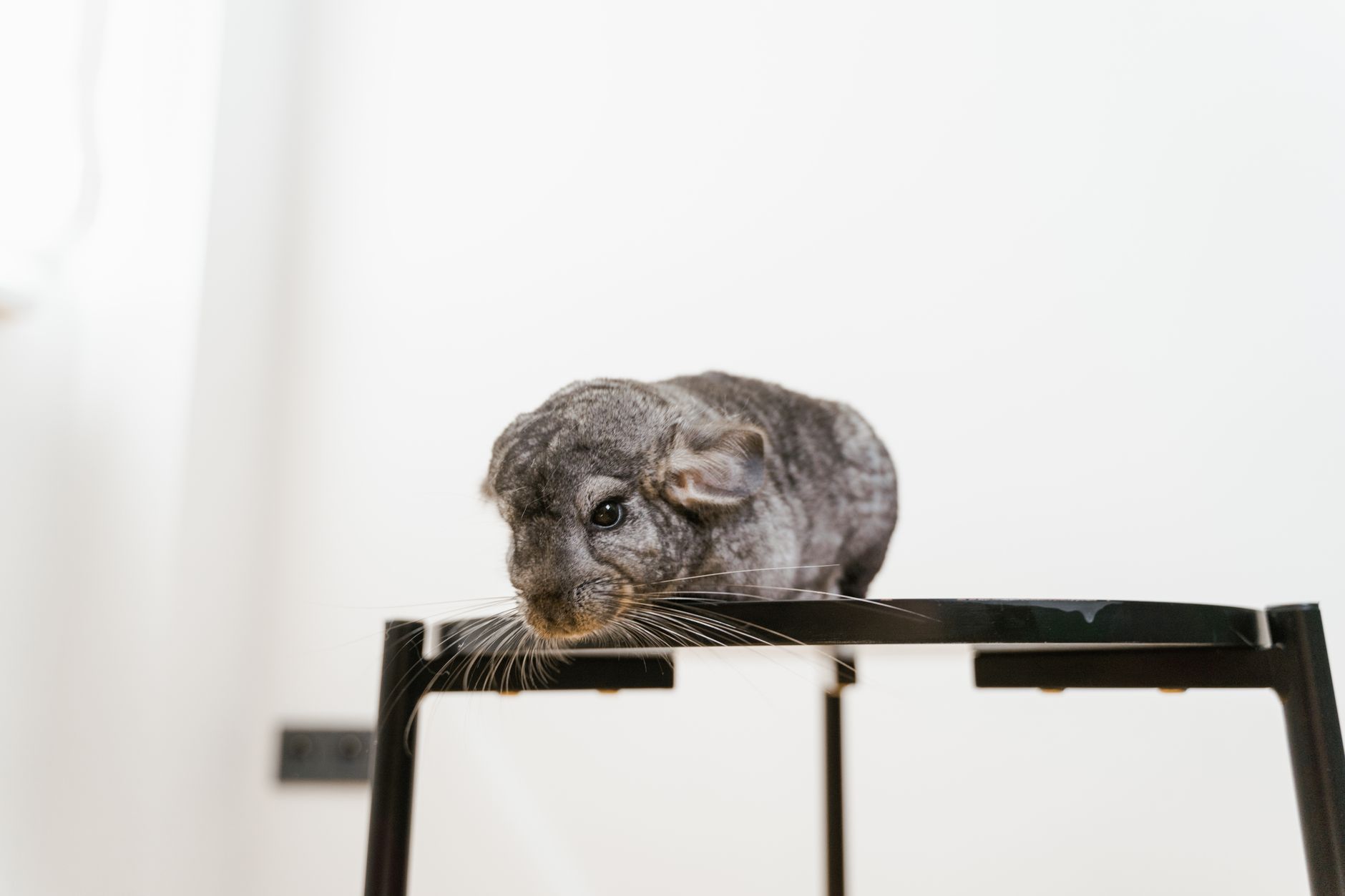
Why is My Chinchilla Less Active? Understanding Sluggish Behavior
If your chinchilla has suddenly become less playful and energetic, it’s natural to be concerned. Reduced activity in chinchillas can signal various underlying issues, ranging from environmental factors to potential health problems, and requires careful observation and, if necessary, veterinary attention to ensure a happy and healthy life for your furry friend.
Introduction: A Chinchilla’s Typical Activity Level
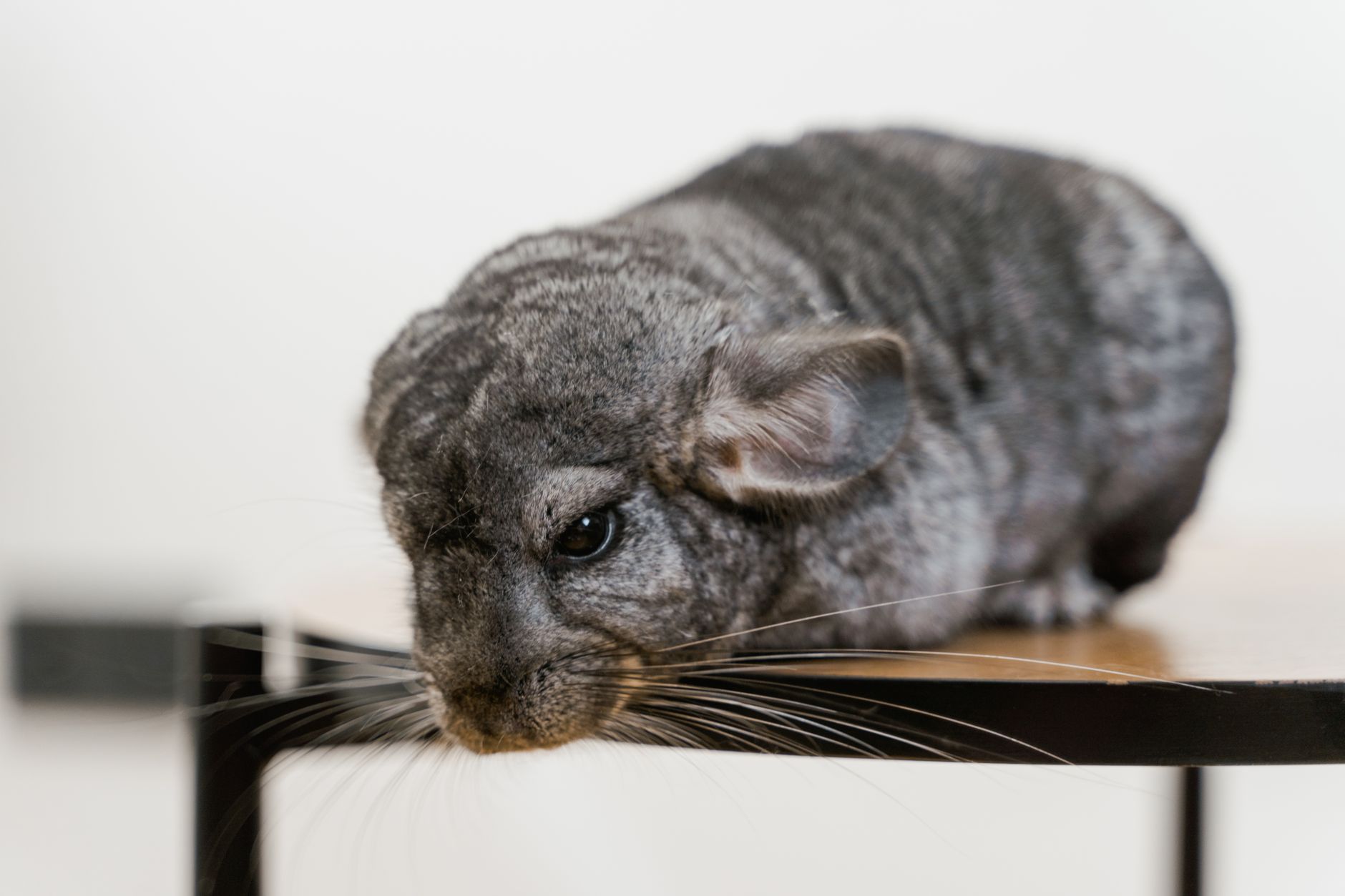
Chinchillas are known for their playful and energetic nature. These nocturnal creatures typically spend their evenings running, jumping, and exploring their environment. A healthy chinchilla will be alert, curious, and eager to engage in activities like dust baths, chewing on toys, and interacting with their owners. Understanding what constitutes normal chinchilla behavior is the first step in recognizing when something might be amiss. A sudden or gradual decrease in activity level is a key indicator that something warrants closer inspection. This article will explore the many reasons why is my chinchilla less active?, equipping you with the knowledge to provide the best possible care for your beloved pet.

What colours are fish most attracted to?
Can you put your finger in a trout's mouth?
Is methylene blue anti bacterial?
Does aquarium salt raise pH in aquarium?
Potential Causes for Reduced Activity

Several factors can contribute to a decrease in a chinchilla’s usual energy levels. Pinpointing the exact cause requires careful observation and may involve consulting with a veterinarian specializing in exotic animals. The most common causes include:
- Environmental Issues:
- Temperature: Chinchillas are highly sensitive to heat. Temperatures above 80°F (26.7°C) can cause heatstroke and lethargy.
- Cage Environment: A small, dirty, or unstimulating cage can lead to boredom and inactivity.
- Stress: Loud noises, sudden changes, or the presence of predators (cats, dogs) can cause stress, leading to reduced activity.
- Dietary Problems:
- Poor Nutrition: A diet lacking essential nutrients can lead to weakness and decreased energy. Chinchillas require a diet primarily consisting of high-quality chinchilla pellets, supplemented with hay.
- Dental Issues: Overgrown teeth, a common problem in chinchillas, can cause pain while eating, leading to reduced appetite and energy.
- Health Problems:
- Respiratory Infections: These can cause lethargy, sneezing, and difficulty breathing.
- Gastrointestinal Issues: Constipation, diarrhea, or bloat can cause significant discomfort and reduce activity levels.
- Injuries: Hidden injuries, such as a fractured limb, can cause pain and limit movement.
- Ringworm: This fungal infection can cause skin irritation and discomfort, making your chinchilla less active.
Recognizing Signs and Symptoms
In addition to observing a decrease in activity, look for other signs that may indicate an underlying problem:
- Changes in appetite or drinking habits
- Weight loss or gain
- Changes in droppings (size, shape, consistency)
- Difficulty breathing or sneezing
- Discharge from the eyes or nose
- Fur loss or skin lesions
- Lethargy or weakness
- Hiding more than usual
If you notice any of these symptoms in addition to reduced activity, it’s crucial to consult with a veterinarian as soon as possible.
Preventative Measures and Care
Preventing a decrease in activity often involves providing optimal care and a healthy environment:
- Maintain a Cool Environment: Keep the room temperature between 60-75°F (15.5-24°C). Use air conditioning or fans as needed. Provide frozen granite tiles for your chinchilla to lie on.
- Provide a Spacious and Stimulating Cage: Ensure the cage is large enough for your chinchilla to run and jump. Include shelves, tunnels, and toys to encourage activity.
- Offer a Balanced Diet: Feed your chinchilla high-quality chinchilla pellets and plenty of Timothy hay. Avoid sugary treats.
- Regular Dust Baths: Provide dust baths 2-3 times per week to maintain healthy fur and prevent skin problems.
- Minimize Stress: Keep the cage in a quiet location away from loud noises and other pets.
- Regular Vet Checkups: Schedule annual checkups with a veterinarian specializing in exotic animals to detect potential health problems early.
When to Seek Veterinary Care
It’s important to seek veterinary care if you notice any of the following:
- Sudden and significant decrease in activity level
- Loss of appetite or weight loss
- Difficulty breathing or sneezing
- Changes in droppings
- Signs of pain or discomfort
- Injuries or wounds
A veterinarian can perform a thorough examination, diagnose any underlying health problems, and recommend appropriate treatment. Addressing health concerns promptly can significantly improve your chinchilla’s quality of life and restore its activity level.
Understanding Age and Activity
Keep in mind that, like all living things, a chinchilla’s activity level can naturally decrease as they age. A senior chinchilla (generally considered to be 8 years old and older) may not be as energetic as a younger one. However, even in older chinchillas, a sudden decrease in activity should still be investigated to rule out any underlying medical conditions. Even though why is my chinchilla less active? may be “they are getting old”, it does not mean they are not in pain.
The Importance of Observation
Close observation of your chinchilla’s behavior is crucial for detecting early signs of illness or discomfort. By being attentive to changes in their activity level, appetite, droppings, and overall demeanor, you can identify potential problems and seek veterinary care before they become more serious. Knowing your chinchilla’s baseline behaviors makes identifying problems faster.
FAQ’s: Answers to common questions about lethargic chinchillas
What is the normal activity level for a chinchilla?
A healthy chinchilla is typically most active during dawn and dusk. They will run, jump, climb, and explore their cage. Normal behavior includes grooming, dust bathing, eating, and interacting with their owners. They often sleep during the day.
How can I tell if my chinchilla is overheating?
Signs of overheating include lethargy, panting, drooling, red ears, and lying stretched out on their side. Immediate action is crucial. Move the chinchilla to a cooler environment and offer them a cool (not cold) surface to lie on. Contact your veterinarian immediately.
What are the best toys and activities for chinchillas?
Safe and stimulating toys include wooden chew toys, tunnels, hammocks, and cardboard boxes. Avoid plastic toys that can be chewed and ingested. Provide opportunities for supervised playtime outside the cage in a safe, enclosed area.
What kind of hay should I feed my chinchilla?
Timothy hay is the best choice for chinchillas, as it’s high in fiber and aids digestion. Orchard grass and meadow hay are also acceptable options. Avoid alfalfa hay, as it is too high in calcium and can lead to urinary problems.
Can stress cause my chinchilla to be less active?
Yes, stress is a significant factor in a chinchilla’s behavior. Loud noises, changes in environment, new pets, or lack of social interaction can all cause stress, leading to reduced activity and other health problems.
How often should I clean my chinchilla’s cage?
Spot cleaning should be done daily, removing soiled bedding and droppings. A thorough cleaning should be done at least once a week, replacing all the bedding and disinfecting the cage.
Is it normal for a chinchilla to sleep a lot during the day?
Yes, chinchillas are nocturnal animals, so they typically sleep during the day. However, if they are excessively lethargic or unresponsive, it could be a sign of illness.
What are common dental problems in chinchillas?
Malocclusion (misalignment of teeth) and overgrown teeth are common dental problems in chinchillas. These problems can cause pain, difficulty eating, and weight loss. Regular veterinary checkups can help detect and treat dental issues early.
How can I tell if my chinchilla is constipated?
Signs of constipation include straining to defecate, small or absent droppings, and loss of appetite. Constipation can be serious and requires veterinary attention.
What are some signs of a respiratory infection in a chinchilla?
Symptoms of a respiratory infection include sneezing, coughing, nasal discharge, difficulty breathing, and lethargy. Prompt veterinary treatment is essential.
Why is my chinchilla less active after I got another pet?
Introducing a new pet can cause stress and anxiety for your chinchilla, leading to reduced activity. Gradual introductions are important, and make sure your chinchilla has a safe and secure space away from the new pet.
What should I do if my chinchilla is injured?
If your chinchilla is injured, handle them gently and assess the injury. If it appears serious, such as a broken limb or deep wound, seek veterinary care immediately. Even seemingly minor injuries should be checked by a vet.