
How Did the Cherokee Wash Their Hair?
The Cherokee people maintained their hair’s health and beauty using natural resources. They commonly used preparations made from plants like yucca root, soapwort, and buckeye to effectively cleanse their hair, demonstrating a deep understanding of the natural world.

Introduction: A Glimpse into Cherokee Hair Care
For the Cherokee people, hair was much more than just strands on their head. It was a symbol of strength, identity, and connection to the spiritual world. How they cared for their hair reflected this significance. Today, we’ll explore how the Cherokee people maintained their hair’s beauty and health using the abundant resources provided by their environment. Understanding these practices offers insights into their resourceful and sustainable lifestyle.

What colours are fish most attracted to?
Can you put your finger in a trout's mouth?
Is methylene blue anti bacterial?
Does aquarium salt raise pH in aquarium?
The Significance of Hair in Cherokee Culture
Hair in Cherokee culture held deep significance. It symbolized vitality, connection to ancestors, and spiritual power. Both men and women took great pride in maintaining healthy and well-groomed hair. Hairstyles often signified social status, marital status, and tribal affiliation. Certain styles were reserved for specific ceremonies or dances. Hair care was thus woven into the fabric of their daily lives and cultural practices.
Natural Ingredients for Cherokee Hair Washing
How did the Cherokee wash their hair? The answer lies in their intimate knowledge of native plants and their cleansing properties. They relied on readily available, natural resources to create effective hair washes. Here are some of the key ingredients:
- Yucca Root: A widely used ingredient, yucca root contains saponins, natural cleansing agents that produce a soapy lather when mixed with water.
- Soapwort (Saponaria officinalis): Similar to yucca, soapwort is rich in saponins and creates a gentle, effective cleanser.
- Buckeye: The nuts of the buckeye tree were sometimes used, though they required careful preparation to remove toxins. The saponins in buckeye produced a strong lather.
- Herbal Infusions: Other plants, like sage and sweetgrass, were sometimes infused in water and used as rinses to add fragrance and beneficial properties to the hair.
The Hair Washing Process
The Cherokee hair washing process was a simple yet effective ritual. Here’s a general outline:
- Preparation: The selected plant material (e.g., yucca root) was typically ground or mashed.
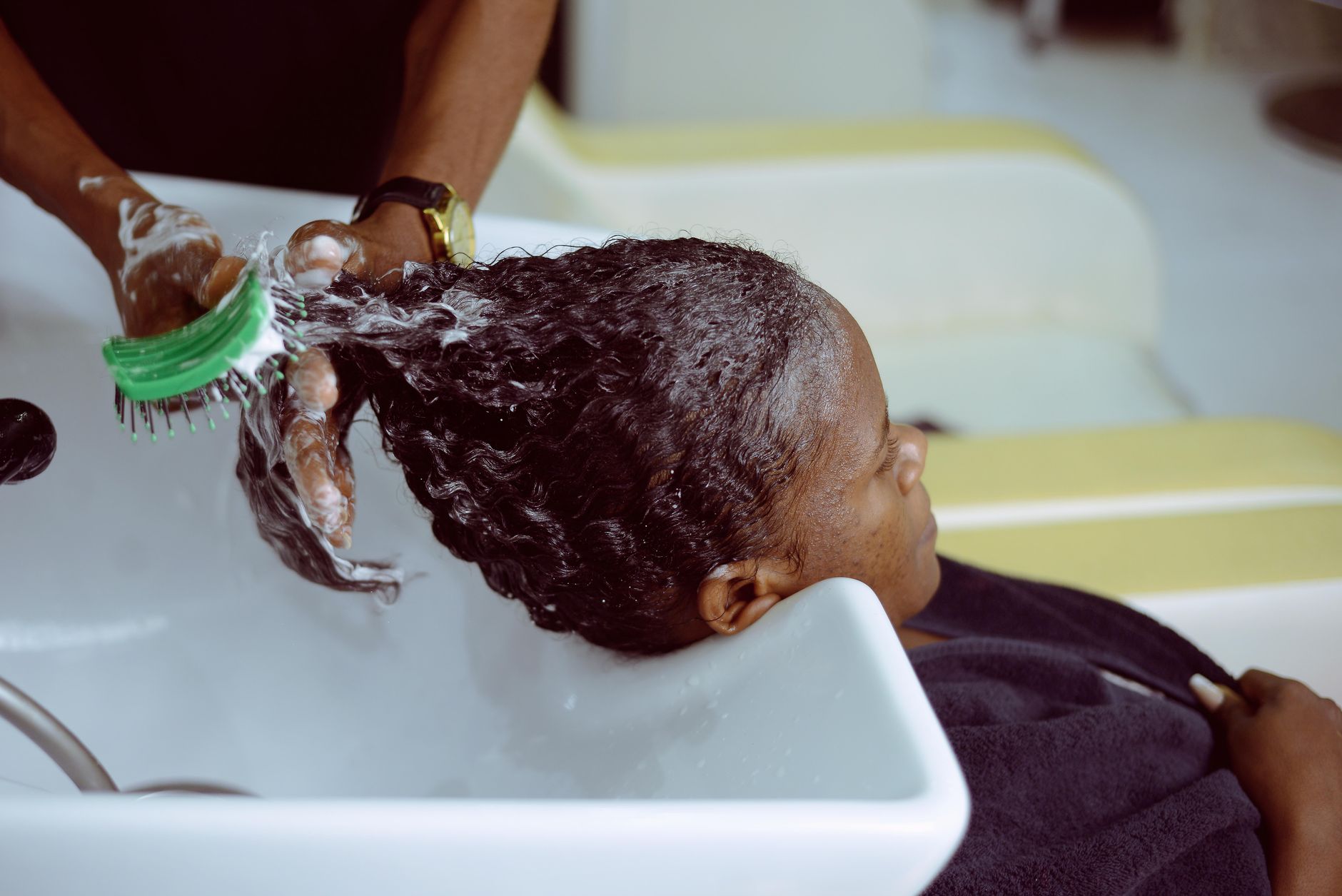
- Mixing: The prepared plant material was then mixed with water to create a soapy solution. The consistency varied depending on the plant used and the desired effect.
- Application: The solution was applied to wet hair, working it through from roots to ends.
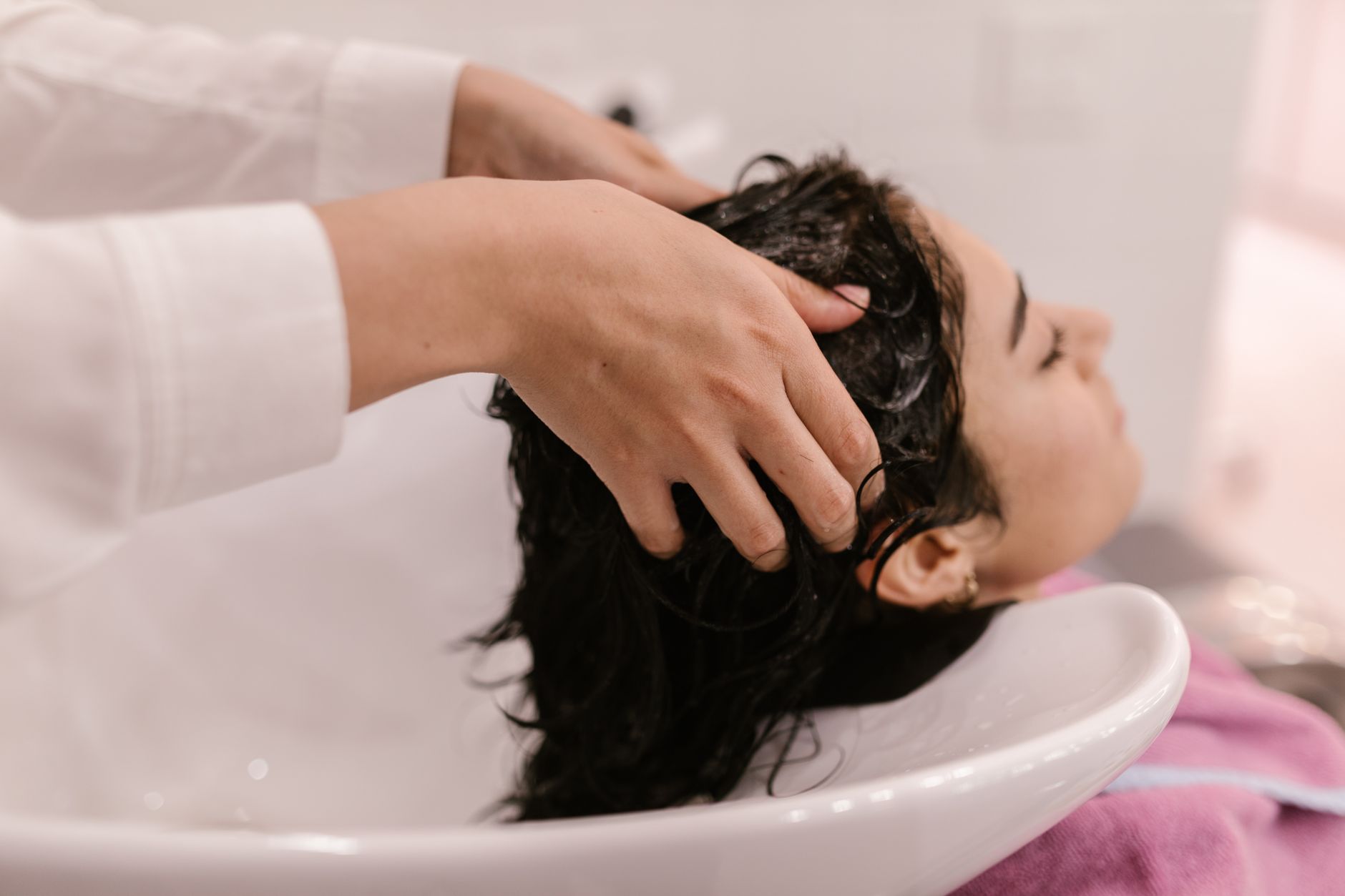
- Massaging: The scalp was gently massaged to stimulate circulation and remove dirt and oil.
- Rinsing: The hair was thoroughly rinsed with clean water, often using a nearby stream or river.
- Drying: Hair was typically air-dried in the sun.
Benefits of Natural Hair Washing
Using natural ingredients for hair washing offered several benefits:
- Gentle Cleansing: Natural cleansers are typically milder than modern synthetic shampoos, reducing the risk of irritation and dryness.
- Chemical-Free: Avoidance of harsh chemicals found in commercial products minimized potential damage to the hair and scalp.
- Sustainability: Using readily available plant resources promoted a sustainable and environmentally friendly approach to hair care.
- Scalp Health: Many natural ingredients possess properties that can promote scalp health, such as anti-inflammatory and antimicrobial effects.
Comparison: Natural vs. Modern Shampoo Ingredients
| Feature | Natural Cherokee Hair Wash Ingredients | Modern Commercial Shampoo |
|---|---|---|
| Cleansing Agents | Saponins (e.g., from yucca, soapwort) | Sulfates (e.g., Sodium Lauryl Sulfate, SLS) |
| Additives | Herbal infusions (e.g., sage, sweetgrass) | Fragrances, preservatives, dyes, silicones |
| Potential Effects | Gentle cleansing, scalp health | Strong cleansing, potential for irritation and buildup |
| Sustainability | Sustainable, locally sourced | Often mass-produced, potential environmental impact |
Potential Challenges and Considerations
While natural hair washing offers many benefits, it’s important to acknowledge potential challenges:
- Preparation Time: Preparing natural hair washes can be more time-consuming than simply grabbing a bottle of shampoo.
- Sourcing Ingredients: Access to specific plant materials may be limited depending on location and availability.
- Proper Identification: Accurately identifying plants is crucial to avoid using potentially harmful or toxic species.
- Rinsing Thoroughly: Ensuring thorough rinsing is essential to prevent residue buildup.
Modern Adaptations and Inspirations
The ancient methods how did the Cherokee wash their hair have inspired modern hair care practices. The increasing popularity of natural and organic hair care products reflects a growing awareness of the benefits of gentle, plant-based cleansing. Some modern shampoos incorporate saponins derived from plants, offering a nod to traditional Cherokee techniques.
The Enduring Legacy of Cherokee Hair Care
The Cherokee’s approach to hair care exemplifies their deep connection to nature and their resourceful use of available resources. Their traditional methods provide valuable insights into sustainable and gentle hair care practices. By understanding and appreciating these traditions, we can learn valuable lessons about respecting the environment and promoting holistic well-being.
Frequently Asked Questions (FAQs)
How often did the Cherokee wash their hair?
The frequency of hair washing likely varied depending on individual needs and lifestyle. Given the time and effort required for preparation, it was probably not a daily ritual. Most likely, hair was washed when it became visibly dirty or oily, perhaps weekly or bi-weekly. Factors like occupation and environmental conditions would have influenced the frequency.
What did they use for conditioning their hair?
While specific conditioning products weren’t typically used in the modern sense, natural oils and plant infusions likely provided moisturizing benefits. For instance, herbal rinses could have helped to detangle and soften the hair. Additionally, the gentle cleansing action of natural shampoos would have minimized stripping the hair of its natural oils.
Did Cherokee people use hair dye?
Evidence suggests that the Cherokee used natural dyes to color their hair, particularly red dye derived from plants like bloodroot or walnuts. These dyes were often used for ceremonial purposes or to signify social status. The availability of these natural dyes influenced the color choices.
How did they deal with lice or other scalp issues?
Certain plants possessed medicinal properties that could have been used to treat scalp conditions like lice. Some herbs have natural insecticidal or antiseptic properties. Regular hair washing and combing would also have helped to prevent and manage these issues.
Did the Cherokee use combs? What were they made of?
Yes, the Cherokee used combs made from various materials, including wood, bone, and horn. These combs were used for detangling, styling, and maintaining the health of their hair. The type of comb used likely depended on the individual’s preference and available resources.
How did hairstyles vary between men and women?
Hairstyles differed significantly between men and women. Men often wore their hair long and braided or in a single ponytail, sometimes adorned with feathers or beads. Women typically wore their hair long and loose, braided, or in elaborate updos. Hairstyles could also indicate marital status or tribal affiliation.
Did children have different hair care routines?
Children’s hair care routines likely mirrored those of adults, although perhaps with less elaborate styling. The emphasis would have been on keeping the hair clean and healthy using natural ingredients. The specific hairstyles might have varied depending on age and gender.
What role did elders play in hair care practices?
Elders often held valuable knowledge about traditional hair care practices, including the identification and preparation of plants for cleansing and dyeing. They would have passed down this knowledge to younger generations, ensuring the continuation of these cultural traditions.
How did seasonal changes affect their hair care routines?
Seasonal changes likely influenced hair care routines. During warmer months, people might have washed their hair more frequently due to increased sweating. Different plants might have been available at different times of the year, influencing the choice of ingredients.
What are some examples of Cherokee hairstyles and their meanings?
Some examples of Cherokee hairstyles include:
- The single braid: Often worn by men, symbolizing strength and unity.
- Long, loose hair: Common for women, representing beauty and femininity.
- Elaborate updos: Worn by women for special occasions or ceremonies.
The specific meanings of these styles often varied depending on the context and tribal affiliation.
Can I replicate these hair washing methods today?
Yes, you can replicate these hair washing methods today, but with careful consideration. Ensure you can accurately identify the plants you use and are aware of any potential allergies or sensitivities. Start with small quantities and test on a small area of skin before applying to your entire scalp.
How sustainable is using natural hair washing methods in a modern context?
Using natural hair washing methods can be very sustainable if done responsibly. Prioritize sourcing ingredients sustainably, either by growing your own or purchasing from ethical and local suppliers. Be mindful of your environmental impact and avoid over-harvesting plants.