
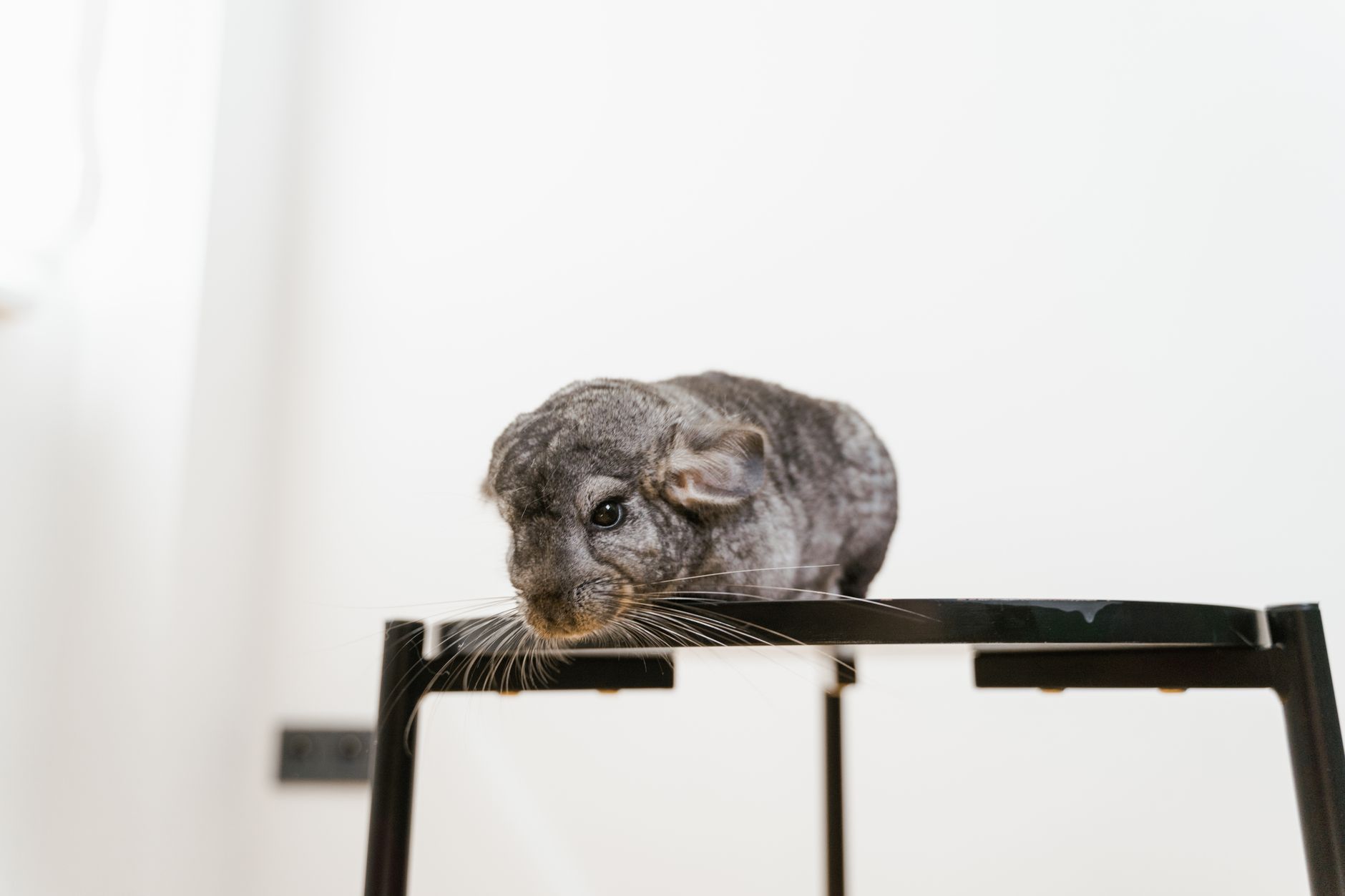
Why is my chinchilla biting his tail? Decoding the Behavior
Why is my chinchilla biting his tail? often indicates underlying stress, boredom, or a medical issue such as fur ring constriction; identifying and addressing the root cause is essential for their well-being.

Understanding Tail Biting in Chinchillas: An Overview
Chinchillas are known for their soft fur, playful nature, and quirky behaviors. However, seeing your chinchilla biting its tail can be alarming. This behavior, while sometimes seemingly harmless, can be indicative of various underlying problems, ranging from environmental stressors to medical conditions. Understanding the potential causes is crucial for ensuring your chinchilla’s health and happiness.

What colours are fish most attracted to?
Can you put your finger in a trout's mouth?
Is methylene blue anti bacterial?
Does aquarium salt raise pH in aquarium?
Potential Causes of Tail Biting
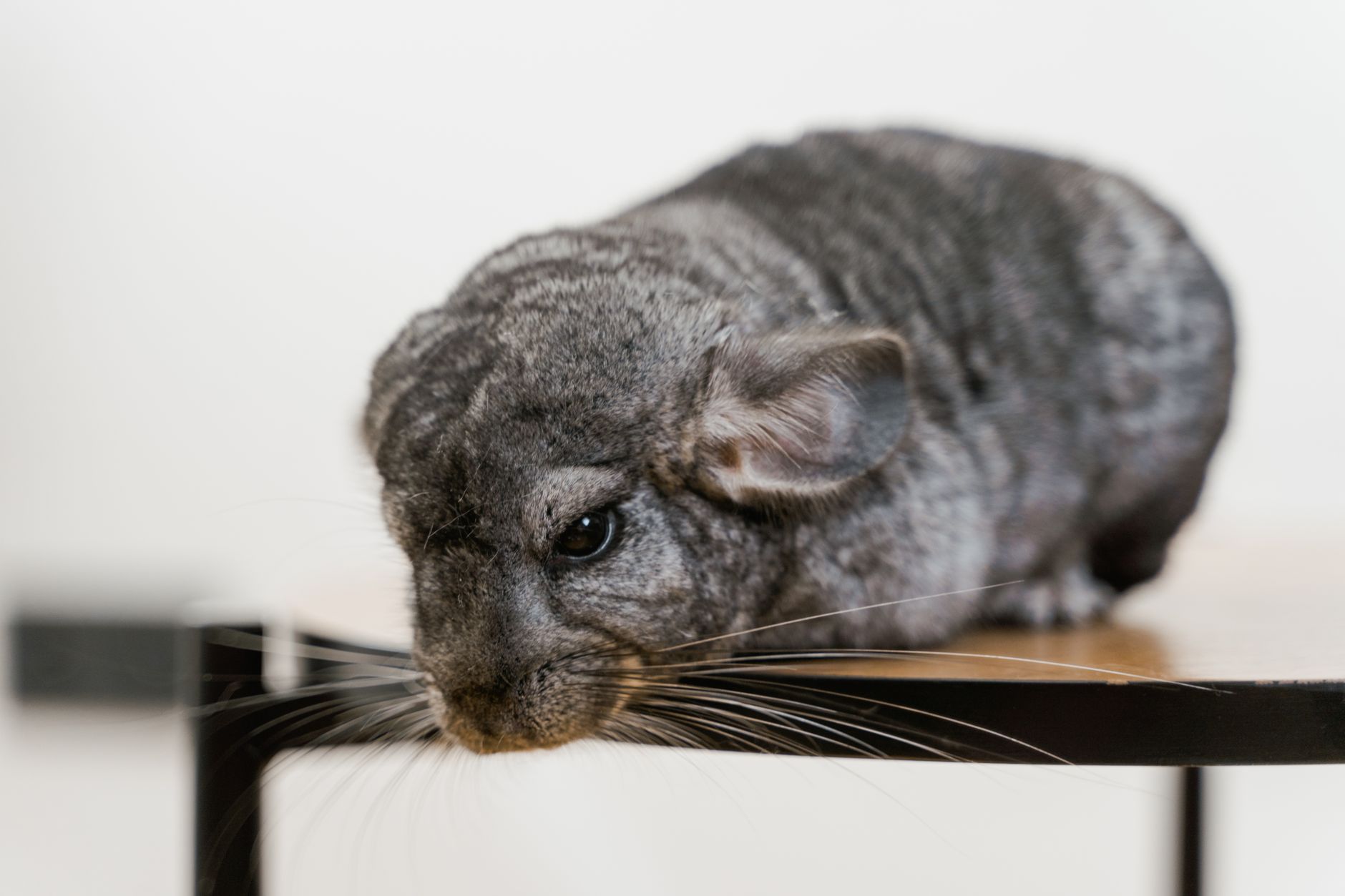
Tail biting in chinchillas is rarely a simple quirk. It’s usually a symptom indicating a deeper issue that requires investigation and resolution. Here are some common causes to consider:
-
Stress and Anxiety: Chinchillas are sensitive creatures, and changes in their environment, loud noises, or interactions with other pets can cause stress. Stress is a major contributor to self-harming behaviors like tail biting.
-
Boredom and Lack of Enrichment: Chinchillas are intelligent and need mental stimulation. A cage that is too small, lacking toys, or providing insufficient opportunities for exercise can lead to boredom and frustration, which can manifest as tail biting.
-
Fur Ring Constriction: This occurs when fur becomes tightly wrapped around the base of the tail, cutting off circulation. This condition can be extremely painful and cause the chinchilla to bite at its tail in an attempt to relieve the discomfort. This can worsen the fur ring, creating a cycle.
-
Parasites: Although less common, external parasites like mites can cause intense itching, leading the chinchilla to bite and groom excessively, potentially focusing on the tail.
-
Nutritional Deficiencies: A diet lacking essential nutrients can sometimes manifest in unusual behaviors. Although less direct than other causes, inadequate nutrition can contribute to stress and a weakened immune system.
-
Injury or Pain: An injury to the tail, even a minor one, can cause the chinchilla to focus on the area and bite it repeatedly.
Addressing Tail Biting: A Step-by-Step Approach
If you observe your chinchilla biting its tail, take the following steps:
- Veterinary Examination: This is the most crucial step. Rule out medical causes like fur ring constriction, parasites, or injuries. A veterinarian experienced with chinchillas can properly diagnose and treat any underlying health issues.
- Environmental Assessment:
- Evaluate the cage size. Is it large enough for the chinchilla to move freely and exercise?
- Assess the noise levels. Is the chinchilla exposed to loud or stressful sounds?
- Check for drafts and extreme temperature fluctuations.
- Enrichment Provision:
- Provide a variety of toys, such as wood chews, tunnels, and dust baths.
- Offer regular opportunities for supervised playtime outside the cage.
- Rotate toys regularly to keep things interesting.
- Diet Review: Ensure your chinchilla is receiving a high-quality chinchilla pellet diet supplemented with appropriate hay and occasional treats. Avoid sugary treats or foods high in fat.
- Observation and Monitoring: Carefully observe your chinchilla’s behavior to identify any triggers for the tail biting. Keep a log of when the biting occurs and any potential contributing factors.
- Behavioral Modification: If the tail biting is determined to be behavioral, consult with a veterinarian or animal behaviorist experienced with chinchillas. They can suggest strategies to redirect the behavior and reduce stress.
Common Mistakes in Preventing Tail Biting
Several common mistakes can inadvertently contribute to tail biting in chinchillas:
- Neglecting Regular Health Checks: Failing to regularly examine your chinchilla for signs of fur ring constriction or other health problems.
- Providing an Inadequate Cage: Housing your chinchilla in a cage that is too small or lacks sufficient enrichment.
- Ignoring Environmental Stressors: Failing to address loud noises, drafts, or other environmental factors that can cause stress.
- Feeding an Inappropriate Diet: Offering treats that are too sugary or fatty, or failing to provide sufficient hay and high-quality pellets.
- Ignoring Early Signs of Behavioral Problems: Delaying seeking veterinary or behavioral advice when you first notice the tail biting behavior.
Frequently Asked Questions (FAQs)
Why is my chinchilla suddenly biting his tail when he never did before?
- A sudden onset of tail biting often indicates a new or worsened underlying problem, such as a recent injury, increased stress level, a developing fur ring, or a new environmental change. A veterinary examination is crucial to determine the cause.
Is tail biting in chinchillas contagious?
- No, tail biting itself is not contagious. However, if the underlying cause is parasitic (like mites), that could be contagious to other animals.
Can boredom really make a chinchilla bite its tail?
- Yes, absolutely. Chinchillas are intelligent and curious animals. Lack of mental stimulation and a monotonous environment can lead to boredom, frustration, and self-harming behaviors like tail biting.
What does fur ring constriction look like, and how can I prevent it?
- Fur ring constriction appears as a tight band of fur wrapped around the base of the tail, causing swelling, redness, and discomfort. Prevention involves regular tail checks, especially around the base of the tail, and gently removing any built-up fur or debris. Veterinary help is crucial for removal if the ring is constricting.
How do I make my chinchilla less stressed?
- Reducing stress involves providing a stable and predictable environment, minimizing loud noises, ensuring a comfortable temperature, providing a safe and secure cage, and offering plenty of opportunities for rest and relaxation. Consistency is key.
What are the best toys for a chinchilla to prevent boredom?
- Good toys for chinchillas include wood chews, tunnels, dust baths, and puzzle toys. Rotate the toys regularly to keep things interesting. Make sure the toys are safe and made of chinchilla-safe materials. Avoid plastic toys that they may ingest.
How often should I give my chinchilla a dust bath?
- Chinchillas need dust baths to keep their fur clean and healthy. A dust bath should be offered 2-3 times per week, for about 15-30 minutes each time.
Can my chinchilla bite off his entire tail from biting?
- While it’s rare, a chinchilla can potentially cause significant damage to its tail through persistent biting, leading to infection or even self-amputation. This is why prompt intervention is crucial.
What kind of diet is best for preventing tail biting?
- A balanced diet consisting of high-quality chinchilla pellets (at least 16% fiber), unlimited Timothy hay, and occasional treats (such as rose hips or unsweetened shredded wheat) is essential. Avoid sugary and fatty treats.
Is it okay to scold my chinchilla when I see him biting his tail?
- Scolding your chinchilla is generally not effective and can actually increase stress and anxiety, making the behavior worse. Instead, focus on identifying and addressing the underlying cause of the tail biting. Positive reinforcement for good behaviors is always preferable.
Should I separate my chinchilla from other chinchillas if he’s biting his tail?
- If the tail biting is caused by aggression from other chinchillas, separation may be necessary. Observe their interactions carefully to determine if this is the case. Consult a veterinarian or animal behaviorist for guidance.
My chinchilla’s tail looks red and irritated. What should I do?
- If your chinchilla’s tail looks red and irritated, seek immediate veterinary attention. This could indicate an infection, injury, or fur ring constriction that requires prompt treatment.