

Do Cats Have a Favorite Owner? Decoding Feline Affection
Yes, cats often do have a favorite owner, exhibiting stronger bonds and preferences towards one individual based on factors like personality, caregiving style, and shared experiences. This article delves into the science behind feline favoritism, exploring how cats choose their preferred humans and what influences their affection.
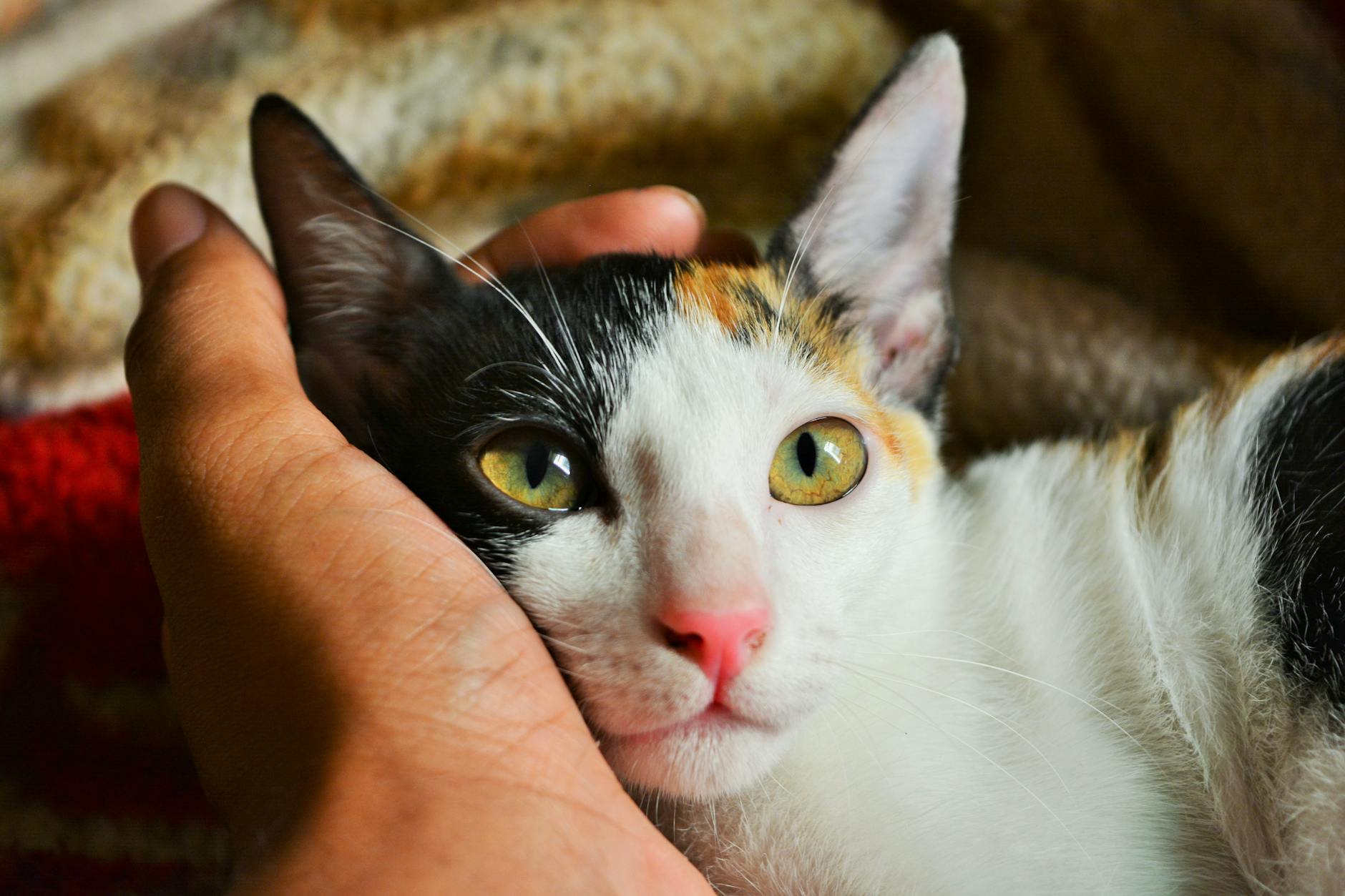
Understanding Feline Social Behavior
Unlike dogs, cats were only recently domesticated, retaining many of their independent, solitary behaviors. This doesn’t mean they are incapable of forming strong bonds; rather, their social structure is more nuanced. Understanding this nuance is key to interpreting their behavior towards different people. Feral cats, living in groups, often form hierarchies and alliances. While our domestic cats may not replicate this entirely within our homes, they still exhibit preferences and social dynamics.

Do all amphibians have eyelids?
Why do cuttlefish have W-shaped eyes?
Do all snakes have poison in them?
What is the GREY African clawed frog?
Factors Influencing Feline Preference

Several factors contribute to a cat’s choice of a favorite person. It’s a complex interplay of environmental factors and innate personality traits.
-
Early Socialization: Kittens socialized with humans between two and seven weeks of age are more likely to form strong bonds with people later in life. This early exposure is crucial.
-
Personality Compatibility: Just like humans, cats are drawn to individuals whose personalities complement their own. A playful cat might prefer an owner who initiates playtime, while a shy cat might gravitate towards a quieter, more gentle caregiver.
-
Positive Reinforcement: Owners who provide consistent care, attention, and positive interactions (feeding, grooming, playing) are more likely to become a cat’s favorite.
-
Gender and Personality of the Owner: Some studies suggest cats may be more likely to bond strongly with women, possibly due to women’s typically softer voices and gentler approach. However, personality is a greater determinant than gender.
-
Smell and Familiarity: Cats have an incredibly sensitive sense of smell. They use scent to identify individuals and mark territory. An owner’s scent may become associated with comfort and security.
Signs a Cat Prefers You
While cats might not display affection in the same demonstrative way as dogs, there are subtle signs they use to show their preferences.
- Constant Proximity: The cat frequently chooses to be near you, following you from room to room.
- Affectionate Touch: Rubbing against your legs, bunting (rubbing their head against you), and kneading are all signs of affection and ownership.
- Purring and Meowing: Cats often purr and meow more frequently around their favorite person.
- Gifts: Bringing you “gifts” (dead mice, toys, etc.) is a sign of trust and a desire to share.
- Sleeping on or Near You: Choosing to sleep on your lap or near you indicates a strong sense of comfort and security.
- Exposed Belly: While not always an invitation for petting, exposing their belly shows the ultimate trust.
Can You Become Your Cat’s Favorite?
The good news is, yes! Even if you aren’t currently your cat’s favorite, you can take steps to strengthen your bond.
- Consistent Care: Provide regular feeding, grooming, and litter box maintenance.
- Playtime: Engage in interactive play sessions with your cat, using toys they enjoy.
- Gentle Interaction: Speak to your cat in a soft, soothing voice and avoid sudden movements or loud noises.
- Respect Boundaries: Learn to recognize your cat’s body language and respect their need for space. Don’t force affection.
- Positive Association: Pair your presence with positive experiences, such as treats, playtime, or gentle petting.
Common Misconceptions About Cat Affection
Many people misinterpret feline behavior, often projecting human expectations onto cats.
-
Cats are aloof: While independent, cats are capable of forming deep bonds with their owners. Their affection may be more subtle than that of a dog, but it is no less meaningful.
-
Cats only care about food: While food is certainly a motivator, cats also crave companionship, security, and affection.
-
Cats are all the same: Each cat has a unique personality and preferences. Understanding your individual cat’s needs is crucial to building a strong relationship.
Do cats have a favorite owner?: The Verdict
While research continues to explore the complexities of feline social behavior, it’s clear that cats do form strong bonds and preferences for certain individuals. Understanding the factors that influence these preferences can help you build a stronger, more fulfilling relationship with your feline companion. Ultimately, the key to becoming your cat’s favorite is to provide consistent care, respect their boundaries, and build a positive association with your presence.
Frequently Asked Questions (FAQs)
What if my cat doesn’t seem to like anyone?
Some cats are naturally more independent or shy than others. If your cat avoids everyone, consider whether there might be an underlying medical or behavioral issue. A vet or certified cat behaviorist can help assess the situation and offer solutions. It is crucial to rule out any medical causes.
Can a cat have multiple favorite owners?
While a cat typically has one primary favorite, they can still form strong bonds with other members of the household. These secondary relationships may be based on different needs, such as play, grooming, or simply providing a comfortable presence.
How can I tell if my cat is stressed or unhappy?
Signs of stress in cats include hiding, excessive grooming, changes in appetite, hissing, swatting, and urinating outside the litter box. Addressing the source of stress is crucial to improving your cat’s well-being.
Is it possible for a cat to hate an owner?
While “hate” may be a strong word, cats can certainly develop negative associations with certain individuals. This can result from negative experiences, such as being handled roughly or being subjected to loud noises. Rebuilding trust can be a slow process.
How important is playtime for bonding with a cat?
Playtime is essential for bonding with your cat. It provides an opportunity for exercise, mental stimulation, and positive interaction. Interactive play sessions can strengthen your relationship and make you a more appealing companion.
Does the breed of cat affect their bonding ability?
While individual personality plays a larger role, some breeds are known for being more affectionate and social than others. For example, Ragdolls and Persians are often described as being particularly loving and devoted. However, any cat can form a strong bond with the right owner.
What should I do if my cat prefers my partner over me?
Don’t take it personally! Focus on building your own positive associations with your cat. Spend time playing with them, providing treats, and offering gentle affection. Avoid competing with your partner; instead, focus on strengthening your own relationship with the cat.
Are cats more loyal to their home or their owner?
Cats are generally more attached to their territory than dogs, but they can still form strong bonds with their owners. In situations where they need to choose, it varies depending on the cat.
How do cats choose their favorite person in multi-cat households?
In multi-cat households, the cat-human bond often depends on individual personalities and interactions. The cat that provides the most consistent care and positive attention is more likely to be chosen as the favorite.
What do cats think about when they stare at their owners?
When a cat stares at its owner, they could be communicating various things, such as expressing affection, seeking attention, or simply observing their surroundings. Slow blinks are a sign of trust and contentment.
Can introducing a new pet change a cat’s favorite owner?
Introducing a new pet can potentially shift the dynamics in a multi-pet household and impact a cat’s relationship with its owner. Providing consistent care, attention, and reassurance to your cat during this transition can help them feel secure and maintain their bond with you.
Is it true that cats only show affection when they want something?
While cats may associate their favorite person with resources like food and shelter, that doesn’t mean their affection is purely transactional. Many cats genuinely enjoy the company and interaction with their favorite human and display affection even when they don’t need anything.