

Why is My Budgie Attacking Me? Understanding Budgie Aggression
Your budgie’s attacks could stem from fear, hormonal fluctuations, territoriality, or medical issues. Understanding the underlying cause of why your budgie is attacking you is crucial for effectively addressing the behavior and restoring a harmonious relationship.

Introduction: Deciphering Budgie Behavior
Budgies, also known as parakeets, are beloved for their playful personalities and vibrant colors. However, sometimes these charming birds exhibit aggressive behaviors, leaving owners bewildered and concerned. Understanding why is my budgie attacking me is the first step towards resolving the issue and ensuring a happy life for both you and your feathered friend. This article will explore the various reasons behind budgie aggression, offering practical advice on identifying and addressing the underlying causes.
What colours are fish most attracted to?
Can you put your finger in a trout's mouth?
Is methylene blue anti bacterial?
Does aquarium salt raise pH in aquarium?
Common Causes of Budgie Aggression
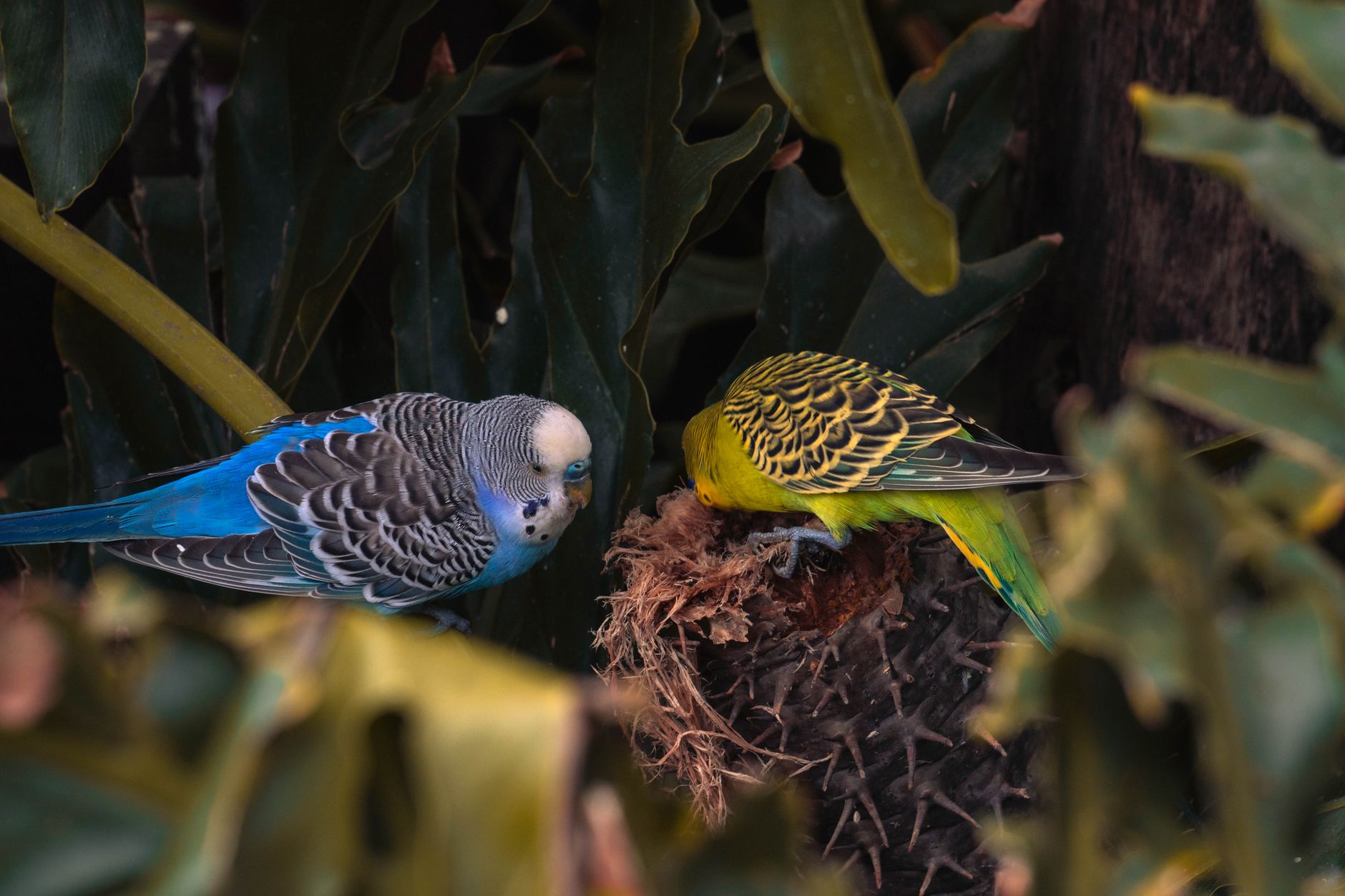
Several factors can contribute to aggressive behavior in budgies. Identifying the specific trigger is essential for implementing effective solutions.
-
Fear and Anxiety: A budgie may attack out of fear if it feels threatened by your presence, sudden movements, or loud noises. This is especially common in newly acquired budgies adjusting to a new environment.
-
Hormonal Imbalance: During breeding season, budgies experience hormonal fluctuations that can lead to increased aggression, particularly towards perceived rivals. This is more common in females defending a nesting site.
-
Territoriality: Budgies are territorial animals, and they may attack to defend their cage, food, or favorite perches. This is particularly true if the cage is too small or overcrowded.
-
Lack of Socialization: Budgies are social creatures, and a lack of interaction with other birds or humans can lead to frustration and aggression.
-
Medical Issues: Underlying medical conditions can sometimes manifest as aggression. Pain or discomfort can make a budgie irritable and more prone to attacking.
-
Learned Behavior: In some cases, aggression can be a learned behavior. If a budgie discovers that attacking gets them what they want (e.g., you leaving the cage), they may repeat the behavior.
Identifying the Triggers
Careful observation is crucial for identifying the specific triggers that are causing your budgie to attack.
-
Keep a Log: Record when the attacks occur, what precedes them, and your budgie’s body language before and during the attacks.
-
Observe Body Language: Learn to recognize the signs of aggression in budgies, such as:
- Dilated pupils
- Pinning eyes
- Raised crest feathers
- Lunging or biting
- Chirping aggressively
-
Consider the Context: Ask yourself what might be making your budgie feel threatened or uncomfortable in that particular situation.
Solutions to Address Budgie Aggression
Addressing budgie aggression requires patience, consistency, and a multi-faceted approach.
-
Create a Safe and Comfortable Environment: Ensure your budgie’s cage is spacious, clean, and well-equipped with toys and perches. Avoid placing the cage in high-traffic areas or near loud noises.
-
Build Trust: Approach your budgie slowly and gently, speaking in a soft and reassuring voice. Offer treats from your hand to build positive associations.
-
Provide Social Interaction: If possible, consider getting your budgie a companion. If not, spend quality time interacting with your budgie each day, talking to it, playing with it, and offering it opportunities to interact with you outside of the cage.
-
Address Hormonal Issues: During breeding season, provide your budgie with fewer nesting opportunities (e.g., remove boxes or huts) and avoid stimulating breeding behavior (e.g., petting their back).
-
Seek Veterinary Care: If you suspect that your budgie’s aggression may be due to a medical condition, consult an avian veterinarian for diagnosis and treatment.
-
Training and Positive Reinforcement: Use positive reinforcement techniques, such as rewarding your budgie with treats and praise when it exhibits desirable behaviors. Avoid punishment, as this can worsen the problem.
Common Mistakes to Avoid
-
Punishing the Budgie: Punishment can increase fear and anxiety, making the aggression worse.
-
Ignoring the Problem: Ignoring aggression can allow it to escalate and become more difficult to address.
-
Forcing Interaction: Forcing a budgie to interact when it is clearly stressed can worsen its fear and distrust.
-
Not Providing Enrichment: A bored budgie is more likely to exhibit behavioral problems, including aggression.
The Importance of Patience and Consistency
Addressing budgie aggression takes time and dedication. Be patient with your budgie, and remember that it may take weeks or even months to see significant improvement. Consistency is key to success. Stick to your training plan and provide your budgie with a stable and predictable environment. Understanding why is my budgie attacking me and implementing the right solutions will eventually lead to a better relationship with your feathered friend.
Frequently Asked Questions (FAQs)
Why is my budgie suddenly biting me?
A budgie that suddenly starts biting you might be experiencing a change in its environment, such as a new pet or person, or it could be a sign of a medical issue. It’s also possible that the biting is related to hormonal changes during breeding season. Pay close attention to the context in which the biting occurs to identify potential triggers.
Is it normal for budgies to bite?
While not ideal, occasional nipping or biting can be normal behavior for budgies, especially when they are feeling scared, stressed, or territorial. However, frequent or aggressive biting is a sign of an underlying problem that needs to be addressed.
How do I stop my budgie from biting my fingers?
To stop your budgie from biting your fingers, avoid sudden movements and loud noises that might scare it. Offer treats from your open hand to build trust, and gradually increase your interaction with the budgie. If biting persists, consider consulting with an avian veterinarian or behaviorist.
What if my budgie only bites one person in the family?
If your budgie only bites one person, it’s likely that the budgie associates that person with something negative, such as a loud voice, sudden movements, or uncomfortable handling. The individual should try to build trust with the budgie by approaching it slowly and gently, offering treats, and speaking in a soft and reassuring voice.
Can budgies become aggressive towards other budgies?
Yes, budgies can become aggressive towards other budgies, especially if they are competing for resources like food, water, or perches. Overcrowding can also lead to increased aggression. Providing ample space, multiple food and water dishes, and plenty of perches can help to minimize conflict.
Does the size of the cage affect budgie aggression?
Yes, a small cage can contribute to budgie aggression. Budgies need adequate space to fly, play, and exercise. A cage that is too small can lead to frustration, boredom, and territoriality, increasing the likelihood of aggression.
How does diet affect budgie behavior?
A poor diet can negatively affect a budgie’s behavior. A diet lacking in essential nutrients can lead to health problems and irritability, which can manifest as aggression. Ensure your budgie is receiving a well-balanced diet that includes high-quality pellets, fresh fruits, and vegetables.
Can hormones make my budgie more aggressive?
Yes, hormonal fluctuations during breeding season can significantly increase aggression in budgies. Females may become more territorial and defensive of their nesting site, while males may become more aggressive towards perceived rivals.
What toys are best to prevent boredom and aggression in budgies?
Provide your budgie with a variety of toys to keep it mentally stimulated and prevent boredom. Good options include shreddable toys, foraging toys, swings, and ladders. Rotate the toys regularly to keep things interesting.
How can I tell if my budgie’s aggression is due to a medical issue?
If your budgie is exhibiting other signs of illness, such as lethargy, loss of appetite, or changes in droppings, it’s possible that the aggression is due to a medical issue. Consult with an avian veterinarian for diagnosis and treatment.
Is there a budgie behaviorist I can consult?
Yes, you can consult with a budgie behaviorist or an avian veterinarian with expertise in behavior. They can help you identify the underlying causes of your budgie’s aggression and develop a tailored plan to address the issue.
What are the long-term effects of untreated budgie aggression?
Untreated budgie aggression can lead to a breakdown in the relationship between you and your budgie, making it difficult to handle and interact with your pet. It can also lead to increased stress and anxiety for both you and your budgie. Addressing the aggression early on is crucial for ensuring a happy and healthy relationship. The core issue surrounding why is my budgie attacking me needs prompt attention.