
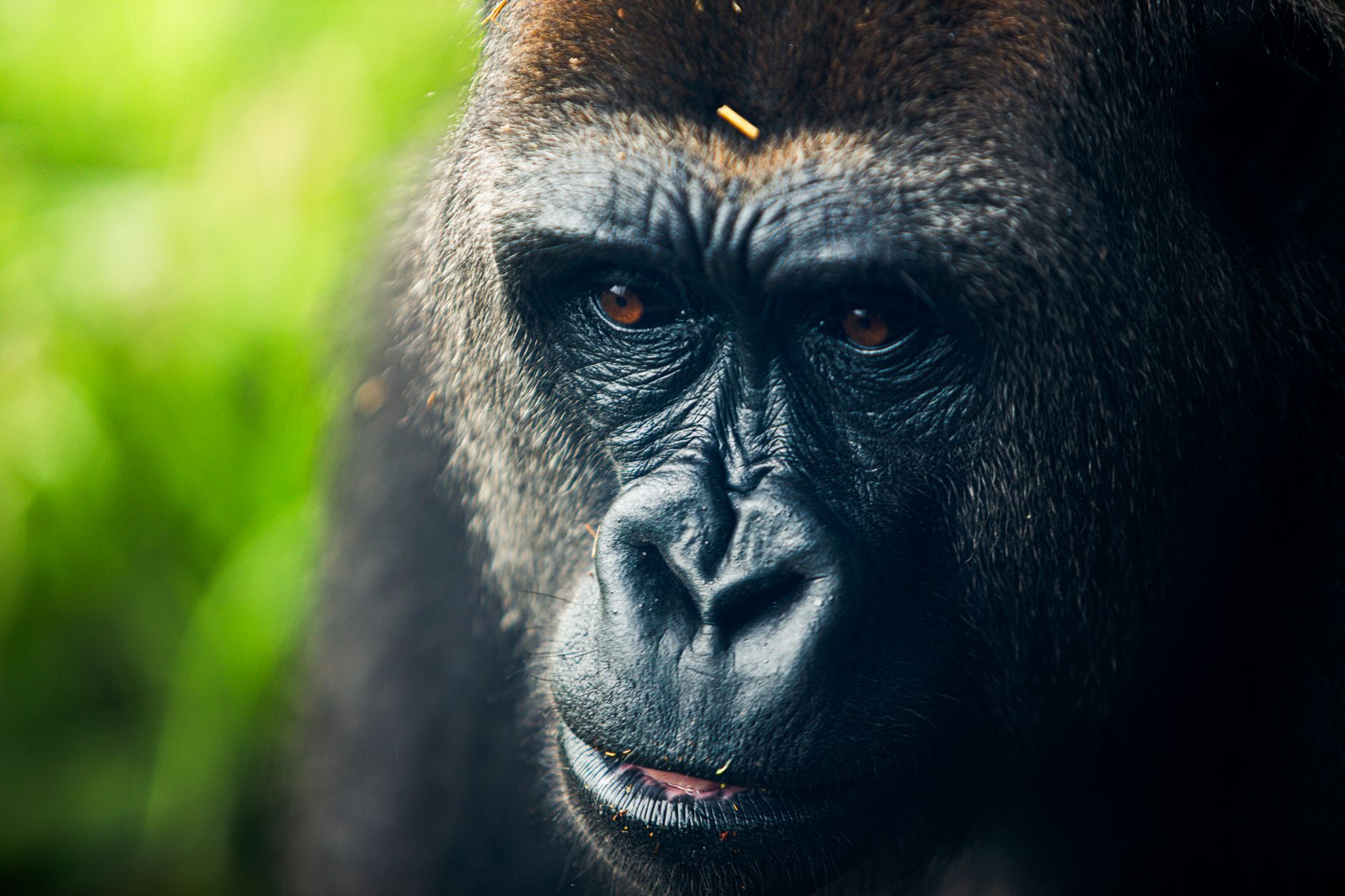
How Do Apes See Humans? Unveiling the Primate Perspective
Apes view humans through a complex lens shaped by experience, behavior, and evolutionary history, likely seeing us as a mix of resource provider, threat, competitor, and sometimes, even something akin to a conspecific. Understanding how apes see humans requires exploring their cognitive abilities and social dynamics.

Introduction: Beyond the Zoo Glass
The question of How do apes see humans? isn’t merely an academic curiosity; it’s a window into understanding our own place in the primate world and the ethical responsibilities we bear towards our closest relatives. For centuries, humans have observed apes, often in captivity, but rarely considered the perspective from the other side. This article delves into the scientific understanding of ape cognition, behavior, and the factors that shape their perception of us. We’ll explore how apes differentiate humans, the impact of human actions on their well-being, and the nuances of their social interactions with our species.

What colours are fish most attracted to?
Can you put your finger in a trout's mouth?
Is methylene blue anti bacterial?
Does aquarium salt raise pH in aquarium?
The Cognitive Toolkit: Apes’ Understanding of the World

Apes possess remarkable cognitive abilities that far exceed simple stimulus-response mechanisms. Their intelligence plays a key role in how they perceive and interact with humans.
- Theory of Mind: While debated, there’s evidence suggesting that some apes possess a rudimentary form of Theory of Mind, the ability to attribute mental states (beliefs, desires, intentions) to others. This means they may be able to anticipate human behavior based on perceived motivations.
- Problem-Solving: Apes demonstrate impressive problem-solving skills, often employing tools to obtain food or overcome obstacles. Their ability to learn from observation and imitation contributes to their understanding of human behavior.
- Memory and Learning: Apes have excellent memories, allowing them to remember specific humans and their past interactions. This plays a crucial role in shaping their perceptions and responses.
- Categorization: Apes can categorize objects and individuals, likely differentiating humans based on factors like gender, age, and clothing.
Behavioral Cues: Deciphering Human Intent
Beyond cognitive abilities, apes rely heavily on behavioral cues to interpret human intentions. These cues can be both visual and auditory.
- Facial Expressions: Apes are highly sensitive to human facial expressions, recognizing emotions like anger, fear, and happiness. A friendly smile is more likely to elicit a positive response than a frown.
- Body Language: Posture, gestures, and proximity all contribute to the message conveyed by humans. A threatening posture can trigger defensive behavior, while a calm, relaxed demeanor may be perceived as less threatening.
- Vocalization: Apes can distinguish between different human vocalizations, interpreting tone and volume as indicators of intent. A raised voice might signal danger, while a gentle tone suggests reassurance.
The Impact of Captivity: A Distorted Lens
The experiences of apes in captivity profoundly influence how they perceive humans. These environments often present a skewed representation of human behavior, leading to altered perceptions.
- Dependency: Captive apes become highly dependent on humans for food, care, and enrichment. This dependence can lead to a perception of humans as primarily providers.
- Lack of Control: Captivity often limits an ape’s control over its environment, leading to feelings of frustration and stress. This can result in negative associations with humans.
- Unnatural Interactions: Encounters with humans in zoos and research facilities are often unnatural and unpredictable, potentially leading to anxiety and fear.
- Learned Helplessness: In cases of prolonged negative interactions, apes can develop learned helplessness, becoming passive and withdrawn in the presence of humans.
Differentiating Humans: Individual Recognition and Social Dynamics
Apes can distinguish between individual humans and recognize them based on various cues. This individual recognition is crucial for navigating social interactions and forming relationships.
- Facial Features: Apes possess excellent facial recognition abilities, allowing them to distinguish between different humans based on subtle variations in facial features.
- Scent: Olfactory cues likely play a role in individual recognition, allowing apes to identify humans even in the absence of visual cues.
- Voice: Apes can recognize individual humans based on their voices, differentiating between them based on pitch, tone, and accent.
- Gait: The way a person walks can also serve as a unique identifier, allowing apes to recognize humans from a distance.
Positive Interactions: Building Trust and Rapport
Positive interactions with humans can foster trust and rapport, leading to more positive perceptions. These interactions often involve:
- Providing Enrichment: Offering stimulating activities and novel objects can enhance an ape’s well-being and create positive associations with humans.
- Gentle Handling: Treating apes with respect and avoiding forceful handling can build trust and reduce fear.
- Consistent Routines: Establishing predictable routines can provide a sense of security and reduce anxiety.
- Respecting Boundaries: Recognizing and respecting an ape’s personal space can foster a sense of control and reduce stress.
Negative Interactions: Fear, Aggression, and Avoidance
Negative interactions, such as aggression, neglect, or unpredictable behavior, can lead to fear, aggression, and avoidance behavior in apes.
- Physical Abuse: Physical abuse can have devastating psychological effects, leading to long-term fear and distrust of humans.
- Emotional Neglect: Lack of attention and social interaction can lead to feelings of isolation and depression.
- Unpredictable Behavior: Erratic or unpredictable human behavior can create anxiety and insecurity.
- Forced Interactions: Forcing interactions against an ape’s will can erode trust and lead to defensive behavior.
The Ethics of Observation: Minimizing Bias and Harm
It’s crucial to approach the study of how apes see humans with a strong ethical framework, minimizing bias and harm to the animals being observed. This involves:
- Non-Invasive Methods: Prioritizing non-invasive methods of observation, such as remote cameras and behavioral analysis.
- Respecting Welfare: Ensuring the welfare of the apes is paramount, minimizing stress and maximizing opportunities for natural behavior.
- Avoiding Anthropomorphism: Avoiding the temptation to project human emotions and motivations onto apes, instead focusing on objective observation and analysis.
- Transparency and Accountability: Being transparent about research methods and accountable for the welfare of the animals involved.
Conservation Implications: Understanding Ape-Human Relationships
Understanding ape-human relationships is crucial for conservation efforts. By understanding how apes see humans, we can develop strategies to mitigate conflict and promote coexistence.
- Reducing Human-Wildlife Conflict: Implementing strategies to minimize encounters between humans and apes, such as habitat preservation and anti-poaching measures.
- Promoting Responsible Tourism: Developing tourism practices that minimize disturbance to apes and their habitats.
- Educating Local Communities: Raising awareness among local communities about the importance of ape conservation and the benefits of coexistence.
- Supporting Research and Monitoring: Investing in research and monitoring efforts to better understand ape behavior and ecology.
How do apes recognize individual humans?
Apes employ a combination of cues to recognize individual humans. These include facial features, scent, voice, and gait. Facial recognition is particularly well-developed, allowing apes to distinguish between subtle variations in facial structure and expressions. They can also learn to associate specific scents and voices with individual humans.
Do apes perceive humans as a threat?
The perception of humans as a threat depends on individual experiences and the context of the interaction. Humans who exhibit aggressive or unpredictable behavior are more likely to be perceived as threatening. Conversely, humans who are consistently gentle and respectful are less likely to be seen as a threat.
Can apes understand human emotions?
There is evidence suggesting that apes can recognize and interpret human emotions, particularly facial expressions associated with anger, fear, happiness, and sadness. They use these cues to predict human behavior and adjust their own responses accordingly.
Do apes differentiate between different groups of humans (e.g., men vs. women, adults vs. children)?
Apes are capable of differentiating between different groups of humans based on characteristics such as gender, age, and clothing. These categorizations likely influence their perceptions and interactions.
How does captivity affect an ape’s perception of humans?
Captivity can significantly alter an ape’s perception of humans, often leading to a skewed representation of human behavior. Apes in captivity become highly dependent on humans for care and enrichment, but also experience limitations on their control over their environment.
Do apes form relationships with humans?
Apes can form relationships with humans, particularly those who provide consistent care and positive interactions. These relationships can be characterized by trust, affection, and mutual understanding.
Can apes learn to communicate with humans using sign language or other methods?
Yes, some apes have been taught to communicate with humans using sign language, lexigrams (symbols), or other methods. This allows for a more nuanced exchange of information and can provide insights into ape cognition and understanding.
How does habitat loss impact ape-human relations?
Habitat loss increases the likelihood of encounters between humans and apes, leading to increased conflict and competition for resources. This can result in negative perceptions of humans among ape populations.
What is the best way to interact with apes to promote positive relationships?
The best way to interact with apes is to be gentle, respectful, and predictable. Avoid aggressive behavior, maintain a safe distance, and provide opportunities for enrichment.
How can we minimize negative impacts on wild ape populations?
We can minimize negative impacts on wild ape populations by supporting conservation efforts, reducing habitat destruction, and promoting responsible tourism.
What role does tourism play in how apes view humans?
Tourism can have both positive and negative impacts on how apes view humans. Responsible tourism practices can provide economic benefits to local communities while minimizing disturbance to ape populations. However, irresponsible tourism can lead to stress, habituation, and increased vulnerability to disease.
Is it possible for apes to view humans as “one of their own”?
While unlikely in the strictest sense, apes that have been raised by humans from a young age may develop a stronger sense of affinity and perceive humans as more similar to themselves than other apes might. However, fundamental differences in communication and social behavior would likely remain.