

Why Fish Reigns Supreme: Understanding its Central Role in Japanese Culture
The consumption of fish goes far beyond sustenance in Japan; it’s interwoven with the nation’s history, religion, art, and deeply rooted beliefs about health and harmony. Fish is so important in Japanese culture because it’s a fundamental component of the island nation’s identity, culinary traditions, and spiritual connection to the sea.

A Deep Dive into Japan’s Piscatorial Passion
Japan’s relationship with fish is unlike almost any other in the world. It’s more than just a food source; it’s a symbol of national identity, a key ingredient in a cuisine revered globally, and a reflection of the Japanese people’s intimate connection with the ocean. Understanding this relationship requires exploring several interwoven aspects: geography, history, religion, and culinary tradition.

Are fish heads good for the garden?
Can fish hear water?
What is cotton rot in fish?
What colours are fish most attracted to?
Geographical Influence: An Island Nation Defined by the Sea
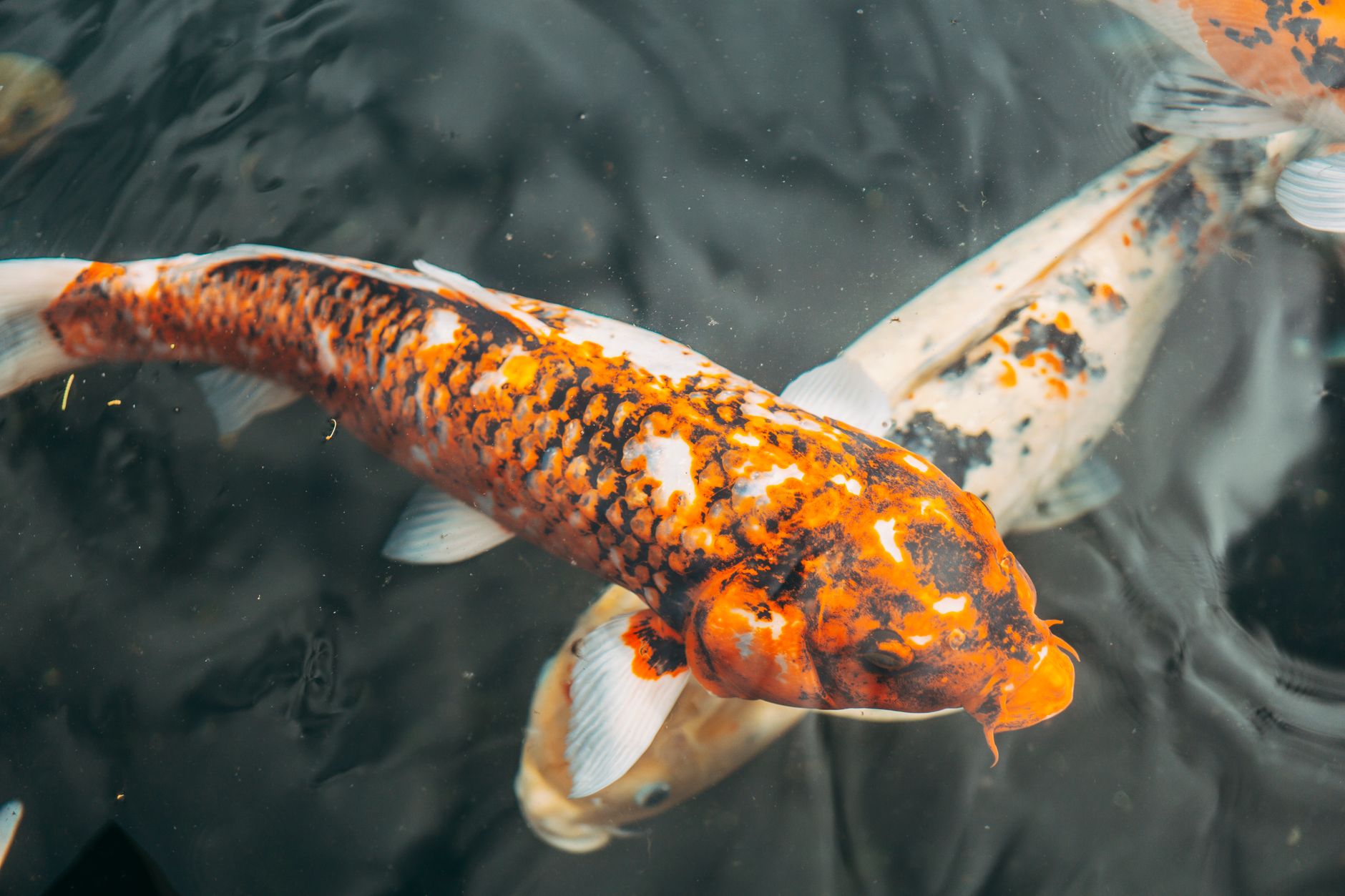
Japan’s location as an archipelago has undeniably shaped its food culture. Surrounded by the Pacific Ocean and its abundant marine life, the Japanese have long relied on the sea for sustenance. The nutrient-rich currents surrounding the islands provide a diverse range of fish and seafood, making them readily accessible resources.
- Access to a wide variety of fish
- Development of advanced fishing techniques
- Sea-centric trade routes
Historical Significance: From Subsistence to Culinary Art
From ancient times, fish has been a staple food for the Japanese population. Archaeological evidence suggests that fish consumption dates back thousands of years. Over time, fishing techniques evolved, and sophisticated preservation methods were developed to ensure a consistent supply of fish throughout the year. What began as a necessity gradually transformed into an art form. The development of dishes like sushi and sashimi represents the pinnacle of this evolution, showcasing the Japanese mastery of seafood preparation and presentation.
Religious and Spiritual Connections: A Reverence for Nature
Shinto, Japan’s indigenous religion, emphasizes a deep respect for nature and its resources. The ocean is seen as a source of life and a place of spiritual significance. Fish, as a gift from the sea, is often associated with prosperity and good fortune. Specific types of fish are even used in religious ceremonies and festivals. This spiritual connection reinforces the cultural importance of fish in Japanese society.
Culinary Traditions: A Symphony of Flavors and Textures
Japanese cuisine is renowned for its emphasis on fresh, seasonal ingredients and its delicate balance of flavors. Fish plays a central role, and its preparation is treated with the utmost care and respect. From simple grilled fish to elaborate sushi platters, Japanese chefs strive to highlight the natural flavors of the seafood, using minimal seasoning to allow the quality of the ingredients to shine. Techniques like ikizukuri (preparing fish while still alive), though controversial, demonstrate the extreme emphasis on freshness.
Health and Well-being: A Foundation for a Long and Healthy Life
The Japanese diet, rich in fish, is often credited as a contributing factor to the country’s high life expectancy. Fish is a source of lean protein, omega-3 fatty acids, and other essential nutrients that are beneficial for heart health, brain function, and overall well-being. The emphasis on consuming fresh, seasonal fish aligns with traditional Japanese beliefs about maintaining harmony within the body and living in accordance with nature. This consideration significantly influences why fish is so important in Japanese culture.
Sustainability and Conservation: Protecting Precious Resources
While fish is deeply ingrained in Japanese culture, there’s also a growing awareness of the need for sustainable fishing practices and marine conservation. Overfishing and environmental degradation pose serious threats to fish populations worldwide, including those surrounding Japan. Efforts are being made to promote responsible fishing methods, protect marine habitats, and educate consumers about sustainable seafood choices. Recognizing why fish is so important in Japanese culture also means acknowledging the responsibility to preserve this precious resource for future generations.
Frequently Asked Questions (FAQs)
Why is fish so frequently eaten raw in Japan?
Raw fish consumption, most notably in sushi and sashimi, highlights the emphasis on freshness and quality. The Japanese believe that eating fish raw allows one to fully appreciate its natural flavors and textures. The availability of incredibly fresh seafood, combined with centuries of perfecting safe preparation techniques, makes this practice common.
What are some popular types of fish consumed in Japan?
Japan enjoys a wide variety of fish. Some of the most popular include tuna (maguro), salmon (sake), yellowtail (hamachi), sea bream (tai), and mackerel (saba). Each fish has its own unique flavor profile and is prepared in different ways depending on the season and the region.
How has the perception of fish changed over time in Japan?
Historically, fish was a primary source of protein for many Japanese, especially those living near the coast. As Japan modernized, fish consumption became more refined, evolving from a simple necessity to a culinary art form appreciated globally. The focus shifted towards emphasizing freshness, presentation, and sustainable practices.
Is fish consumption uniform across all regions of Japan?
No, fish consumption varies significantly by region. Coastal areas naturally consume more fish than inland regions. Each region also has its own local specialties and preferred cooking methods. For example, Hokkaido is known for its salmon and crab, while Kyushu is famous for its blowfish.
What is umami, and how does it relate to fish?
Umami is one of the five basic tastes, often described as savory or meaty. Fish, especially when dried or fermented, is a rich source of umami. This flavor enhances the palatability of dishes and is a key element in Japanese cuisine.
How do Japanese chefs ensure the safety of consuming raw fish?
Japanese chefs undergo rigorous training in proper fish handling and preparation techniques to minimize the risk of contamination. They use specialized knives and tools to ensure precise cuts and remove any potentially harmful parasites. Strict hygiene standards are also maintained.
Are there any religious restrictions on eating fish in Japan?
While there are no specific religious restrictions on eating fish in Japan, some Buddhist monks may abstain from eating meat, including fish, as part of their vegetarian or vegan diet.
How does fish contribute to the aesthetics of Japanese cuisine?
Japanese cuisine places a strong emphasis on visual appeal. Fish, with its vibrant colors and delicate textures, plays a significant role in creating aesthetically pleasing dishes. Chefs carefully arrange the fish to create balanced and harmonious compositions.
What are some common ways fish is prepared in Japan?
Common preparation methods include sashimi (raw sliced fish), sushi (fish with vinegared rice), grilling (yakizakana), simmering (nimono), frying (agemono), and steaming (mushimono). Each method brings out different flavors and textures of the fish.
What is the role of fish in Japanese festivals and celebrations?
Certain types of fish are considered auspicious and are often served during festivals and celebrations. For example, sea bream (tai) is a symbol of good luck and is frequently eaten at weddings and other special occasions.
How is climate change affecting fish populations in Japan?
Climate change is posing a significant threat to fish populations and the fishing industry in Japan. Rising sea temperatures, ocean acidification, and changing currents are affecting fish migration patterns, breeding cycles, and overall availability.
What are some efforts being made to promote sustainable fishing in Japan?
Efforts to promote sustainable fishing in Japan include implementing stricter fishing regulations, promoting responsible aquaculture practices, and educating consumers about sustainable seafood choices. Collaboration between fishermen, scientists, and government agencies is crucial to ensure the long-term health of marine ecosystems. Recognizing why fish is so important in Japanese culture means actively working toward its sustainable future.