

Why a Diffuser is Better: Unveiling the Superior Air Enhancement Technology
A diffuser is better because it offers superior scent dispersal, aromatherapy benefits, and humidification compared to other air freshening methods, creating a more natural and therapeutic environment.
Introduction: Rethinking Air Quality
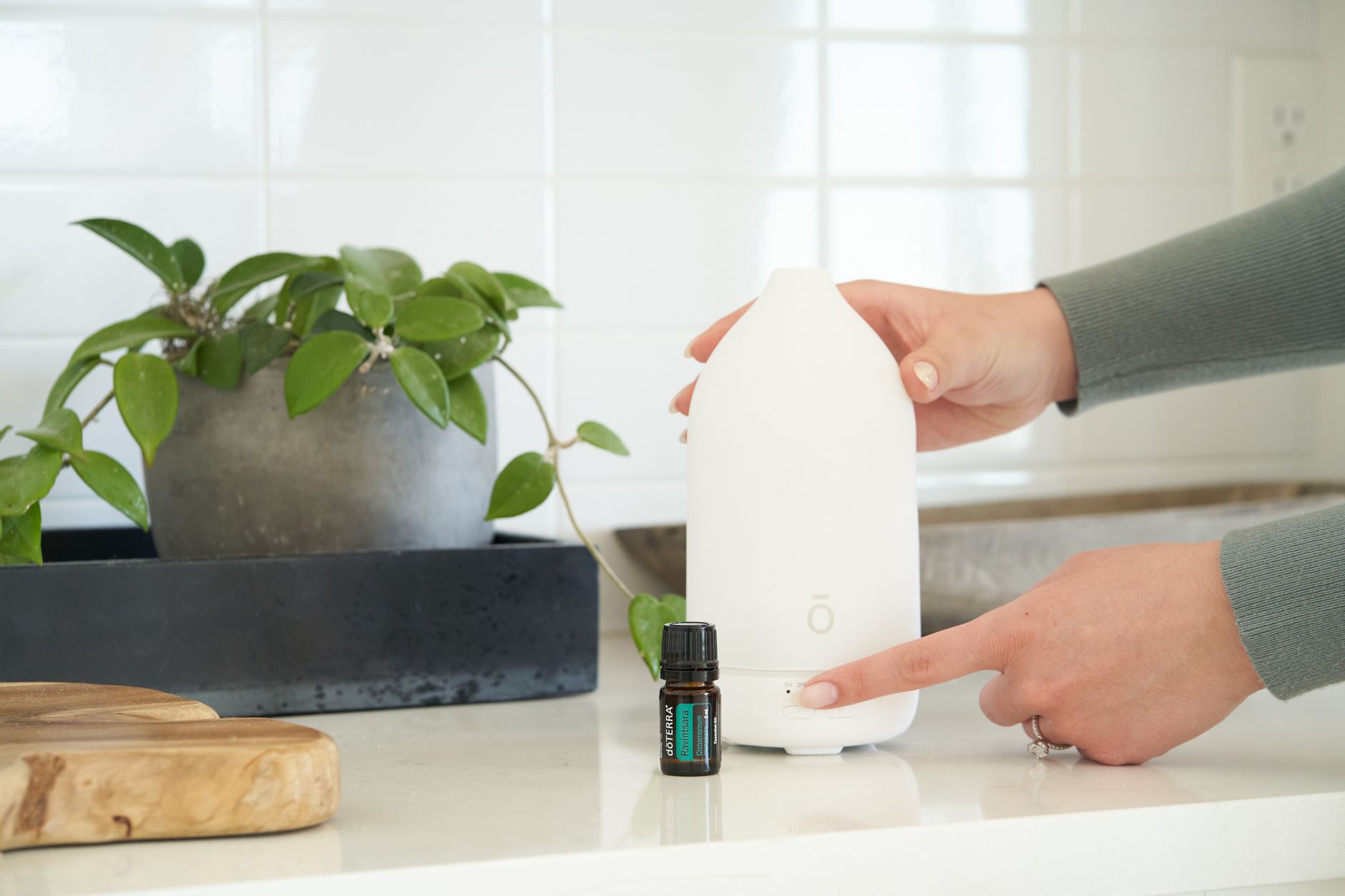
In our quest for optimal living spaces, air quality plays a pivotal role. Beyond aesthetics, the air we breathe directly impacts our well-being, affecting mood, stress levels, and even respiratory health. While traditional air fresheners offer a quick fix, a growing body of evidence highlights the advantages of diffusers as a healthier and more effective alternative. Why is a diffuser better? Simply put, it goes beyond masking odors and delves into creating a holistic and beneficial atmospheric experience.
What colours are fish most attracted to?
Can you put your finger in a trout's mouth?
Is methylene blue anti bacterial?
Does aquarium salt raise pH in aquarium?
The Science Behind Diffusion

Understanding the science behind diffusers is crucial to appreciate their effectiveness. Diffusers, particularly ultrasonic diffusers, utilize high-frequency vibrations to break down essential oils and water into a fine mist. This mist is then dispersed into the air, carrying the therapeutic aroma throughout the room. This process differs significantly from traditional air fresheners, which often rely on harsh chemicals and propellants to release fragrance.
The Multifaceted Benefits of Diffusers
The advantages of using a diffuser extend far beyond simply making a room smell pleasant. Here are some key benefits:
- Aromatherapy: Diffusers are excellent tools for aromatherapy, allowing you to inhale essential oils known for their various therapeutic properties. Lavender, for example, can promote relaxation, while peppermint can boost energy and focus.
- Humidification: Many diffusers, especially ultrasonic models, also act as humidifiers, adding moisture to the air. This is particularly beneficial during dry seasons or in artificially heated or cooled environments.
- Air Purification: Some essential oils, when diffused, can help purify the air by killing airborne bacteria and viruses.
- Mood Enhancement: The scents released by diffusers can have a profound impact on mood and emotional well-being. The right essential oil blend can create a calming, uplifting, or invigorating atmosphere.
- Reduced Chemical Exposure: Compared to traditional air fresheners, diffusers significantly reduce exposure to potentially harmful chemicals and synthetic fragrances.
- Enhanced Sleep Quality: Diffusing calming essential oils, such as chamomile or sandalwood, can create a relaxing environment conducive to better sleep.
Types of Diffusers: A Comprehensive Overview
Choosing the right diffuser depends on your specific needs and preferences. Here’s a brief overview of the different types:
- Ultrasonic Diffusers: These diffusers use ultrasonic vibrations to create a fine mist of water and essential oils. They are quiet, efficient, and often feature adjustable settings for mist output and timer functions. They also provide humidification.
- Nebulizing Diffusers: These diffusers use pressurized air to atomize essential oils into a fine mist. They provide a potent and concentrated aroma, but they do not humidify the air and can be noisier than ultrasonic diffusers. They are also more expensive.
- Evaporative Diffusers: These diffusers use a fan to evaporate essential oils from a pad or filter. They are typically less expensive but offer a weaker scent throw compared to other types.
- Heat Diffusers: These diffusers use heat to evaporate essential oils. While they are simple to use, they can alter the chemical composition of the oils, reducing their therapeutic benefits.
Choosing the Right Essential Oils
Selecting the right essential oils is just as important as choosing the right diffuser. It’s crucial to use high-quality, 100% pure essential oils to ensure maximum therapeutic benefits and avoid potential allergic reactions. Research the properties of different essential oils to find blends that meet your specific needs. For example, a blend of lavender and chamomile is ideal for relaxation, while a blend of eucalyptus and peppermint can help relieve congestion.
Best Practices for Diffuser Use
To maximize the benefits of your diffuser, follow these best practices:
- Clean your diffuser regularly: This prevents the buildup of bacteria and mold.
- Use distilled water: This prevents mineral buildup and extends the life of your diffuser.
- Start with a small amount of essential oil: You can always add more if needed.
- Diffuse in a well-ventilated area: This prevents the air from becoming overly saturated with essential oils.
- Be mindful of pets and children: Some essential oils can be harmful to pets and children. Research essential oil safety before use.
Common Mistakes to Avoid
While diffusers are relatively easy to use, there are a few common mistakes to avoid:
- Using too much essential oil: This can lead to headaches, nausea, and other adverse effects.
- Neglecting to clean the diffuser: This can lead to the growth of bacteria and mold.
- Using tap water: Tap water contains minerals that can clog the diffuser.
- Leaving the diffuser running constantly: This can over-saturate the air with essential oils.
- Ignoring essential oil safety guidelines: This can lead to allergic reactions or other health problems.
The Verdict: Why is a diffuser better?
The evidence clearly demonstrates that diffusers offer a superior approach to air enhancement compared to traditional methods. From aromatherapy benefits to humidification and air purification, diffusers provide a holistic and healthy way to improve the quality of your living space. By choosing the right diffuser, selecting high-quality essential oils, and following best practices, you can create a personalized and therapeutic environment that promotes well-being and enhances your overall quality of life.
Comparison Table: Diffusers vs. Traditional Air Fresheners
| Feature | Diffusers | Traditional Air Fresheners |
|---|---|---|
| Ingredients | Natural essential oils, water | Synthetic fragrances, chemicals, propellants |
| Health Benefits | Aromatherapy, humidification, air purification | None, potential health risks |
| Environmental Impact | Minimal, reusable | Significant, disposable |
| Scent Control | Customizable, adjustable intensity | Limited, often overpowering |
| Long-Term Cost | Higher initial cost, lower running cost | Lower initial cost, higher replacement cost |
Frequently Asked Questions (FAQs)
What is the difference between an ultrasonic diffuser and a nebulizing diffuser?
Ultrasonic diffusers use vibrations to create a mist of water and essential oils, also providing humidification. Nebulizing diffusers use pressurized air to atomize the oils directly, offering a more concentrated aroma but without the humidifying benefit.
How often should I clean my diffuser?
It’s recommended to clean your diffuser at least once a week to prevent bacteria and mineral buildup. For heavy use, clean it more frequently, perhaps every 2-3 days.
Can I use tap water in my diffuser?
No, it’s best to use distilled water in your diffuser. Tap water contains minerals that can cause buildup and damage the device over time.
Are all essential oils safe to diffuse around pets?
No, some essential oils are toxic to pets. Always research which oils are safe for your specific animals before diffusing them. Common culprits include tea tree oil, pennyroyal, and cinnamon.
How much essential oil should I add to my diffuser?
Start with 3-5 drops per 100ml of water and adjust to your preference. It’s always better to start with less and add more as needed.
Can I diffuse essential oils all day long?
It’s generally recommended to diffuse essential oils for 30-60 minutes at a time, with breaks in between. Prolonged exposure can lead to over-saturation and sensitivity.
What are the best essential oils for sleep?
Some of the best essential oils for promoting sleep include lavender, chamomile, sandalwood, and cedarwood.
Can I mix essential oils in my diffuser?
Yes, you can mix essential oils to create custom blends. Research the properties of different oils to find combinations that complement each other and meet your specific needs.
Is a diffuser safe for babies?
While diffusing essential oils can be tempting, it’s crucial to exercise caution with babies and young children. Some oils are not recommended, and it’s best to consult with a pediatrician or aromatherapist before using a diffuser around infants. Dilute the essential oils significantly if you choose to diffuse them around babies.
What size diffuser do I need for my room?
The size of the diffuser you need depends on the size of your room. A small diffuser (100-200ml) is sufficient for a small room (100-200 square feet), while a larger diffuser (300-500ml) is better for a larger room (300-500 square feet).
Can a diffuser help with allergies?
Some essential oils, such as eucalyptus and peppermint, can help relieve allergy symptoms by opening up the airways and reducing inflammation. However, diffusers alone are not a cure for allergies.
Are there any essential oils I should avoid diffusing?
Yes, some essential oils should be avoided, especially during pregnancy or around young children. These include pennyroyal, sage, hyssop, and wintergreen. Always research essential oil safety before use.