

Will the Birds Be OK If I Stop Feeding Them?
Yes, generally, the birds will be OK if you stop feeding them, as they are not entirely reliant on your handouts and can adapt to natural food sources; however, abrupt cessation could present temporary challenges, especially during harsh weather or for fledglings.
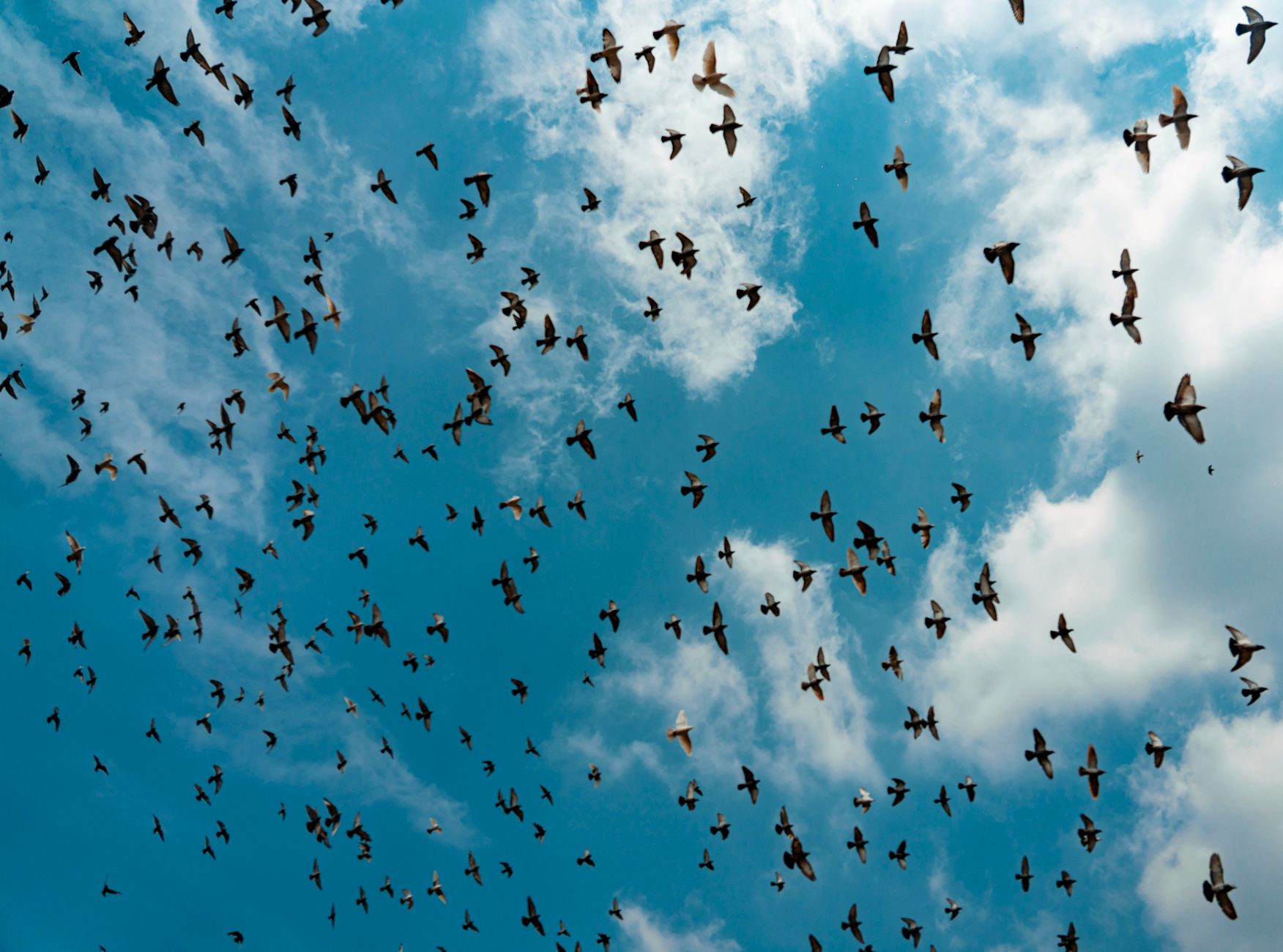
Introduction: A Bird Feeder’s Dilemma
The simple act of filling a bird feeder can bring immense joy. We watch the vibrant colors and listen to the cheerful chirps, feeling connected to the natural world. But what happens when life changes, and we can no longer maintain that routine? Perhaps we’re moving, facing financial constraints, or simply reassessing our priorities. The question inevitably arises: Will the birds be OK if I stop feeding them? This is a legitimate concern, fueled by our empathy for these creatures. Let’s delve into the science and responsible practices surrounding this important question.

What is the GREY African clawed frog?
Is distilled water good for goldfish?
What colours are fish most attracted to?
Can you put your finger in a trout's mouth?
Understanding Bird Dependency

Many assume that birds become completely dependent on bird feeders. While feeders provide a reliable food source, it’s crucial to remember that birds are, by nature, resourceful foragers. They have evolved to survive in diverse environments, relying on a variety of food sources, including insects, seeds, berries, and nectar.
- Natural Foraging Instincts: Birds possess ingrained foraging behaviors.
- Seasonal Adaptability: They adapt their diets based on seasonal availability.
- Diverse Food Sources: Birds utilize a range of natural food options beyond feeders.
The reality is, the food we offer at feeders supplements their diet rather than replacing it entirely. They are using the feeders as an addition to their diets, particularly during times when natural foods are scarce.
Potential Challenges of Stopping Feeding
While birds aren’t wholly reliant on feeders, there are situations where stopping feeding can present challenges, particularly if done abruptly. These include:
- Winter Months: During periods of extreme cold and snow cover, natural food sources become scarce. Birds rely more heavily on feeders to maintain their energy levels. Abrupt cessation during these times can be stressful.
- Nesting Season: Parent birds often use feeders to supplement their diets while raising young. Rapidly removing this food source can place additional strain on them to find sufficient food for their chicks.
- Newly Fledged Birds: Young birds learning to forage may rely heavily on feeders initially. A sudden loss of this food source could be problematic as they learn to navigate their environment.
A Gradual Transition is Key
If you must stop feeding birds, the best approach is a gradual reduction in the amount of food offered. This allows birds to adjust their foraging habits and locate alternative food sources.
Here’s a recommended process:
- Phase 1 (Weeks 1-2): Reduce the amount of food by 25% each week.
- Phase 2 (Weeks 3-4): Reduce the frequency of filling the feeders. Switch from daily to every other day, then to twice a week.
- Phase 3 (Weeks 5-6): Empty the feeders completely, but leave them in place for a few days. This allows birds to continue searching for food at the familiar location, reinforcing the absence of food.
- Phase 4 (Final): Remove the feeders.
Creating a Bird-Friendly Habitat
Regardless of whether you continue feeding birds, creating a bird-friendly habitat in your yard is always beneficial. This involves providing:
- Native Plants: Native plants offer natural food sources like seeds, berries, and insects.
- Water Source: A bird bath or small pond provides essential drinking and bathing water.
- Shelter: Trees and shrubs offer protection from predators and harsh weather.
By providing these elements, you can support birds even if you stop feeding them directly.
What if I Want to Take a Vacation?
A shorter-term cessation of feeding, such as during a vacation, is generally less problematic than a permanent stop. Birds will likely find alternative food sources during your absence. Ensure your feeders are clean before you leave to prevent the spread of disease. Consider asking a neighbor to refill the feeders if your absence is prolonged, particularly during harsh weather.
Common Mistakes to Avoid
- Abruptly Stopping in Winter: This can be particularly stressful for birds.
- Not Cleaning Feeders Regularly: Dirty feeders can spread diseases.
- Using Inappropriate Food: Avoid feeding birds bread or other processed foods.
- Ignoring Predator Concerns: Ensure feeders are placed in locations that minimize the risk of predation.
Conclusion: Responsible Bird Feeding
Ultimately, will the birds be OK if I stop feeding them? The answer is usually yes, especially if you take a thoughtful and gradual approach. By understanding bird behavior and providing a supportive habitat, you can ensure their well-being even if you can no longer provide supplemental food. The goal is to be a responsible and informed bird feeder, prioritizing the health and sustainability of our avian friends.
Frequently Asked Questions (FAQs)
What is the best time of year to stop feeding birds?
The best time to gradually wean birds off feeders is during the late spring or early fall, when natural food sources are abundant. This allows birds to adjust to the transition more easily. Avoid abruptly stopping in the dead of winter or during peak nesting season.
Will birds starve if I suddenly stop feeding them?
It’s unlikely that birds will starve immediately. Birds are resourceful creatures. They will adjust their behavior and search for alternate food sources. However, a sudden stop during harsh weather can place undue stress on them.
What types of food are best for birds if I do choose to feed them?
Black oil sunflower seeds are a popular and nutritious option that attracts a wide variety of birds. Other good choices include nyjer seeds (for finches), peanuts, suet (especially in winter), and mealworms. Avoid offering bread or processed foods.
How often should I clean my bird feeders?
Clean your feeders at least once every two weeks, and more frequently during wet or humid weather. Use soap and hot water to remove debris and disinfect the feeder to prevent the spread of disease.
Can I attract birds without using a traditional bird feeder?
Absolutely! Planting native trees, shrubs, and flowers that provide natural food sources and shelter is an excellent way to attract birds. A water source, such as a bird bath, is also crucial.
Are there any drawbacks to feeding birds?
Yes, there are potential drawbacks, including the spread of disease, dependency, attracting unwanted pests (like rodents), and increased competition among birds. Responsible feeding practices can minimize these risks.
Will stopping feeding cause birds to abandon my yard altogether?
Not necessarily. If you provide a bird-friendly habitat with native plants, water, and shelter, birds may continue to visit your yard even if you no longer offer food. They will be attracted by the other resources.
Is it harmful to feed birds bread?
Yes, bread offers very little nutritional value and can lead to health problems in birds. It can fill them up without providing essential nutrients, potentially leading to malnutrition and other health issues. It is best to avoid it entirely.
How can I prevent squirrels from eating all the birdseed?
There are various squirrel-resistant feeders and strategies, including using feeders with cages around them, offering safflower seeds (which squirrels don’t typically like), and placing feeders away from trees or other structures squirrels can jump from. Proper placement is key.
What should I do if I find a sick or injured bird near my feeder?
Contact a local wildlife rehabilitation center. Do not attempt to treat the bird yourself. Professionals have the expertise and resources to provide appropriate care.
Will the birds be OK if my neighbor keeps feeding them?
If your neighbor continues feeding birds, the impact of your stopping might be lessened as birds may simply supplement their diet at their feeder. However, they are still reliant on a varied diet so providing a suitable environment still makes a difference.
Should I stop feeding birds if I’m worried about attracting predators?
Predators such as cats and hawks can be attracted to areas where birds congregate. Positioning feeders where birds have access to cover and escape routes will help reduce the risk of predation. If predator activity is excessive, temporarily removing the feeders can give the birds and predators time to disperse.