
Why Does My Pitbull Turn Pink?
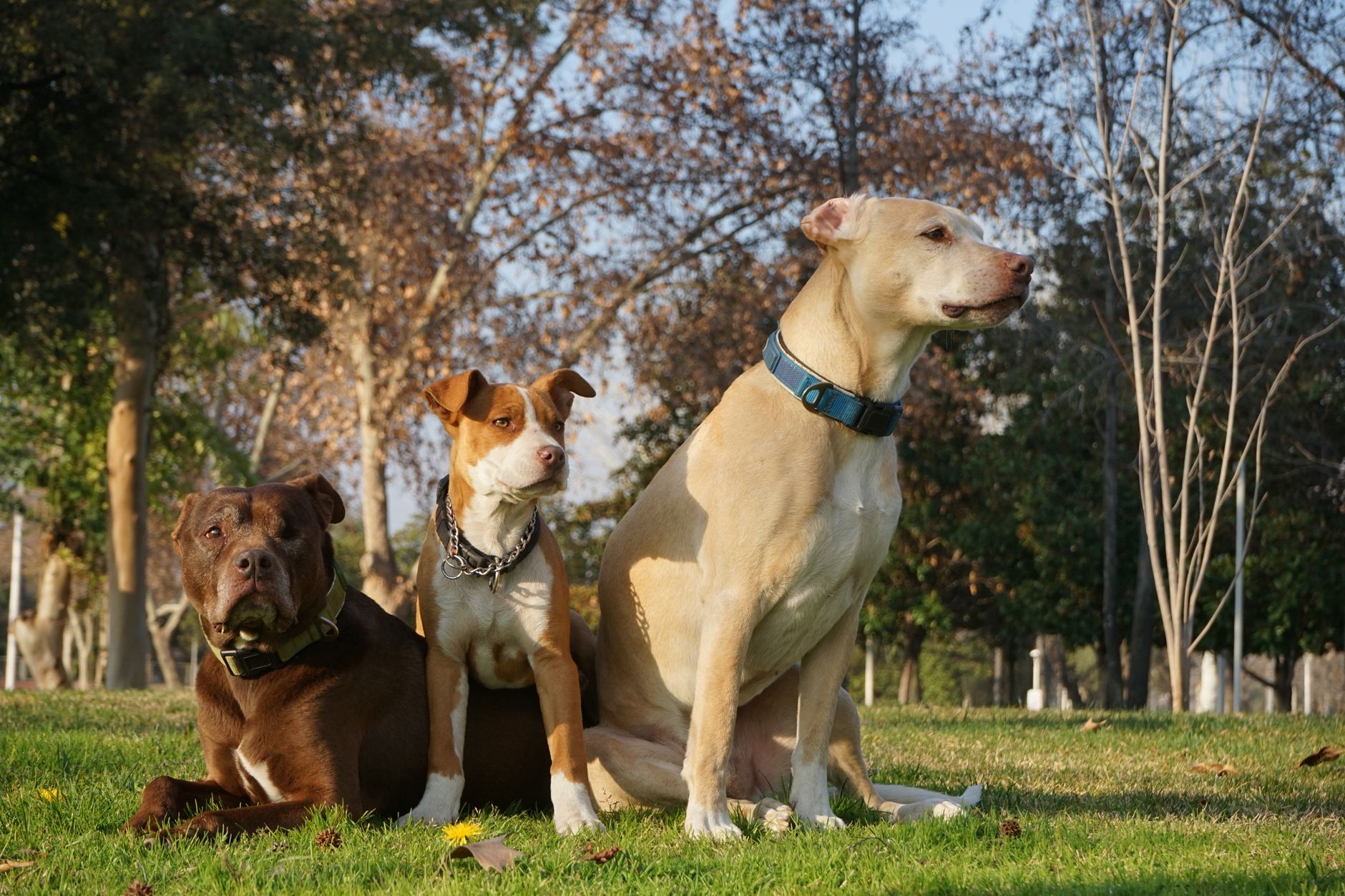
The pinkish hue you’re seeing on your pitbull is likely due to their skin showing through their coat, a common phenomenon often linked to genetics, environmental factors, or allergies. Understanding the specific cause requires careful observation of your dog’s skin and coat.
Introduction: Understanding the Pink Pitbull Phenomenon
Seeing your pitbull develop a pinkish tint can be alarming, but in many cases, it’s a benign occurrence. Several factors can contribute to this color change, ranging from simple genetics to more complex health issues. This article will delve into the various reasons why does my pitbull turn pink?, providing you with the knowledge to understand the underlying causes and take appropriate action. We will explore the roles of coat color, skin pigmentation, environmental triggers, allergies, and potential health concerns.

What colours are fish most attracted to?
Can you put your finger in a trout's mouth?
Is methylene blue anti bacterial?
Does aquarium salt raise pH in aquarium?
The Role of Pigmentation

Pitbulls, like all dogs, have varying levels of pigmentation, which determines the color of their skin and coat. The pigment responsible for dark colors is melanin, and its distribution and concentration dictate the final appearance.
- Lack of Pigmentation: Pitbulls with lighter-colored coats, such as white or fawn, often have less pigment in their skin. This means that the skin’s underlying blood vessels become more visible, creating a pinkish appearance.
- Visible Blood Vessels: Even in dogs with darker coats, areas with thin fur or exposed skin (like the belly or inner ears) can appear pink because the blood vessels are close to the surface.
- Diluted Colors: Genetic factors can dilute coat colors, leading to lighter shades that make the skin more noticeable.
Environmental Factors and Irritants
External factors can also cause your pitbull to appear pinker than usual. These often involve inflammation or irritation of the skin.
- Sun Exposure: Just like humans, pitbulls can get sunburned, especially those with light-colored coats. Sunburn can cause the skin to turn pink or red.
- Irritants: Contact with certain chemicals, plants, or cleaning products can irritate the skin, leading to inflammation and redness. This can manifest as a pinkish discoloration.
- Friction: Constant rubbing against rough surfaces or tight collars can cause skin irritation and a pink appearance.
Allergies and Skin Conditions
Allergies are a common cause of skin problems in pitbulls, and these problems can often result in a pinkish hue.
- Food Allergies: Allergies to certain ingredients in dog food can cause skin inflammation and itching. The resulting scratching and licking can further irritate the skin, making it appear pink.
- Environmental Allergies: Pollen, dust mites, and mold can trigger allergic reactions, leading to similar symptoms as food allergies.
- Skin Infections: Bacterial or fungal infections can cause inflammation and redness, making the skin appear pink or even red. Common conditions include staphylococcus infections and yeast dermatitis.
Diagnostic Steps and Considerations
If you notice your pitbull’s skin turning pink, it’s important to take a proactive approach to determine the cause.
- Observe the Affected Areas: Note the location, size, and texture of the pink areas. Is it localized, or is it widespread? Is the skin smooth, bumpy, or flaky?
- Check for Other Symptoms: Look for signs of itching, scratching, licking, hair loss, or discharge.
- Review Diet and Environment: Consider any recent changes in your dog’s food, environment, or grooming products.
- Consult a Veterinarian: If the pinkness persists or is accompanied by other symptoms, consult a veterinarian for a diagnosis. They may perform allergy tests, skin scrapings, or biopsies to determine the underlying cause.
Treatment Options
Treatment will depend on the underlying cause of the pink skin.
- Allergy Management: This may involve switching to a hypoallergenic diet, using antihistamines or corticosteroids, or starting allergy immunotherapy (allergy shots).
- Infection Treatment: Bacterial infections are typically treated with antibiotics, while fungal infections require antifungal medications.
- Skin Care: Medicated shampoos, topical creams, and soothing lotions can help relieve inflammation and itching.
- Sun Protection: Apply dog-safe sunscreen to exposed areas of skin to prevent sunburn.
- Environmental Modifications: Remove potential irritants from your dog’s environment, such as harsh cleaning products or allergenic plants.
Prevention Tips
Preventing your pitbull from turning pink often involves maintaining good hygiene, providing a balanced diet, and minimizing exposure to potential irritants and allergens.
- Regular Grooming: Brush your pitbull regularly to remove loose hair and debris.
- Balanced Diet: Feed your pitbull a high-quality dog food that is free of common allergens.
- Hypoallergenic Shampoos: Use hypoallergenic shampoos to minimize skin irritation.
- Limit Sun Exposure: Avoid prolonged sun exposure, especially during peak hours.
- Allergen Control: Minimize exposure to pollen, dust mites, and mold.
Summary Table of Causes and Treatments
| Cause | Symptoms | Treatment |
|---|---|---|
| Lack of Pigmentation | Pink skin visible, especially in light-coated dogs. | No treatment needed, as this is normal. |
| Sunburn | Pink or red skin, often accompanied by pain and blistering. | Dog-safe sunscreen, cool compresses, and veterinary care for severe cases. |
| Irritants | Pink or red skin, itching, and inflammation. | Remove irritant, wash affected area, and use soothing topical creams. |
| Food Allergies | Pink or red skin, itching, hair loss, and gastrointestinal issues. | Hypoallergenic diet, antihistamines, and corticosteroids. |
| Environmental Allergies | Pink or red skin, itching, sneezing, and watery eyes. | Antihistamines, corticosteroids, allergy immunotherapy. |
| Skin Infections | Pink or red skin, itching, discharge, and odor. | Antibiotics for bacterial infections, antifungals for fungal infections. |
Conclusion: Addressing the Pink Pitbull
Why does my pitbull turn pink? As we’ve seen, the answer can be complex, ranging from simple genetics to more serious health issues. Careful observation, diligent care, and veterinary consultation are essential for determining the underlying cause and providing appropriate treatment. By understanding the various factors involved, you can ensure your pitbull remains healthy and comfortable.
Frequently Asked Questions (FAQs)
Can my pitbull’s coat color change permanently?
Coat color changes can sometimes be permanent, especially if they are due to genetic factors or scarring. However, in many cases, the pinkish hue is temporary and will resolve once the underlying cause, such as inflammation or allergies, is addressed. Regular grooming and proper skin care can help maintain your pitbull’s natural coat color.
Is it normal for my pitbull’s belly to be pink?
It’s quite common for a pitbull’s belly to appear pink, especially if they have a light-colored coat. This is because the skin on the belly is often thinner and has less fur, making the blood vessels more visible. As long as there are no signs of irritation, such as excessive licking, scratching, or redness, a pink belly is usually nothing to worry about.
What are the common allergens that affect pitbulls?
Pitbulls are prone to allergies, and common allergens include certain ingredients in dog food (such as beef, chicken, corn, and soy), pollen, dust mites, mold, and flea saliva. Identifying and avoiding these allergens can significantly improve your pitbull’s skin health.
How can I tell if my pitbull has a skin infection?
Signs of a skin infection in a pitbull include pink or red skin, itching, hair loss, discharge, odor, and scaly or crusty patches. If you notice these symptoms, it’s important to consult a veterinarian for diagnosis and treatment.
What is the best shampoo for a pitbull with sensitive skin?
For pitbulls with sensitive skin, it’s best to use a hypoallergenic, fragrance-free shampoo that is specifically formulated for dogs. Look for shampoos that contain soothing ingredients like oatmeal or aloe vera. Avoid shampoos that contain harsh chemicals or sulfates, as these can further irritate the skin.
Can stress cause my pitbull to turn pink?
While stress itself doesn’t directly cause a pitbull to turn pink, it can exacerbate underlying skin conditions. Stress can weaken the immune system, making the dog more susceptible to allergies and infections. Managing your pitbull’s stress levels through regular exercise, mental stimulation, and a calm environment can indirectly improve their skin health.
How often should I bathe my pitbull?
The frequency of bathing depends on your pitbull’s lifestyle and skin condition. Generally, bathing every 2-4 weeks is sufficient for most pitbulls. However, if your pitbull has allergies or skin problems, your veterinarian may recommend more frequent bathing with a medicated shampoo. Avoid over-bathing, as this can strip the skin of its natural oils and lead to dryness and irritation.
What are the signs of sunburn in pitbulls?
Signs of sunburn in pitbulls include pink or red skin, especially on the ears, nose, and belly, pain, blistering, and peeling skin. If you suspect your pitbull has sunburn, apply cool compresses to the affected areas and consult a veterinarian.
Are some pitbull colors more prone to turning pink than others?
Yes, pitbulls with lighter-colored coats, such as white or fawn, are more prone to appearing pink because their skin is more visible through their fur. Dogs with less pigmentation in their skin and coat are more susceptible to sunburn and other skin irritations.
How can I protect my pitbull from sunburn?
To protect your pitbull from sunburn, limit their exposure to direct sunlight, especially during peak hours (10 am to 4 pm). Apply a dog-safe sunscreen to exposed areas of skin, such as the ears, nose, and belly, before going outside. Consider using a dog-safe sun suit to provide additional protection.
Can diet affect my pitbull’s skin color?
Yes, diet can play a significant role in your pitbull’s skin health and color. A balanced diet that is rich in omega-3 fatty acids can help promote healthy skin and coat. If your pitbull has food allergies, switching to a hypoallergenic diet can alleviate skin problems and improve their coat color.
When should I see a vet about my pitbull’s pink skin?
You should consult a veterinarian if your pitbull’s pink skin is accompanied by other symptoms, such as itching, scratching, hair loss, discharge, odor, or changes in behavior. Early diagnosis and treatment can prevent minor skin problems from becoming more serious.