

What Fish Can I Eat That I Catch? A Guide to Safe and Delicious Catches
Knowing what fish you can eat from your local waters is essential for enjoying your catch safely; many popular species like trout, salmon, and panfish are generally safe and delicious, but understanding local advisories and identifying less common fish is crucial.

Understanding the Safety of Consuming Your Catch
The joy of catching a fish is often followed by the anticipation of a fresh, delicious meal. However, before you fire up the grill, it’s vital to understand the potential risks and rewards associated with eating fish you’ve caught yourself. What fish can I eat that I catch? is a question that requires careful consideration of several factors, from species identification to local water conditions.

How intelligent are fish?
Are fish heads good for the garden?
Can fish hear water?
What is cotton rot in fish?
Key Considerations Before Consuming Fish
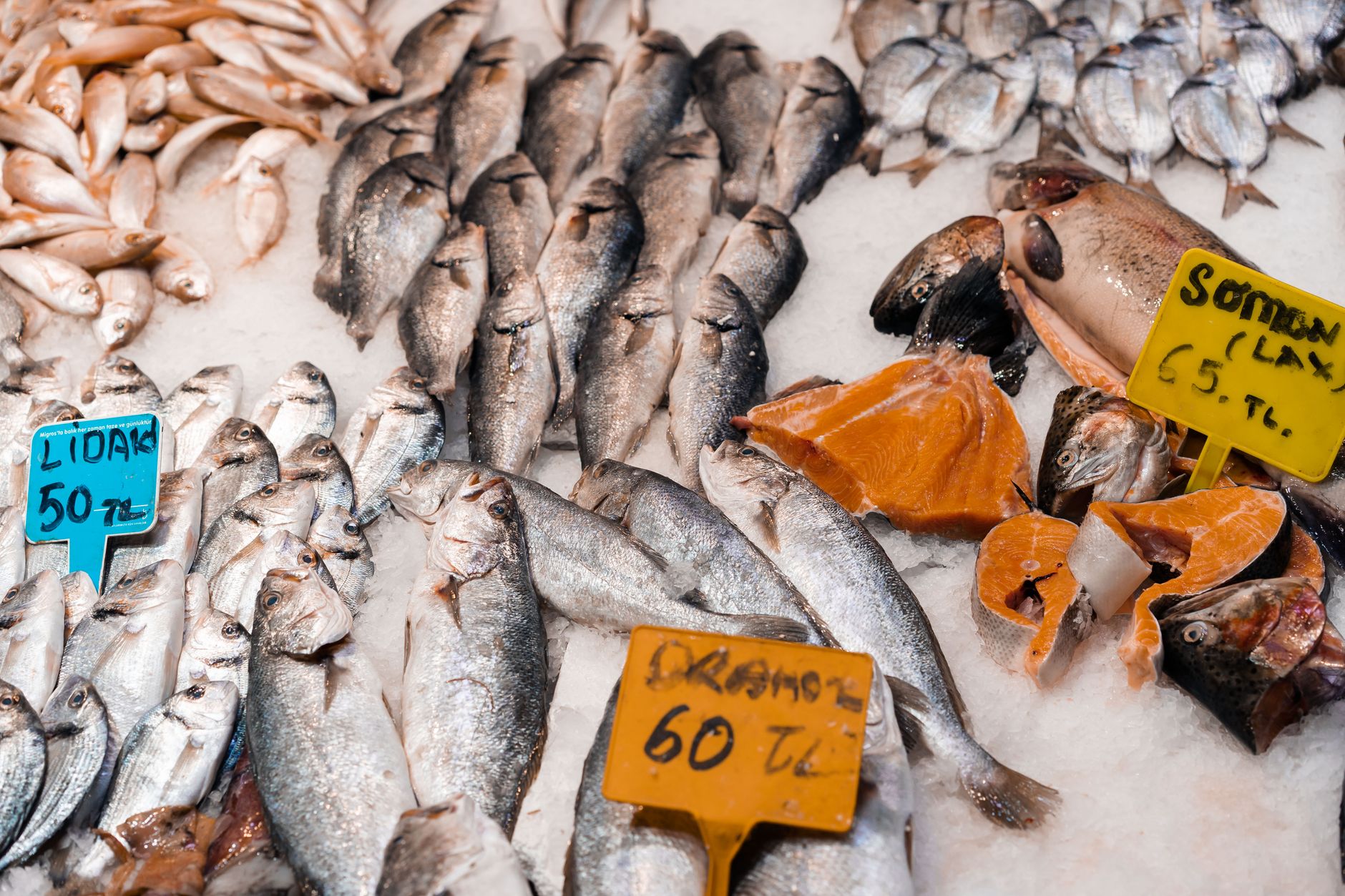
Several key factors influence the safety of consuming fish you catch:
- Species Identification: Accurate identification is paramount. Some species are inherently safer to eat than others due to their diet and position in the food chain.
- Location and Water Quality: Industrial runoff, agricultural pollution, and naturally occurring contaminants can accumulate in fish tissue. Check local advisories.
- Size and Age of the Fish: Larger, older fish tend to accumulate higher levels of contaminants. Smaller fish are generally safer.
- Preparation Methods: Certain cooking methods, like removing the skin and trimming fatty areas, can reduce contaminant levels.
- Consumption Frequency: Even if a fish is deemed relatively safe, moderation is key. Frequent consumption of any wild-caught fish can increase exposure to potential toxins.
Commonly Safe and Delicious Fish
Many commonly caught fish are generally safe and delicious choices. These include:
- Trout: Rainbow trout, brown trout, and brook trout, often found in clear, cold streams and lakes.
- Salmon: Chinook, coho, and sockeye salmon, known for their rich flavor and health benefits (omega-3 fatty acids).
- Panfish: Bluegill, crappie, and sunfish, providing excellent table fare and are often abundant.
- Catfish: Channel catfish and flathead catfish, are popular in freshwater systems, known for their mild flavor.
- Walleye: A favorite of anglers in the Midwest and Canada, recognized by their distinct eyes.
Understanding Fish Consumption Advisories
Fish consumption advisories are issued by state and local authorities to inform the public about potential health risks associated with eating fish from specific bodies of water. These advisories typically provide guidelines on:
- Species: Which species are affected.
- Location: The specific body of water or area affected.
- Population Groups: Targeted recommendations for sensitive groups, such as pregnant women, nursing mothers, and children.
- Consumption Limits: Recommended frequency of consumption (e.g., no more than one meal per week).
These advisories are typically based on levels of contaminants like:
- Mercury: A neurotoxin that can accumulate in fish tissue, particularly in larger, predatory species.
- PCBs (Polychlorinated Biphenyls): Industrial chemicals that can persist in the environment and accumulate in fish.
- PFAS (Per- and Polyfluoroalkyl Substances): A group of man-made chemicals that can contaminate water and accumulate in fish.
Always check local fish consumption advisories before consuming fish you’ve caught. State environmental agencies or health departments typically publish this information online.
Minimizing Contaminant Exposure
Even if a fish is generally considered safe, there are steps you can take to minimize your exposure to potential contaminants:
- Skinning and Trimming: Remove the skin and trim fatty areas before cooking. Many contaminants accumulate in these tissues.
- Cooking Methods: Broiling, grilling, or baking allow fats to drip away, further reducing contaminant levels.
- Source Location: Choose fish from cleaner waters when possible.
Common Mistakes Anglers Make
Anglers often make several mistakes when it comes to consuming their catch:
- Ignoring Advisories: Failure to check and heed local fish consumption advisories.
- Misidentification: Incorrectly identifying a fish species, leading to consumption of a potentially unsafe fish.
- Overconsumption: Eating too much fish, even if it’s considered relatively safe.
- Assuming All Water is the Same: Assuming that all water bodies in an area are equally safe, ignoring localized contamination.
- Improper Preparation: Failing to properly prepare fish to minimize contaminant levels.
Identifying Fish
Knowing how to identify a fish is crucial. Here are some tips:
- Color and Markings: Note the fish’s color, patterns, and any distinctive markings.
- Fin Shape and Placement: Observe the shape, size, and placement of the fins.
- Mouth and Teeth: Examine the mouth shape, size, and the presence of teeth.
- Scale Type: Some fish have distinct scale types.
- Gill Rakers: The number of gill rakers can also help identify a fish species.
Field guides with pictures and descriptions, as well as fish identification apps, are invaluable tools for accurate identification.
| Feature | Rainbow Trout | Bluegill | Channel Catfish |
|---|---|---|---|
| Color | Silvery with pink stripe | Greenish-brown | Bluish-gray |
| Markings | Black spots | Vertical bars | Scattered spots |
| Fin Shape | Dorsal fin with spots | Rounded fins | Sharp dorsal spine |
| Habitat | Cold, clear streams | Warm lakes | Rivers and lakes |
| Identification | Easily recognizable stripe | Distinctive “ear” flap | Barbels (“whiskers”) |
Frequently Asked Questions (FAQs)
What is the most common contaminant found in fish?
- The most common contaminant found in fish is mercury, a neurotoxin that accumulates in fish tissue, particularly in larger, predatory species. Consumption advisories often focus on mercury levels.
Are there any fish that are always safe to eat, regardless of location?
- No, there are no fish that are always safe to eat, regardless of location. Even generally safe species can accumulate contaminants in certain bodies of water. Always check local advisories.
How often can I eat fish that I catch?
- The frequency with which you can eat fish you catch depends on the species, size, location, and any existing health advisories. Follow local recommendations and err on the side of caution.
Is it safe for pregnant women to eat fish that they catch?
- Pregnant women should be particularly careful about consuming fish they catch due to the potential effects of mercury and other contaminants on fetal development. Follow all local advisories and consult with a healthcare professional.
Does freezing fish reduce contaminant levels?
- Freezing fish does not reduce contaminant levels. Contaminants like mercury and PCBs are not affected by freezing.
How can I find local fish consumption advisories?
- You can find local fish consumption advisories on the websites of your state environmental agency or health department. You can also contact these agencies directly.
Are farmed fish safer to eat than wild-caught fish?
- Generally, farmed fish are considered safer in terms of contaminant levels, as their diets and water quality are often more tightly controlled. However, issues related to antibiotic use and environmental impact can be considerations.
What size of fish is safest to eat?
- Smaller fish are generally safer to eat than larger fish because they have had less time to accumulate contaminants.
Does cooking fish reduce contaminant levels?
- Certain cooking methods, such as skinning and trimming fatty areas and broiling or grilling, can help reduce contaminant levels by allowing fats (where many contaminants accumulate) to drip away.
Are there any specific species of fish I should always avoid eating?
- Some species, particularly large, predatory fish like shark, swordfish, and tilefish, tend to have high mercury levels and should be avoided or consumed very rarely. Local advisories will provide specific recommendations.
What if I don’t know what kind of fish I caught?
- If you are unsure of the species of fish you caught, it’s best to release it back into the water. Never consume a fish that you cannot positively identify.
What should I do if I accidentally ate a contaminated fish?
- If you are concerned that you may have eaten a contaminated fish, contact your healthcare provider. They can provide guidance based on your individual situation and potential health risks.