

Why Does My Cat’s Wound Keep Opening? Understanding Persistent Wound Issues
Is your feline friend suffering from a wound that just won’t heal? The recurring opening of a cat’s wound can be frustrating and concerning; it’s often due to factors like infection, excessive movement, or underlying health conditions that hinder the natural healing process.

Introduction: The Challenges of Feline Wound Healing
Watching a cat struggle with a persistent wound is distressing. Why does my cat’s wound keep opening? It’s a question many cat owners grapple with, and the answer is rarely simple. Unlike human skin, feline skin is thinner and more elastic, which, while offering greater mobility, can also make wound healing more challenging. Furthermore, a cat’s natural instincts often lead them to lick, scratch, or rub at the affected area, exacerbating the problem. Understanding the potential causes and taking proactive steps is crucial for ensuring your cat’s comfort and recovery.

What colours are fish most attracted to?
Can you put your finger in a trout's mouth?
Is methylene blue anti bacterial?
Does aquarium salt raise pH in aquarium?
Potential Causes for Persistent Wound Opening
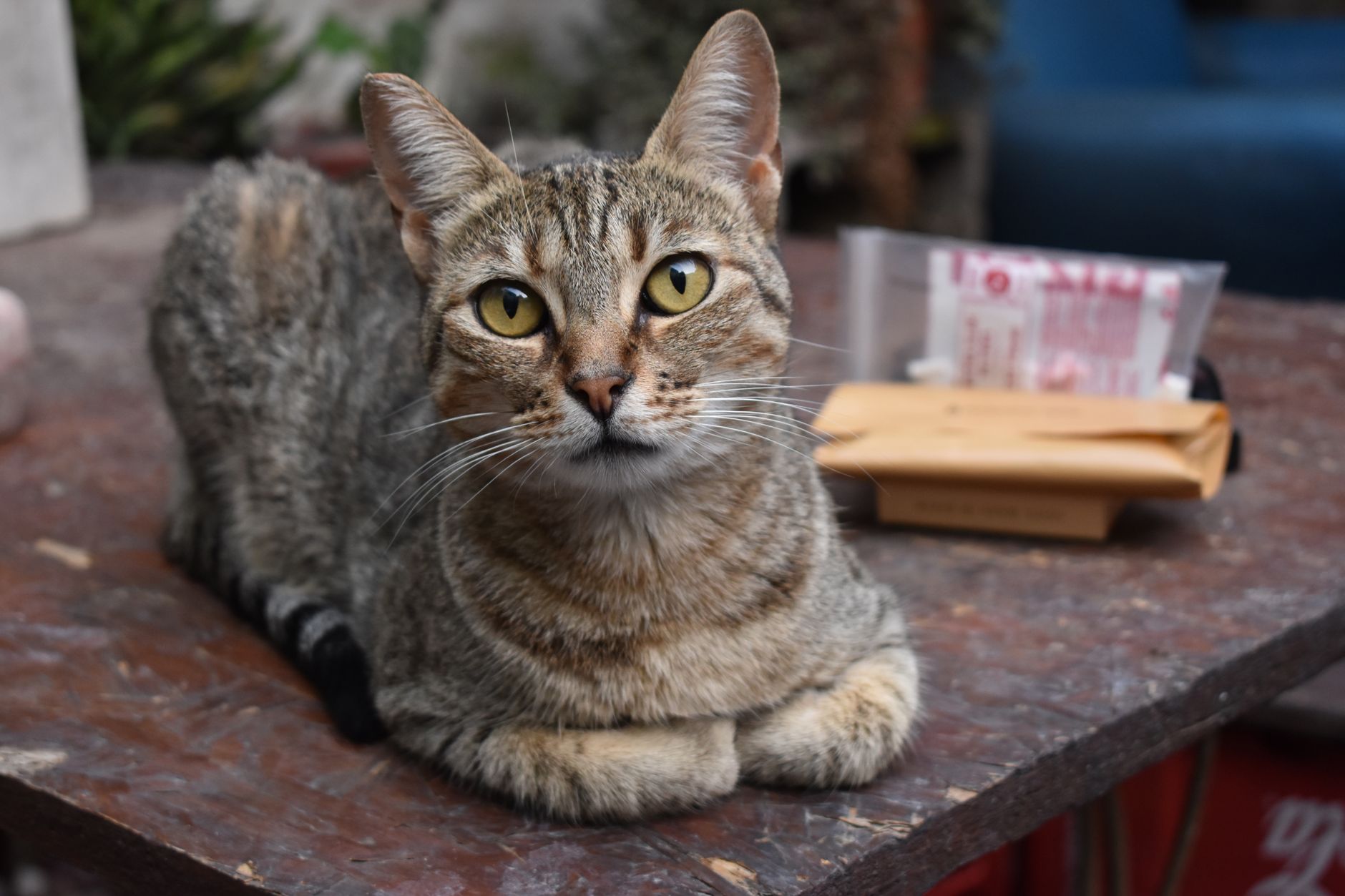
Several factors can contribute to a cat’s wound repeatedly opening. Identifying the root cause is the first step toward effective treatment.
- Infection: Bacterial, fungal, or viral infections can impede healing and cause wounds to reopen. Even with initial antibiotic treatment, a resistant infection can persist.
- Excessive Movement: Cats are active creatures. Jumping, running, and even grooming can put stress on a healing wound, causing it to split open.
- Underlying Health Conditions: Certain conditions like diabetes, feline leukemia virus (FeLV), or feline immunodeficiency virus (FIV) can compromise the immune system, hindering wound healing.
- Foreign Bodies: The presence of foreign materials (splinters, plant matter, etc.) within the wound can prevent proper closure and lead to infection.
- Poor Circulation: In some cases, impaired blood flow to the wound area can delay healing and increase the risk of reopening. This can be related to age or other underlying health problems.
- Surgical Complications: While rare, complications following surgery, such as suture failure or seroma formation (fluid accumulation), can cause the incision to reopen.
The Importance of Veterinary Examination
If your cat’s wound keeps opening, a veterinary examination is paramount. A veterinarian can accurately diagnose the underlying cause and recommend the appropriate treatment plan. Ignoring the issue can lead to chronic infection, tissue damage, and prolonged discomfort for your feline companion.
Diagnostic Procedures
Your vet may employ several diagnostic procedures to determine why does my cat’s wound keep opening? These may include:
- Physical Examination: A thorough assessment of the wound’s appearance, location, and surrounding tissue.
- Cytology: Microscopic examination of cells collected from the wound to identify bacteria, fungi, or abnormal cells.
- Culture and Sensitivity Testing: Identifying the specific bacteria present and determining which antibiotics are most effective.
- Blood Tests: To assess overall health and rule out underlying conditions like diabetes or immune deficiencies.
- Radiographs (X-rays): To identify foreign bodies or assess bone involvement.
Treatment Options
Treatment options vary depending on the underlying cause but commonly include:
- Antibiotics/Antifungals: To combat infection.
- Wound Cleaning and Debridement: Removing dead tissue and debris to promote healing.
- Suturing or Stapling: To close the wound and provide support.
- Bandaging: To protect the wound, prevent contamination, and limit movement.
- E-Collar (Cone): To prevent licking and scratching.
- Pain Management: Medications to alleviate discomfort.
- Treatment of Underlying Conditions: Addressing any underlying health issues that are hindering healing.
Preventing Wound Reopening
Prevention is key to avoiding recurrent wound issues. Here are some practical tips:
- Strictly Follow Veterinary Instructions: Administer medications as prescribed and adhere to all post-operative care guidelines.
- Prevent Licking and Scratching: Use an E-collar or consider a specialized suit to protect the wound.
- Limit Activity: Restrict your cat’s access to high places and encourage quiet play.
- Monitor the Wound Regularly: Watch for signs of infection (redness, swelling, discharge) and contact your veterinarian immediately if you notice any abnormalities.
- Maintain a Clean Environment: Keep your cat’s bedding and litter box clean to minimize the risk of contamination.
- Provide a Nutritious Diet: A balanced diet supports immune function and promotes wound healing.
Common Mistakes to Avoid
- Ignoring the Problem: Delaying veterinary care can lead to complications and prolong healing time.
- Using Human Medications: Human medications can be toxic to cats. Only use medications prescribed by your veterinarian.
- Prematurely Removing Bandages: Removing bandages too soon can expose the wound to infection and increase the risk of reopening.
- Failing to Prevent Licking: Licking can introduce bacteria and disrupt the healing process.
- Skipping Follow-Up Appointments: Follow-up appointments are crucial for monitoring progress and adjusting treatment as needed.
Frequently Asked Questions (FAQs)
Why does my cat excessively lick their wound?
Cats lick wounds as a natural instinct, believing it helps clean and soothe the area. However, feline saliva contains bacteria that can increase the risk of infection, and the rough texture of their tongue can further irritate the wound, hindering healing. This is why using an E-collar is so important.
How can I tell if my cat’s wound is infected?
Signs of infection include increased redness, swelling, pain, discharge (especially if it’s yellow or green), and a foul odor. Your cat may also exhibit fever, lethargy, or loss of appetite. Consult your vet immediately if you notice any of these signs.
What is debridement and why is it necessary?
Debridement is the removal of dead, damaged, or infected tissue from a wound. This process is crucial for promoting healing because it removes barriers to tissue regeneration and allows healthy cells to migrate into the wound bed. Your vet will determine if this is necessary.
Are there any home remedies I can use to help my cat’s wound heal?
While some natural remedies might seem appealing, it’s crucial to avoid using any home treatments without consulting your veterinarian first. Some substances can be toxic to cats or interfere with the prescribed treatment plan. Always prioritize professional veterinary care.
What is an E-collar, and why is it important for wound healing?
An E-collar (Elizabethan collar) is a cone-shaped device that prevents your cat from reaching their wound with their mouth or paws. This is essential for preventing licking, scratching, and further irritation, which can significantly delay healing and increase the risk of infection. Use it as instructed by your vet.
My cat is a senior; will that affect wound healing?
Yes, older cats often have compromised immune systems and reduced circulation, which can slow down the healing process. Underlying health conditions, which are more common in senior cats, can also contribute to wound complications. Be patient and diligent with care.
What is a seroma, and how is it treated?
A seroma is a collection of fluid that can accumulate under the skin near a surgical site. It can occur when tissue is disrupted during surgery. Treatment typically involves draining the fluid and applying a pressure bandage. Your vet will monitor this post-op.
Can stress affect wound healing in cats?
Yes, stress can suppress the immune system and delay wound healing. Providing a calm, comfortable environment for your cat can help promote recovery. Minimize changes to their routine.
What role does nutrition play in wound healing?
Proper nutrition is essential for wound healing. A diet rich in protein, vitamins, and minerals provides the building blocks needed for tissue repair. Your veterinarian may recommend a specific diet formulated for wound healing. Talk to your vet about dietary needs.
How long should it take for a cat’s wound to heal?
The healing time varies depending on the size, location, and severity of the wound, as well as the cat’s overall health. Minor wounds may heal within a week or two, while deeper or infected wounds can take several weeks or even months. Follow your vet’s timeline and instructions.
What if my cat keeps removing their bandage?
If your cat is consistently removing their bandage, try using a different type of bandage, ensure it’s properly secured (but not too tight), or consider using a specialized pet bandage that’s more difficult to remove. If the problem persists, talk to your veterinarian about alternative solutions. Don’t leave the wound exposed.
Why does my cat’s wound keep opening even after antibiotics?
If Why does my cat’s wound keep opening? after antibiotics, the infection might be resistant to the antibiotic used. Another possibility is that there’s still a foreign body present or an underlying condition that’s hindering healing. A different antibiotic or further diagnostic tests may be needed. Return to the vet for re-evaluation.