
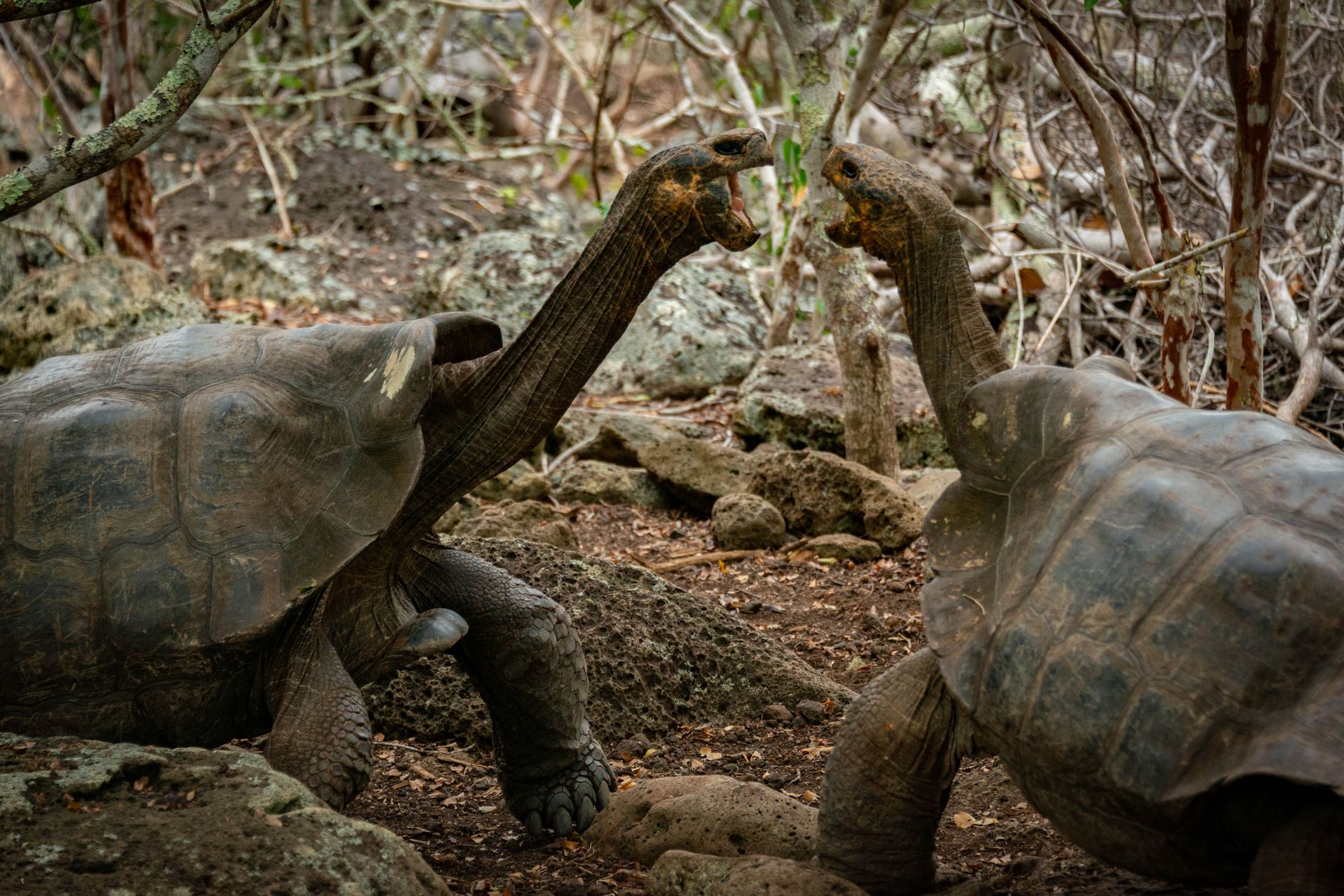
The Uncertain Legacy: Is the Pinta Island Tortoise Extinct?
The Is Pinta Island tortoise extinct? Officially, yes. However, ongoing scientific exploration and genetic research offer a glimmer of hope, prompting reevaluation of this iconic species’ fate.

Introduction: A Giant Lost to Time?
The image of Lonesome George, the last known Pinta Island tortoise (Chelonoidis abingdonii), is etched in the collective memory of conservationists and nature enthusiasts worldwide. His passing in 2012 seemingly marked the definitive end of a species that once roamed freely on Pinta Island in the Galápagos archipelago. But is Pinta Island tortoise extinct beyond any doubt? The answer, while largely confirming extinction, is more nuanced than it initially appears. The legacy of Lonesome George continues to fuel scientific investigation and conservation efforts, leading to fascinating discoveries and ongoing debate.
Is distilled water good for goldfish?
What colours are fish most attracted to?
Can you put your finger in a trout's mouth?
Is methylene blue anti bacterial?
The Pinta Island Tortoise: A Brief History

The Pinta Island tortoise was unique, adapted to the arid conditions of its volcanic island home. Its saddleback shell, a defining characteristic, allowed it to reach higher vegetation, a crucial adaptation for survival in a resource-scarce environment.
- Endemic Species: Found only on Pinta Island.
- Saddleback Shell: Facilitated reaching higher foliage.
- Herbivorous Diet: Primarily consumed vegetation.
- Slow Growth Rate: A characteristic of many tortoise species.
Unfortunately, human activity brought about the tortoise’s decline.
The Road to Extinction: Human Impact and Ecological Disaster
The demise of the Pinta Island tortoise is a stark reminder of the devastating impact of human actions on vulnerable ecosystems. Several factors contributed to their extinction:
- Exploitation by Whalers and Pirates: In the 18th and 19th centuries, tortoises were captured in large numbers as a source of food for long sea voyages. Their ability to survive for extended periods without food or water made them ideal provisions.
- Introduction of Goats: In 1959, goats were introduced to Pinta Island. These non-native herbivores thrived, consuming vast amounts of vegetation and competing with the tortoises for food, leading to habitat degradation and population decline.
- Habitat Destruction: The combined impact of whaling crews and introduced species like goats led to severe habitat destruction on Pinta Island, further jeopardizing the tortoise population.
Lonesome George: A Symbol of Loss
Lonesome George became a symbol of the plight of endangered species. Discovered in 1971, he was the last known individual of his kind. Despite numerous attempts to find him a mate and produce offspring, none were successful. His death in 2012 was widely mourned, and his preserved body is now a poignant exhibit at the Charles Darwin Research Station on Santa Cruz Island. The question, is Pinta Island tortoise extinct became seemingly concrete.
Hope Rekindled: Genetic Discoveries and Hybrid Tortoises
Despite Lonesome George‘s passing, the story doesn’t end there. Recent genetic research has revealed intriguing possibilities. Studies have identified tortoises on other Galápagos islands with genetic markers indicating partial Pinta Island tortoise ancestry. This discovery suggests that purebred Pinta Island tortoises may no longer exist, but that their genes persist in hybrid populations.
- Genetic Analysis: DNA sequencing of tortoises from various islands revealed Pinta Island genes in some individuals.
- Hybrid Populations: Tortoises carrying Pinta Island genes were found on Isabela Island, specifically near Wolf Volcano.
- Conservation Implications: These findings raise the possibility of selectively breeding these hybrids to revive Pinta Island tortoise traits.
The Wolf Volcano Project: A Path to Re-establishment?
The Wolf Volcano project is a significant conservation initiative focused on identifying and relocating tortoises with Pinta Island ancestry from Isabela Island. The goal is to create a breeding program that maximizes the expression of Pinta Island tortoise genes, potentially leading to the re-establishment of a tortoise population that resembles the original Chelonoidis abingdonii.
- Identifying Hybrids: Using genetic analysis to pinpoint tortoises with Pinta Island genes.
- Relocation to Breeding Centers: Moving identified hybrids to specialized breeding facilities.
- Selective Breeding: Carefully selecting breeding pairs to maximize the expression of Pinta Island traits.
- Potential Reintroduction: The ultimate goal is to reintroduce tortoises with Pinta Island ancestry back to Pinta Island.
The Ethical Considerations: De-extinction and Conservation Priorities
The possibility of “de-extinction,” or reviving extinct species, raises complex ethical questions. Some argue that resources should be focused on preventing extinctions in the first place, rather than attempting to bring back species that are already gone. Others believe that de-extinction can play a valuable role in restoring ecosystems and mitigating the impact of human activities. However, the questions is Pinta Island tortoise extinct? and should it be brought back? are distinctly different.
| Consideration | Argument For | Argument Against |
|---|---|---|
| :———————– | :———————————————————————- | :—————————————————————————— |
| Resource Allocation | May help restore degraded ecosystems. | Diverts resources from preventing current extinctions. |
| Ecological Impact | Could re-establish a missing ecological niche. | Potential unintended consequences for the ecosystem. |
| Genetic Authenticity | Revived species might possess some traits lost through extinction process. | Authenticity of a hybrid population may be questionable |
| Conservation Priorities | Provides a powerful tool for conservation and public engagement. | May create a false sense of security and reduce the urgency of conservation efforts. |
Frequently Asked Questions About the Pinta Island Tortoise
What exactly led to the extinction of the Pinta Island tortoise?
The primary drivers of the extinction were exploitation by whalers and pirates for food, followed by the introduction of goats to Pinta Island. The goats decimated the vegetation, leaving the tortoises without adequate food and habitat.
How was Lonesome George discovered, and what efforts were made to find him a mate?
Lonesome George was discovered in 1971. Despite extensive searches and the introduction of tortoises from other islands with similar genetic characteristics, no compatible mate was ever found.
Are there any other species on the Galápagos Islands facing a similar threat of extinction?
Yes, several other species on the Galápagos Islands are currently threatened by habitat loss, invasive species, and climate change. Conservation efforts are ongoing to protect these vulnerable populations.
What is the significance of the genetic discoveries made on Isabela Island?
The discovery of tortoises with Pinta Island tortoise genes on Isabela Island offers a glimmer of hope. It suggests that the genetic lineage of the Pinta Island tortoise is not entirely lost and could potentially be revived through selective breeding programs.
What is the Wolf Volcano project, and what are its main goals?
The Wolf Volcano project aims to identify and relocate tortoises with Pinta Island ancestry from Isabela Island to breeding centers. The ultimate goal is to create a breeding program that maximizes the expression of Pinta Island tortoise genes and potentially leads to the re-establishment of a tortoise population on Pinta Island.
What are the main challenges associated with the Wolf Volcano project?
The challenges include accurately identifying tortoises with significant Pinta Island ancestry, managing the genetic diversity within the breeding program, and ensuring the long-term sustainability of a re-established population on Pinta Island.
What role does the Charles Darwin Research Station play in the conservation of Galápagos tortoises?
The Charles Darwin Research Station plays a crucial role in research, conservation, and education related to Galápagos tortoises. They conduct genetic studies, manage breeding programs, and educate the public about the importance of conservation.
What are the ethical considerations surrounding the potential “de-extinction” of the Pinta Island tortoise?
The ethical considerations include whether resources should be focused on preventing current extinctions, the potential ecological consequences of reintroducing a previously extinct species, and the authenticity of a revived population.
How can individuals contribute to the conservation of Galápagos tortoises and other endangered species?
Individuals can contribute by supporting conservation organizations, reducing their carbon footprint, avoiding products that contribute to habitat destruction, and educating themselves and others about the importance of biodiversity.
What is the current status of Pinta Island’s ecosystem?
Pinta Island has undergone significant ecological restoration efforts since the removal of goats. Vegetation has recovered, and the island is gradually returning to a more natural state, making it potentially suitable for the reintroduction of tortoises with Pinta Island ancestry.
If tortoises carrying Pinta Island genes are successfully bred, will they be exactly the same as the original Pinta Island tortoise?
No, tortoises bred from hybrid populations will likely not be genetically identical to the original Pinta Island tortoise. They will be a representation of the genetic material that remains.
Is Pinta Island tortoise extinct? What is the final verdict?
While Lonesome George’s death seemed to seal the fate of the species, the discovery of Pinta Island genes in other tortoises offers a slim hope that the genetic lineage isn’t entirely gone. Officially, and in the purist definition of the original subspecies, the answer Is Pinta Island tortoise extinct? is yes. However, there is still hope that aspects of the Pinta Island tortoise can live on through selectively bred hybrids.