
Why Do Sloths Open Their Arms? The Surprising Reasons Behind This Adorable Behavior
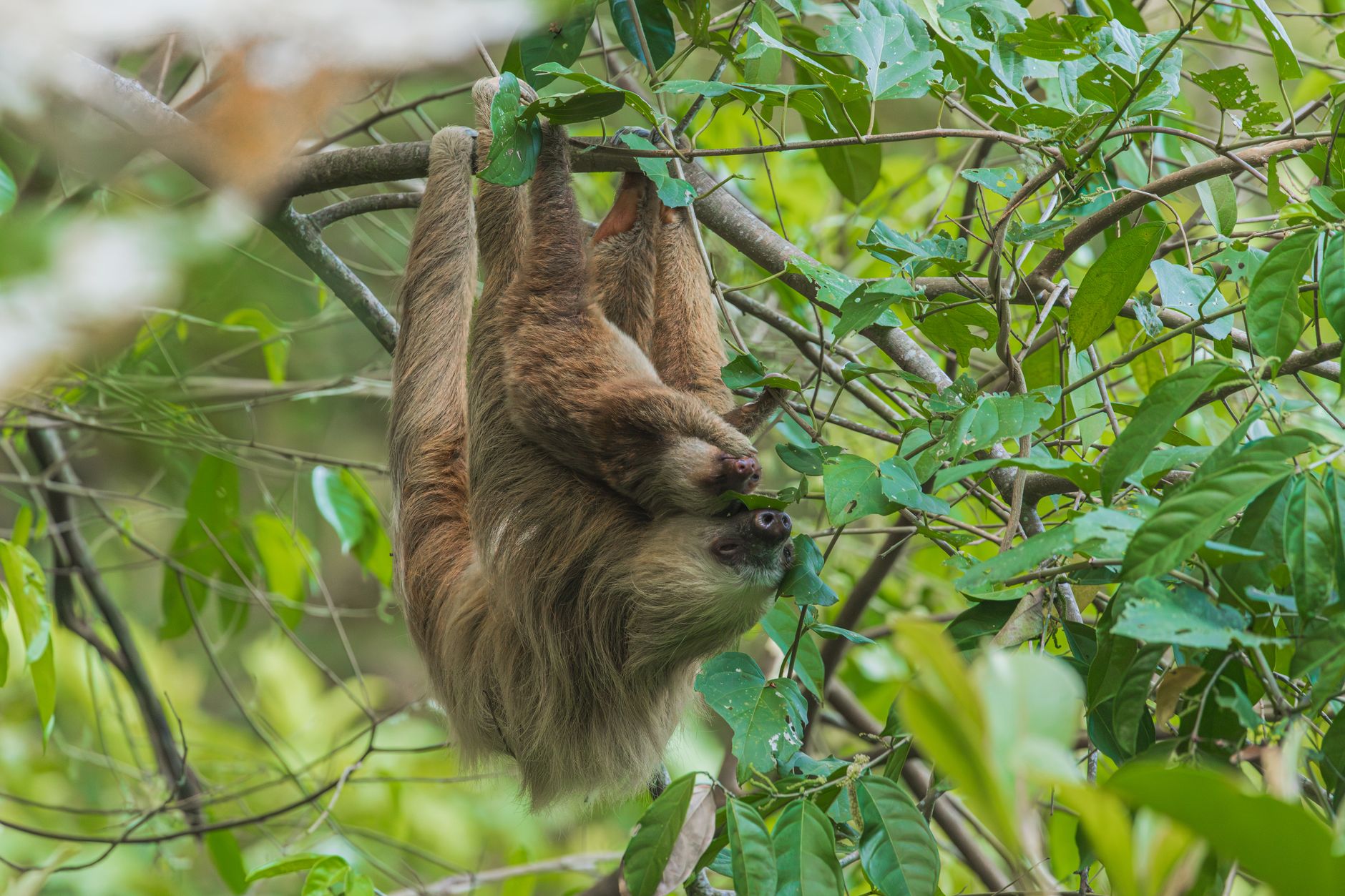
Sloths open their arms for a variety of reasons, but it’s primarily related to thermoregulation, grip and stability, and surprisingly, social signaling. Understanding why do sloths open their arms reveals fascinating insights into their unique adaptation to tropical life.
Unveiling the Sloth’s Arm-Opening Posture: More Than Just a Hug
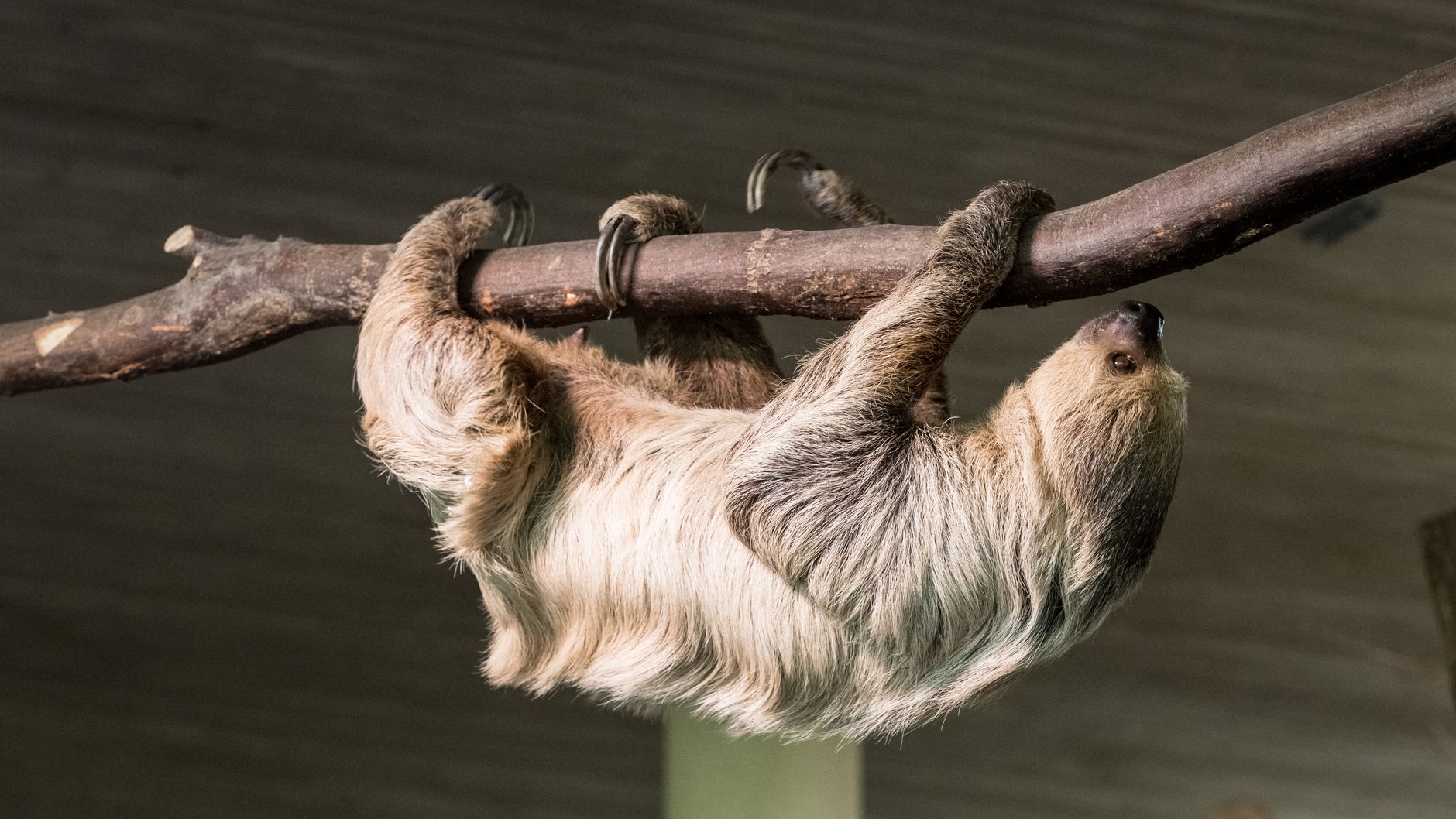
The seemingly simple act of a sloth opening its arms is far more complex than it appears. These slow-moving mammals, perfectly adapted to their arboreal lifestyle, employ this posture for a range of biological and social functions. From maintaining a stable body temperature to ensuring a secure grip on branches, and even subtly communicating with their peers, the reasons why do sloths open their arms are diverse and deeply rooted in their evolutionary history. Let’s delve into the core motivations behind this captivating behavior.

What colours are fish most attracted to?
Can you put your finger in a trout's mouth?
Is methylene blue anti bacterial?
Does aquarium salt raise pH in aquarium?
Thermoregulation: Sloths and the Sun

Sloths are ectothermic, meaning they rely on external sources, primarily the sun, to regulate their body temperature. Their metabolic rate is exceptionally low, making it difficult for them to generate sufficient heat internally. Thus, opening their arms is a crucial strategy for absorbing solar radiation.
- Maximizing Surface Area: By extending their limbs, sloths increase the surface area exposed to sunlight, allowing them to absorb more heat.
- Sunbathing: This behavior is most commonly observed during cooler periods, especially in the early morning.
- Orientation: Sloths will often orient themselves to maximize sun exposure, further aiding in the heating process.
Without this behavior, sloths would struggle to maintain a stable body temperature, impacting their ability to move, digest food, and perform other essential functions. The importance of thermoregulation explains a significant portion of the times why do sloths open their arms.
Grip and Stability: Anchored to the Canopy
While appearing awkward and slow on the ground, sloths are masters of the arboreal world. Their long, curved claws provide an incredibly strong grip, allowing them to hang upside down for extended periods. However, maintaining balance and stability requires constant adjustments, which sometimes involves opening their arms.
- Weight Distribution: Extending their arms helps sloths distribute their weight evenly across multiple branches, preventing sudden shifts that could lead to a fall.
- Counterbalancing: When reaching for a distant branch or adjusting their position, sloths will often open one or both arms to counterbalance their movements.
- Anchoring: By hooking their claws onto one branch and extending an arm to grasp another, sloths create a secure anchor point, minimizing the risk of slipping.
This aspect of why do sloths open their arms is vital for their survival in the high canopy, where falls can be fatal.
Social Signaling: Communication in Slow Motion
Although sloths are generally solitary creatures, they do interact with each other, particularly during mating season. Recent research suggests that opening their arms might play a subtle role in social signaling, although this aspect is still under investigation.
- Visual Cues: Opening their arms might provide visual cues to other sloths, indicating their presence or readiness to interact.
- Territorial Displays: In some cases, particularly among males, this behavior could be a form of territorial display, communicating dominance or a willingness to defend their resources.
- Context-Dependent: The meaning of this behavior likely depends on the context and the individuals involved.
The social signaling aspect of why do sloths open their arms is less understood than thermoregulation or grip, but it highlights the complexity of their behavior.
Misconceptions About Sloth Behavior
It’s easy to anthropomorphize animal behavior, attributing human-like motives to their actions. It’s crucial to avoid common misconceptions about why sloths open their arms.
- Giving Hugs: While it may appear as though a sloth is reaching out for a hug, this is rarely the case. Their primary motivations are survival-based rather than affectionate.
- Stretching: While stretching could be a secondary benefit, it’s not the primary reason for opening their arms.
- Begging: Sloths do not typically beg for food from humans or other animals.
Understanding the true reasons behind their behavior requires careful observation and scientific analysis.
Table: Comparing Reasons for Opening Arms
| Reason | Description | Primary Benefit | When Observed |
|---|---|---|---|
| Thermoregulation | Absorbing solar radiation to regulate body temperature. | Maintaining stable body temperature | Cooler periods, early morning |
| Grip & Stability | Distributing weight and counterbalancing movements while in the canopy. | Preventing falls, securing position | While moving between branches, adjusting posture |
| Social Signaling | Communicating with other sloths through visual cues. | Potential mate attraction, territorial display | During mating season, interactions with others |
Frequently Asked Questions (FAQs)
Why is it important for sloths to regulate their body temperature?
Maintaining a stable body temperature is crucial for sloths because they are ectothermic, meaning they rely on external heat sources. Their low metabolic rate makes it difficult to generate sufficient internal heat, so without proper thermoregulation, they would struggle to move, digest food, and perform other essential functions.
How does opening their arms help sloths absorb more sunlight?
By extending their limbs, sloths increase their surface area exposed to sunlight, allowing them to absorb more heat. This simple yet effective strategy helps them warm up, especially during cooler periods.
Are sloths cold-blooded?
While the term “cold-blooded” is often used, it’s more accurate to describe sloths as ectothermic. They don’t have cold blood, but they rely on external heat sources to regulate their body temperature.
Why are sloths so slow?
Sloths’ slowness is a direct result of their low metabolic rate. This conserves energy but also limits their speed and agility. This slowness is also a defense mechanism, making them less noticeable to predators.
Do sloths ever fall from trees?
While sloths are well-adapted to life in the canopy, falls do happen. However, their strong grip and flexible joints help minimize the risk of serious injury.
What do sloths eat?
Sloths primarily eat leaves, buds, and tender shoots. Their diet is low in nutrients which contributes to their slow metabolism.
How often do sloths poop?
Sloths have an incredibly slow digestive process, and they only defecate about once a week. This process involves descending to the ground, which is a vulnerable activity.
Are all sloths the same?
No, there are two main types of sloths: two-toed sloths and three-toed sloths. They differ in physical characteristics, behavior, and diet.
How long do sloths live?
Sloths can live for a surprisingly long time. In the wild, they typically live for 20-30 years, while some captive sloths have lived even longer.
Are sloths endangered?
While some sloth species are not currently endangered, others are vulnerable or threatened due to habitat loss, hunting, and the pet trade.
What is the biggest threat to sloths?
The biggest threat to sloths is habitat loss due to deforestation and human encroachment. This reduces their available food sources and exposes them to greater risks from predators.
Can you keep a sloth as a pet?
While it may seem tempting, sloths are not suitable as pets. They have very specific dietary and environmental needs that are difficult to meet in captivity. Furthermore, keeping them as pets contributes to the illegal wildlife trade, harming their populations.