

Why Does My Pet Bird Keep Chirping? Deciphering Your Bird’s Vocalizations
Why does my pet bird keep chirping? The answer is multifaceted: Bird chirping is a complex form of communication, used to express everything from joy and contentment to fear and loneliness, and understanding the context is crucial to decoding your feathered friend’s vocalizations.

Understanding the Symphony of Bird Chirps
Bird chirping isn’t just random noise. It’s a sophisticated language, and to understand why your pet bird keeps chirping, we need to delve into the reasons behind these vocalizations. Chirping is their primary method of communication, and it can convey a wide range of emotions and information. Factors like species, environment, and individual personality play a significant role.
The Functions of Chirping: Communication and Beyond
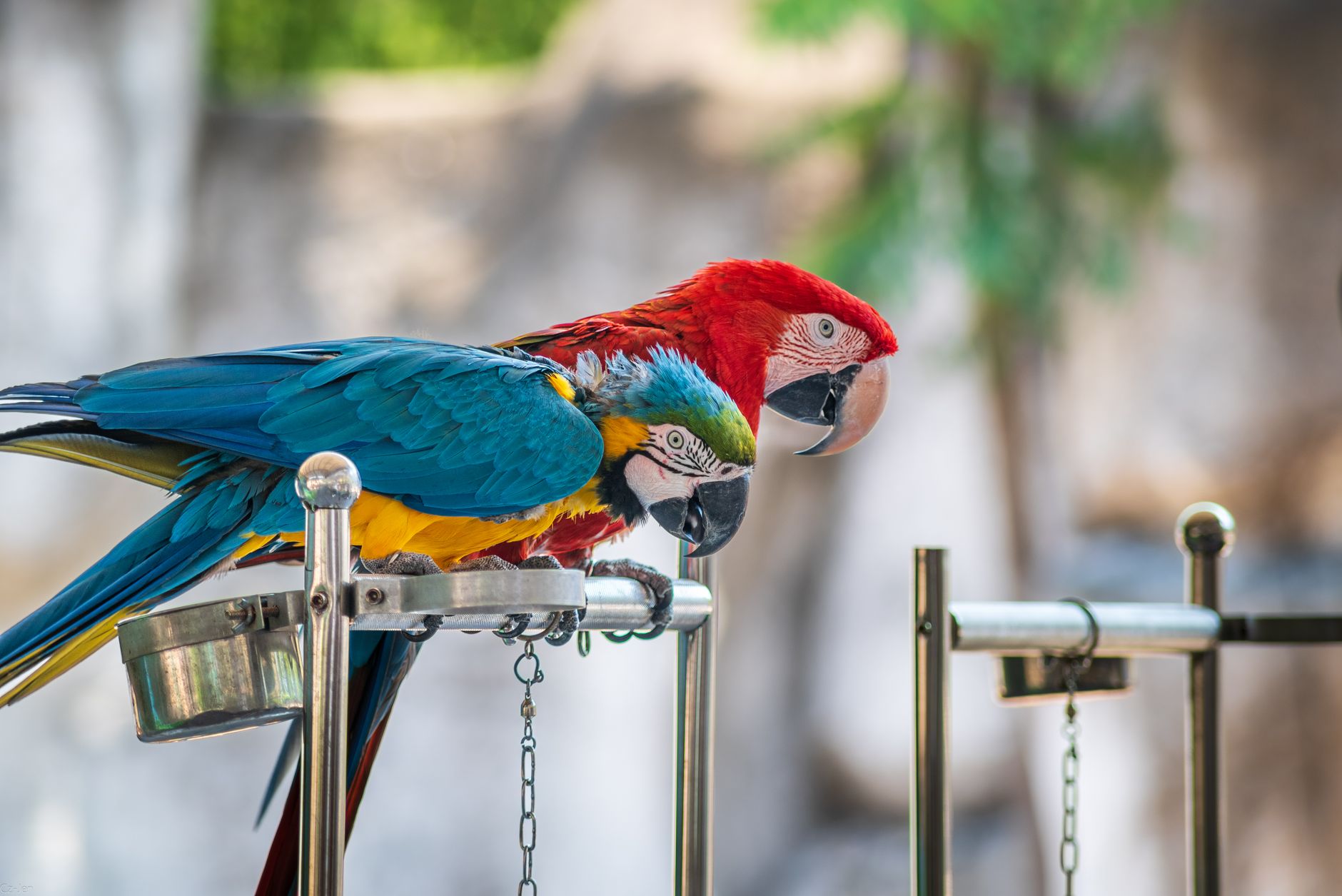
Chirping serves several essential functions in a bird’s life:
- Communication: Birds use chirps to communicate with each other and with their human companions. This includes everything from simple greetings to complex warnings.
- Territorial Defense: Chirps can also be used to mark territory and warn off intruders. A persistent chirp might mean your bird feels insecure about its space.
- Emotional Expression: A bird’s chirp can reflect its mood. Happy chirps are usually melodic and cheerful, while distressed chirps are often loud and repetitive.
- Bonding: Birds chirp to build and maintain social bonds. They may chirp to their mates, their flock, or even their human owners.
- Learned Behavior: Some chirps are learned from other birds, either in the wild or in captivity. They are simply emulating sounds they hear around them.
Context is King: Interpreting the Chirps
Understanding the context surrounding your bird’s chirping is essential for accurate interpretation. Consider the following factors:
- Time of Day: Birds often chirp more frequently at dawn and dusk, a behavior known as the dawn chorus and dusk chorus. This is often related to signaling their presence to potential mates or flock members.
- Environment: Changes in the environment, such as new objects or loud noises, can trigger chirping. Is there a new pet in the house, construction nearby, or unfamiliar people visiting?
- Body Language: Pay attention to your bird’s body language alongside its chirping. Is it fluffed up, relaxed, alert, or agitated? This provides valuable clues to its emotional state.
- Social Interaction: Who is your bird chirping at? Is it responding to your voice, another bird, or something else entirely?
- Chirping Patterns: Is the chirping constant, intermittent, high-pitched, low-pitched, melodic, or repetitive? Different patterns suggest different meanings.
Common Reasons for Excessive Chirping
While chirping is normal, excessive chirping can indicate an underlying issue. Here are some potential causes:
- Boredom: Birds need mental and physical stimulation. A bored bird may chirp excessively to seek attention.
- Provide plenty of toys, such as chew toys, puzzles, and swings.
- Offer regular opportunities for exercise and flight (if safe and appropriate).
- Spend time interacting with your bird through talking, playing, or training.
- Loneliness: Birds are social creatures and need companionship. If your bird is alone for long periods, it may chirp out of loneliness.
- Consider getting a companion bird (if compatible species and cage space allows).
- Spend quality time with your bird each day.
- Leave a radio or TV on for background noise when you’re away.
- Illness: Sometimes, excessive chirping can be a sign of illness.
- Observe your bird for other symptoms, such as changes in appetite, droppings, or behavior.
- Consult an avian veterinarian if you suspect your bird is sick.
- Anxiety: Birds can experience anxiety due to various stressors.
- Identify and eliminate potential stressors, such as loud noises, drafts, or predatory animals.
- Provide a safe and comfortable environment for your bird.
- Consider using calming aids, such as bird-safe essential oil diffusers (with caution and research).
- Attention-Seeking: Birds are intelligent and quickly learn that chirping gets them attention.
- Avoid rewarding excessive chirping with attention.
- Instead, reward quiet behavior with positive reinforcement.
Managing Your Bird’s Chirping: A Practical Guide
Here’s a step-by-step approach to managing your bird’s chirping:
- Observe and Record: Keep a log of your bird’s chirping patterns, including when, where, and why it seems to occur.
- Identify the Cause: Use your observations to determine the underlying cause of the chirping.
- Address the Root Problem: Once you’ve identified the cause, take steps to address it. This might involve providing more enrichment, reducing stress, or seeking veterinary care.
- Ignore Unwanted Chirping: If your bird is chirping for attention, ignore the behavior and only provide attention when it’s quiet.
- Reward Quiet Behavior: Positively reinforce quiet behavior with treats, praise, or toys.
- Consult an Expert: If you’re struggling to manage your bird’s chirping, consult an avian veterinarian or a certified bird behaviorist.
The Importance of Enrichment and Environmental Control
A stimulating and well-managed environment is crucial for a happy and quiet bird. Enrichment activities and proper environmental control can significantly reduce excessive chirping.
- Enrichment Activities:
- Foraging toys: Encourage natural foraging behaviors.
- Rotating toys: Keep things interesting by regularly switching out toys.
- Training: Teach your bird tricks or commands to provide mental stimulation.
- Environmental Control:
- Consistent lighting: Maintain a regular day/night cycle.
- Temperature control: Avoid drafts and extreme temperatures.
- Safe environment: Protect your bird from predators and hazards.

Frequently Asked Questions (FAQs)
What does it mean when my bird chatters quietly to itself?
Quiet chattering, often described as mumbling, usually indicates contentment and relaxation. The bird is essentially talking to itself in a happy and comfortable state. It’s often a sign that the bird feels secure and at ease in its environment.
Is it normal for my bird to chirp constantly when I leave the room?
It’s common for birds to chirp when their owners leave, often indicating separation anxiety or simply calling for attention. Try leaving a familiar object or playing calming music to reduce their stress when you’re not around. Gradual desensitization training can also help.
How can I tell if my bird is chirping because it’s happy or because it’s stressed?
Happy chirps are typically melodic, varied, and accompanied by relaxed body language. Stressful chirps are often loud, repetitive, and may be accompanied by signs of agitation, such as ruffled feathers or pacing.
Can my bird’s chirping be a sign of illness?
Yes, a sudden change in chirping patterns or an increase in vocalization, especially if accompanied by other symptoms like lethargy, changes in appetite, or abnormal droppings, could indicate illness. Consult an avian veterinarian promptly.
What kind of toys will help reduce my bird’s boredom and chirping?
Good options include foraging toys, shreddable toys, puzzle toys, and toys that encourage physical activity, such as swings and ladders. Rotate toys regularly to keep your bird engaged.
How much time should I spend with my bird each day to prevent loneliness?
Aim for at least 30 minutes to an hour of dedicated interaction each day. This could include talking, playing, training, or simply providing companionship. The specific amount of time needed varies depending on the bird’s species and personality.
Is it okay to cover my bird’s cage at night to reduce chirping?
Covering a bird’s cage at night to provide darkness and promote sleep is generally recommended. However, ensure the cover is breathable and doesn’t create a stuffy or overly warm environment.
What should I do if my bird starts chirping loudly in the middle of the night?
Sudden nighttime chirping can indicate night frights, a disturbance, or pain. Check the cage and surrounding area for potential stressors. If the behavior persists, consult an avian veterinarian.
Can I train my bird to be quieter?
While you can’t completely eliminate chirping, you can train your bird to be quieter in certain situations by rewarding quiet behavior with treats and praise. Avoid punishing chirping, as this can create anxiety.
Does the type of bird affect how much it chirps?
Yes, different bird species have different vocal tendencies. Some species, like budgies and cockatiels, are naturally more vocal than others, such as parrots. Research your bird’s species-specific behavior.
My bird only chirps when I am near a certain object. What does this mean?
The object is likely a trigger for fear or excitement. Remove the object, if possible, and if not, gradually desensitize your bird by associating the object with positive experiences, such as treats or praise.
How do I know if my bird’s chirping is excessive and needs intervention?
If the chirping is disruptive, constant, or accompanied by signs of distress, it’s considered excessive and requires intervention. Consult an avian veterinarian or bird behaviorist for guidance.