
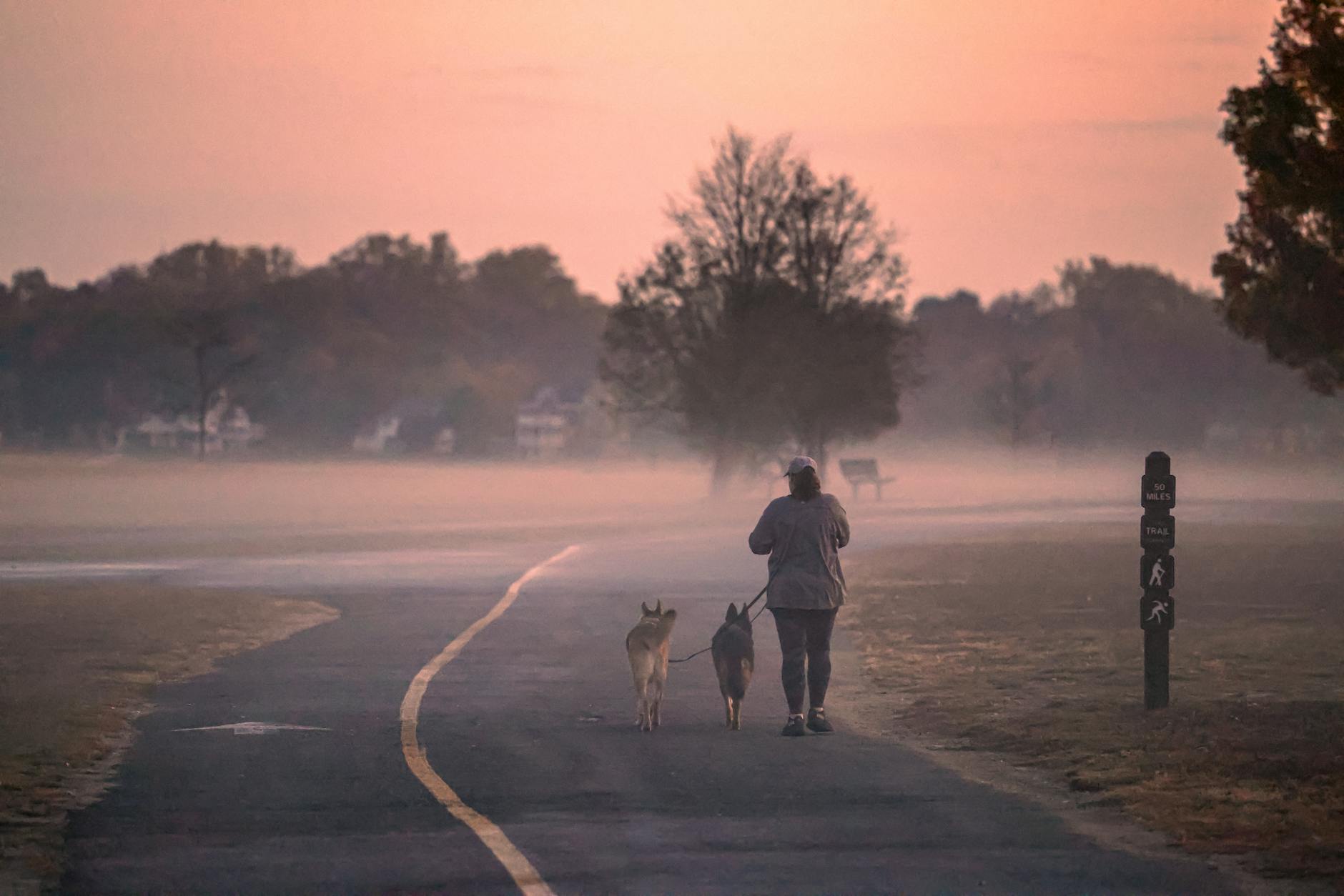
Should Dogs Eat or Walk First Thing in the Morning? Deciphering the Canine Morning Routine
The question of Should dogs eat or walk first thing in the morning? is a common concern for dog owners. Generally, it’s better to walk your dog before feeding them to aid digestion and prevent certain health risks.

Understanding Canine Digestion and Exercise
The daily routine of a dog significantly impacts their physical and mental well-being. Understanding how digestion interacts with exercise is crucial in deciding whether to prioritize feeding or walking. Many dog owners find themselves debating the benefits and drawbacks of each approach, as each dog has different needs, and understanding these nuances can help you make the best decision.

What is the GREY African clawed frog?
Is distilled water good for goldfish?
What colours are fish most attracted to?
Can you put your finger in a trout's mouth?
Benefits of Walking Before Feeding

Walking before feeding offers several advantages that contribute to a dog’s overall health and well-being. Allowing your dog to relieve themselves before a meal also helps maintain a consistent potty schedule.
- Improved Digestion: Walking before eating encourages natural digestive processes. Exercise stimulates gut motility, aiding in better nutrient absorption.
- Reduced Risk of Bloat: Canine bloat (Gastric Dilatation-Volvulus or GDV), a life-threatening condition, is potentially less likely to occur if a dog exercises before consuming a large meal.
- Better Training Opportunities: A hungry dog is often more motivated during training sessions, making pre-breakfast walks ideal for reinforcing commands and socialization.
Potential Drawbacks of Walking Before Feeding
While generally beneficial, walking before feeding isn’t without its potential downsides. Monitor your dog closely for signs of fatigue or hypoglycemia.
- Hypoglycemia (Low Blood Sugar): For some dogs, especially puppies or smaller breeds, prolonged exercise on an empty stomach can lead to hypoglycemia. Symptoms include weakness, lethargy, and seizures.
- Energy Levels: Some dogs may lack the energy for a vigorous walk before they have eaten, especially if they are already lean or active.
The Alternative: Feeding Before Walking – And Why It’s Often Discouraged
While less common, some owners opt to feed before walking. However, this approach carries potential risks, especially for large breeds.
- Risk of Bloat: As mentioned, feeding before exercise increases the risk of GDV, a serious condition where the stomach fills with gas and can twist.
- Discomfort: Walking a dog immediately after they’ve eaten can cause discomfort, bloating, and potentially vomiting.
- Lazy Walks: A full stomach can make dogs feel sluggish and less enthusiastic about their walk.
Establishing a Consistent Routine
Consistency is key in establishing a healthy morning routine for your dog. Whatever approach you choose, stick to a schedule to help regulate your dog’s digestive system and energy levels. Consider these points:
- Observe Your Dog: Pay close attention to your dog’s behavior and physical condition before, during, and after walks and meals.
- Adjust as Needed: Be prepared to adjust your routine based on your dog’s age, breed, activity level, and health conditions.
- Consult Your Veterinarian: If you have concerns about your dog’s feeding or exercise routine, consult with your veterinarian for personalized advice.
Creating the Ideal Morning Schedule for Your Dog
Here’s a sample schedule incorporating the principle of walking before feeding:
- Wake Up & Potty Break: Immediately take your dog outside for a brief potty break.
- Morning Walk: Engage in a moderate walk tailored to your dog’s breed, age and health.
- Breakfast Time: Return home and feed your dog their morning meal.
- Rest and Digest: Allow your dog to rest and digest their food for at least 30-60 minutes before any strenuous activity.
Should dogs eat or walk first thing in the morning? – A Breed-Specific Considerations Table
| Breed Group | Typical Activity Level | Bloat Risk (GDV) | Hypoglycemia Risk (Empty Stomach) | Recommended Morning Routine |
|---|---|---|---|---|
| Toy Breeds | Low to Moderate | Low | High | Short walk after small portion of food |
| Small/Medium Breeds | Moderate | Low | Moderate | Moderate walk before feeding |
| Large/Giant Breeds | Moderate to High | High | Low | Moderate walk before feeding, avoid vigorous play after! |
| Herding/Sporting Breeds | High | Moderate | Low | Vigorous walk/exercise before feeding |
Addressing Individual Needs
Remember, every dog is an individual. What works for one dog may not work for another. Closely monitor your dog’s behavior, appetite, and energy levels to determine the best routine for them. Consulting with your veterinarian or a certified canine nutritionist can also provide valuable insights.
Common Mistakes to Avoid
Many dog owners unknowingly make mistakes in their morning routine that can negatively impact their dog’s health. Avoid these common pitfalls:
- Feeding Too Close to Exercise: Give your dog sufficient time to digest their food before any strenuous exercise to minimize the risk of bloat.
- Ignoring Signs of Discomfort: Be attentive to signs of discomfort, such as bloating, vomiting, or lethargy, and adjust your routine accordingly.
- Inconsistent Feeding Times: Maintain a consistent feeding schedule to regulate your dog’s digestive system and prevent overeating.
Should dogs eat or walk first thing in the morning? – The Verdict
Ultimately, the best approach is to prioritize walking your dog before feeding them to support healthy digestion, reduce bloat risk, and enhance training opportunities. By being attentive to your dog’s individual needs and establishing a consistent routine, you can create a morning schedule that promotes their overall well-being.
Frequently Asked Questions (FAQs)
What if my dog refuses to walk on an empty stomach?
If your dog is reluctant to walk before eating, try offering a small, easily digestible treat or a few pieces of kibble to provide a little energy boost. This can help motivate them to walk without compromising their digestion. Observe their behavior closely and reduce the amount of the treat if it seems to encourage begging.
My dog is a large breed. Should I be more concerned about bloat?
Yes, large and giant breeds are more prone to bloat (GDV). It is highly advisable to walk them before feeding and to ensure they don’t engage in strenuous activity immediately after eating. Using a slow-feeder bowl can also help to reduce the risk of bloat.
Can puppies follow the same routine as adult dogs?
Puppies have different nutritional and energy needs than adult dogs. Puppies require more frequent meals and may need a small meal or snack before a walk to prevent hypoglycemia. Consult with your veterinarian for guidance on the best feeding and exercise schedule for your puppy.
What if I only have time for a short walk in the morning?
Even a short walk before feeding is better than no walk at all. A brief stroll can still stimulate digestion and provide your dog with a potty break before their meal. On days with more time, you can extend the walk.
My dog eats very quickly. Does this affect the recommendation?
Yes, dogs that eat quickly are at a higher risk of bloat. Using a slow-feeder bowl or puzzle toy can help slow down their eating and reduce the amount of air they swallow. Regardless, it is still generally best to walk them before feeding.
How long should I wait after feeding my dog to take them for a walk?
Ideally, wait at least 30-60 minutes after feeding before engaging in any strenuous activity. This allows your dog’s stomach to empty partially and reduces the risk of bloat and digestive discomfort.
What are the symptoms of bloat (GDV)?
Symptoms of bloat include restlessness, attempts to vomit without producing anything, a distended abdomen, panting, and weakness. If you suspect your dog has bloat, seek immediate veterinary attention as it is a life-threatening condition.
Is it okay to give my dog treats during the morning walk?
Yes, giving treats during the morning walk can be a positive reinforcement training tool. However, be mindful of the amount of treats you give and adjust their meal size accordingly to avoid overfeeding. Choose healthy, low-calorie treats.
My dog has medical conditions. How does this affect the recommendation?
If your dog has any underlying medical conditions, such as diabetes, heart disease, or kidney problems, it is crucial to consult with your veterinarian for personalized advice on their feeding and exercise routine.
What if my dog doesn’t need to go to the bathroom first thing in the morning?
Even if your dog doesn’t immediately need to eliminate, a short walk can still stimulate their bowels and provide an opportunity for them to relieve themselves before eating.
What about working dog breeds or dogs that require a lot of exercise?
Highly active dog breeds can usually handle a moderate-intensity walk before feeding. Ensure they are adequately hydrated and monitor them for any signs of hypoglycemia. Adjust the intensity and duration of the walk based on their individual needs and energy levels.
Should dogs eat or walk first thing in the morning if they are senior dogs?
For senior dogs, gentle walks are important for maintaining mobility and promoting digestion. A short, leisurely walk before feeding is generally beneficial, but avoid overexertion. Pay close attention to their physical condition and adjust the routine as needed.