

Are Beet Tops Safe to Eat? A Culinary Deep Dive
Yes, beet tops are generally safe to eat! In fact, they’re a nutritional powerhouse, offering a delicious and versatile addition to your diet, providing similar benefits to other leafy greens.

Introduction: Beyond the Beetroot
For centuries, beetroots have been celebrated for their earthy sweetness, but often, their leafy green counterparts, the beet tops, are relegated to the compost bin. This is a missed opportunity. Are beet tops safe to eat? Absolutely. These vibrant greens are not only edible but also packed with nutrients and flavor. This article will explore the safety, nutritional value, preparation, and culinary potential of beet tops, empowering you to make the most of this often-overlooked vegetable.

What is the GREY African clawed frog?
Is distilled water good for goldfish?
What colours are fish most attracted to?
Can you put your finger in a trout's mouth?
Nutritional Powerhouse: Why Eat Beet Tops?
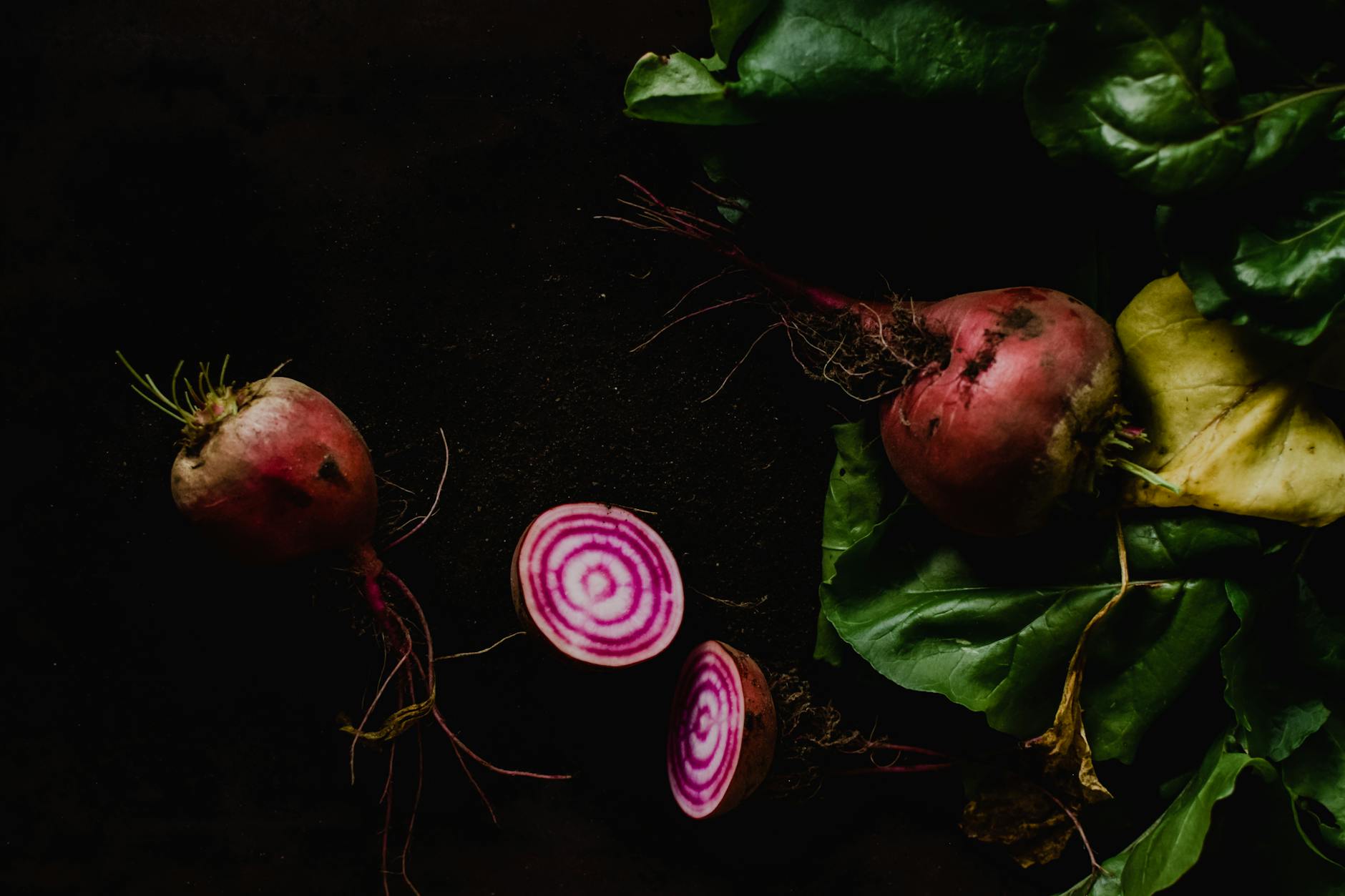
Beet tops are brimming with vitamins and minerals, making them a valuable addition to a healthy diet. They offer a range of benefits, comparable to spinach and kale, but with their own unique profile. Here’s a glimpse into their nutritional bounty:
- Vitamins: Rich in vitamin K (essential for blood clotting), vitamin A (important for vision and immune function), and vitamin C (an antioxidant).
- Minerals: Excellent source of potassium (supports healthy blood pressure), magnesium (involved in hundreds of bodily processes), and iron (crucial for oxygen transport).
- Fiber: Promotes digestive health and helps regulate blood sugar levels.
- Antioxidants: Contains antioxidants like beta-carotene and lutein, which protect against cell damage.
Oxalates: A Note of Caution
While generally safe, beet tops do contain oxalates. Oxalates are naturally occurring compounds found in many plants, including spinach, rhubarb, and chocolate. For most people, oxalates pose no problem. However, individuals prone to kidney stones (specifically calcium oxalate stones) should consume beet tops in moderation or cook them, as cooking reduces the oxalate content.
Harvesting and Selection: Choosing the Best Beet Tops
When selecting beet tops, look for vibrant, dark green leaves that are firm and free from blemishes or signs of wilting. Avoid leaves that are yellowed, slimy, or have holes. If you are harvesting beet tops from your own garden, it’s best to do so in the morning when the leaves are at their peak freshness. Ensure that you wash them thoroughly to remove any dirt or debris.
Preparation: Getting Beet Tops Ready for the Kitchen
Proper preparation is key to enjoying the best flavor and texture of beet tops. Here’s a simple guide:
- Wash: Rinse the beet tops thoroughly under cold running water to remove any dirt or sand.
- Trim: Remove any tough stems or damaged leaves.
- Chop: Chop the leaves into smaller, manageable pieces. You can separate the stems from the leaves and cook them separately, as the stems may take longer to cook.
Cooking Methods: Unleashing the Flavor of Beet Tops
Beet tops are incredibly versatile and can be cooked in a variety of ways:
- Sautéing: Sautéing with garlic and olive oil is a quick and easy way to enjoy beet tops as a side dish.
- Steaming: Steaming preserves the nutrients and provides a gentle cooking method.
- Boiling: Boiling is a simple method, but it can leach out some of the nutrients.
- Adding to Soups and Stews: Beet tops add a nutritional boost and earthy flavor to soups and stews.
- Using in Salads: Young, tender beet tops can be used in salads, offering a slightly bitter and peppery flavor.
Culinary Applications: From Side Dish to Star
Beet tops can be incorporated into a wide range of dishes, offering a unique flavor and nutritional boost. Here are some ideas:
- Beet Top Pesto: Use beet tops in place of basil for a unique and flavorful pesto.
- Beet Top and Goat Cheese Tart: Add chopped beet tops to a savory tart with goat cheese and caramelized onions.
- Beet Top Frittata: Incorporate beet tops into a frittata for a hearty and nutritious breakfast or brunch.
- Beet Top Smoothie: Add a handful of beet tops to your favorite smoothie for a boost of vitamins and minerals.
Potential Risks: Allergies and Interactions
While rare, some individuals may be allergic to beet tops. Signs of an allergic reaction can include skin rashes, itching, swelling, or difficulty breathing. If you experience any of these symptoms after consuming beet tops, seek medical attention immediately. Additionally, the high vitamin K content may interact with blood-thinning medications. Consult with your doctor if you are taking blood thinners before adding significant amounts of beet tops to your diet.
Storage: Keeping Beet Tops Fresh
To keep beet tops fresh for as long as possible, store them in the refrigerator in a plastic bag or container. They are best used within a few days of harvesting or purchasing.
Addressing Misconceptions: Separating Fact from Fiction
A common misconception is that beet tops are poisonous or inedible. This is simply not true. Are beet tops safe to eat? Yes, as long as they are properly washed and prepared, they are a safe and nutritious addition to your diet. Another misconception is that they taste like beets. While they have a slightly earthy flavor, beet tops have a more spinach-like or chard-like taste.
Growing Your Own: A Sustainable Choice
Growing your own beets and beet tops is a rewarding experience. It’s a sustainable way to access fresh, healthy produce and reduce your carbon footprint. Beets are relatively easy to grow in a variety of climates and soil conditions.
Conclusion: Embracing the Beet Top Revolution
Are beet tops safe to eat? The evidence is clear: they are not only safe but also incredibly beneficial. By incorporating beet tops into your diet, you can enjoy a delicious and nutritious boost to your overall health. So, the next time you’re preparing beets, don’t toss those leafy greens – embrace the beet top revolution!
Frequently Asked Questions (FAQs)
Are beet tops as nutritious as spinach?
Beet tops and spinach share many nutritional similarities. Both are excellent sources of vitamins and minerals. While spinach may be slightly higher in some nutrients, beet tops offer their own unique benefits, making them a valuable addition to a balanced diet.
How do I reduce the oxalate content in beet tops?
Cooking beet tops, especially boiling or steaming, significantly reduces their oxalate content. Draining the cooking water afterward further minimizes oxalate intake. Pairing beet tops with calcium-rich foods can also help bind oxalates in the digestive system.
Can I eat beet tops raw?
Yes, young, tender beet tops can be eaten raw in salads. However, they have a slightly bitter taste, which may not appeal to everyone. Cooking beet tops softens their texture and reduces their bitterness.
What do beet tops taste like?
Beet tops have an earthy, slightly bitter taste, often compared to spinach or chard. The flavor can vary depending on the age of the leaves, with younger leaves being milder.
Are there any specific groups who should avoid eating beet tops?
Individuals with a history of calcium oxalate kidney stones should consume beet tops in moderation due to their oxalate content. People taking blood-thinning medications should consult their doctor before consuming large amounts, due to the high vitamin K content.
How can I tell if beet tops are fresh?
Fresh beet tops should be vibrant green, firm, and free from blemishes or signs of wilting. Avoid leaves that are yellowed, slimy, or have holes.
What is the best way to store beet tops?
Store beet tops in the refrigerator in a plastic bag or container. They are best used within a few days of harvesting or purchasing.
Can I freeze beet tops?
Yes, you can freeze beet tops. Blanch them in boiling water for 2-3 minutes, then transfer them to an ice bath to stop the cooking process. Drain well and store in freezer-safe bags or containers.
How can I incorporate beet tops into a smoothie?
Add a handful of thoroughly washed beet tops to your favorite smoothie recipe. They blend well with fruits like berries, bananas, and apples.
Are beet tops good for weight loss?
Beet tops are low in calories and high in fiber, making them a healthy addition to a weight-loss diet. Fiber helps you feel full and satisfied, reducing the likelihood of overeating.
Can I use beet tops in place of other leafy greens in recipes?
Yes, beet tops can be used as a substitute for spinach, chard, or kale in many recipes. Adjust cooking times as needed, as beet tops may cook slightly faster than some other leafy greens.
Are organically grown beet tops safer to eat?
Organically grown beet tops are grown without the use of synthetic pesticides and fertilizers, which some people prefer. However, both organically and conventionally grown beet tops are safe to eat as long as they are properly washed.