

Do Starfish Have Larvae? The Astonishing Early Life of Sea Stars
Yes, starfish absolutely have larvae! These fascinating creatures undergo a complex life cycle that begins with a tiny, free-swimming larval stage, playing a crucial role in their dispersal and survival. Understanding the larval phase is key to appreciating the resilience and fragility of these marine invertebrates.

The Secret Life of Starfish: From Egg to Sea Star
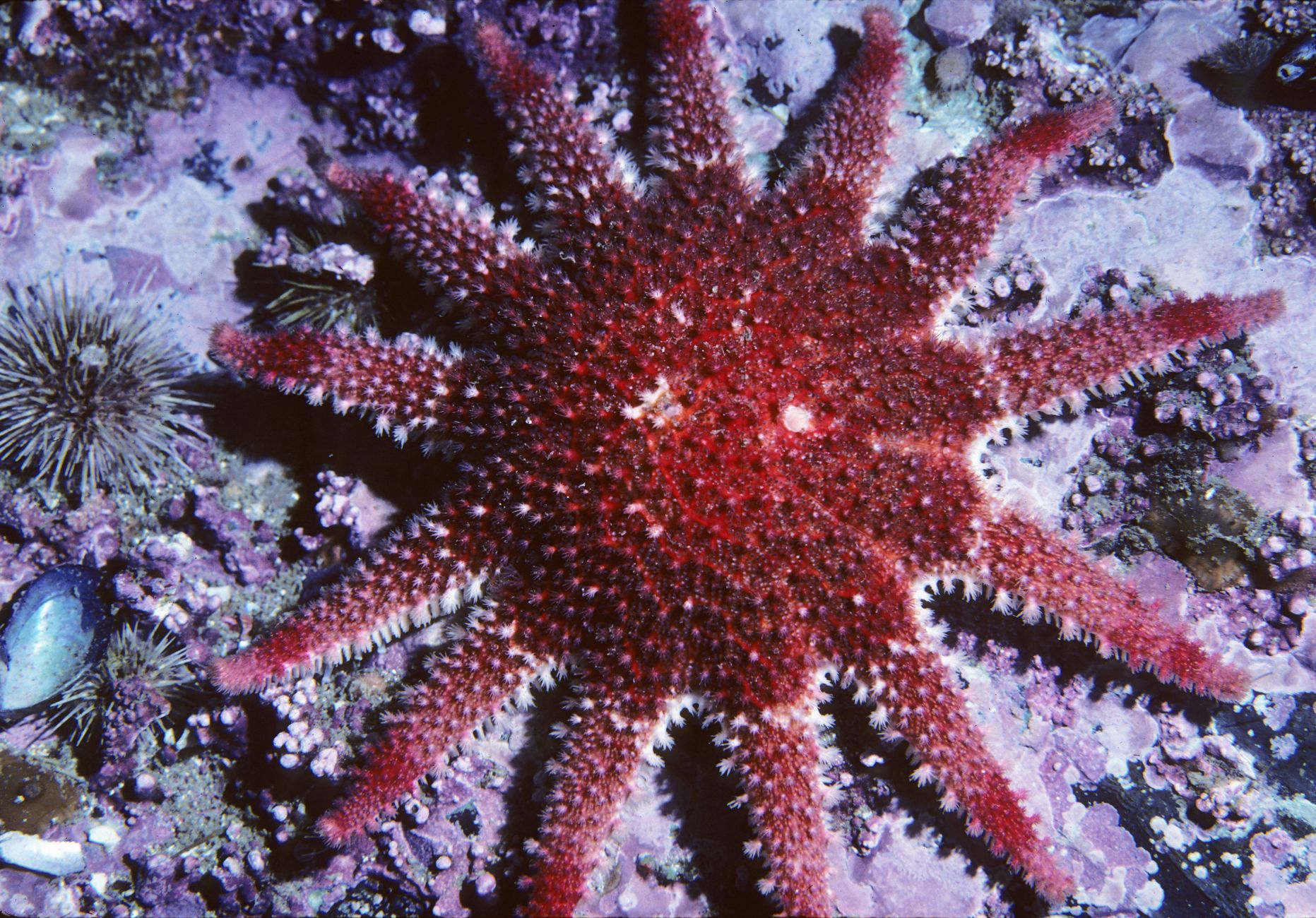
Starfish, more accurately known as sea stars, are captivating marine invertebrates belonging to the phylum Echinodermata. Their radial symmetry, vibrant colors, and remarkable regenerative abilities have long captured human imagination. However, their early life stages, particularly the larval phase, are often overlooked, despite being critical to their ecological role. Do starfish have larvae? The answer unlocks a fascinating glimpse into their reproductive strategies and dispersal mechanisms.
Do all amphibians have eyelids?
Why do cuttlefish have W-shaped eyes?
Do all snakes have poison in them?
What is the GREY African clawed frog?
The Spawn of Stars: Starfish Reproduction

Most starfish are dioecious, meaning they have separate sexes. Reproduction typically involves external fertilization, where males and females release their gametes (sperm and eggs) into the water column. This synchronized spawning event, often triggered by environmental cues like temperature and lunar cycles, maximizes the chances of fertilization. The sheer number of eggs released is staggering, compensating for the high mortality rate faced by developing larvae.
From Zygote to Larva: The Beginning of a Star
Once an egg is fertilized, it develops into a zygote, which then undergoes rapid cell division to form a blastula. This hollow ball of cells eventually gastrulates, forming distinct germ layers that will give rise to different tissues and organs. It is from this early embryo that the larval stage emerges.
Starfish larvae are planktonic, meaning they drift in the water column. They come in several distinct forms:
- Bipinnaria: This is the first larval stage, characterized by its bilateral symmetry and ciliated bands used for swimming and feeding.
- Brachiolaria: This later larval stage develops adhesive arms, which it uses to attach to a suitable substrate for metamorphosis.
These larval forms are quite unlike the adult sea star, showcasing the dramatic transformation they undergo. Do starfish have larvae that resemble the adults they will become? Not at all!
The Larval Diet: Fueling the Transformation
Starfish larvae are primarily filter feeders, using their ciliated bands to capture phytoplankton and other microscopic particles from the water. This constant intake of nutrients is crucial for fueling their growth and development, preparing them for the energy-intensive process of metamorphosis. The availability of food in the water column significantly impacts larval survival and ultimately, the recruitment of juvenile sea stars.
Metamorphosis: A Radical Change
Metamorphosis is a dramatic transformation where the larva reorganizes its body plan into the radially symmetrical adult form. During this process, the larval structures are absorbed or remodeled, and the adult structures develop. The brachiolaria larva attaches to a suitable substrate using its adhesive arms. Then, the adult form begins to emerge. This process can take several days or weeks, depending on the species and environmental conditions.
Challenges and Threats to Starfish Larvae
Starfish larvae face numerous challenges in their planktonic existence.
- Predation: They are vulnerable to predation by a wide range of plankton feeders, including copepods, fish larvae, and other invertebrates.
- Starvation: Limited food availability can lead to starvation and reduced growth rates.
- Environmental Stress: Changes in water temperature, salinity, and pollution levels can negatively impact larval survival.
- Ocean Acidification: Increasing levels of carbon dioxide in the ocean can impair larval development and skeleton formation.
These threats highlight the vulnerability of starfish populations, especially in the face of climate change and other human-induced stressors. Understanding do starfish have larvae and the challenges they face is crucial for conservation efforts.
The Importance of Larval Dispersal
The larval stage is crucial for the dispersal of starfish populations. By drifting in the water column, larvae can colonize new habitats and maintain genetic connectivity between different populations. This is particularly important for species that live in isolated or fragmented habitats. The distance larvae can travel depends on their larval duration, ocean currents, and other factors.
Conservation and Future Research
Protecting starfish populations requires a comprehensive understanding of their life cycle, including the larval phase. Further research is needed to:
- Assess the impact of environmental stressors on larval survival and development.
- Identify critical habitats for larval settlement and recruitment.
- Develop effective conservation strategies to protect starfish populations.
Only through concerted efforts can we ensure the survival of these fascinating creatures for future generations. Do starfish have larvae? Yes, and their survival is crucial to the health of marine ecosystems.
| Stage | Description | Duration (Approximate) | Key Features |
|---|---|---|---|
| Bipinnaria | Early larval stage, bilaterally symmetrical, ciliated bands for swimming and feeding | Weeks | Bilateral symmetry, planktonic, filter feeder |
| Brachiolaria | Later larval stage, develops adhesive arms for attachment | Days to Weeks | Adhesive arms, attachment to substrate, initiation of metamorphosis |
| Metamorphosis | Transformation into radially symmetrical adult form | Days to Weeks | Reorganization of body plan, development of adult structures, settlement |
Frequently Asked Questions (FAQs)
Are starfish larvae microscopic?
Yes, starfish larvae are indeed microscopic, typically measuring only a few millimeters in length. Their small size makes them vulnerable to predation and environmental changes.
What do starfish larvae eat?
Starfish larvae primarily feed on phytoplankton, microscopic algae that drift in the water column. They use their ciliated bands to capture these particles and ingest them.
How long do starfish larvae live?
The duration of the larval stage varies depending on the species and environmental conditions, but it typically lasts for several weeks or even months. During this time, larvae must find a suitable substrate to settle on and undergo metamorphosis.
Do all starfish have the same type of larvae?
No, different species of starfish may have slightly different larval forms, although they all generally follow the bipinnaria-brachiolaria sequence. The specific morphology and developmental timing can vary.
What happens to the larval arms during metamorphosis?
During metamorphosis, the larval arms are either absorbed by the developing sea star or transformed into other structures. This process is a remarkable example of developmental plasticity.
Where do starfish larvae settle?
Starfish larvae typically settle on hard substrates, such as rocks, shells, or coral reefs. The availability of suitable settlement sites can influence the distribution and abundance of adult sea stars.
What factors influence starfish larval survival?
Several factors influence starfish larval survival, including food availability, water temperature, salinity, pollution levels, and predation pressure. Changes in these factors can significantly impact larval recruitment.
Can starfish larvae swim against currents?
While starfish larvae have cilia for swimming, their swimming ability is relatively weak. They are largely at the mercy of ocean currents, which play a crucial role in their dispersal.
Are starfish larvae affected by ocean acidification?
Yes, ocean acidification can negatively impact starfish larvae. Increased levels of carbon dioxide in the ocean can impair larval development, skeleton formation, and overall survival.
How many starfish larvae survive to adulthood?
Only a very small percentage of starfish larvae survive to adulthood. The high mortality rate during the larval stage is a major factor limiting population growth.
Do starfish larvae have eyes?
Some starfish larvae possess simple eyespots that are sensitive to light. These eyespots help them orient themselves in the water column and find suitable settlement sites.
Why is it important to study starfish larvae?
Studying starfish larvae is crucial for understanding their life cycle, dispersal patterns, and vulnerability to environmental changes. This knowledge is essential for developing effective conservation strategies to protect starfish populations and the marine ecosystems they inhabit. The answer to “do starfish have larvae” is just the starting point; the larval stage is key to understanding starfish ecology.