
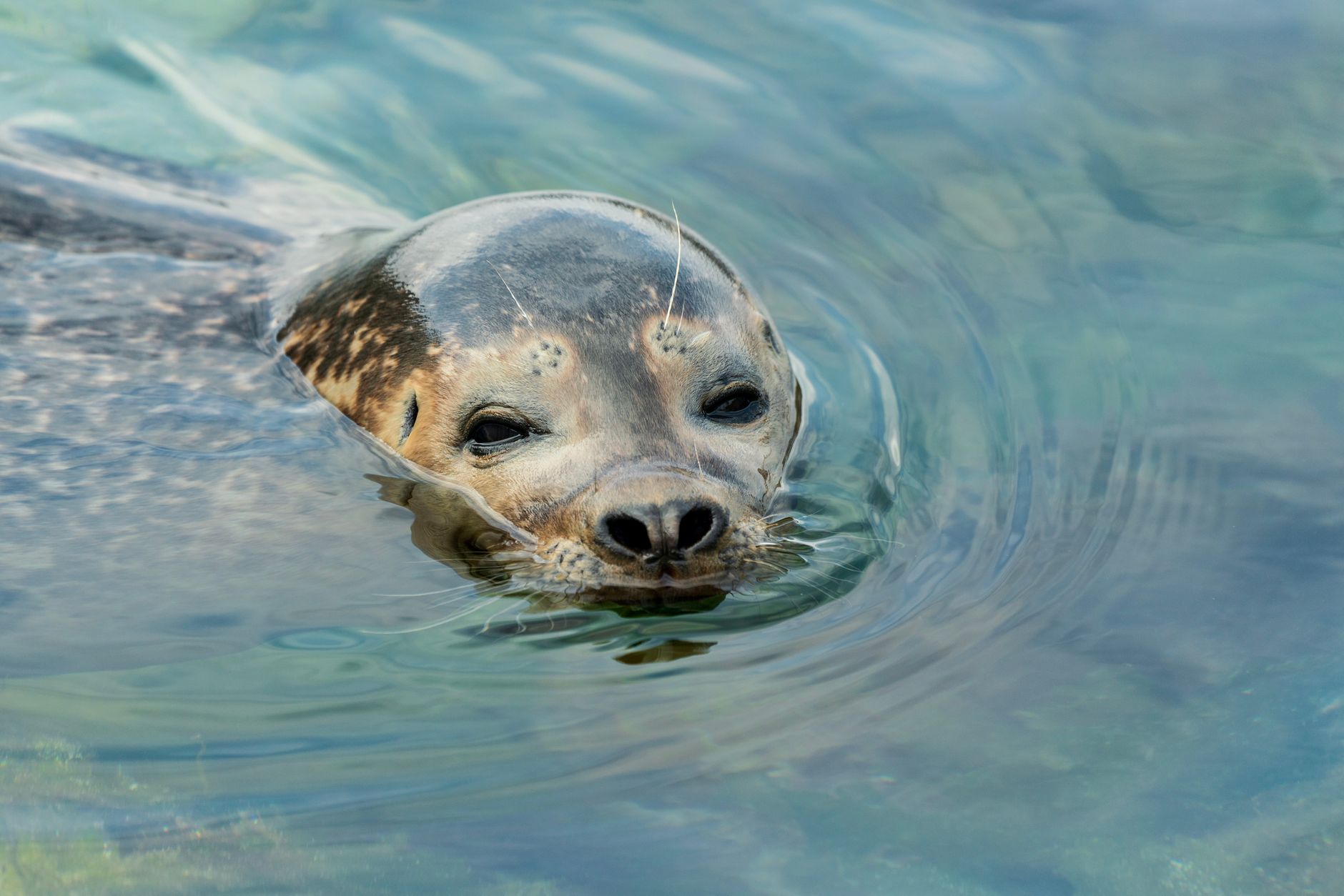
Why Do Seals Come to Humans? Exploring Interactions Between Marine Mammals and People
Seals approach humans for a variety of reasons, ranging from curiosity and learned behavior to opportunistic feeding and seeking assistance when injured. Understanding these interactions is crucial for both seal conservation and human safety.

Introduction: The Allure of Seals
Seals, with their endearing faces and playful nature, often evoke feelings of curiosity and fascination. Encounters with these marine mammals, whether on beaches, in harbors, or even occasionally in unexpected locations like rivers, are becoming increasingly common. But why do seals come to humans? This question is more complex than it initially appears, encompassing a range of biological, environmental, and behavioral factors. Understanding these motivations is essential for promoting responsible interactions and ensuring the well-being of both seals and humans.

What colours are fish most attracted to?
Can you put your finger in a trout's mouth?
Is methylene blue anti bacterial?
Does aquarium salt raise pH in aquarium?
Curiosity and Exploration
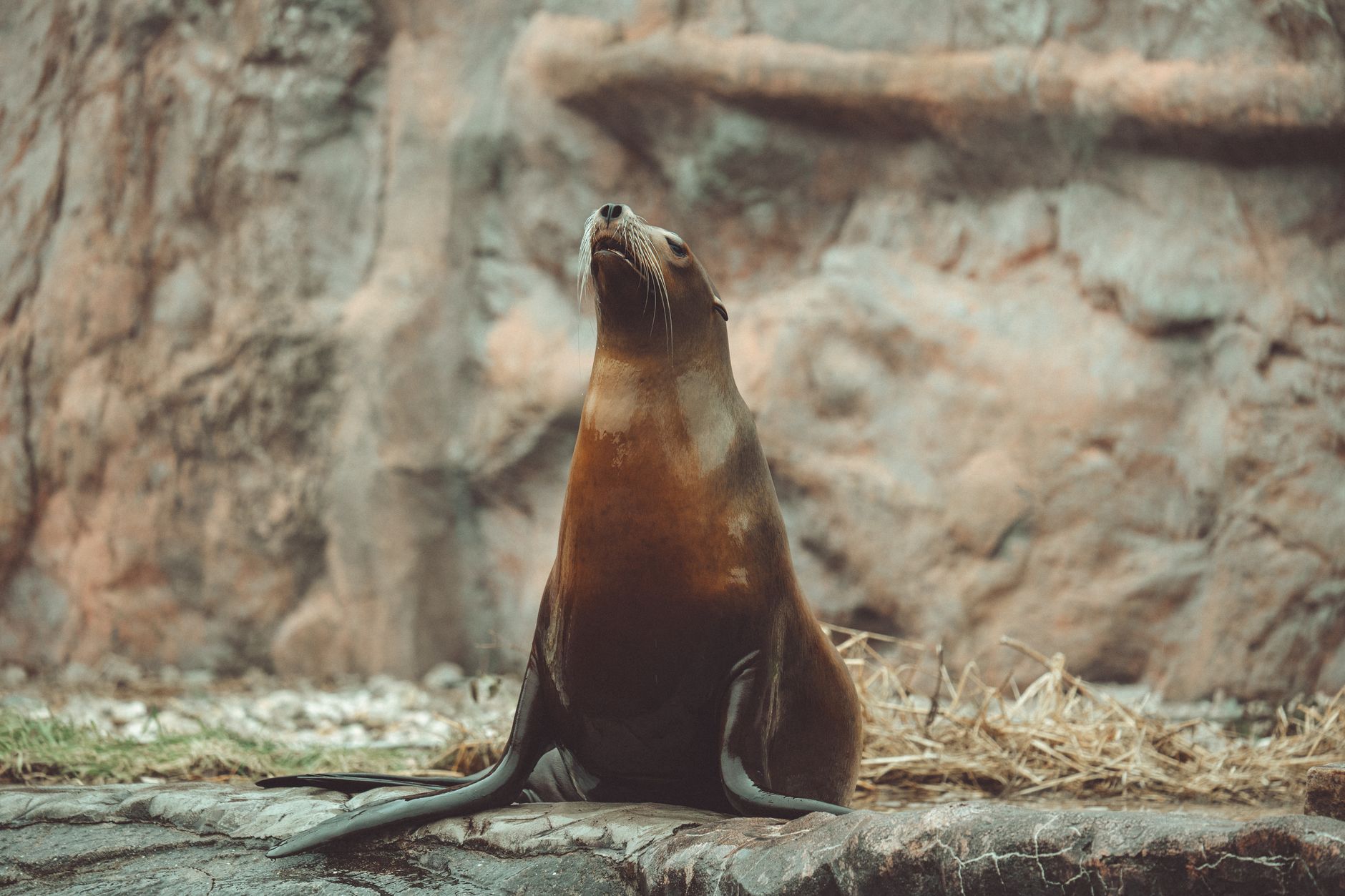
Seals are naturally inquisitive animals. Young seals, in particular, are prone to exploring their environment, and this can sometimes lead them to approach humans.
- Natural Curiosity: Young seals lack the ingrained caution of older animals.
- Novelty Seeking: Humans and their activities represent novel stimuli.
- Playful Behavior: Some seals may approach humans as part of their playful interactions.
This curious behavior doesn’t necessarily indicate dependence or a desire for human interaction beyond simple investigation. It’s crucial not to misinterpret curiosity as a need for rescue or feeding.
Learned Behavior and Habituation
Repeated interactions with humans, especially when food is involved, can lead to habituation. This means that seals lose their natural fear of humans and may actively seek them out.
- Feeding by Humans: Intentional or unintentional feeding reinforces the association between humans and food.
- Tourist Attractions: In areas where seals are regularly fed as tourist attractions, they become accustomed to human presence.
- Fisheries Interactions: Seals learn to associate fishing vessels with easy access to food, leading to conflict.
Habituation can have detrimental consequences for seals, making them more vulnerable to boats, entanglement in fishing gear, and other human-related hazards. It also disrupts their natural foraging behavior.
Seeking Assistance: Injury and Illness
Occasionally, seals approach humans because they are injured or ill and instinctively seek help, though this is rare. This is often a difficult situation to interpret, as approaching a potentially dangerous animal can be risky.
- Visible Injuries: Wounds from boat propellers, fishing gear, or predator attacks may prompt a seal to seek refuge near humans.
- Illness and Weakness: Sick or weakened seals may be more likely to approach humans due to disorientation or an inability to find food.
- Stranded Pups: Separated or abandoned pups may approach humans out of desperation.
It’s vital to contact local wildlife authorities or rescue organizations immediately if you suspect a seal is injured or ill. Attempting to handle a seal yourself can be dangerous for both you and the animal.
Opportunistic Feeding: The Lure of Easy Meals
Sometimes, why do seals come to humans is simply because they offer an easy meal. Whether from intentional feeding or accidental food drops, the association between humans and readily available food can become a powerful draw.
- Discarded Food: Seals may scavenge for discarded food near beaches, harbors, and fishing docks.
- Fishing Gear: Seals often target fishing gear, such as nets and lines, to steal fish.
- Intentional Feeding: Some individuals feed seals directly, reinforcing the behavior.
This opportunistic feeding can lead to seals becoming overly reliant on humans for food, disrupting their natural hunting skills and potentially causing health problems.
Mitigation and Responsible Interactions
Preventing seals from becoming habituated or reliant on humans requires a multi-faceted approach.
- Public Education: Educate the public about the dangers of feeding seals and the importance of maintaining a safe distance.
- Waste Management: Implement effective waste management practices in coastal areas to reduce the availability of discarded food.
- Fisheries Management: Implement strategies to minimize seal interactions with fishing gear, such as using seal-deterrent devices or modifying fishing practices.
- Enforcement: Enforce regulations that prohibit the feeding and harassment of seals.
| Strategy | Description | Benefits | Challenges |
|---|---|---|---|
| Public Education | Raising awareness about responsible seal interactions. | Reduces intentional feeding and harassment. | Requires ongoing effort and resources. |
| Waste Management | Properly disposing of food waste in coastal areas. | Decreases food availability for seals, reducing reliance. | Requires community cooperation and infrastructure. |
| Fisheries Management | Using seal-deterrent devices and modifying fishing practices. | Minimizes seal entanglement and competition for resources. | Can be costly and require regulatory changes. |
| Enforcement | Enforcing regulations against feeding and harassing seals. | Deters harmful behavior and protects seals. | Requires adequate staffing and legal support. |
Understanding why do seals come to humans is the first step towards ensuring their long-term conservation and promoting harmonious coexistence. By respecting their space, avoiding feeding them, and reporting any signs of injury or illness, we can help these fascinating creatures thrive in their natural environment.
Frequently Asked Questions (FAQs)
Why are seals protected?
Seals are protected under various national and international laws and agreements due to several factors, including their role in marine ecosystems, their vulnerability to human activities, and their intrinsic value as wildlife. Many species have faced significant population declines due to hunting and habitat loss, making legal protection essential for their recovery. These protections often include restrictions on hunting, harassment, and disturbance of their breeding areas.
Are seals dangerous to humans?
While seals generally avoid direct confrontation with humans, they are wild animals and can become aggressive if they feel threatened or provoked. Bites can occur, leading to infections or injuries. It’s crucial to maintain a safe distance and never attempt to touch or feed a seal.
What should I do if I find a seal pup alone on the beach?
The best course of action is to observe the pup from a distance without approaching it. Many pups are temporarily left alone by their mothers while they forage for food. If the pup appears injured, entangled, or is in immediate danger, contact your local wildlife rescue organization or marine mammal stranding network.
Is it okay to feed seals?
Feeding seals is strongly discouraged. It can lead to habituation, making them dependent on humans for food and more vulnerable to human-related hazards. It also disrupts their natural foraging behavior and can cause health problems due to an unnatural diet.
How close is too close to a seal?
A general guideline is to stay at least 50 meters (150 feet) away from seals. However, the appropriate distance may vary depending on the seal’s behavior and the specific location. If a seal appears agitated or distressed by your presence, increase the distance.
What diseases can seals carry?
Seals can carry diseases that are transmissible to humans, such as seal finger (a bacterial infection) and certain strains of influenza. Avoiding direct contact with seals minimizes the risk of contracting these diseases.
How can I tell if a seal is sick or injured?
Signs of illness or injury in seals include visible wounds, lethargy, coughing, sneezing, discharge from the eyes or nose, and difficulty breathing. If you observe any of these signs, contact your local wildlife rescue organization or marine mammal stranding network.
What is the difference between a seal and a sea lion?
Seals and sea lions belong to the same family (Pinnipedia) but have distinct physical characteristics. Seals lack external ear flaps, have shorter flippers, and move on land by wiggling their bodies. Sea lions, on the other hand, have external ear flaps, longer flippers, and can walk on all fours.
Why do seals haul out on beaches?
Seals haul out on beaches for several reasons, including resting, molting (shedding their fur), giving birth, and escaping predators. Hauling out is a natural behavior, and seals should not be disturbed during this time.
Are all seal species protected?
While many seal species are protected, the level of protection can vary depending on the species and location. Some species are more vulnerable than others and receive stricter protection. Local regulations should be consulted to determine the specific protections in place.
What should I do if a seal approaches me while I am swimming or kayaking?
Remain calm and avoid making sudden movements. Do not attempt to touch or feed the seal. Slowly paddle or swim away to create distance. If the seal continues to approach, get out of the water as quickly as possible.
How can I help protect seals?
You can help protect seals by supporting conservation organizations, reducing your use of single-use plastics, properly disposing of fishing line and other debris, and reporting any instances of seal harassment or injury. Educating yourself and others about responsible seal interactions is also crucial. Understanding why do seals come to humans helps us prevent potentially harmful interactions.