

What is the Life Cycle of a Shark?
The life cycle of a shark encompasses several distinct stages, from fertilization and embryonic development to birth or hatching and eventual maturity and reproduction. Understanding these stages is crucial to comprehending shark population dynamics and conservation efforts.

Introduction: Unveiling the Shark’s Journey
Sharks, ancient and often misunderstood predators, have inhabited our oceans for over 400 million years. Their survival through countless evolutionary pressures speaks to the effectiveness of their biological design and reproductive strategies. What is the life cycle of a shark? Understanding this process is crucial not only for appreciating the diversity of shark species but also for implementing effective conservation measures to protect these vital members of marine ecosystems. Unlike many bony fish that reproduce rapidly and in large numbers, sharks typically have slower reproductive rates, making them vulnerable to overfishing and habitat loss. The specific details of their life cycle, from mating rituals to gestation periods, vary significantly between species, highlighting the remarkable adaptability of these cartilaginous fishes.
What colours are fish most attracted to?
Can you put your finger in a trout's mouth?
Is methylene blue anti bacterial?
Does aquarium salt raise pH in aquarium?
Shark Reproduction: A Diverse Array of Strategies
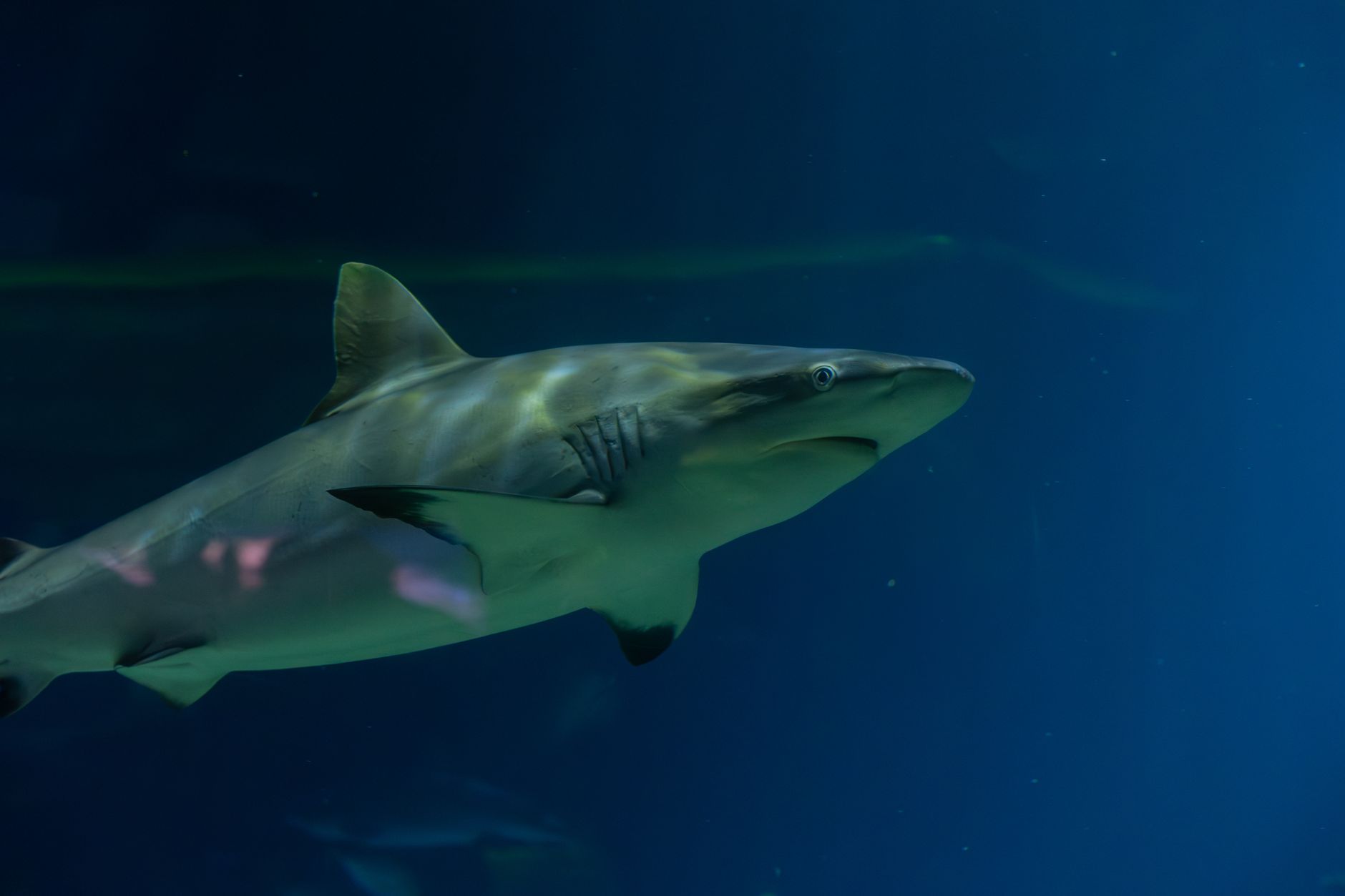
Shark reproduction isn’t a one-size-fits-all process. It varies significantly between species, exhibiting a remarkable diversity of strategies that ensure the survival of their offspring. Broadly, shark reproduction falls into three main categories:
-
Oviparity: Some shark species are oviparous, meaning they lay eggs. These eggs are often encased in a tough, leathery capsule, sometimes called a “mermaid’s purse.” The embryo develops inside the egg, nourished by the yolk, and eventually hatches. Examples include the swellshark and the horn shark.
-
Viviparity: Viviparous sharks give birth to live young. This method involves several variations, including:
- Placental viviparity: The developing embryo is nourished by a placenta, similar to mammals, which is attached to the mother’s uterine wall. Examples include hammerhead sharks and bull sharks.
- Yolk-sac viviparity: The embryo initially develops using a yolk sac for nourishment. As the yolk sac depletes, some species engage in oophagy (eating unfertilized eggs) or adelphophagy (eating sibling embryos) for further sustenance. The great white shark is suspected to exhibit oophagy.
-
Ovoviviparity: Ovoviviparous sharks retain eggs internally until they hatch. The young are then born live, having been nourished solely by the yolk sac inside the mother. This is the most common reproductive strategy among sharks, seen in species like the basking shark and the thresher shark.
The method of reproduction significantly impacts the number of offspring a shark can produce. Oviparous sharks typically lay relatively few eggs, while viviparous sharks generally give birth to a small litter of pups.
Embryonic Development: From Egg to Pup
The embryonic development of sharks varies depending on their reproductive strategy.
-
Oviparous species: The egg capsule provides protection and nourishment to the developing embryo. The embryo relies solely on the yolk sac for sustenance. Development can take several months to over a year, depending on the species and environmental conditions. Once the pup is developed and ready, the egg capsule will break open and the shark pup will swim away.
-
Viviparous and Ovoviviparous species: Development inside the mother’s uterus can range from a few months to over two years. In placental viviparity, nutrients are transferred directly from the mother to the embryo through the placenta. In yolk-sac viviparity and ovoviviparity, the embryo initially relies on the yolk sac. As mentioned above, some species employ specialized feeding behaviors such as oophagy or adelphophagy.
Regardless of the reproductive strategy, embryonic development involves significant growth and differentiation as the shark develops its characteristic features, including fins, gills, and teeth.
Birth and Early Life: A Vulnerable Start
The birth or hatching of a shark marks the beginning of a vulnerable period in its life. Young sharks, often referred to as pups, are typically independent from birth and must immediately fend for themselves. They are often born or hatched in nursery areas, which provide shelter and abundant food resources. These nursery areas are often shallow coastal waters or estuaries.
The survival rate of young sharks is generally low due to predation from larger sharks, bony fish, and other marine animals. They must learn to hunt effectively and avoid predators to reach adulthood.
Maturation and Reproduction: Completing the Cycle
Sharks have very slow maturity rates, in comparison to other fish. The age at which sharks reach sexual maturity varies greatly between species, ranging from a few years to over 30 years in some cases. The great white shark, for instance, can take 15 years or more to reach maturity. Maturity is also dependent on the sex of the shark. Males are typically matured earlier than females.
Once mature, sharks are capable of reproduction, and the life cycle continues. Sharks may mate annually, biennially, or even less frequently, depending on the species. The slow reproductive rates of sharks make them particularly vulnerable to overfishing, as populations cannot recover quickly from declines.
Table: Comparing Reproductive Strategies
| Feature | Oviparity | Viviparity | Ovoviviparity |
|---|---|---|---|
| Egg Laying | Yes | No | No |
| Live Birth | No | Yes | Yes |
| Embryo Nourishment | Yolk sac | Placenta or other methods | Yolk sac |
| Example | Horn shark, swellshark | Hammerhead, bull shark | Basking shark, thresher shark |
Frequently Asked Questions (FAQs)
How long does it take for a shark to reach maturity?
The time it takes for a shark to reach maturity varies greatly depending on the species. Some smaller sharks, such as the spiny dogfish, may take several years to mature, while larger sharks, like the great white, can take over 15 years to reach reproductive age. This slow maturation rate makes them particularly vulnerable to overfishing.
How many pups do sharks typically have in a litter?
The number of pups in a shark litter also varies significantly depending on the species and reproductive strategy. Oviparous sharks might lay only a few eggs at a time, while viviparous sharks can give birth to litters ranging from a few pups to over 100 in some cases.
Are sharks good parents?
Generally, sharks do not exhibit parental care. Once the pups are born or hatched, they are typically on their own and must fend for themselves. The mother’s role ends with the birth or hatching of the young.
What is the lifespan of a shark?
The lifespan of a shark varies dramatically between species. Some smaller sharks may only live for a few years, while larger sharks, such as the Greenland shark, can live for hundreds of years. Accurate aging of sharks is often difficult, but research using various techniques is continuously improving our understanding of their longevity.
Do sharks mate for life?
No, sharks do not mate for life. They are not known to form pair bonds and typically engage in short-term mating interactions.
What are shark nursery areas?
Shark nursery areas are specific habitats, often shallow coastal waters or estuaries, where young sharks are born and spend their early lives. These areas provide shelter from predators and abundant food resources, increasing the survival chances of young sharks. Protecting these critical habitats is essential for shark conservation.
What threats do young sharks face?
Young sharks face a variety of threats, including predation from larger sharks, bony fish, and other marine animals. They are also vulnerable to habitat loss, pollution, and entanglement in fishing gear.
How does climate change impact shark life cycles?
Climate change can impact shark life cycles in several ways. Rising ocean temperatures can affect development rates, while changes in ocean currents can disrupt migration patterns and access to food resources. Ocean acidification can also impact the survival of shark eggs and young sharks.
What role do sharks play in the ocean ecosystem?
Sharks are apex predators, playing a crucial role in maintaining the balance of marine ecosystems. They help to control populations of other fish species and prevent overgrazing of seagrass beds and coral reefs.
What can be done to protect sharks and their life cycles?
Protecting sharks and their life cycles requires a multifaceted approach, including implementing sustainable fishing practices, protecting nursery areas, reducing pollution, and addressing climate change. Educating the public about the importance of sharks and their conservation is also essential.
Why is it important to understand What is the life cycle of a shark?
Understanding What is the life cycle of a shark? is critical for effective conservation efforts. Knowing how sharks reproduce, where they spend their early lives, and how long they live allows us to develop targeted strategies to protect them from threats such as overfishing and habitat destruction. This knowledge ensures that future generations can appreciate these magnificent creatures.
How does shark fishing impact their populations?
Shark fishing, particularly when unsustainable, can have a devastating impact on shark populations. Their slow reproductive rates mean they cannot quickly recover from population declines caused by overfishing. Bycatch, where sharks are unintentionally caught in fishing gear targeting other species, is also a significant threat. Careful management and enforcement of fishing regulations are crucial to protect shark populations.