

Why Do Lions Mate So Much? The Surprising Answer
Lions mate so much primarily to increase the chances of successful fertilization and ensure the survival of their lineage, often engaging in this behavior multiple times an hour over several days. This high frequency is driven by both biological imperatives and strategic reproductive advantages.

Introduction: The Lion’s Mating Marathon
The image of a lion, powerful and regal, often conjures thoughts of strength and dominance. However, the mating habits of lions reveal a different facet of their existence – a relentless pursuit of procreation. Why do lions mate so much? It’s a question that has intrigued scientists and wildlife enthusiasts alike. The answer lies in a complex interplay of biology, social dynamics, and the relentless pressure to ensure the survival of their cubs. This behavior, seemingly excessive to human eyes, is crucial for lion populations to thrive.

What colours are fish most attracted to?
Can you put your finger in a trout's mouth?
Is methylene blue anti bacterial?
Does aquarium salt raise pH in aquarium?
Biological Imperatives: Maximizing Fertilization
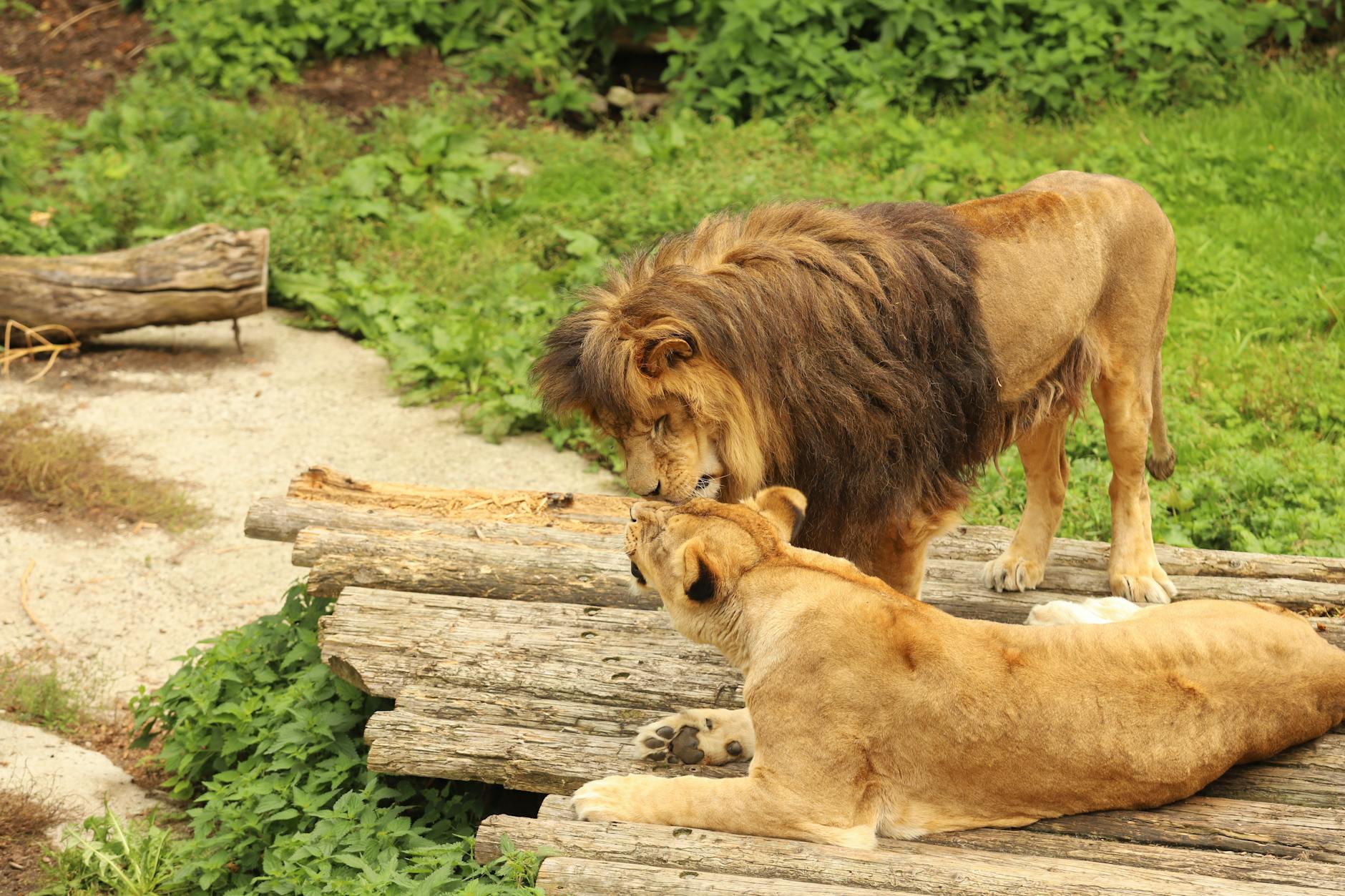
One of the primary reasons behind the frequent mating of lions is the low success rate of individual copulations. Lionesses are induced ovulators, meaning they don’t release an egg unless stimulated by mating.
- The process requires multiple mating sessions to trigger ovulation.
- Sperm viability is relatively short-lived within the female reproductive tract.
- Increased mating frequency ensures a higher concentration of sperm available when ovulation occurs.
Think of it as a numbers game. The more times a lion and lioness mate, the higher the probability of successful fertilization. The female lion’s anatomy and physiology play a crucial role in dictating this constant mating cycle.
The Social Context: Pride Dynamics and Paternity
The social structure of a lion pride also influences mating behavior. A pride typically consists of several related lionesses and a coalition of males, who may or may not be related.
- Male lions compete fiercely for mating opportunities.
- Frequent mating helps a male ensure that he is the father of the cubs, minimizing the chances of rival males siring offspring within the pride.
- Female lions may also mate with multiple males to confuse paternity, decreasing the likelihood of infanticide (killing of cubs) by new males who take over the pride.
Essentially, the social dynamics within the pride create an environment where frequent mating serves both a biological and a strategic purpose.
The Mating Process: A Detailed Look
The mating process itself is a brief affair, lasting only a few seconds. However, it’s the frequency of these encounters that is remarkable.
- During estrus (the period when a lioness is receptive to mating), she may mate with the male every 15-30 minutes.
- This can continue for several days, with mating occurring dozens, sometimes hundreds, of times.
- The male lion often bites the female’s neck during mating, a behavior thought to stimulate ovulation.
This intense period of mating reflects the urgency to reproduce and overcome the challenges of fertilization and cub survival.
Environmental Factors: Food Availability and Climate
While not as directly impactful as biological and social drivers, environmental factors also play a role in lion mating behavior.
- Availability of prey directly impacts the lioness’s overall health and ability to sustain a pregnancy and nurture cubs. Plentiful prey supports a greater likelihood of reproductive success, potentially indirectly leading to more frequent mating attempts.
- Climate conditions, particularly extreme temperatures, can influence the frequency of mating. Lions might adjust mating schedules to avoid the hottest parts of the day or periods of drought when resources are scarce.
- Territorial security is also crucial. If a pride’s territory is consistently under threat, the need to quickly produce offspring to secure the pride’s future can amplify mating frequency.
Consequences of Frequent Mating
Such frequent mating comes at a cost. Both males and females expend a significant amount of energy during this period.
- Males may neglect hunting and patrolling their territory, making the pride more vulnerable.
- Females can become physically exhausted, especially if they are already in poor condition.
- There is an increased risk of injury during mating, particularly for the female, due to the male’s biting behavior.
Despite these drawbacks, the benefits of maximizing fertilization and securing paternity outweigh the risks, driving the lion’s relentless pursuit of procreation.
FAQs: Decoding Lion Mating Mysteries
Why do lions roar during mating?
Roaring during or after mating serves multiple purposes. It’s a vocalization of dominance by the male, asserting his control over the lioness and his territory. Roaring also serves as a signal to other pride members, both male and female, reaffirming the pair’s bond and discouraging challenges from rivals. Additionally, the loud roar can attract other receptive females from neighboring territories, potentially expanding the male’s reproductive opportunities.
Do lionesses only mate with one male during estrus?
While a lioness will primarily mate with the dominant male in the pride during estrus, it is not uncommon for her to mate with other males. This can be a strategy to confuse paternity, reducing the risk of infanticide by any new male who may later take over the pride. By mating with multiple males, the lioness effectively dilutes the certainty of paternity, making any potential intruder less likely to harm the cubs.
How long does a lioness stay in estrus?
A lioness typically stays in estrus for several days, ranging from 4 to 7 days. This prolonged period allows for the frequent mating sessions that are crucial for triggering ovulation and maximizing the chances of fertilization. The length of estrus can also vary depending on factors such as the lioness’s age, health, and the presence of other females in the pride.
Is it painful for the lioness when the male bites her neck?
While the bite may appear aggressive, it is a natural part of the mating ritual. It is believed to stimulate ovulation in the lioness and provides the male with a secure grip during the mating act. While it may cause some discomfort, it is generally not considered to be seriously harmful to the lioness. The lioness’s skin is thick, and the bite is usually controlled.
What happens if a lioness doesn’t get pregnant after mating so much?
If a lioness doesn’t become pregnant after a period of intense mating, she will enter estrus again after a few weeks. Lionesses are seasonally polyestrous, meaning they can have multiple estrus cycles within a breeding season. This allows them repeated opportunities to conceive, further emphasizing the importance of frequent mating. Failure to conceive can be due to various factors, including infertility in either the male or female.
Do young lionesses mate as often as older ones?
Younger lionesses, typically those reaching sexual maturity around 3-4 years of age, may initially mate less frequently than older, more experienced females. This is because they are still developing their reproductive systems and learning the social dynamics of the pride. As they mature, their mating frequency tends to increase.
What is the gestation period for lions?
The gestation period for lions is around 110 days, or approximately 3.5 months. After this period, the lioness will typically give birth to a litter of 1-4 cubs in a secluded den.
Why are lion cubs so vulnerable?
Lion cubs are extremely vulnerable because they are born blind and helpless. They are completely dependent on their mother for care and protection. They are also susceptible to predation from other carnivores, such as hyenas and leopards, as well as infanticide by rival lions.
How long do lions stay together after mating?
The duration of a mating pair’s bond is limited to the period of estrus. Once the lioness is no longer receptive, the male will typically move on to other potential mates within the pride. They do not form lasting pair bonds beyond the immediate breeding period.
How do dominant males prevent other males from mating?
Dominant male lions use various strategies to prevent other males from mating. They will aggressively defend the lioness during her estrus period, physically preventing other males from approaching. They will also use vocalizations and displays of dominance to intimidate rivals. Furthermore, the dominant male often constantly shadows the lioness to prevent any other male from attempting to mate with her.
Does the frequency of mating change with age for male lions?
The mating frequency for male lions typically declines with age. As male lions get older, they may become less dominant and less able to compete for mating opportunities. They may also experience a decline in their physical condition, making frequent mating sessions more challenging. Younger, more energetic males often take over their position.
Why do some lionesses kill cubs that aren’t theirs?
Infanticide, while brutal, is a strategy used by some lionesses, particularly those who are new to a pride or are competing for resources. By killing cubs that are not their own, these lionesses eliminate competition for their own offspring and increase the chances of their cubs’ survival. This behavior is more common when resources are scarce or when a new female joins a pride with existing cubs. It’s a harsh, but evolutionarily driven behavior.
In conclusion, why do lions mate so much? The answer is multifaceted, encompassing biological imperatives, social dynamics, and the ever-present drive to ensure the survival of their lineage. This remarkable behavior, though demanding, is a testament to the lion’s enduring presence in the African savanna.