
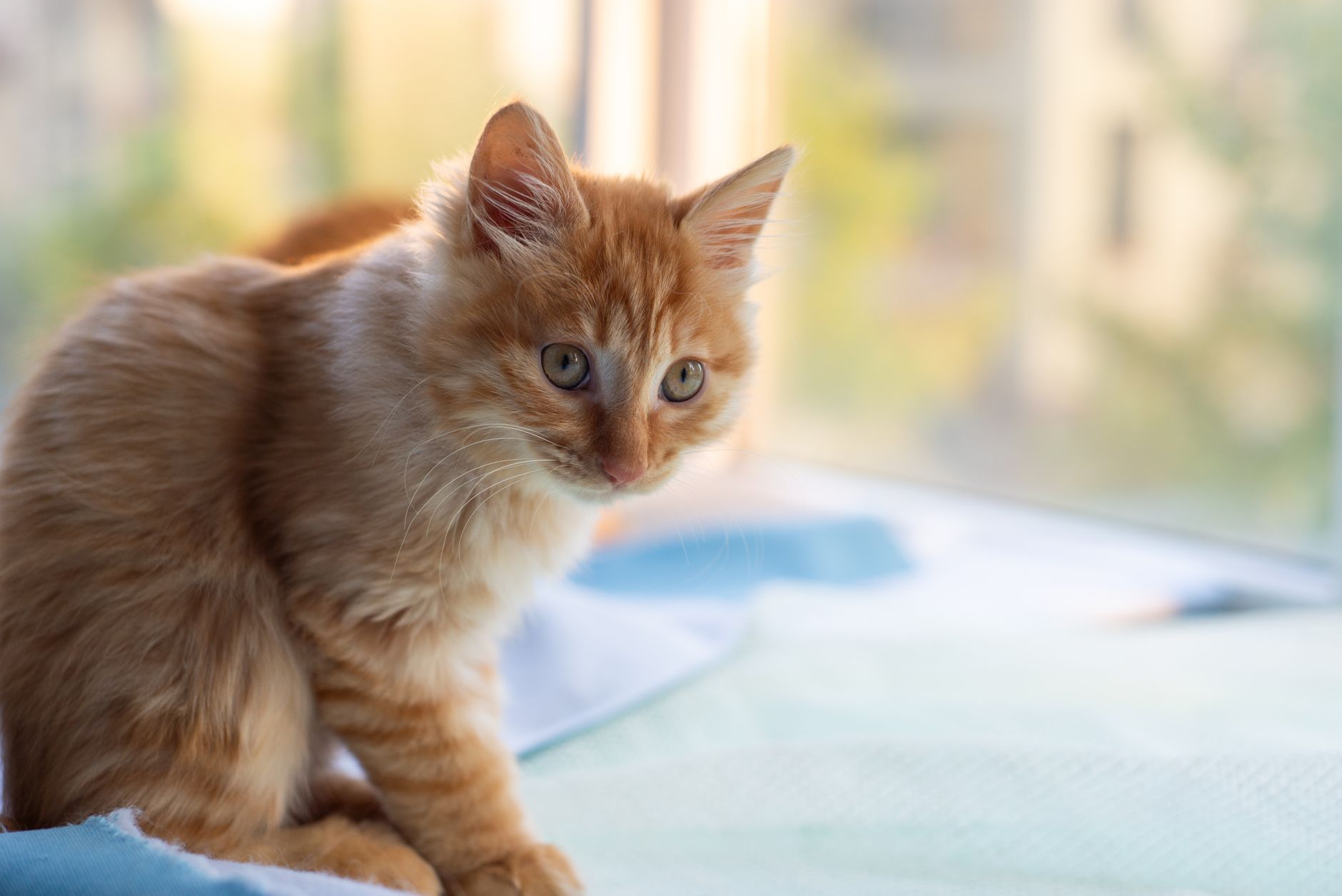
How Long Is Parvo Contagious in Cats? Unveiling the Feline Panleukopenia Threat
Feline panleukopenia, commonly known as feline parvovirus, is highly contagious. Cats infected with parvo can be contagious for up to six weeks, even after symptoms have resolved.

Understanding Feline Parvovirus (Panleukopenia)
Feline parvovirus, often referred to as feline panleukopenia, is a highly contagious and often fatal viral disease affecting cats. It is analogous to canine parvovirus but affects cats specifically. The name “panleukopenia” refers to a severe depletion of white blood cells, which weakens the cat’s immune system and makes it susceptible to secondary infections. This virus attacks rapidly dividing cells in the body, primarily those in the bone marrow, intestinal lining, and, in kittens, the cerebellum (part of the brain responsible for coordination).

What colours are fish most attracted to?
Can you put your finger in a trout's mouth?
Is methylene blue anti bacterial?
Does aquarium salt raise pH in aquarium?
The Transmission of Feline Parvo

How long is parvo contagious in cats? To understand that, we first need to understand how it spreads. The virus is shed in all bodily fluids, including feces, vomit, and urine, of infected cats. It’s incredibly resilient and can survive in the environment for months, even years, under the right conditions. Transmission occurs through direct contact with an infected cat or through indirect contact with contaminated objects (fomites) such as bedding, food bowls, clothing, and even shoes. Kittens are particularly vulnerable due to their underdeveloped immune systems.
Signs and Symptoms of Parvo in Cats
The incubation period for feline panleukopenia is typically 2 to 10 days. The severity of symptoms can vary depending on the age and immune status of the cat. Common signs include:
- Lethargy: Noticeable lack of energy and unwillingness to play.
- Loss of Appetite: Refusal to eat, often accompanied by weight loss.
- Fever: High body temperature, though sometimes hypothermia (low body temperature) can occur, especially in severe cases.
- Vomiting: Forceful expulsion of stomach contents.
- Diarrhea: Often bloody and severe, leading to dehydration.
- Dehydration: Sunken eyes, dry gums, and decreased skin elasticity.
- Depression: Listlessness and disinterest in surroundings.
- Sudden Death: Particularly in young kittens.
The Contagious Period Explained
How long is parvo contagious in cats? This is a critical question for preventing outbreaks. While the acute symptoms of parvo may only last for a few days, an infected cat remains contagious for a significantly longer period.
- Shedding Period: Infected cats typically shed the virus for up to six weeks after recovery, even if they appear healthy. This extended shedding period makes it challenging to control the spread of the virus.
- Environmental Persistence: The virus can survive in the environment for extended periods, further contributing to its contagiousness.
- Importance of Disinfection: Thorough disinfection of contaminated areas is crucial to eliminate the virus and prevent further spread.
Diagnosis and Treatment
Veterinarians diagnose feline panleukopenia based on clinical signs, physical examination, and laboratory tests. A common test is a complete blood count (CBC), which reveals a significantly low white blood cell count (panleukopenia). A fecal parvovirus antigen test can also confirm the diagnosis.
Treatment is primarily supportive and focuses on managing symptoms, preventing secondary infections, and providing fluids and electrolytes to combat dehydration. It includes:
- Fluid Therapy: Intravenous fluids to correct dehydration and maintain hydration.
- Antibiotics: To prevent or treat secondary bacterial infections.
- Anti-emetics: To control vomiting.
- Nutritional Support: Providing easily digestible food to help the cat regain strength.
- Blood Transfusions: In severe cases, to replenish red blood cells.
Prevention is Key: Vaccination and Hygiene
Vaccination is the most effective way to prevent feline panleukopenia. The core feline vaccine includes protection against parvovirus, and kittens should receive a series of vaccinations, followed by booster shots.
How long is parvo contagious in cats? Well, proper hygiene and sanitation are also crucial in preventing the spread of the virus. Regularly clean and disinfect surfaces that may have come into contact with infected cats. Isolation of infected cats is essential to prevent further transmission.
| Prevention Measure | Description |
|---|---|
| Vaccination | Core feline vaccine provides protection; follow recommended vaccination schedule. |
| Isolation of Infected Cats | Keep infected cats separate from healthy cats to prevent direct contact. |
| Disinfection | Use bleach solution (1:32 dilution) to disinfect surfaces that may be contaminated. |
| Good Hygiene | Wash hands thoroughly after handling cats, especially if there’s a risk of exposure. |
Reducing Parvo Risk: A Summary of Actionable Steps
To significantly reduce the risk of parvovirus infection and transmission:
- Vaccinate all cats and kittens according to your veterinarian’s recommendations.
- Isolate any cat showing signs of illness and seek veterinary care immediately.
- Disinfect contaminated areas with a bleach solution regularly.
- Practice good hygiene, including washing hands thoroughly after handling cats or cleaning their litter boxes.
- Avoid exposing unvaccinated cats, especially kittens, to environments where the virus may be present.
Frequently Asked Questions (FAQs)
If my cat has recovered from parvo, is it immune for life?
While most cats that recover from feline panleukopenia develop long-lasting immunity, it isn’t always guaranteed for life. The duration of immunity can vary depending on the individual cat and the strain of the virus. Annual booster vaccinations are often recommended to maintain strong protection, particularly in multi-cat households or environments where exposure is likely.
How long does parvo last in cats?
The acute phase of feline panleukopenia, characterized by severe symptoms like vomiting and diarrhea, typically lasts for 3 to 7 days. However, the entire illness can last longer, and cats require several weeks to fully recover.
Can humans get parvo from cats?
No, feline parvovirus is species-specific and does not infect humans. The parvovirus that affects dogs is also different and cannot be transmitted to humans.
How effective is the feline parvovirus vaccine?
The feline parvovirus vaccine is highly effective, providing excellent protection against the disease when administered according to the recommended schedule. It is one of the core vaccines recommended for all cats.
Can a pregnant cat with parvo transmit the virus to her kittens?
Yes, a pregnant cat infected with parvovirus can transmit the virus to her kittens in utero. This often results in severe neurological damage to the kittens, particularly cerebellar hypoplasia (a condition that affects coordination and balance).
How long does parvo live on surfaces?
Feline parvovirus is incredibly resilient and can survive in the environment for months or even years under favorable conditions, such as cool, humid environments. This is why thorough disinfection is so important.
What disinfectants are effective against parvo?
A 1:32 dilution of household bleach (sodium hypochlorite) is the most effective disinfectant against feline parvovirus. It’s important to allow the solution to remain in contact with the contaminated surface for at least 10 minutes for optimal disinfection.
Are there any home remedies for parvo in cats?
There are no effective home remedies for feline panleukopenia. The disease requires prompt and aggressive veterinary treatment. Attempting to treat it at home can be fatal.
Can a cat be a carrier of parvo without showing symptoms?
While it’s rare, cats can shed the virus even after appearing to have fully recovered. As mentioned, this shedding can continue for up to six weeks, making it essential to maintain hygiene protocols even after the cat seems healthy.
Is there a test to determine if my cat is still shedding parvo after recovery?
While a standard fecal parvovirus antigen test can be performed, it may not reliably detect low levels of viral shedding during the recovery phase. Your veterinarian can advise on the best course of action based on your cat’s specific situation.
What are the long-term effects of parvo in cats?
Most cats that recover from feline panleukopenia make a full recovery. However, some cats, especially those that experienced severe neurological damage, may have long-term neurological deficits, such as tremors or incoordination.
Can I introduce a new cat to a home where a cat previously had parvo?
Before introducing a new cat, ensure that the environment has been thoroughly disinfected with a bleach solution and that at least several weeks have passed since the infected cat recovered and stopped shedding the virus. It’s also crucial to ensure the new cat is fully vaccinated against feline panleukopenia. Consult with your veterinarian for personalized advice.