

Why Do Grey Squirrels Lay Flat? The Curious Case of “Squirrel Splooting”
Squirrels often lay flat on cool surfaces to regulate their body temperature. This behavior, known as splooting, is a key adaptation that helps them manage the summer heat and conserve energy.

Introduction: Unveiling the Secrets of Squirrel “Splooting”
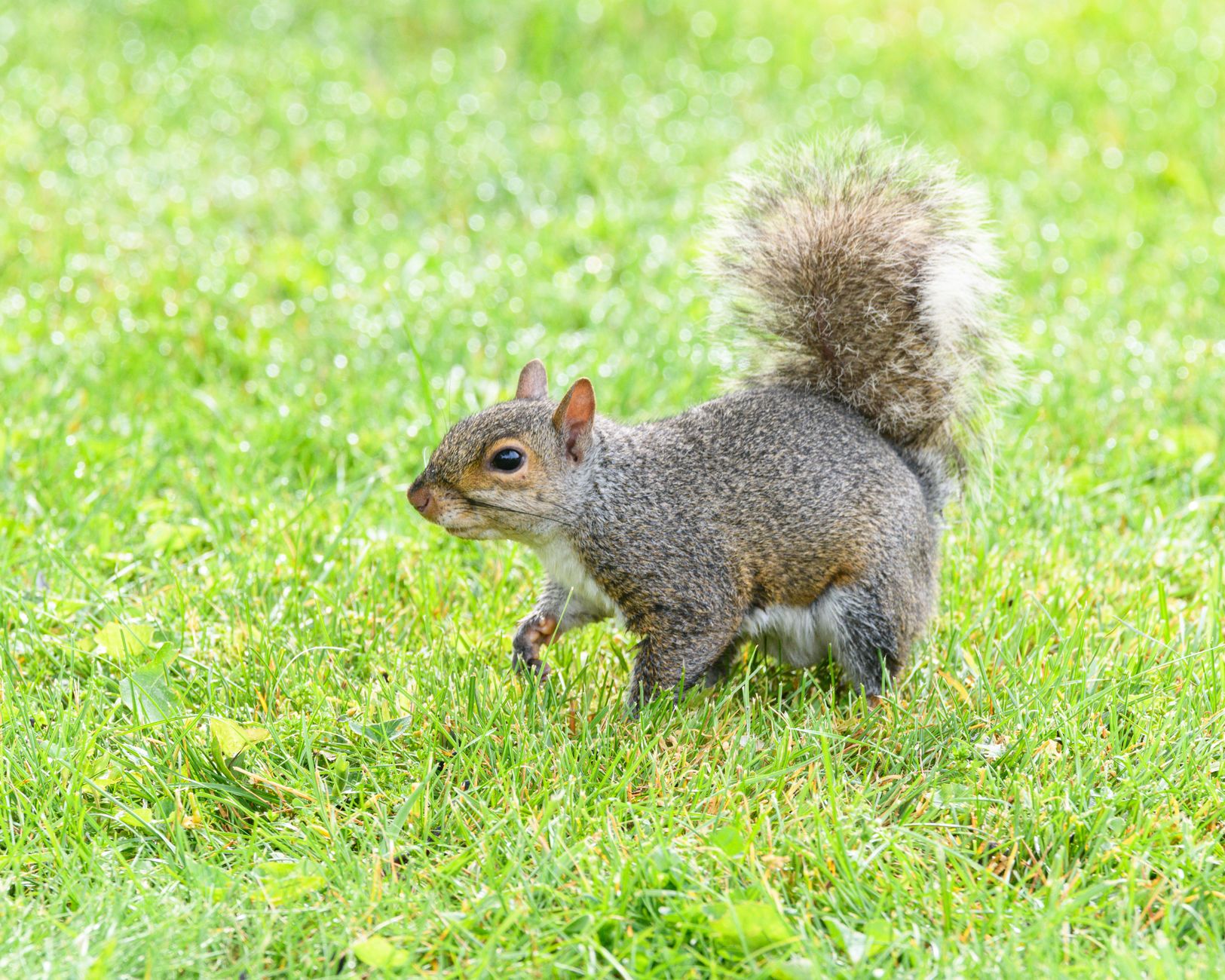
The sight of a grey squirrel splayed out on its belly, limbs extended in a peculiar pose, often elicits amusement and curiosity. This behavior, affectionately dubbed “splooting,” “heat dumping,” or even “squirrel pancakes,” isn’t random. It’s a carefully calculated method employed by these adaptable creatures to combat the challenges of staying cool, especially during the warmer months. Understanding why do grey squirrels lay flat? requires exploring their physiology, environmental pressures, and behavioral adaptations.
What colours are fish most attracted to?
Can you put your finger in a trout's mouth?
Is methylene blue anti bacterial?
Does aquarium salt raise pH in aquarium?
The Science of Thermoregulation

Mammals, including squirrels, are endothermic, meaning they generate their own body heat. Maintaining a stable internal temperature is crucial for proper bodily function. When the ambient temperature rises, squirrels need to dissipate excess heat to avoid overheating. This is where thermoregulation comes into play.
- Conduction: Heat transfer through direct contact. Laying on a cooler surface allows heat to flow from the squirrel’s body to the cooler material.
- Evaporation: Heat loss through evaporation of moisture (sweat). Squirrels have limited sweat glands, so this method is less effective for them compared to humans.
- Convection: Heat transfer through moving air. Exposing more of the body surface area to the air can increase heat loss through convection, although not as effectively as conduction in this scenario.
Why Splooting Works: Maximizing Surface Contact
Why do grey squirrels lay flat? The answer lies in optimizing conduction. By flattening their bodies against a cooler surface, squirrels maximize the contact area between their warm bodies and the cool ground (e.g., pavement, concrete, or even a shady patch of soil). This increased contact facilitates a more efficient transfer of heat away from the squirrel, helping it to lower its body temperature. The act itself requires minimal energy expenditure, making it a practical survival strategy.
Beyond Cooling: Other Potential Explanations
While thermoregulation is the primary driver behind splooting, other potential factors might also contribute:
- Rest and Relaxation: Splooting might simply be a comfortable resting position, especially in areas perceived as safe.
- Stretching: The posture could also serve as a way to stretch muscles and joints, particularly after periods of intense activity.
- Reduced Vulnerability?: While counterintuitive, splooting in a flat position might make it more difficult for certain ground predators to get a grip, although this is speculative.
Identifying Safe Splooting Spots
Squirrels aren’t indiscriminate when choosing a splooting location. They prefer:
- Cool Surfaces: Pavement, concrete, and shady soil offer effective heat dissipation.
- Shaded Areas: Reducing exposure to direct sunlight minimizes heat absorption.
- Relatively Quiet and Secure Locations: Squirrels need to feel safe enough to relax.
Comparing Squirrel Splooting to Other Animals
Squirrels aren’t alone in their cooling strategies. Dogs, for example, also sploot, as do cats and other mammals. The underlying principle is the same: maximizing conductive heat loss. However, the specific behaviors and preferred surfaces may vary depending on the animal’s physiology and environment.
| Animal | Splooting Behavior | Primary Cooling Mechanism | Other Cooling Strategies |
|---|---|---|---|
| Squirrel | Full body sploot | Conduction | Limited panting |
| Dog | Full or partial sploot | Conduction | Panting |
| Cat | Similar to dogs | Conduction | Grooming, panting |
What To Do If You See a Splooting Squirrel
Typically, a splooting squirrel is simply trying to cool down. Observe from a distance and avoid disturbing it. Providing a source of fresh water nearby can also be helpful. If the squirrel appears distressed, injured, or is displaying unusual behavior (e.g., disorientation), contacting a local wildlife rehabilitation center is recommended.
Frequently Asked Questions (FAQs)
Is splooting only observed in grey squirrels?
No, splooting is not exclusive to grey squirrels. This behavior has been observed in various squirrel species, including red squirrels, fox squirrels, and even ground squirrels. Any animal that needs to regulate its body temperature and has the physical capacity to adopt the posture may sploot.
Is splooting a sign that a squirrel is sick or injured?
In most cases, splooting is a normal thermoregulatory behavior. However, if the squirrel appears lethargic, disoriented, or exhibits other signs of illness or injury (e.g., limping, difficulty breathing), it’s best to consult a wildlife professional.
Why don’t squirrels just sweat like humans do?
Squirrels have limited sweat glands, primarily located on their paws. This makes evaporative cooling less efficient for them compared to animals like humans, who have sweat glands distributed across their entire body. This is why do grey squirrels lay flat?
Do baby squirrels sploot?
Yes, young squirrels can also sploot. They are even more susceptible to overheating than adult squirrels, so maintaining a safe body temperature is crucial.
Do squirrels sploot in cold weather?
Splooting is primarily a warm-weather behavior. In colder months, squirrels focus on conserving heat by huddling together, fluffing their fur for insulation, and seeking shelter.
What is the best way to help a splooting squirrel?
The best approach is to observe from a distance and avoid disturbing it. Providing a shallow dish of fresh water nearby can also be helpful, especially during hot weather.
Is it safe to touch a splooting squirrel?
It is generally not advisable to touch a wild squirrel. Squirrels can carry diseases, and they may bite or scratch if they feel threatened.
Do other animals sploot besides squirrels?
Yes, as mentioned earlier, other animals like dogs, cats, and even some birds may exhibit splooting behavior. The underlying principle of maximizing surface contact for heat dissipation remains the same.
Where is the best place for a squirrel to sploot?
The best place for a squirrel to sploot is on a cool, shaded surface, such as pavement, concrete, or cool earth. These surfaces allow for efficient heat transfer from the squirrel’s body.
How long will a squirrel typically sploot?
The duration of splooting can vary depending on the ambient temperature and the squirrel’s individual needs. They may sploot for several minutes to several hours, taking breaks and repositioning themselves as needed.
Can squirrels overheat even when splooting?
Yes, squirrels can still overheat, especially in extreme heat or if they are unable to find a suitable cool surface. This is why do grey squirrels lay flat? so that it lowers their body temperature. It is critical for them.
Are there any alternatives to splooting for squirrels to cool down?
While splooting is a common and effective method, squirrels also utilize other cooling strategies, such as seeking shade, panting slightly, and reducing activity during the hottest parts of the day. Access to fresh water is also essential for staying hydrated and regulating body temperature.