
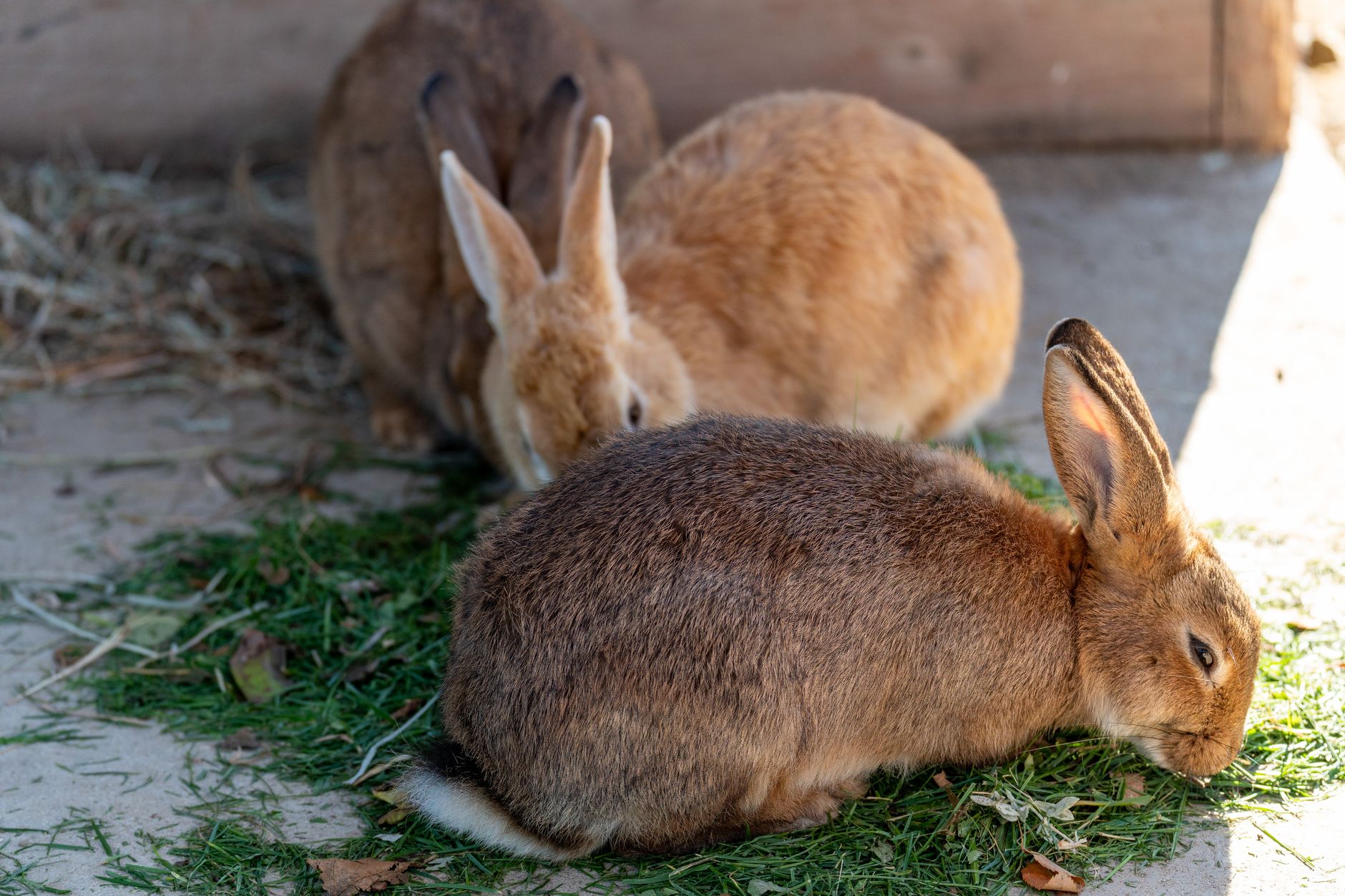
Can Rabbits Eat Straw Instead of Hay? Understanding the Dietary Needs of Your Lagomorph
While both straw and hay are bedding and forage options for rabbits, hay is the far superior and essential choice for their diet. Although can rabbits eat straw instead of hay as part of their environment, straw lacks the nutritional value necessary to support a rabbit’s health and well-being.
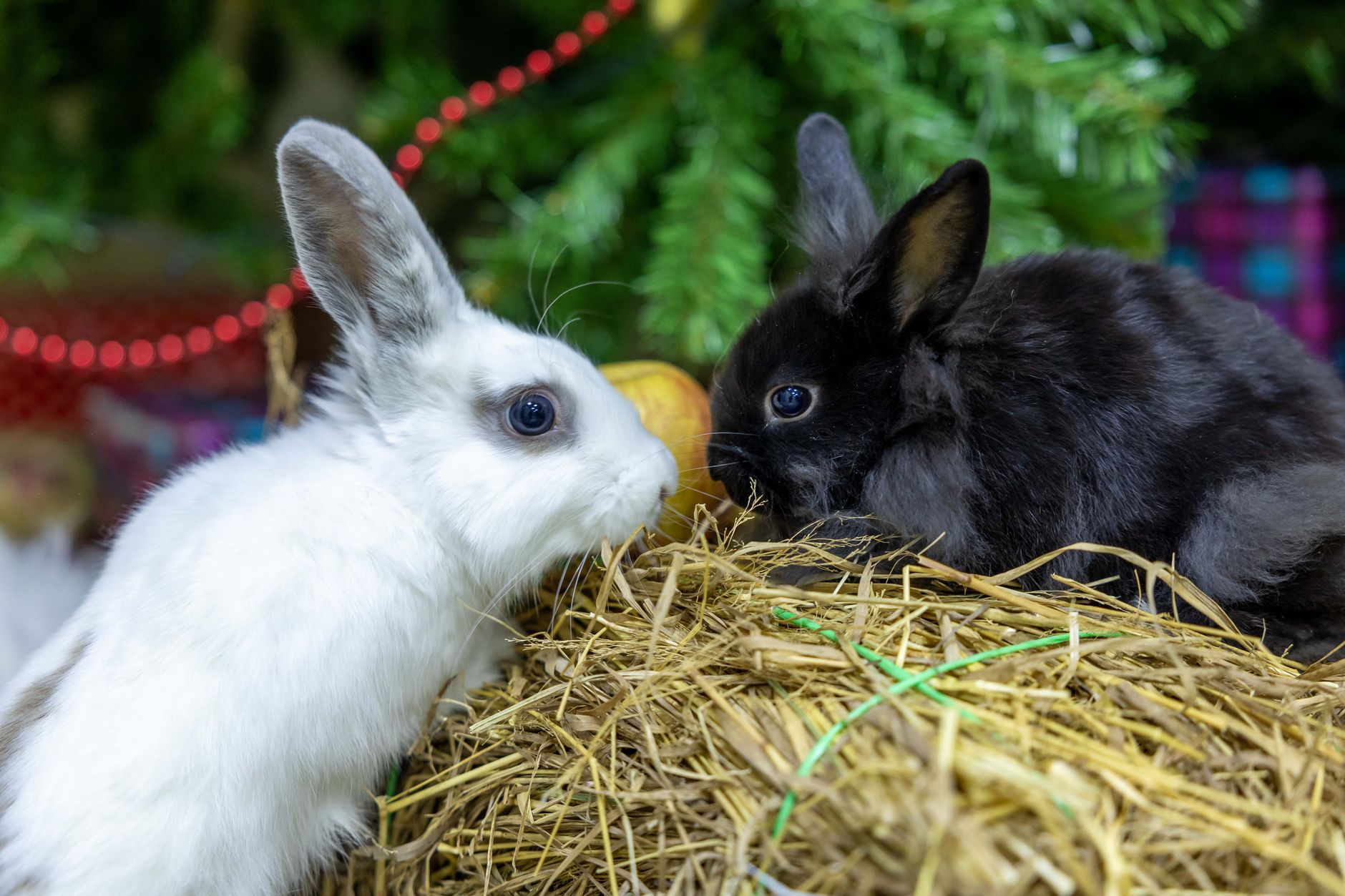
The Importance of Hay in a Rabbit’s Diet
Hay is the cornerstone of a healthy rabbit diet, comprising around 80-90% of their daily intake. It provides the crucial fiber needed for proper digestion and dental health. Without sufficient fiber, rabbits can develop serious health problems like gut stasis, a potentially fatal condition where the digestive system slows down or stops.
- Fiber for Digestion: Hay’s high fiber content keeps the digestive system moving, preventing blockages and promoting the growth of beneficial gut bacteria.
- Dental Health: Rabbits’ teeth are constantly growing, and the abrasive action of chewing hay helps to grind them down, preventing overgrown teeth and painful dental problems.
- Nutritional Value: Hay provides essential vitamins and minerals crucial for overall health.

What is the GREY African clawed frog?
Is distilled water good for goldfish?
What colours are fish most attracted to?
Can you put your finger in a trout's mouth?
Straw: Bedding, Not a Staple Food

Straw, on the other hand, is primarily used for bedding. It’s derived from the dried stalks of cereal grains (like wheat, barley, or oats) after the grain has been harvested. While straw can provide warmth and comfort, its nutritional value is significantly lower than that of hay.
- Low Nutritional Value: Straw is primarily composed of cellulose, offering minimal nutritional benefit.
- Poor Digestibility: While fiber exists in straw, it’s not the easily digestible type that rabbits require in large quantities.
- Risk of Impaction: Eating large amounts of straw can potentially lead to impaction in some rabbits, especially if they aren’t adequately hydrated.
Hay vs. Straw: A Nutritional Comparison
| Feature | Hay | Straw |
|---|---|---|
| Nutritional Value | High (fiber, vitamins, minerals) | Low (mostly cellulose) |
| Digestibility | High | Low |
| Primary Use | Food | Bedding |
| Dental Benefit | Excellent | Limited |
The Right Kind of Hay
Choosing the right type of hay is crucial. The best type for adult rabbits is Timothy hay, as it’s high in fiber and low in calcium and protein.
Other good options include:
- Orchard grass hay: A good alternative to Timothy hay, particularly for rabbits who are picky eaters.
- Oat hay: A good source of fiber and can be offered occasionally as a treat.
- Meadow hay: A mixture of different grasses and wildflowers, providing variety and nutrients.
Avoid alfalfa hay for adult rabbits, as it is too high in calcium and protein. It’s best suited for young, growing rabbits or pregnant/nursing does.
Offering Straw: When and How
While straw should never replace hay, it can be offered in small amounts as enrichment or part of their bedding. Rabbits enjoy chewing and burrowing in straw, providing mental stimulation.
- Limited Quantities: Only offer small amounts to prevent them from filling up on straw instead of hay.
- Clean and Dry: Ensure the straw is clean, dry, and free from mold or pesticides.
- Observe Your Rabbit: Monitor your rabbit’s droppings and behavior to ensure they are tolerating the straw well.
Common Mistakes
- Confusing Hay and Straw: Many people mistakenly believe that straw is an acceptable substitute for hay.
- Overfeeding Straw: Providing too much straw can lead to digestive problems and nutritional deficiencies.
- Neglecting Hay: Failing to provide an ample supply of fresh, high-quality hay is the most common and dangerous mistake.
- Using Moldy Hay or Straw: Moldy hay or straw can be toxic to rabbits and should never be offered.
Frequently Asked Questions (FAQs)
Can baby rabbits eat straw?
No, baby rabbits (also known as kits) primarily need their mother’s milk and then alfalfa hay due to its higher protein and calcium content for growth. Straw is not suitable for their nutritional needs.
Is it okay if my rabbit nibbles on their straw bedding?
A small amount of nibbling is generally fine, but ensure your rabbit is primarily consuming hay. If your rabbit is eating a large quantity of straw, reduce the amount offered and consult with your veterinarian.
What are the symptoms of gut stasis in rabbits?
Symptoms include a decreased appetite, reduced or absent fecal pellets, lethargy, and abdominal pain. If you suspect gut stasis, seek immediate veterinary attention.
My rabbit seems bored of hay. How can I encourage them to eat more?
Try offering different types of hay, such as Timothy, orchard grass, or oat hay. You can also hide hay in toys or sprinkle it around their enclosure to encourage foraging.
Can I use straw to line my rabbit’s litter box?
While some people use straw in litter boxes, it’s not the most absorbent option. Paper-based litters or wood pellets are generally more effective at controlling odor and moisture. However, a layer of hay on top of a more absorbent litter can encourage use.
Is all straw the same?
No, straw can come from different cereal grains, such as wheat, barley, or oats. The nutritional value and texture can vary slightly, but all types of straw are lower in nutrients compared to hay.
What if my rabbit refuses to eat hay?
First, rule out any underlying medical conditions with a vet visit. If no health issues exist, try offering different types of hay or mixing a small amount of pellets with the hay to entice them. Warm the hay slightly in the microwave for added aroma.
How often should I replace my rabbit’s hay?
Replace your rabbit’s hay daily to ensure it is fresh and clean. Remove any soiled or damp hay to prevent the growth of mold.
Is hay or straw more expensive?
Generally, straw is less expensive than hay. However, considering the nutritional value, hay is a much better investment for your rabbit’s health.
Can I compost straw after my rabbit has used it?
Yes, rabbit droppings and used straw bedding are excellent for composting. They provide valuable nutrients to the soil.
How should I store hay and straw?
Store hay and straw in a cool, dry place away from direct sunlight. Proper storage will prevent mold and preserve their quality.
What should I do if my rabbit gets impacted from eating too much straw?
Seek immediate veterinary attention. Your veterinarian can administer fluids and medications to help relieve the impaction and restore normal digestive function.