
What are the threats to the leopard? A Species Under Siege
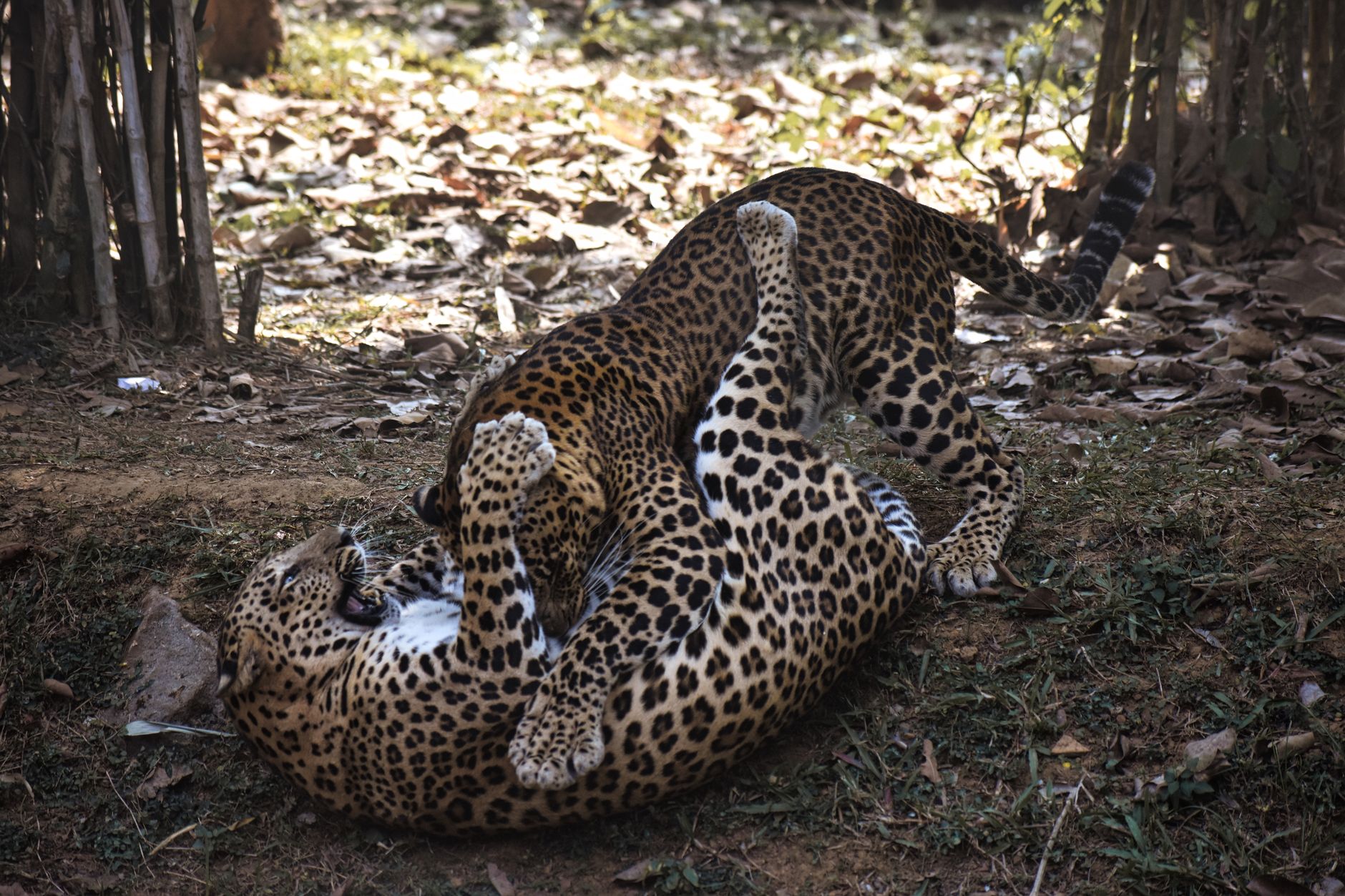
The leopard, Panthera pardus, faces a multitude of threats, primarily habitat loss, poaching for its skin and body parts, and human-wildlife conflict, pushing these magnificent creatures toward increasingly precarious circumstances. Understanding these dangers is crucial for effective conservation efforts.
Introduction: A Global Icon at Risk
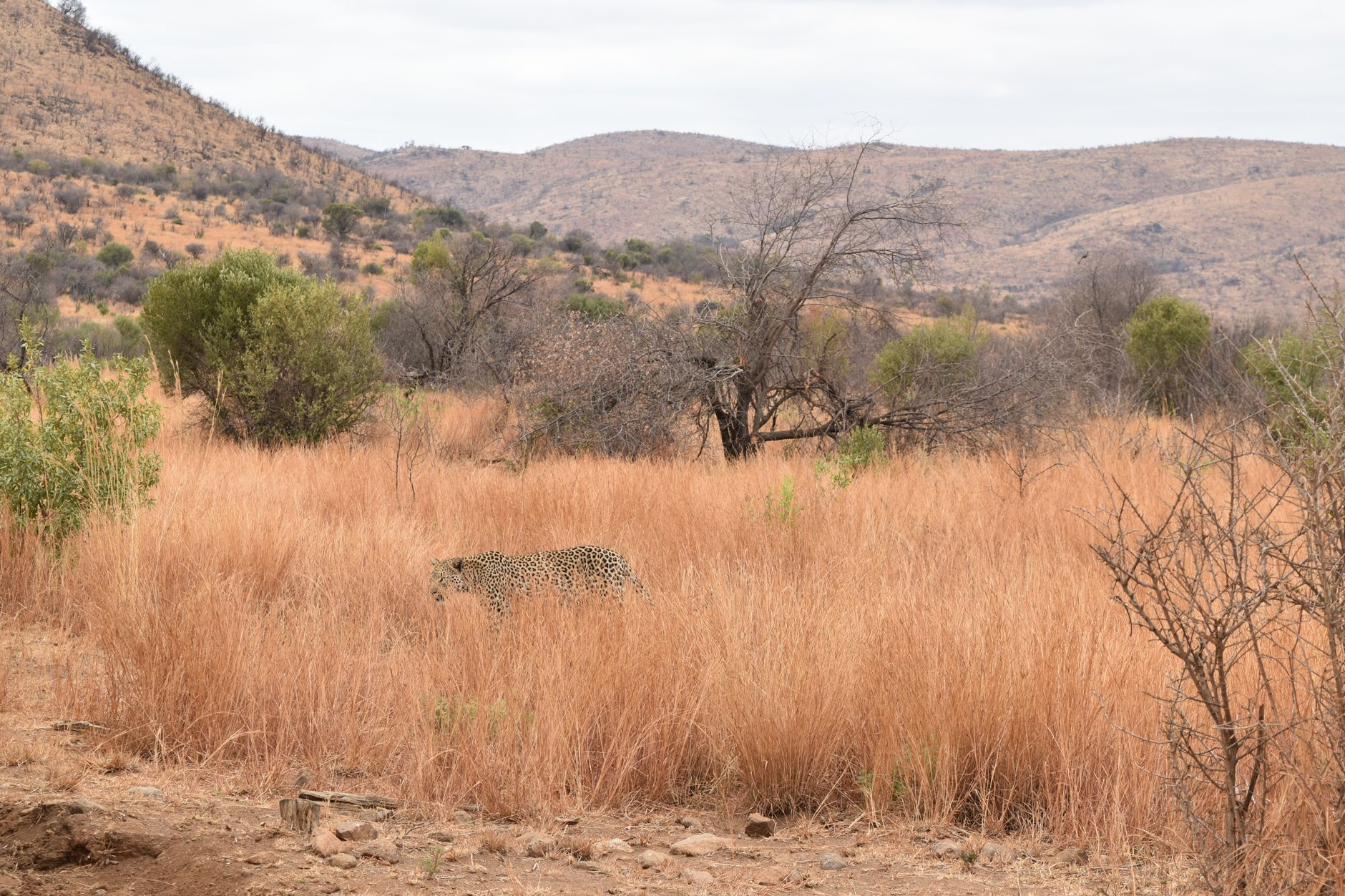
The leopard, a symbol of grace, power, and adaptability, roams across diverse landscapes from the savannas of Africa to the forests of Asia. However, this iconic species is facing unprecedented challenges. Once widespread, leopard populations are now fragmented and declining in many areas. Understanding what are the threats to the leopard? is the first step towards ensuring its survival. This article will delve into the complex web of dangers confronting these animals, exploring the root causes and offering potential solutions.

What colours are fish most attracted to?
Can you put your finger in a trout's mouth?
Is methylene blue anti bacterial?
Does aquarium salt raise pH in aquarium?
Habitat Loss and Fragmentation
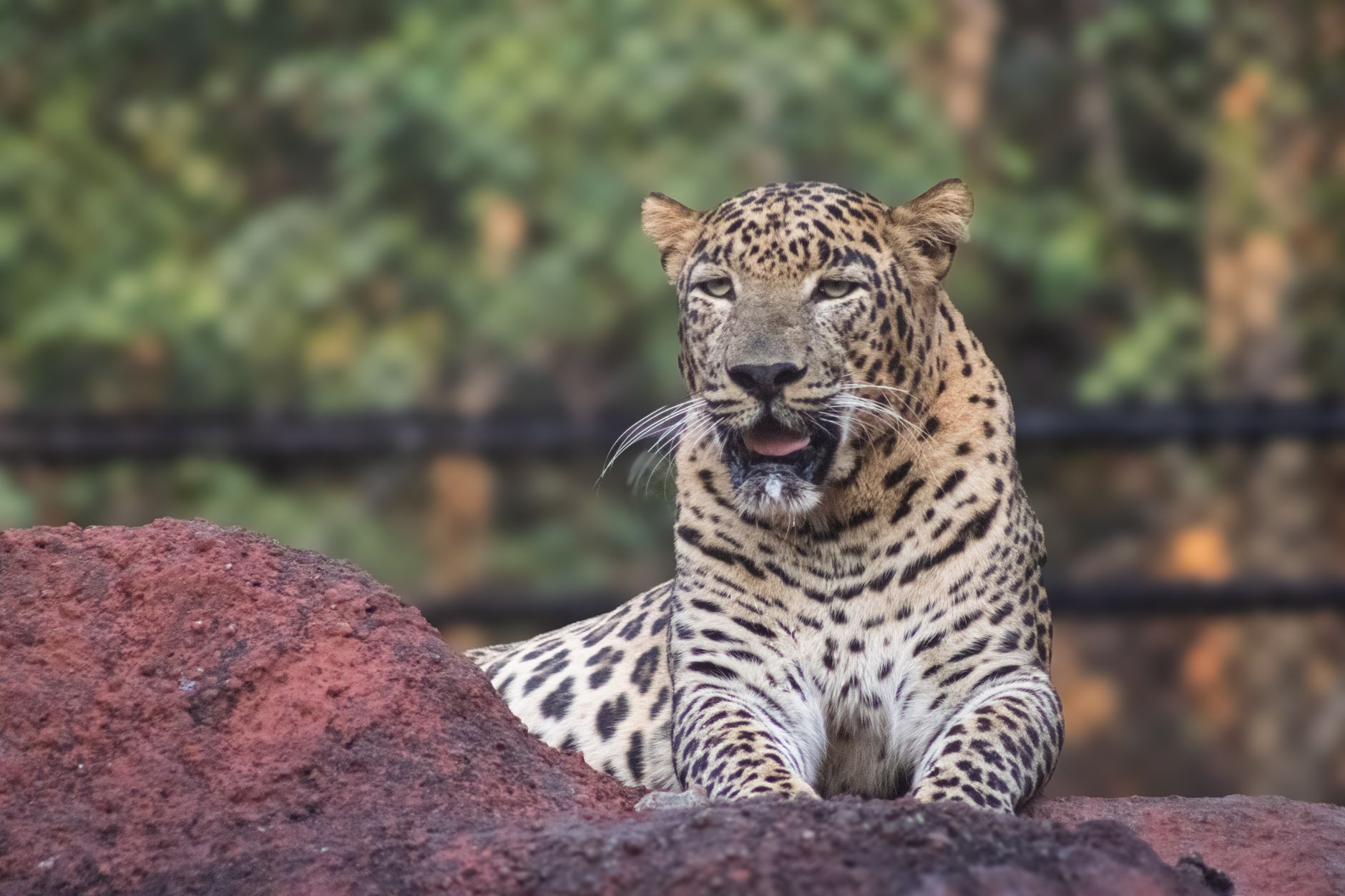
One of the most significant threats to leopard populations is habitat loss and fragmentation. As human populations grow and expand, natural habitats are converted into agricultural land, settlements, and infrastructure. This results in:
- Reduced prey availability: Leopards rely on sufficient prey populations to survive. Habitat loss disrupts ecosystems, leading to a decline in the availability of their natural food sources.
- Increased competition: As leopards are forced into smaller areas, competition for resources with other predators and even other leopards intensifies.
- Genetic isolation: Habitat fragmentation isolates leopard populations, reducing genetic diversity and making them more vulnerable to disease and environmental changes.
- Increased human interaction: As habitat shrinks, leopards are more likely to encounter humans and their livestock, leading to conflict.
Poaching and Illegal Wildlife Trade
Poaching remains a major threat to leopards, driven by demand for their skin, bones, and other body parts. These are used in traditional medicine, fashion, and as trophies.
- Demand for skins: Leopard skins are highly prized in some cultures, driving illegal hunting to supply the demand.
- Traditional medicine: Leopard bones and other body parts are used in traditional medicine in some parts of Asia, further fueling poaching.
- Opportunistic poaching: Leopards are sometimes caught in snares set for other animals, such as ungulates.
The illegal wildlife trade represents a significant challenge, with sophisticated networks involved in the trafficking of leopard parts across borders.
Human-Wildlife Conflict
As leopard habitats shrink and human populations expand, encounters between leopards and humans are becoming more frequent, leading to conflict.
- Livestock depredation: Leopards often prey on livestock, particularly in areas where their natural prey base has been depleted. This can lead to retaliatory killings by farmers and herders.
- Fear and perceived threat: Even in the absence of livestock depredation, the presence of leopards near human settlements can generate fear and resentment, leading to calls for their removal or extermination.
- Lack of awareness: Inadequate awareness and education about leopard behavior and conservation can exacerbate conflict.
Climate Change Impacts
Climate change is an emerging threat to leopards, altering their habitats and prey availability.
- Changes in vegetation: Shifts in rainfall patterns and temperatures can alter vegetation communities, impacting the availability of suitable habitat for leopards and their prey.
- Increased drought and wildfires: Droughts and wildfires can decimate prey populations and destroy leopard habitat.
- Shifts in prey distribution: As climate changes, prey species may shift their distribution, forcing leopards to adapt or face starvation.
Inadequate Conservation Efforts
In some regions, inadequate conservation efforts contribute to the decline of leopard populations.
- Lack of enforcement: Weak enforcement of anti-poaching laws and regulations can embolden poachers.
- Insufficient protected areas: A lack of adequately protected areas with effective management can leave leopards vulnerable to habitat loss and poaching.
- Limited funding: Insufficient funding for leopard conservation programs can hinder efforts to monitor populations, combat poaching, and mitigate human-wildlife conflict.
- Gaps in Research: Limited information can limit effective conservation measures.
Frequently Asked Questions (FAQs)
What are the main drivers of leopard poaching?
The main drivers of leopard poaching are demand for their skins, used in ceremonial attire and fashion, and their bones and other body parts, used in traditional medicine, particularly in Asia. Opportunistic poaching using snares intended for other animals also contributes to the problem.
How does habitat fragmentation affect leopard populations?
Habitat fragmentation isolates leopard populations, reducing genetic diversity and making them more vulnerable to disease and environmental changes. It also increases competition for resources and forces leopards to venture into human-dominated areas, leading to conflict.
What role does climate change play in threatening leopards?
Climate change alters leopard habitats by changing vegetation patterns, increasing the frequency of droughts and wildfires, and shifting the distribution of prey species. This can lead to reduced prey availability, habitat loss, and increased competition for resources.
How does human-wildlife conflict contribute to leopard mortality?
Human-wildlife conflict often results in the retaliatory killing of leopards by farmers and herders who have lost livestock to predation. Fear and perceived threat from leopards near human settlements can also lead to calls for their removal or extermination.
What measures can be taken to reduce livestock depredation by leopards?
Measures to reduce livestock depredation include: improving livestock husbandry practices (e.g., night-time corralling), using livestock guarding dogs, providing compensation for livestock losses, and implementing community-based conservation programs that benefit local communities.
Are there any successful leopard conservation programs in place?
Yes, there are several successful leopard conservation programs. These include: anti-poaching patrols, habitat protection and restoration, community-based conservation programs that engage local communities in conservation efforts, and research and monitoring programs to track leopard populations and their threats.
How can local communities be involved in leopard conservation?
Local communities can be involved in leopard conservation through: participating in anti-poaching patrols, monitoring leopard populations, protecting leopard habitat, and benefiting from ecotourism initiatives that generate income from leopard conservation. Community-based conservation programs can help foster a sense of ownership and responsibility for leopard conservation.
What is the impact of road construction on leopard populations?
Road construction can fragment leopard habitat, disrupt their movement patterns, increase the risk of road mortality, and facilitate poaching and illegal logging. It can also lead to increased human-wildlife conflict as roads bring people closer to leopard habitats.
How important is genetic diversity for leopard survival?
Genetic diversity is crucial for leopard survival as it allows them to adapt to changing environmental conditions, resist diseases, and avoid inbreeding. Reduced genetic diversity can make leopard populations more vulnerable to extinction.
What is being done to combat the illegal trade in leopard skins and body parts?
Efforts to combat the illegal trade in leopard skins and body parts include: strengthening law enforcement, increasing patrols in key areas, working with local communities to reduce demand for leopard products, and collaborating with international organizations to disrupt trafficking networks.
How can I contribute to leopard conservation?
You can contribute to leopard conservation by: supporting conservation organizations that work to protect leopards, raising awareness about the threats facing leopards, reducing your consumption of products that contribute to habitat loss, and advocating for stronger conservation policies. Even small actions can make a difference.
What are some of the biggest misconceptions about leopards?
Some common misconceptions about leopards include: that they are always a threat to humans, that they are abundant and not in need of conservation, and that they are easily relocated. It is important to educate people about the true nature of leopards and the challenges they face. Understanding what are the threats to the leopard? is critical to correcting these misperceptions.