
Why Do Goldfish Gasp? Unraveling the Mystery of Mouth Movements
Goldfish gasp because they are often struggling to get enough oxygen from their water; this behavior is a clear indicator that something is amiss with their environment or their health.
The Basics of Goldfish Respiration
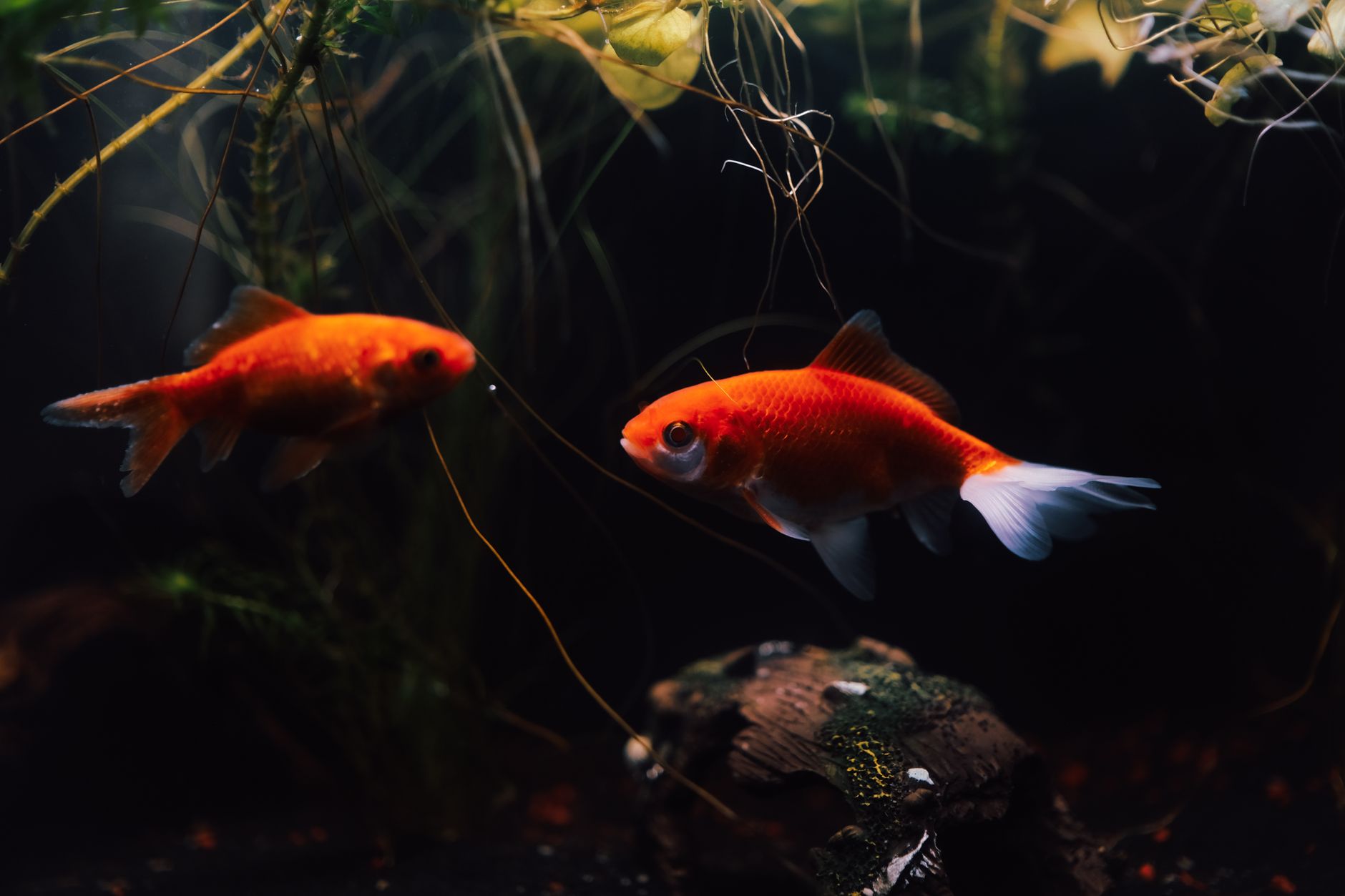
Goldfish, like all fish, rely on dissolved oxygen in the water to breathe. They extract this oxygen using their gills, specialized organs containing thin filaments rich in blood vessels. Water passes over these filaments, allowing oxygen to diffuse into the bloodstream, while carbon dioxide, a waste product of respiration, diffuses out. When this process is disrupted, goldfish may exhibit gasping behavior. The behavior is characterized by rapid, exaggerated opening and closing of the mouth, often near the surface of the water.
What is the GREY African clawed frog?
What colours are fish most attracted to?
Can you put your finger in a trout's mouth?
Is methylene blue anti bacterial?
Common Causes of Gasping

Numerous factors can contribute to a goldfish’s struggle to breathe. Understanding these causes is crucial for maintaining a healthy aquatic environment. Some of the more common reasons include:
-
Low Dissolved Oxygen: This is the most frequent culprit. Several factors can deplete oxygen levels, including:
- Overcrowding: Too many fish consume oxygen faster than it can be replenished.
- High Temperature: Warmer water holds less dissolved oxygen.
- Lack of Surface Agitation: Stagnant water inhibits oxygen exchange with the atmosphere.
- Overfeeding: Excess food decomposes, consuming oxygen in the process.
- Poor Filtration: Inadequate filtration leads to a buildup of organic waste, which consumes oxygen as it breaks down.
-
Poor Water Quality: High levels of ammonia, nitrite, or nitrate (byproducts of the nitrogen cycle) can irritate the gills and make it difficult for the fish to extract oxygen.
-
Gill Disease: Bacterial, fungal, or parasitic infections can damage the gills, hindering their ability to function properly.
-
Chlorine/Chloramine Toxicity: These chemicals, often found in tap water, are toxic to fish and can damage their gills.
-
Sudden Temperature Changes: Rapid fluctuations in water temperature can stress fish and affect their respiratory function.
Identifying the Underlying Issue
Before taking action, it’s crucial to identify the specific cause of the gasping. Start by observing your fish and testing the water parameters. Here’s a basic troubleshooting guide:
-
Observe Fish Behavior: Look for other symptoms besides gasping, such as lethargy, fin clamping, redness, or unusual swimming patterns.
-
Test Water Parameters: Use a reliable test kit to measure ammonia, nitrite, nitrate, pH, temperature, and dissolved oxygen.
-
Inspect Tank Conditions: Check for overcrowding, excessive algae growth, uneaten food, and proper filter function.
-
Consider Recent Changes: Have you recently added new fish, changed the water, cleaned the filter, or introduced any new decorations?
Immediate Actions to Take
Once you suspect a problem, take immediate steps to improve the situation. These actions can buy you time while you investigate the underlying cause.
- Increase Aeration: Add an air stone or bubbler to increase surface agitation and oxygen levels.
- Perform a Partial Water Change: Replace 25-50% of the water with fresh, dechlorinated water.
- Lower the Temperature: If the water is too warm, gradually lower the temperature by a few degrees.
- Reduce Feeding: Avoid overfeeding, as excess food will contribute to water quality issues.
Prevention is Key
Preventing gasping is always better than treating it. Follow these best practices to maintain a healthy environment for your goldfish:
- Maintain Proper Tank Size: Provide ample space for your fish to swim and reduce overcrowding.
- Regular Water Changes: Perform partial water changes weekly or bi-weekly to remove accumulated waste.
- Effective Filtration: Use a filter appropriate for the size of your tank and regularly clean it.
- Proper Feeding: Feed your fish a balanced diet and avoid overfeeding.
- Quarantine New Fish: Isolate new fish for several weeks to prevent the introduction of diseases.
- Monitor Water Parameters: Regularly test the water and address any imbalances promptly.
Understanding Water Parameters
Understanding water parameters and how they impact your goldfish is essential for their health. Below is a table summarizing key parameters and their ideal ranges:
| Parameter | Ideal Range | Potential Issues if Outside Range |
|---|---|---|
| Ammonia (NH3) | 0 ppm | Toxic to fish, causes gill damage, stress, and death. |
| Nitrite (NO2) | 0 ppm | Toxic to fish, interferes with oxygen uptake. |
| Nitrate (NO3) | <20 ppm | High levels can stress fish and contribute to algae growth. |
| pH | 6.5-7.5 | Extreme pH levels can burn gills and cause distress. |
| Dissolved Oxygen (DO) | >6 ppm | Low oxygen levels cause gasping, lethargy, and suffocation. |
| Temperature | 65-72°F (18-22°C) | Extreme temperatures can stress fish and affect their metabolism. |
Frequently Asked Questions (FAQs)
Why does my goldfish gasp only at the surface of the water?
This strongly suggests a lack of dissolved oxygen near the bottom of the tank. The surface is where oxygen exchange with the air occurs, so the goldfish is seeking the most oxygen-rich area. Increasing surface agitation with an air stone or filter will help.
Why is my goldfish gasping even after a water change?
A water change is only effective if the new water is properly treated (dechlorinated) and is the correct temperature. Also, it addresses the immediate problem, but might not solve the underlying issue if the filter isn’t working correctly or if the tank is overcrowded. Check your water parameters.
Is gasping always a sign of low oxygen?
While low oxygen is the most common reason, other factors, such as gill disease or exposure to toxins like ammonia, can also cause gasping. Observe your fish closely for other symptoms.
How can I increase oxygen levels in my goldfish tank?
The easiest ways to increase oxygen levels are by adding an air stone, using a filter that agitates the surface of the water, and ensuring proper water circulation. Maintaining a cooler water temperature also helps.
Can overfeeding cause goldfish to gasp?
Yes, absolutely. Uneaten food decomposes and depletes oxygen in the water, contributing to the problem. It also raises ammonia levels. Feed your goldfish only what they can consume in a few minutes.
Why are my goldfish gasping after I cleaned the filter?
Cleaning the filter can disrupt the beneficial bacteria that break down waste. If you clean the filter too thoroughly, you may remove too many bacteria, leading to an ammonia spike, which can cause gasping. Rinse filter media gently in used tank water to preserve these bacteria.
What is the ideal temperature for goldfish?
Goldfish thrive in cooler water, ideally between 65-72°F (18-22°C). Higher temperatures reduce dissolved oxygen and increase their metabolism, which can lead to increased oxygen demand.
How often should I perform water changes in my goldfish tank?
A good rule of thumb is to perform 25-50% water changes weekly or bi-weekly, depending on the size of the tank and the number of fish. Monitor water parameters regularly to determine the appropriate frequency.
What kind of filter is best for goldfish?
A filter with biological, mechanical, and chemical filtration capabilities is ideal. Sponge filters, hang-on-back filters, and canister filters are all good options, depending on the size of your tank.
Why do my goldfish gasp after adding a new decoration to the tank?
New decorations can sometimes leach harmful chemicals into the water, causing gasping. Always rinse new decorations thoroughly before adding them to the tank. It is best to source decorations from reputable pet stores to avoid unforeseen issues.
Can stress cause goldfish to gasp?
Yes, stress can increase a goldfish’s oxygen demand and make them more susceptible to other health problems. Avoid sudden changes in water parameters, excessive handling, and overcrowding to minimize stress.
My goldfish isn’t gasping constantly, but it does so occasionally. Is this still a problem?
Even occasional gasping can be a sign of an underlying issue. It’s best to investigate and address any potential problems before they worsen. Check water parameters, observe your fish for other symptoms, and take appropriate action.