
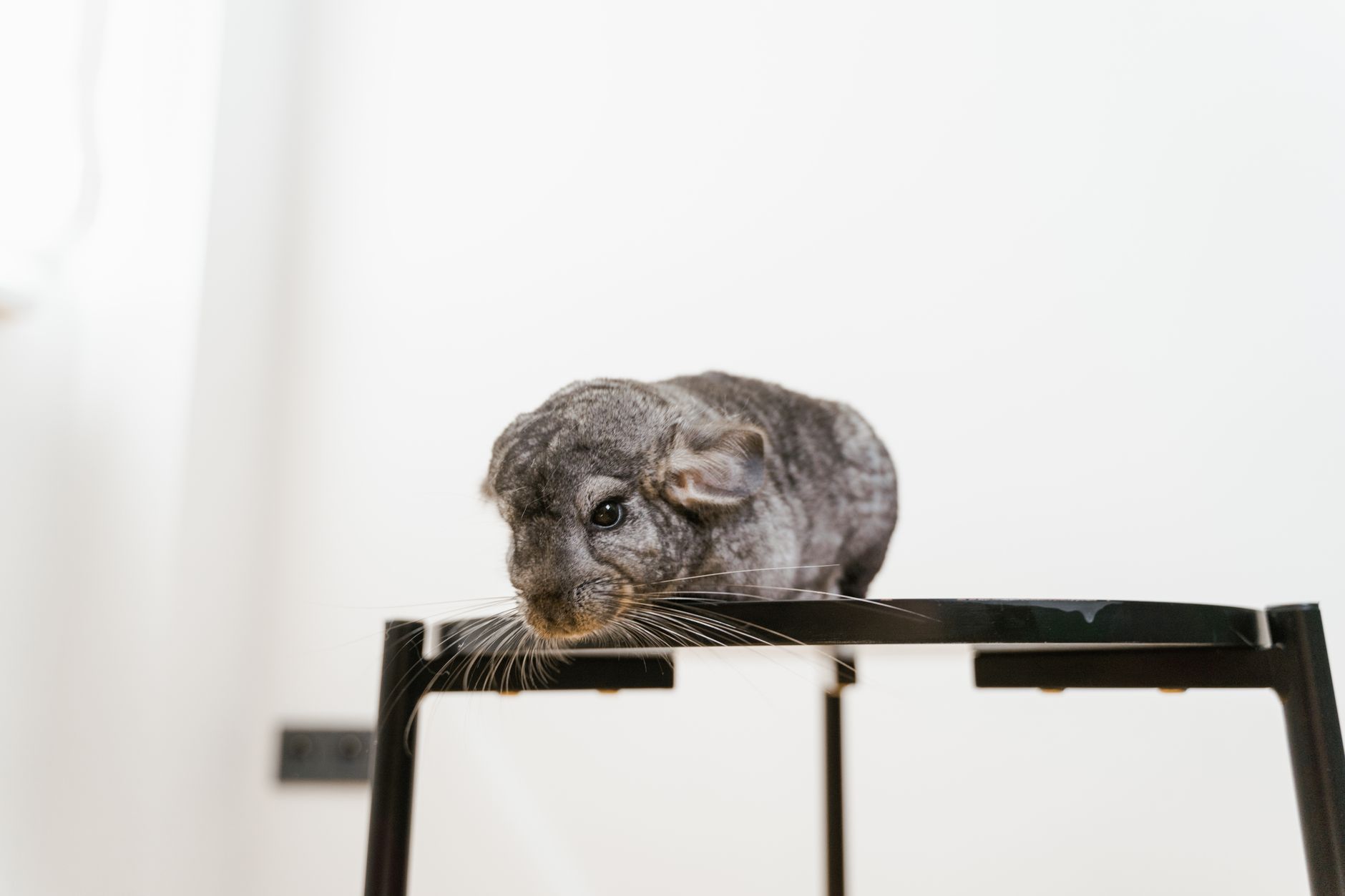
Do Chinchillas Fight or Play?: Deciphering Their Interactions
Chinchillas, with their endearing personalities, often engage in behaviors that can be misinterpreted. This article will explain how to understand the nuanced differences between chinchilla play and fighting, ensuring the well-being of your fuzzy friends.
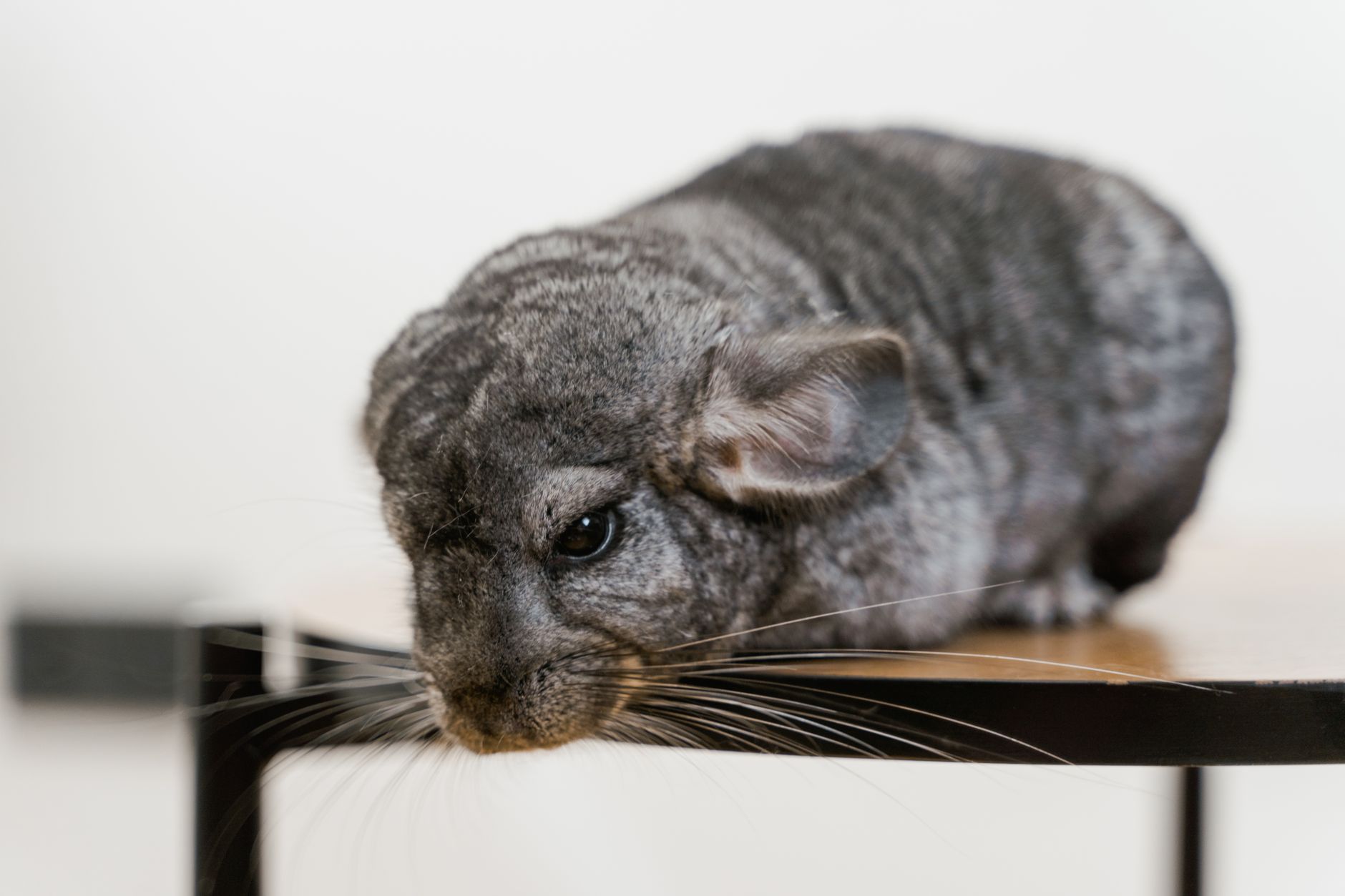
Introduction: Decoding Chinchilla Behavior
Understanding the social dynamics of chinchillas is crucial for responsible pet ownership. While seemingly gentle, their interactions can range from playful chases to territorial disputes. Learning to differentiate between chinchilla play and aggression allows you to intervene when necessary and provide a safe and enriching environment for your pets. This requires careful observation and an understanding of their body language, vocalizations, and social structures.

What colours are fish most attracted to?
Can you put your finger in a trout's mouth?
Is methylene blue anti bacterial?
Does aquarium salt raise pH in aquarium?
Playful Behavior in Chinchillas

Play is an essential part of a chinchilla’s well-being. It allows them to exercise, socialize, and develop crucial skills. Distinguishing play from aggression requires observing the context and specific behaviors involved.
- Signs of Playful Behavior:
- Chasing and Tagging: Lighthearted pursuits with no signs of aggression.
- Popcorning: Jumping and bouncing excitedly in the air.
- Grooming Each Other: Social bonding and mutual care.
- Exploration: Investigating new toys or environments with curiosity.
- Play Nipping: Gentle nibbles that don’t break the skin.
Play is usually accompanied by relaxed body language and a general sense of ease. Chinchillas at play will often take turns chasing each other and exhibit no signs of distress.
Aggressive Behavior in Chinchillas
Aggression in chinchillas can stem from various factors, including territoriality, resource guarding, or fear. It’s important to address aggressive behaviors promptly to prevent injury and maintain a harmonious environment. It’s vital to distinguish between chinchilla play and fighting to avoid unnecessary intervention and address real conflict effectively.
- Signs of Aggressive Behavior:
- Fur Slipping: Releasing clumps of fur as a defense mechanism.
- Chattering and Teeth Baring: A warning sign of imminent attack.
- Biting: Forceful and painful bites that break the skin.
- Hissing and Growling: Vocalizations indicating displeasure and aggression.
- Chasing with Intent to Harm: Relentless pursuit with aggressive intent.
Aggressive encounters are often characterized by tense body language, pinned-back ears, and vocalizations such as hissing or growling.
Factors Influencing Chinchilla Behavior
Several factors can influence a chinchilla’s behavior, including its personality, social hierarchy, and environment. Understanding these factors can help you create a more harmonious living situation for your pets.
- Personality: Each chinchilla has its unique temperament and personality. Some are naturally more playful and social, while others may be more reserved or territorial.
- Social Hierarchy: Chinchillas establish social hierarchies within their groups, which can sometimes lead to conflicts as they establish dominance.
- Environment: A stressful or overcrowded environment can increase the likelihood of aggressive behavior. Providing ample space, hiding places, and enrichment activities can help reduce stress and promote positive interactions.
How to Introduce Chinchillas Successfully
Introducing new chinchillas can be a delicate process. A gradual introduction can help minimize the risk of aggression.
- Quarantine: Keep the new chinchilla in a separate cage for at least two weeks to monitor for signs of illness.
- Scent Swapping: Exchange bedding or toys between the cages to allow the chinchillas to get used to each other’s scent.
- Supervised Introductions: Allow the chinchillas to interact in a neutral space under close supervision for short periods.
- Gradual Increase in Time: Gradually increase the amount of time the chinchillas spend together as they become more comfortable with each other.
- Separate Feeding Areas: Provide separate feeding areas to prevent resource guarding.
Addressing Aggression Between Chinchillas
If you observe aggressive behavior between your chinchillas, it’s crucial to intervene safely and effectively.
- Separate the Chinchillas: Immediately separate the chinchillas to prevent further injury.
- Identify the Cause: Determine the underlying cause of the aggression, such as territoriality or resource guarding.
- Modify the Environment: Provide more space, hiding places, and enrichment activities to reduce stress and competition.
- Re-introduce Gradually: Re-introduce the chinchillas gradually, following the steps outlined above.
- Consult a Veterinarian: If the aggression persists, consult a veterinarian or experienced chinchilla breeder for further guidance.
Understanding Chinchilla Communication
Chinchillas communicate through a combination of body language, vocalizations, and scent marking. Understanding these communication signals can help you better interpret their behavior.
- Body Language: Posture, ear position, and tail movements can all convey important information about a chinchilla’s mood and intentions.
- Vocalizations: Chinchillas use a variety of vocalizations, including barks, chirps, and growls, to communicate with each other.
- Scent Marking: Chinchillas use scent marking to establish their territory and communicate with other chinchillas.
By paying attention to these communication signals, you can gain a deeper understanding of your chinchillas’ social dynamics and prevent misunderstandings. Ultimately, knowing the nuances of chinchilla play and fighting comes down to careful observation and understanding individual personalities.
Common Mistakes in Interpreting Chinchilla Behavior
It’s easy to misinterpret chinchilla behavior, especially if you’re new to owning these animals. Here are some common mistakes to avoid:
- Assuming All Chasing is Aggression: Chasing can be a normal part of play, as long as it’s not accompanied by other signs of aggression.
- Ignoring Subtle Warning Signs: Pay attention to subtle warning signs, such as flattened ears or tense body language, which may indicate escalating aggression.
- Intervening Unnecessarily: Sometimes, chinchillas need to work out their own social hierarchy. Only intervene if there is a risk of injury.
- Failing to Provide Adequate Enrichment: Boredom and lack of stimulation can lead to increased aggression. Provide plenty of toys and opportunities for exercise.
By avoiding these common mistakes, you can better understand your chinchillas’ behavior and create a more harmonious environment.
Are chinchilla bites dangerous?
Chinchilla bites can be painful, as they have strong teeth, but are not inherently dangerous. However, any bite that breaks the skin carries a risk of infection, so it’s important to clean the wound thoroughly with soap and water and seek medical attention if you notice any signs of infection, such as redness, swelling, or pus.
Why is my chinchilla biting its cage?
Cage biting can be a sign of boredom, stress, or dental problems. Ensure your chinchilla has plenty of toys and opportunities for exercise to alleviate boredom. A vet visit is warranted to rule out any dental issues. Increasing social interaction can also assist in lessening cage biting behaviours.
How much space do chinchillas need?
Chinchillas need a multi-tiered cage that is at least 3 feet wide, 2 feet deep, and 3 feet high. Providing ample vertical space is crucial, as chinchillas love to climb and jump. It is important to ensure your pets do not feel crammed within their living area.
What are the signs of a stressed chinchilla?
Signs of a stressed chinchilla include excessive grooming (leading to fur loss), hiding, refusing to eat, and aggressive behavior. Providing a quiet, stable environment and addressing any potential stressors can help alleviate stress.
How often should I clean my chinchilla’s cage?
You should spot clean your chinchilla’s cage daily, removing droppings and soiled bedding. A thorough cleaning should be done weekly, replacing all bedding and disinfecting the cage.
What toys are safe for chinchillas?
Safe toys for chinchillas include wooden chew toys, untreated pine cones, pumice stones, and cardboard boxes. Avoid plastic toys, as they can be chewed and ingested. Regularly rotate their toys to maintain interest and enrichment.
Can chinchillas live alone?
While chinchillas can live alone, they are social animals and generally thrive in pairs or small groups. If you choose to keep a single chinchilla, it’s important to provide plenty of attention and interaction to meet its social needs. Keeping a lone chinchilla often needs more time devoted to ensuring its quality of life.
What is “fur slipping” and why does it happen?
Fur slipping is a defense mechanism where a chinchilla releases clumps of fur when threatened or stressed. It’s a natural response to avoid predation, but it can also be triggered by rough handling or fighting.
How do I stop my chinchillas from fighting?
To stop chinchillas from fighting, first separate them immediately. Then, identify the cause of the aggression. Provide more space, hiding places, and enrichment. Re-introduce them gradually, and consider consulting a veterinarian or breeder for advice.
Are some chinchillas just naturally more aggressive?
Yes, like all animals, chinchillas have individual personalities. Some are naturally more docile, while others may be more territorial or aggressive. Understanding your chinchilla’s individual personality is key to managing its behavior.
What’s the best way to pick up a chinchilla without causing stress?
Gently scoop up the chinchilla with one hand under its chest and the other supporting its hindquarters. Avoid grabbing it by the tail or fur, as this can cause pain and stress, potentially resulting in fur slip.
How can I tell if my chinchillas are bonded?
Signs of bonding between chinchillas include grooming each other, sleeping together, and engaging in playful activities together. They will generally exhibit relaxed body language when near each other. If you observe these bonding behaviours, it’s a good sign they are living harmoniously.