

Why Do Deer Check Scrapes? Unraveling the Mysteries of Cervid Communication
Deer check scrapes primarily to gather and disseminate information about other deer in the area, playing a vital role in mating success and maintaining social hierarchy. These scent-marking stations act as a bulletin board, allowing bucks to assess does’ readiness to breed and challenge other bucks for dominance.
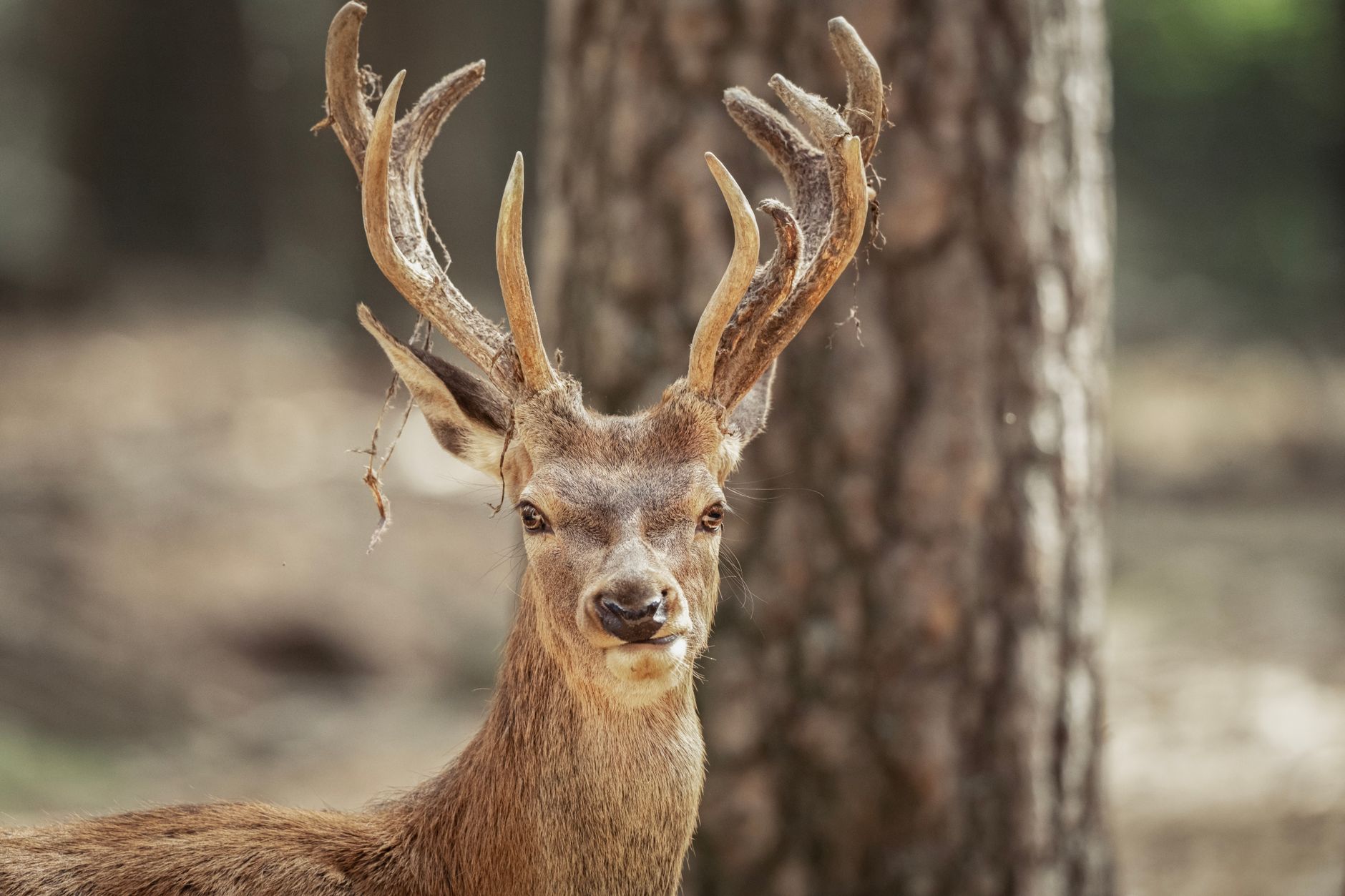
The Scented Crossroads: An Introduction to Deer Scrapes
Deer scrapes are far more than just pawed-up patches of ground. They’re meticulously constructed communication hubs, strategically placed throughout a deer’s territory. These olfactory billboards serve as a central point for deer to exchange vital information, influencing their social interactions and, ultimately, their reproductive success. Understanding the nuances of scrape behavior provides invaluable insights into the complex world of deer communication. Why do deer check scrapes? Because they are vital to understanding the complex social dynamics of deer populations.

What colours are fish most attracted to?
Can you put your finger in a trout's mouth?
Is methylene blue anti bacterial?
Does aquarium salt raise pH in aquarium?
Anatomy of a Scrape
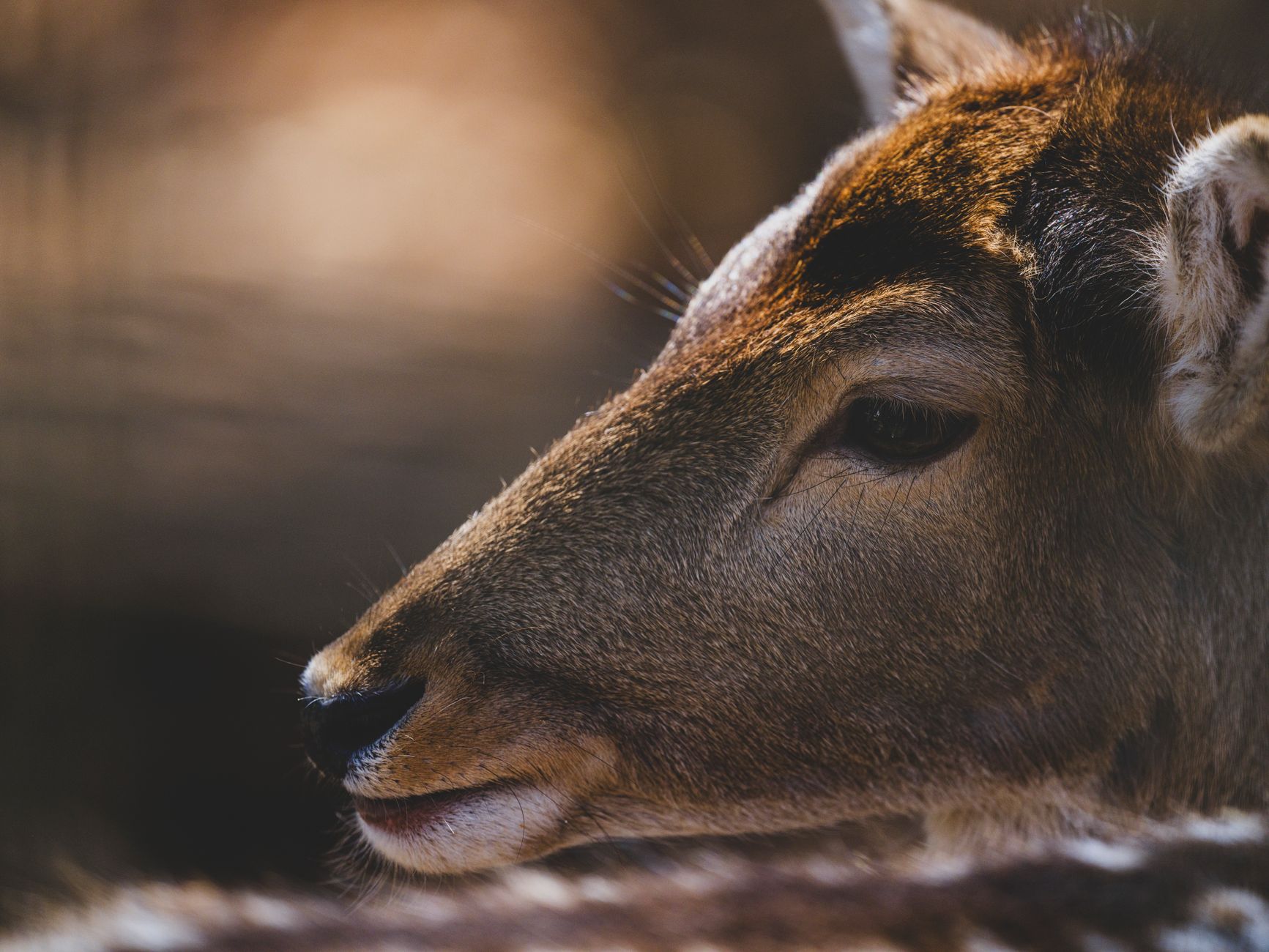
A typical scrape isn’t just a random bare spot. It’s a carefully constructed area, usually consisting of two key components:
- The Ground Scrape: A bare patch of ground, typically under a licking branch, pawed clear of leaves and debris by a buck. This exposes the bare earth for scent deposition.
- The Licking Branch: An overhanging branch, often 4-6 feet above ground, that bucks and does alike lick and rub their forehead glands on, depositing scent.
Sometimes, several scrapes are clustered together forming a scrape line. These are often located along trails or field edges where deer frequently travel, maximizing their exposure.
The Multi-Faceted Benefits of Scrape Checking
Why do deer check scrapes? The answer lies in the diverse information these scent posts provide. The benefits are wide-ranging:
- Buck Dominance: Scrapes allow bucks to announce their presence and claim territory. The frequency of scrape visits, size of the scrape, and intensity of scent marking can all signal a buck’s dominance to rivals.
- Doe Estrus Communication: Does leave scent at scrapes indicating their estrous cycle stage. Bucks can then assess when a doe is receptive to breeding.
- General Deer Census: Scrapes function as a social hub, allowing individual deer to monitor the local deer population composition. This information informs decisions about resource use and social interaction.
- Family Unit Territory Marking: While primarily a buck behavior, does and even fawns will visit scrapes, reinforcing their family unit’s territory.
The Scrape Checking Process: A Step-by-Step Guide
The scrape checking process isn’t a simple sniff-and-go operation. Deer employ a sequence of behaviors:
- Approach: Deer approach the scrape cautiously, often pausing to scan their surroundings for potential threats.
- Scent Assessment: The deer intensely sniffs the ground scrape, analyzing the complex cocktail of scents deposited by previous visitors.
- Licking Branch Interaction: The deer may then reach up to lick and rub its forehead glands on the licking branch, both leaving its own scent and gathering additional information.
- Scent Deposition (Bucks): If a buck is present, it will often re-paw the ground scrape and urinate on it, leaving its own scent signature. This is often referred to as rub-urination.
- Departure: The deer departs the scrape, potentially using the same route it arrived or choosing a different path.
Common Mistakes in Interpreting Scrape Behavior
While scrapes provide valuable information, interpreting them correctly is crucial. Here are some common pitfalls:
- Assuming All Scrapes are Equal: Scrapes vary in size, frequency of use, and location. Dominant bucks tend to create larger, more frequently visited scrapes in strategic locations.
- Ignoring the Context: Scrape activity fluctuates throughout the year, peaking during the pre-rut and rut phases. Understanding the seasonal context is crucial.
- Attributing all Scrape Activity to Bucks: Does also visit scrapes, albeit less frequently than bucks. Their visits serve a different purpose, primarily related to estrus communication.
- Ignoring Other Communication Signals: Scrapes are just one piece of the puzzle. Deer also communicate through vocalizations, body language, and rubs on trees. A holistic approach is essential.
Table: Seasonal Scrape Activity
| Season | Scrape Activity Level | Primary Purpose |
|---|---|---|
| Spring | Low | Establishing initial territory boundaries |
| Summer | Moderate | Maintaining territory and social ranking |
| Pre-Rut | High | Identifying doe estrus and challenging rivals |
| Rut | Very High | Breeding and maintaining dominance |
| Post-Rut | Declining | Maintaining dominance hierarchy in winter groups |
| Late Winter | Low | Minimal territorial behavior |
Frequently Asked Questions (FAQs) about Deer Scrapes
What exactly is rub-urination, and why is it important?
Rub-urination is a specific behavior exhibited primarily by bucks, where they urinate down their legs onto their tarsal glands while pawing the scrape. This behavior deposits a potent scent cocktail that conveys information about the buck’s dominance, health, and breeding status. It’s a highly effective way for bucks to mark their territory and communicate with other deer.
How do deer benefit from licking branches above scrapes?
Licking branches are crucial because they provide a shared scent repository. Both bucks and does deposit scent from their forehead glands onto the branch. This allows deer to gather information about a wider range of individuals without directly encountering them.
Can I use artificial scents to attract deer to scrapes?
Yes, using artificial scents can be effective. Scents that mimic buck urine or doe estrus attractants can be used. However, consider local hunting regulations regarding scent use. Success depends on choosing the right scent for the time of year and using it sparingly.
How does scrape density (number of scrapes per area) affect deer behavior?
High scrape density generally indicates a healthy, competitive deer population. It can also signal a greater degree of territoriality and social interaction among bucks. The presence of numerous scrapes can attract more deer to the area, potentially increasing hunting opportunities.
Are all deer scrapes located on the ground?
While ground scrapes are the most common, deer sometimes create secondary scrapes on fallen logs or other elevated surfaces. These are less frequent but still serve as communication points.
Do does create scrapes, or is this solely a buck behavior?
While bucks primarily create and maintain scrapes, does do visit and sometimes mark scrapes. Their scent depositions are primarily related to communicating their estrus cycle to potential mates.
How does weather affect scrape activity?
Weather plays a significant role. Rain can wash away scents, temporarily reducing scrape activity. Bucks will often re-establish scrapes after rainfall. Extreme cold can also limit activity.
How can I identify a primary scrape versus a secondary scrape?
Primary scrapes are usually larger, more frequently visited, and located in strategic locations. They often have a well-worn trail leading to them and are consistently maintained. Secondary scrapes are smaller, less frequently visited, and often located in less prominent areas.
Why do deer return to the same scrape locations year after year?
Deer exhibit site fidelity, often returning to the same locations year after year because these areas are naturally travel corridors, have suitable licking branches, and have been proven effective for communication in the past. The established scent post becomes a familiar landmark.
Can I use trail cameras to monitor scrape activity?
Absolutely! Trail cameras are an excellent tool for monitoring scrape activity. They allow you to observe which deer are visiting the scrapes, the frequency of visits, and the behaviors they exhibit. This information can be invaluable for understanding local deer dynamics and improving hunting strategies.
How far away from a scrape can a buck detect the scent?
The distance a buck can detect a scrape depends on factors like weather conditions, wind direction, and the intensity of the scent. Generally, they can detect the scent from several hundred yards away, especially with a favorable wind.
Why do some scrapes have multiple licking branches?
The presence of multiple licking branches at a single scrape indicates a high degree of activity and competition. It suggests that several deer are using the scrape, and each is vying for dominance or seeking information.
Understanding why deer check scrapes is crucial to improving your knowledge of deer behavior. Scrapes are not just holes in the ground, but vital communication tools.