

Do Garden Snails Go Into Hibernation? Unveiling Their Winter Strategies
Garden snails do indeed go into a state of dormancy, often referred to as hibernation or, more accurately, aestivation if triggered by hot and dry conditions, to survive unfavorable environmental conditions.

Introduction: The Secret Life of Garden Snails
The humble garden snail, often seen munching on our prized plants, leads a surprisingly complex life. We typically encounter them during periods of damp weather, but what happens when winter arrives, or conversely, when summer scorches the earth? Do garden snails go into hibernation? The answer, as we’ll discover, is a resounding yes, albeit with some nuances. Their survival hinges on a fascinating adaptation that allows them to weather extreme conditions by entering a state of suspended animation. This article delves into the fascinating world of snail dormancy, exploring the processes, triggers, and survival strategies employed by these resilient creatures.

Is distilled water good for goldfish?
What colours are fish most attracted to?
Can you put your finger in a trout's mouth?
Is methylene blue anti bacterial?
Why Snails Need to Hibernate (or Aestivate)
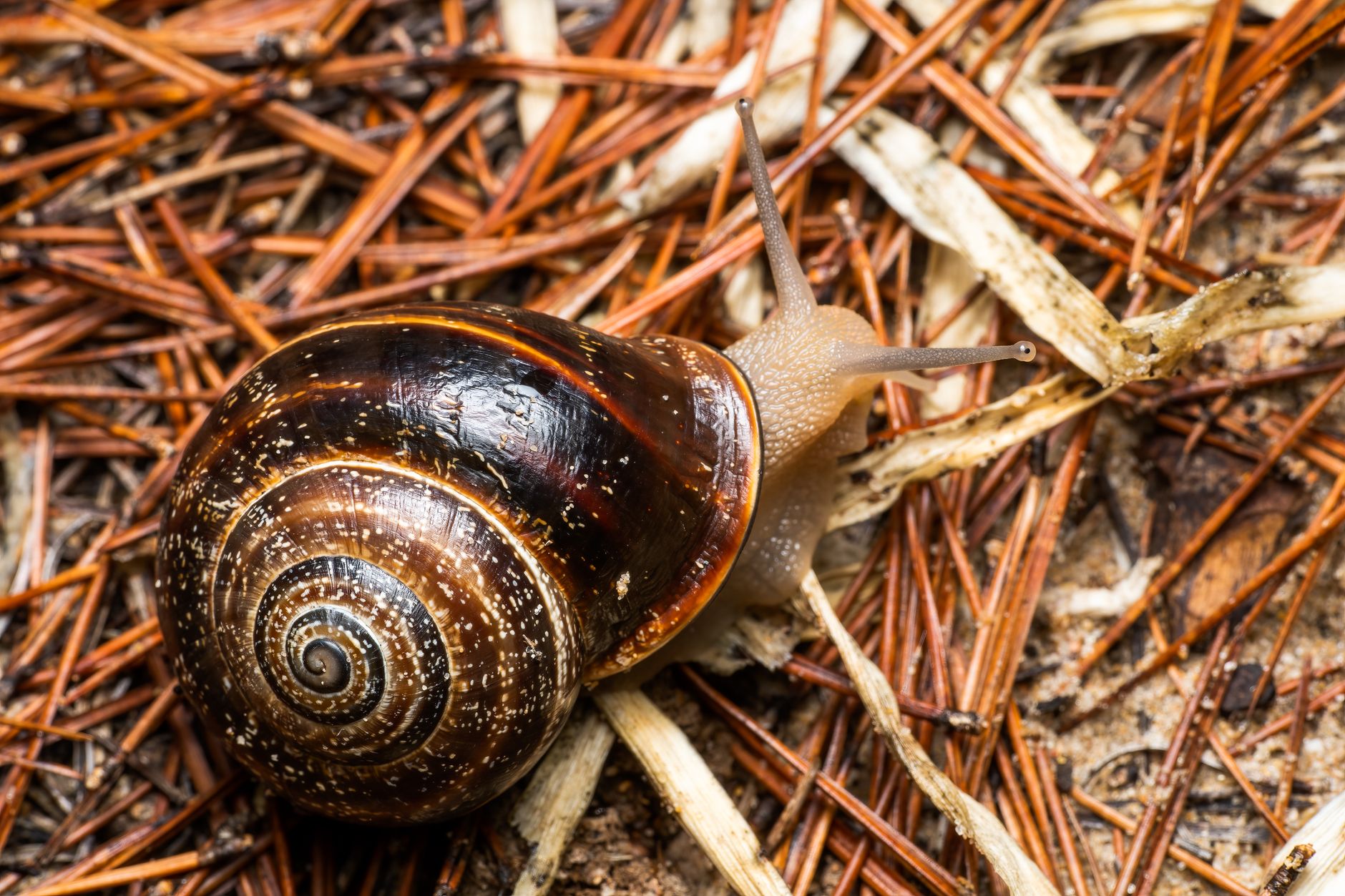
Snails are particularly vulnerable to desiccation – drying out. They require a moist environment to thrive. Unlike mammals or birds, they lack the physiological mechanisms to efficiently regulate their internal temperature and prevent water loss. Therefore, extreme temperatures, both hot and cold, pose a significant threat.
- Cold Weather: Freezing temperatures can cause the snail’s internal fluids to crystallize, leading to cell damage and death.
- Hot Weather: High temperatures and low humidity result in rapid water loss, jeopardizing the snail’s delicate internal balance.
To combat these threats, snails have evolved the ability to enter a state of dormancy, dramatically reducing their metabolic rate and conserving energy and moisture.
The Process of Snail Hibernation/Aestivation
The process of dormancy in snails isn’t simply “falling asleep.” It’s a carefully orchestrated physiological response triggered by environmental cues.
-
Finding a Suitable Location: The snail seeks a sheltered location, often under rocks, logs, leaf litter, or even buried slightly underground. This provides some insulation against temperature extremes and protection from predators.
-
Sealing the Shell: The snail withdraws into its shell and secretes a layer of epiphragm, a hardened mucus that seals the shell opening. This barrier significantly reduces water loss and provides some insulation. The epiphragm is often strengthened with calcium carbonate from the soil.
-
Slowing Metabolism: Once sealed within its shell, the snail dramatically slows its metabolic rate. Heart rate and respiration decrease, and energy consumption is minimized.
-
Waiting it Out: The snail remains in this dormant state until environmental conditions improve. This can last for weeks, months, or even years, depending on the severity and duration of the unfavorable conditions.
What Triggers Hibernation and Aestivation?
While both processes result in a dormant state, the triggering factors differ.
| Trigger | Condition | State |
|---|---|---|
| Decreasing Temps | Cold Weather | Hibernation |
| Increasing Temps | Hot, Dry Weather | Aestivation |
Common Mistakes & Helping Snails
Sometimes well-intentioned gardeners inadvertently disrupt hibernating snails. Be cautious when:
- Clearing leaf litter in autumn or spring: This can expose hibernating snails to the elements and predators.
- Turning over rocks or logs: Check underneath for sleeping snails before disturbing their shelter.
- Moving potted plants: Snails may have taken refuge in the soil.
You can help snails by:
- Providing shelter: Leave piles of leaves, rocks, or logs in your garden.
- Watering during dry spells: This helps prevent aestivation.
- Avoiding pesticides: Many pesticides are harmful to snails.
Frequently Asked Questions (FAQs)
Can snails hibernate in water?
No, snails cannot hibernate in water. They need access to air, even in their dormant state. While some aquatic snails can survive in cold water, the garden snail (Cornu aspersum) is a land snail that relies on atmospheric oxygen. Submerging a hibernating garden snail will eventually lead to its death by drowning.
How long can a garden snail hibernate/aestivate?
The duration of hibernation or aestivation depends on the severity and length of the unfavorable conditions. Snails can typically survive for several months in a dormant state. In extreme cases, some snails have been known to survive for over a year, although this is exceptional and requires ample energy reserves.
Do all snails hibernate at the same time?
No, not all snails hibernate at the same time. The timing of hibernation and aestivation varies depending on several factors, including the local climate, individual snail’s health, and availability of suitable shelter. Younger or less healthy snails might enter dormancy sooner than larger, more robust individuals.
What happens if I disturb a hibernating snail?
Disturbing a hibernating snail can be detrimental. It forces the snail to expend valuable energy reserves to wake up and find a new shelter. This can reduce its chances of surviving the winter or summer. If you accidentally disturb a snail, gently re-bury it in a similar location, ensuring it’s covered with leaf litter or soil.
How do snails breathe when they’re hibernating?
Snails breathe through a pneumostome, a small opening on the right side of their body. Even when the shell is sealed with an epiphragm, a small gap remains, allowing for minimal gas exchange. Their reduced metabolic rate means their oxygen requirements are significantly lower during hibernation, so minimal respiration is sufficient.
Do snails eat during hibernation/aestivation?
No, snails do not eat during hibernation or aestivation. They rely entirely on stored energy reserves to survive this period. They build up these reserves during periods of activity when food is plentiful.
What is the difference between hibernation and aestivation?
While both hibernation and aestivation are forms of dormancy, the main difference lies in the triggering factor. Hibernation is triggered by cold temperatures, while aestivation is triggered by hot, dry conditions. Both involve a reduction in metabolic rate and inactivity, but the physiological adaptations may differ slightly.
How do snails know when to come out of hibernation?
Snails respond to a combination of environmental cues. Rising temperatures and increased humidity are strong indicators that conditions are improving. The snail then absorbs water to soften the epiphragm, eventually breaking through the seal and emerging from its dormant state.
Are there any snails that don’t hibernate?
While most snails in temperate climates undergo some form of dormancy, the extent of hibernation can vary. In very mild climates, some snails may remain active throughout the year, although their activity level may be reduced during colder periods. Tropical snails may not experience true hibernation but may aestivate during dry seasons.
Can I keep hibernating snails as pets?
Keeping hibernating snails as pets is possible, but it requires careful management. You need to replicate their natural environment by providing a suitable container with moist soil, leaf litter, and shelter. Ensure the container is kept in a cool, dark location. However, remember that removing snails from their natural habitat can disrupt local ecosystems.
Do baby snails hibernate?
Yes, baby snails do hibernate. They are even more vulnerable to temperature and humidity fluctuations than adult snails, so entering a state of dormancy is crucial for their survival. Their smaller size means they need to find especially sheltered locations.
What is the epiphragm made of?
The epiphragm is a mixture of mucus, calcium carbonate, and sometimes soil. The mucus provides the initial sealant, while the calcium carbonate, often obtained from the soil, strengthens the barrier and reduces water loss. The composition can vary slightly depending on the snail species and the available resources.