
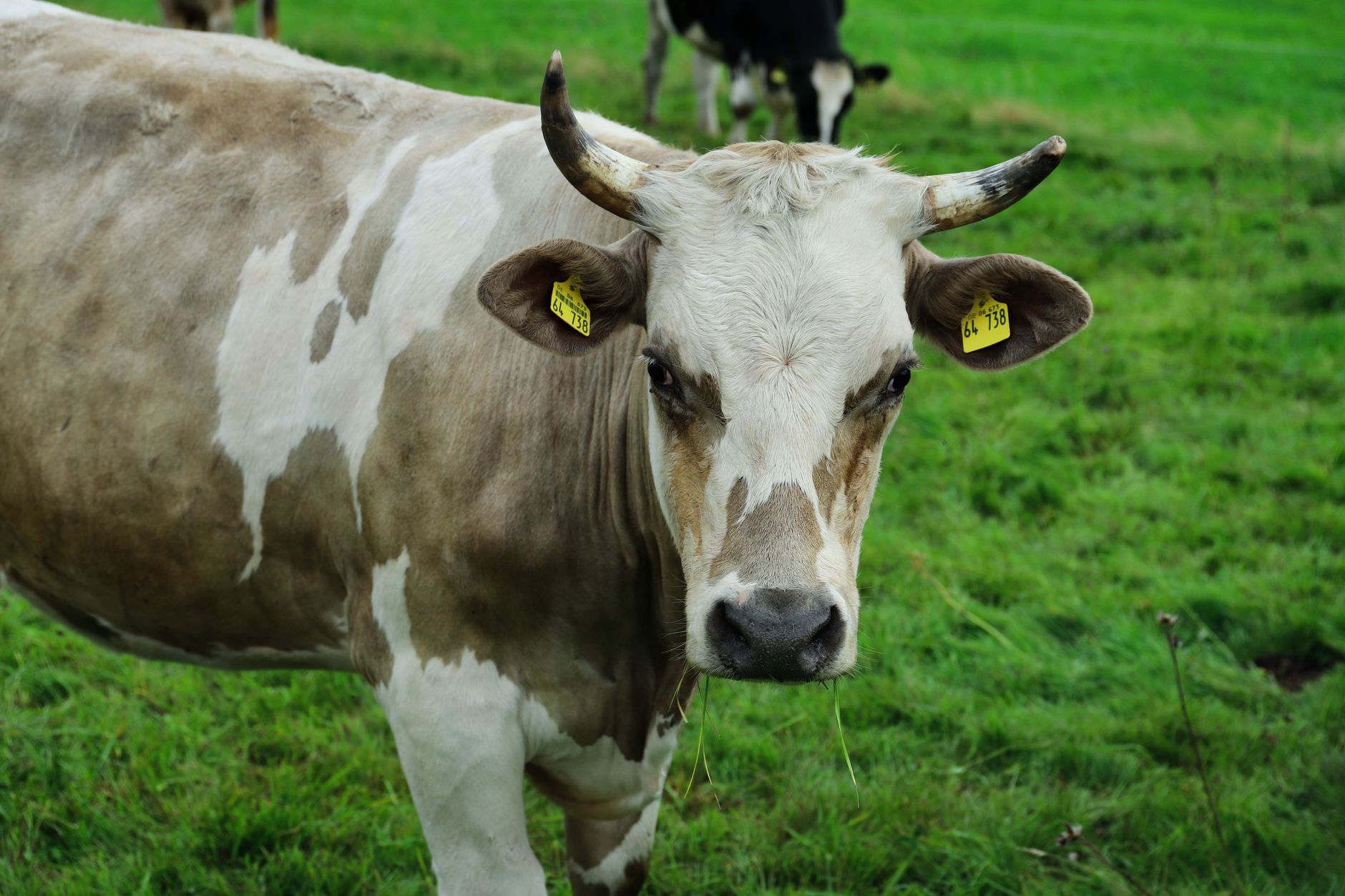
Why Do Cows Become Aggressive? Understanding Bovine Behavior and Preventing Conflict
Cows become aggressive due to a complex interplay of factors, primarily stemming from their natural instincts to protect their young and establish social dominance, often exacerbated by human management practices and environmental stressors; understanding these drivers is crucial for ensuring both human and animal safety.

Introduction: The Gentle Giant Myth
Cows, often romanticized as docile creatures grazing peacefully in meadows, can, on occasion, exhibit aggressive behavior. While they are generally gentle herbivores, certain circumstances can trigger defensive or offensive actions. Understanding the reasons why do cows become aggressive is essential for farmers, ranchers, veterinarians, and anyone who interacts with these animals. By recognizing the triggers and implementing appropriate management strategies, we can minimize the risk of injury and promote a safer environment for both humans and livestock.

What colours are fish most attracted to?
Can you put your finger in a trout's mouth?
Is methylene blue anti bacterial?
Does aquarium salt raise pH in aquarium?
Maternal Instincts: Protecting Their Calves

One of the primary reasons why do cows become aggressive is their maternal instinct. A cow fiercely protects her calf, especially during the first few weeks after birth. This is a natural and powerful drive to ensure the survival of her offspring.
- Cows may become aggressive towards anyone perceived as a threat to their calf, including humans, other animals, or even vehicles.
- Signs of maternal aggression include: raised tail, lowered head, stomping feet, and vocalizations (e.g., bellowing).
- The intensity of maternal aggression can vary depending on the individual cow’s temperament and previous experiences.
Social Hierarchy: Establishing Dominance
Cows are social animals that live in herds with a defined social hierarchy. Dominance is established and maintained through displays of aggression, such as head-butting, pushing, and threatening postures.
- The social hierarchy determines access to resources like food, water, and resting areas.
- New arrivals to a herd often face challenges to their position and may be subjected to aggression.
- The frequency and intensity of aggressive interactions tend to decrease once the social hierarchy is established.
Environmental Stressors: Contributing Factors
Environmental factors can significantly influence a cow’s behavior and contribute to aggression. Stressful conditions can lower a cow’s tolerance threshold, making them more likely to react defensively.
- Overcrowding: Limited space can lead to increased competition and aggression, especially in confined environments like feedlots.
- Heat stress: High temperatures can cause discomfort and irritability, increasing the likelihood of aggressive interactions.
- Poor nutrition: Inadequate food or water can lead to frustration and aggression, particularly when resources are scarce.
- Pain or illness: Cows experiencing pain or illness may become more defensive and aggressive.
Human Management Practices: Impact on Behavior
Human handling and management practices can also play a significant role in why do cows become aggressive. Negative experiences with humans can create fear and distrust, leading to defensive behavior.
- Rough handling: Physical abuse or aggressive restraint techniques can create lasting fear and aggression.
- Inconsistent routines: Unpredictable feeding schedules or handling procedures can cause stress and anxiety.
- Separation from calves: Forced separation of cows and calves can be highly stressful and trigger aggressive behavior.
- Lack of space during transport: Confined trailers can lead to stress and competition, increasing the risk of aggression.
Preventing Aggression: Management Strategies
Minimizing aggression in cows requires a proactive approach that addresses the underlying causes. Implement strategies to reduce stress and promote positive interactions.
- Provide adequate space: Ensure sufficient space for cows to move freely and avoid overcrowding.
- Offer a balanced diet: Provide access to high-quality feed and water to meet their nutritional needs.
- Use low-stress handling techniques: Employ gentle and patient handling methods to minimize fear and anxiety.
- Protect cows from heat stress: Provide shade, water misters, or other cooling devices during hot weather.
- Minimize separation of cows and calves: Allow for extended periods of bonding between cows and calves, especially during the first few weeks of life.
Recognizing Warning Signs: Avoiding Injury
Being able to recognize the warning signs of aggression is crucial for avoiding injury. Pay attention to body language and behavior to identify potential threats.
- Body language: Raised tail, lowered head, stomping feet, staring, and pawing the ground.
- Vocalizations: Bellowing, snorting, and grunting.
- Behavior: Blocking pathways, approaching aggressively, and head-butting.
The Role of Breed and Genetics: Influencing Temperament
While environmental and management factors are crucial, breed and genetics can also influence a cow’s temperament. Some breeds are generally known for being more docile, while others are more prone to aggression.
- Bos taurus: Breeds like Angus and Hereford are generally considered more docile than Bos indicus breeds.
- Bos indicus: Breeds like Brahman are known for their heat tolerance but can also be more temperamental.
- Selective breeding: Farmers can selectively breed for desirable traits, including temperament, to reduce aggression in their herds.
The Impact of Early Experiences: Shaping Future Behavior
A cow’s early experiences can have a lasting impact on their behavior. Positive interactions with humans during their formative years can help create a more trusting and docile animal.
- Habituation: Exposing calves to human interaction from a young age can help them become accustomed to people.
- Positive reinforcement: Using positive reinforcement techniques, such as offering treats, can create positive associations with humans.
- Avoidance of aversive stimuli: Minimizing exposure to stressful or painful experiences can help prevent the development of fear and aggression.
Frequently Asked Questions (FAQs)
Why are some cows more aggressive than others?
Differences in aggression levels can be attributed to a combination of factors including genetics, breed, past experiences, and individual temperament. Cows that have experienced negative interactions with humans or other animals, or those that are genetically predisposed to higher levels of aggression, are more likely to exhibit aggressive behaviors.
What should I do if a cow is charging at me?
If a cow is charging, remain calm, avoid direct eye contact (as this can be seen as a challenge), and slowly back away. If possible, put a barrier between yourself and the cow, such as a fence or vehicle. Do not turn your back and run, as this can trigger a chase response.
Are male or female cows more likely to be aggressive?
Bulls (uncastrated male cattle) are generally more aggressive than cows (female cattle) due to higher levels of testosterone and their inherent drive to establish dominance. However, cows can also be aggressive, especially when protecting their calves. Steers (castrated male cattle) are typically the least aggressive.
How can I tell if a cow is about to become aggressive?
Look for warning signs such as raised tail, lowered head, stomping feet, snorting, staring directly at you, and pawing the ground. These are all indications that the cow is agitated and may be preparing to attack.
Can cows become aggressive if they are hungry or thirsty?
Yes, hunger and thirst can contribute to aggression in cows. When resources are scarce, cows may become more competitive and aggressive in their attempts to access food and water.
Is it safe to approach a cow with a calf?
Approaching a cow with a calf can be extremely dangerous. Cows are fiercely protective of their offspring and may become highly aggressive if they perceive you as a threat. It is best to avoid approaching them altogether, especially during the first few weeks after the calf is born.
What is the best way to handle aggressive cows?
The best approach is prevention. However, if you must handle an aggressive cow, use low-stress handling techniques and avoid causing pain or fear. Use a solid barrier between yourself and the cow, and work with experienced handlers.
Do cows ever become aggressive towards other cows?
Yes, aggression within a herd is common as cows establish and maintain their social hierarchy. This aggression typically involves head-butting, pushing, and other displays of dominance. The intensity often decreases once the hierarchy is settled.
How does overcrowding contribute to aggression in cows?
Overcrowding leads to increased competition for resources and limited personal space, which can cause stress and frustration. This, in turn, can lead to increased aggression as cows compete for food, water, and resting areas. Adequate space is crucial for reducing stress and aggression.
Can pain or illness make a cow more aggressive?
Yes, cows experiencing pain or illness may become more defensive and aggressive. Pain can lower their tolerance threshold and make them more likely to react aggressively to perceived threats.
How can I make my farm safer for both cows and humans?
Prioritize low-stress handling, adequate space, proper nutrition, and regular health checks. Train staff on recognizing warning signs and handling techniques, and avoid situations that may trigger aggression. Good farm management is key to safety.
Are some breeds of cows more docile than others?
Yes, there are breed differences in temperament. Angus and Hereford are generally considered more docile than Brahman breeds. Choosing appropriate breeds for your management style and environment can significantly impact the overall temperament of your herd. Understanding why do cows become aggressive involves recognizing this breed variation.