
How Long Can Betta Fish Live in the Cup? Understanding Betta Survival
The absolute maximum amount of time a Betta fish should remain in a cup is no more than a few days, but even that is extremely stressful and detrimental to their health.
Introduction: The Plight of the Cup-Dwelling Betta
The image of a Betta, or Siamese Fighting Fish, languishing in a small plastic cup on a pet store shelf is sadly common. While convenient for display and transport, these cups are a far cry from the natural habitat these vibrant fish need to thrive. Understanding the limitations of this environment is crucial for responsible Betta ownership. This article aims to shed light on just how long can Betta fish live in the cup? and, more importantly, why it’s a question we should be actively trying to avoid. We’ll explore the challenges the cup presents, the detrimental effects on the fish, and how to ensure a healthier and happier life for your Betta.

What fish is Flo?
How intelligent are fish?
Are fish heads good for the garden?
Can fish hear water?
The Harsh Realities of Cup Confinement
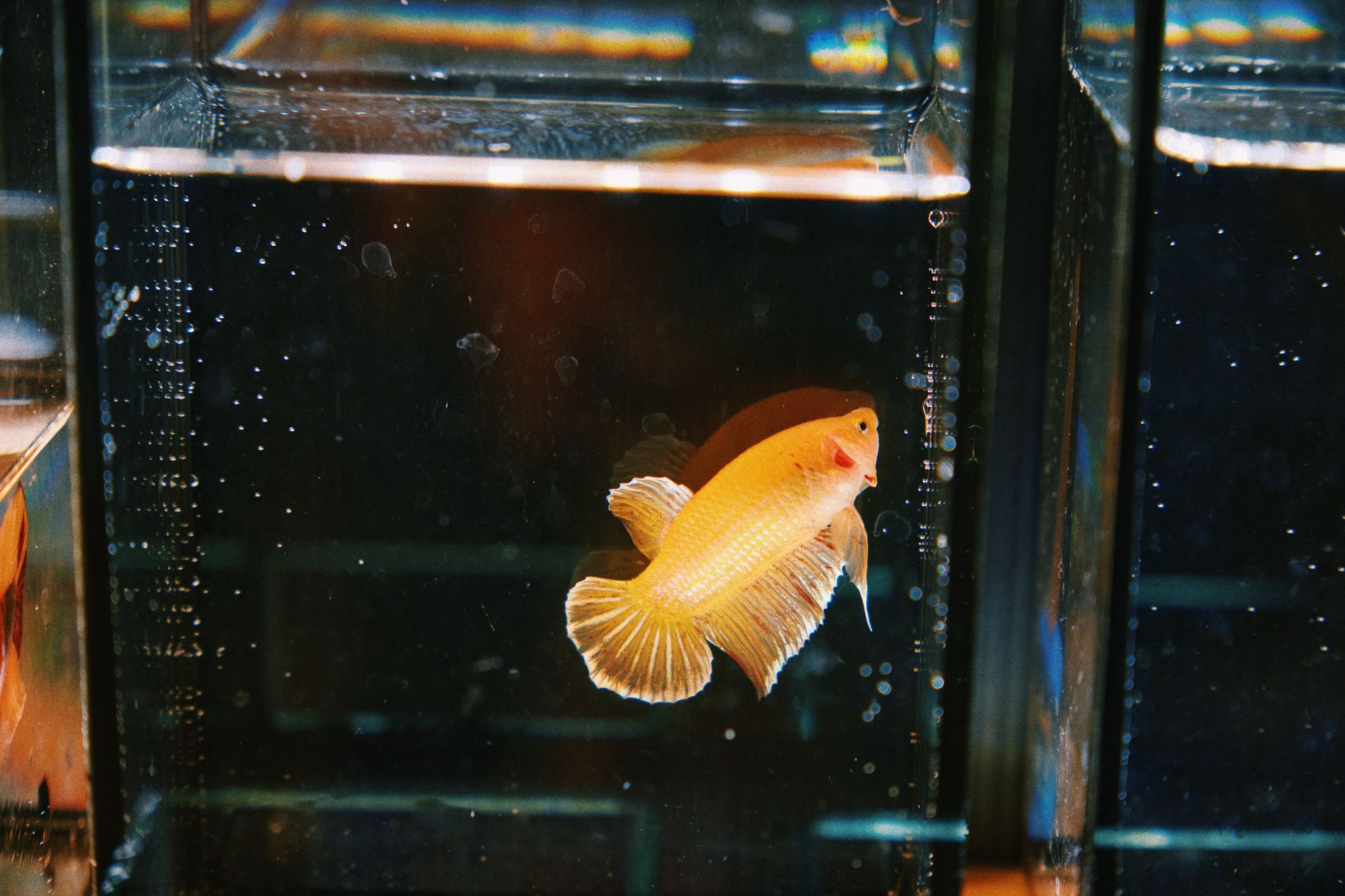
The tiny cups Betta fish are often sold in create a multitude of problems for their health and well-being. These issues directly impact how long can betta fish live in the cup? and the overall quality of their life.
- Water Quality Degradation: Small volumes of water are highly susceptible to rapid fluctuations in temperature and a buildup of toxins like ammonia and nitrites, byproducts of fish waste.
- Restricted Space: Bettas, while territorial, still require space to swim and explore. The confined space hinders their natural behaviors and causes stress.
- Lack of Enrichment: Cups offer no environmental enrichment, leading to boredom, lethargy, and even depression.
- Temperature Instability: Small volumes of water cool down or heat up very rapidly, making it difficult to maintain a stable and optimal temperature for the fish.
The Detrimental Effects on Betta Health
Prolonged exposure to the conditions inside a cup can lead to a range of health problems in Betta fish. The cumulative effect of these stressors significantly reduces their lifespan and quality of life.
- Weakened Immune System: Chronic stress compromises the immune system, making Bettas more susceptible to diseases such as fin rot, ich (white spot disease), and fungal infections.
- Fin Rot: Poor water quality is a major cause of fin rot, a bacterial infection that erodes the fins.
- Lethargy and Depression: Confinement and lack of stimulation can lead to lethargy, loss of appetite, and decreased activity levels.
- Stunted Growth: Young Bettas kept in cups may experience stunted growth due to poor water quality and limited space.
- Reduced Lifespan: The combined effect of stress and health problems significantly reduces the lifespan of Bettas kept in cups for extended periods.
From Cup to Kingdom: Providing a Better Life
Moving a Betta from a cup to a suitable aquarium is crucial for its health and well-being. Here are the key steps to ensure a smooth transition:
- Choose the Right Tank: A minimum of 5 gallons is recommended for a single Betta. Larger tanks (10 gallons or more) provide even greater benefits.
- Cycle the Tank: Before adding the Betta, the tank must be properly cycled to establish beneficial bacteria that will break down waste products. This process takes several weeks.
- Temperature Control: Bettas thrive in a temperature range of 78-82°F (25-28°C). Use a reliable aquarium heater to maintain this temperature.
- Water Quality Monitoring: Regularly test the water parameters (ammonia, nitrite, nitrate, pH) to ensure they are within safe levels.
- Provide Enrichment: Add decorations such as plants, rocks, and driftwood to provide hiding places and stimulate the Betta.
- Proper Feeding: Feed your Betta a high-quality diet of Betta pellets or flakes, supplemented with occasional treats like bloodworms or brine shrimp.
Comparing Cup Life to Tank Life
The following table highlights the stark differences between the conditions in a cup and a proper aquarium:
| Feature | Cup Environment | Aquarium Environment |
|---|---|---|
| Water Volume | Extremely Small (a few ounces) | Adequate (5 gallons or more) |
| Water Quality | Rapidly Declining, High in Toxins | Stable, Maintained by Filtration & Water Changes |
| Temperature | Fluctuates Rapidly | Stable, Controlled by Heater |
| Space | Severely Limited | Ample Room for Swimming and Exploration |
| Enrichment | None | Abundant Hiding Places, Plants, Decorations |
| Impact on Health | Highly Stressful, Leads to Illness and Reduced Lifespan | Promotes Health, Reduces Stress, Extends Lifespan |
The Role of Pet Stores
While pet stores often keep Bettas in cups for logistical reasons, it’s crucial for them to prioritize the fish’s well-being. This includes:
- Regular water changes in the cups.
- Maintaining a stable temperature in the display area.
- Educating customers about proper Betta care.
- Reducing the time Bettas spend in cups.
Conclusion: A Call for Responsible Betta Keeping
How long can betta fish live in the cup? The answer is far less than they deserve. While they might survive for a short period, it’s a life of stress and deprivation. Choosing to provide a Betta with a proper aquarium is not just about keeping them alive; it’s about giving them a chance to thrive and express their full potential. Responsible Betta ownership means prioritizing their well-being and ensuring they live a happy and healthy life.
Frequently Asked Questions (FAQs)
Can a Betta fish die from being in a cup too long?
Yes, a Betta fish can absolutely die from being in a cup for too long. The accumulation of toxins, lack of oxygen, fluctuating temperatures, and overall stressful environment can overwhelm their system, leading to illness and ultimately, death. Promptly transferring them to a proper aquarium is crucial for their survival and well-being.
How often should you change the water in a Betta cup if you have to keep them in one temporarily?
If absolutely necessary to keep a Betta in a cup temporarily, you should perform 100% water changes at least once a day, and ideally twice a day. Use dechlorinated water that is the same temperature as the existing water to minimize stress.
Is it cruel to keep a Betta fish in a cup?
While keeping a Betta fish in a cup short-term (like during transport) isn’t necessarily cruel, long-term confinement is definitely considered cruel. It deprives them of the space, enrichment, and water quality they need to thrive and causes significant stress and health problems.
What is the smallest tank size recommended for a Betta fish?
The absolute minimum tank size recommended for a single Betta fish is 5 gallons. However, larger tanks (10 gallons or more) are highly recommended as they provide more space for swimming, exploration, and maintaining stable water parameters.
Can Betta fish live in tap water?
Betta fish can technically live in tap water, but only if the tap water has been properly treated with a dechlorinator to remove chlorine and chloramine, which are toxic to fish. Always test the water parameters to ensure they are within acceptable ranges.
What temperature should the water be for a Betta fish?
The ideal water temperature for Betta fish is between 78-82°F (25-28°C). Use an aquarium heater to maintain this temperature consistently. Fluctuations in temperature can stress the fish and make them susceptible to disease.
How long can Betta fish live without food?
Healthy adult Betta fish can generally survive for up to two weeks without food. However, it’s not recommended to intentionally deprive them of food for extended periods. Young or sick Bettas will not tolerate fasting as well.
What are the signs of a healthy Betta fish?
Signs of a healthy Betta fish include: bright and vibrant colors, active swimming, a good appetite, clear eyes, and intact fins (without signs of fin rot). They should also be responsive to their environment and not display any signs of lethargy or distress.
What are common diseases that affect Betta fish?
Common diseases that affect Betta fish include: fin rot, ich (white spot disease), velvet, dropsy, and fungal infections. These diseases are often caused by poor water quality, stress, or injury.
How do you cycle a Betta fish tank?
Cycling a tank involves establishing a colony of beneficial bacteria that convert harmful ammonia and nitrite into less toxic nitrate. This is typically done by adding a small amount of ammonia to the tank and monitoring the water parameters until ammonia and nitrite levels consistently read 0 ppm. This process can take several weeks.
Can Betta fish live with other fish?
Betta fish can live with other fish, but careful consideration must be given to tank mates. Avoid fish that are known fin nippers or are aggressive. Good tank mates for Bettas include small, peaceful fish like Corydoras catfish, neon tetras (in larger tanks), and harlequin rasboras.
How can I tell if my Betta fish is stressed?
Signs of stress in a Betta fish include: loss of appetite, lethargy, hiding excessively, faded colors, clamped fins, and erratic swimming. Addressing the source of the stress (e.g., poor water quality, overcrowding, bullying) is crucial for their well-being.